
The Core Specifications for a Clean Modern Aesthetic
Achieving a clean, modern aesthetic with ceiling lighting requires moving away from bulky, heavily ornamented fixtures of the past. Today, contemporary design relies on sleek, low-profile, or completely hidden light sources that highlight the architecture rather than the fixture itself.
To achieve this minimalist look, you must focus on four primary pillars of pin light selection: trim style, color temperature, beam angle, and lumen output. Understanding how these specifications interact allows you to design a clean, glare-free ceiling canvas that elevates your entire living space.
Trim Style and Finish: Defining the Ceiling Canvas
The physical border of your pin light, or trim, dictates how seamlessly the fixture integrates into your ceiling. For an ultra-minimalist look, trimless (or plaster-in) pin lights sit completely flush with the drywall, using a mud-in flange that is plastered over and painted. If plastering is not feasible for your renovation, slim-bezel trims offer a highly discreet alternative, featuring an incredibly thin border that casts minimal shadow.
Products mentioned in this guide
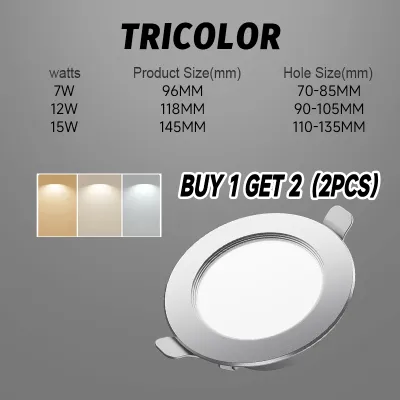
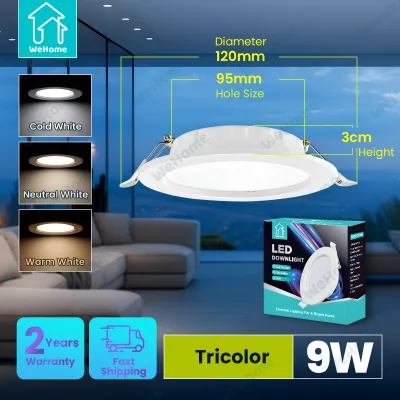
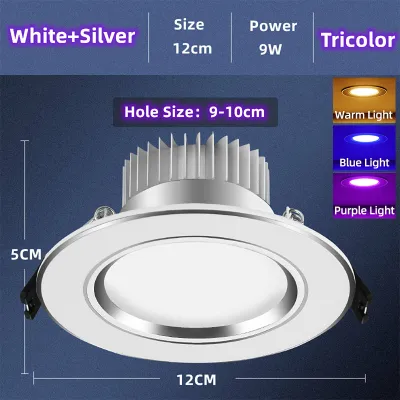
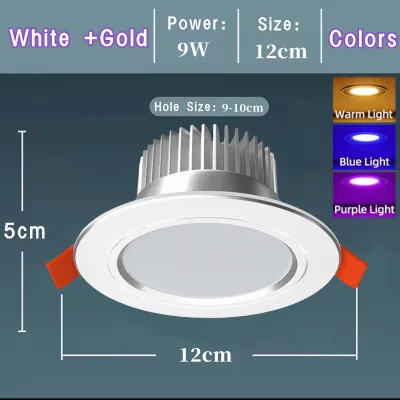
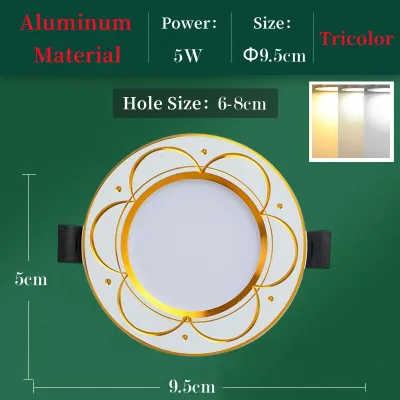
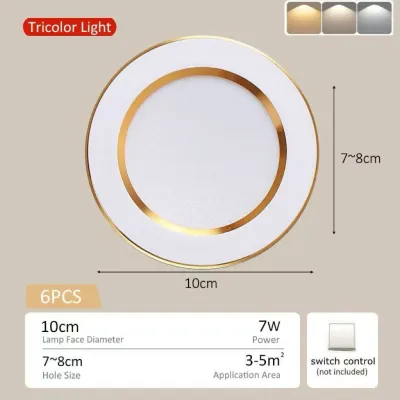
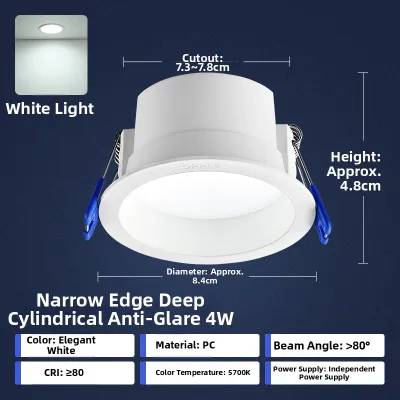
Prices are valid at publication and may change. Please refer to the product page for the latest price.

Choosing the right finish depends on whether you want the fixtures to disappear or serve as subtle architectural accents. Matte white finishes are the standard choice for blending into typical white ceilings, minimizing visual clutter. Conversely, matte black or brushed metallic finishes can create a sophisticated, intentional contrast when paired with dark wood panels, concrete ceilings, or industrial design elements.
Before committing to a specific trim style, you must verify your ceiling’s physical constraints. Deep-regressed pin lights, which hide the light source deep within the ceiling to reduce glare, require significant vertical clearance behind the gypsum board. Always measure your joist depth and ceiling cavity space, especially in tropical homes where concrete slabs or low ceiling clearances may limit your installation options.
Color Temperature: Calibrating the Modern Mood
Color temperature, measured in Kelvin (K), defines the warmth or coolness of the light and directly influences the mood of a modern interior. Modern design typically favors neutral white (around 4000K) or warm white (around 3000K) over the yellow tones of traditional incandescent bulbs or the harsh, clinical blue of high-Kelvin daylight sources. Neutral white crispness complements modern materials like polished concrete, steel, and cool-toned stone, while warm white adds comfort to wood finishes and textiles.
Maintaining visual cohesion across open-plan layouts is essential for a polished, contemporary look. Mixing different color temperatures within the same visual field creates distracting color shifts that disrupt the clean lines of a modern home. If your living room, dining area, and kitchen share a single open space, ensure all primary ambient pin lights share the exact same Kelvin rating.
To ensure your furniture, paint colors, and decor look as intended, check the Color Rendering Index (CRI) on the product packaging. A high CRI rating (typically CRI 90 or above) ensures that colors appear vibrant and true to life under artificial light. Low-CRI fixtures can make high-end finishes look dull, gray, or unnaturally tinted, undermining your design investment.
Beam Angle and Brightness: Sculpting the Space
Modern lighting design relies on layered, intentional illumination rather than flooding a room with flat, uniform light. The beam angle determines how wide the light spreads from the fixture. Narrow beam angles (15 to 24 degrees) act as spotlights, perfect for highlighting artwork, architectural features, or kitchen islands. Wide beam angles (36 to 60 degrees) provide a broader wash of light, making them suitable for general ambient illumination.
To avoid over-illuminating your space and creating uncomfortable glare, calculate your brightness needs based on room size and ceiling height. Instead of choosing high-wattage fixtures, look at the lumen output, which measures actual light brightness. Spacing out lower-lumen pin lights with medium beam angles often yields a softer, more sophisticated distribution of light than relying on a few high-powered, blinding fixtures.
If you want the flexibility to adjust your lighting levels for different times of day, verify dimmer compatibility before purchasing. Modern LED pin lights require compatible dimming drivers and matching wall switches to prevent flickering or buzzing. Check the manufacturer’s specifications on the box to ensure your chosen LED driver works seamlessly with your home’s dimming system.
Pre-Purchase and Installation Verification
Before purchasing your fixtures, you must verify that their physical dimensions match your ceiling’s existing conditions. Use a caliper or tape measure to check the required cut-out hole diameter, as even a few millimeters of discrepancy can prevent a clean fit or leave visible gaps. Additionally, ensure there is sufficient clearance around the fixture to dissipate heat, particularly in humid tropical climates where trapped heat can shorten LED driver lifespans.
Electrical compatibility is equally critical to prevent premature fixture failure or safety hazards. In the Philippines, the standard electrical supply is 220V to 230V at 60Hz. Ensure the integrated driver or external transformer of your pin lights is rated for this specific voltage and frequency range.
While replacing a simple bulb is a straightforward task, installing new recessed pin lights often involves structural risks. For cutting new holes in gypsum or concrete ceilings, running new electrical lines, or modifying ceiling joists, always consult a licensed electrician. Professional installation ensures compliance with local electrical codes and guarantees that your ceiling remains structurally sound.
Frequently Asked Questions (FAQ)
Are smaller pin lights always better for modern ceilings?
Smaller apertures, such as two-inch or three-inch pin lights, are highly popular in modern design because they minimize visual clutter on the ceiling. However, smaller fixtures are not universally better; they must still deliver sufficient lumens to light your space effectively. If you opt for smaller trims, you may need to install more fixtures or choose high-efficiency models with precise beam control to maintain adequate brightness without creating dark spots.
Can I mix different color temperatures in one room?
Mixing highly contrasting color temperatures in a single open space generally disrupts the clean, cohesive look of modern interiors. It is best to keep your primary ambient pin lights at a consistent Kelvin rating, such as 3000K or 4000K. If you want to introduce different temperatures, limit them to functional task lighting or hidden accent strips, ensuring they do not clash directly with your main ceiling lights.

Community discussion
Share your experience or ask a question. Comments are reviewed before publication.