
Choosing the right lighting fixture can transform how you work, study, or wind down at the end of a long day. While both desk lamps and bedside lamps serve to illuminate a specific area, they are engineered with entirely different goals in mind. A desk lamp focuses on delivering high-intensity, directional light to help you concentrate on tasks, whereas a bedside lamp aims to create a warm, relaxing atmosphere that prepares your mind and body for sleep.
Understanding these differences is essential before spending your hard-earned money on new home decor. Selecting the wrong type can lead to eye strain during late-night study sessions or disrupt your sleep cycle with harsh, misplaced glare. By evaluating how each lamp manages light distribution, physical space, and user controls, you can make an informed decision that enhances both your productivity and your comfort. Whether you are budgeting ₱500 or ₱5,000 for your lighting setup, choosing the correct fixture ensures you get excellent value for your home.
Core Lighting and Functional Differences
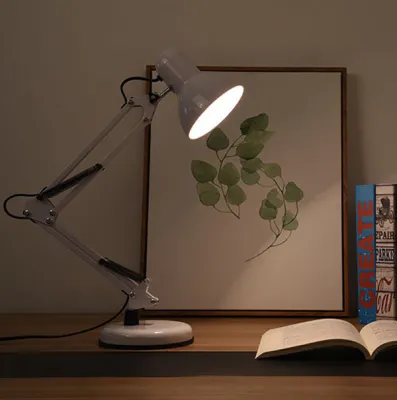
The primary distinction between these two fixtures lies in their functional lighting design. Desk lamps are classic examples of task lighting, engineered to project a concentrated, narrow beam of light directly onto a work surface. This focused illumination is crucial for reading fine print, writing, or assembling intricate crafts, as it minimizes shadows and keeps your eyes from tiring quickly.
Products mentioned in this guide
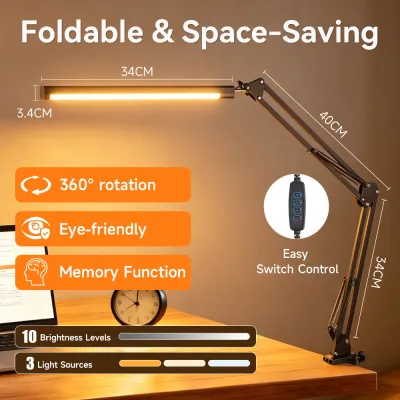
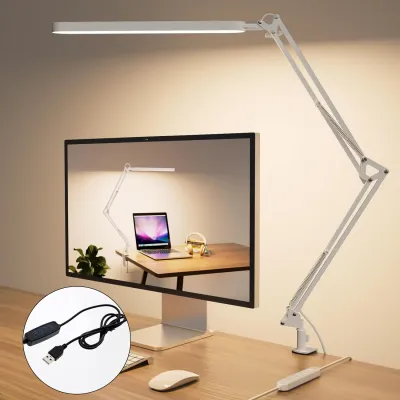
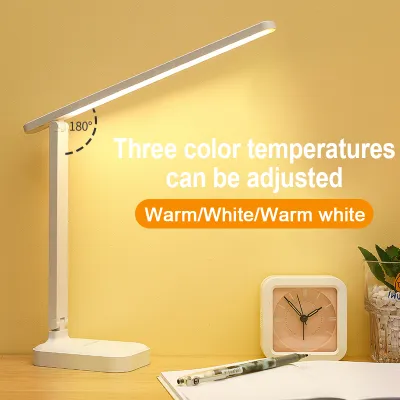
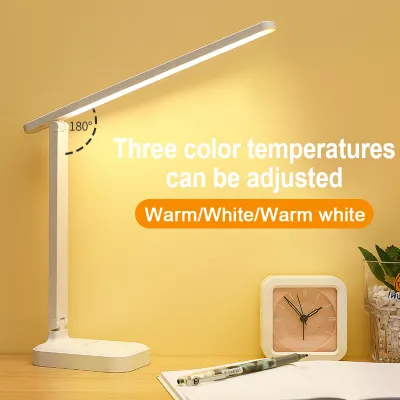
Prices are valid at publication and may change. Please refer to the product page for the latest price.
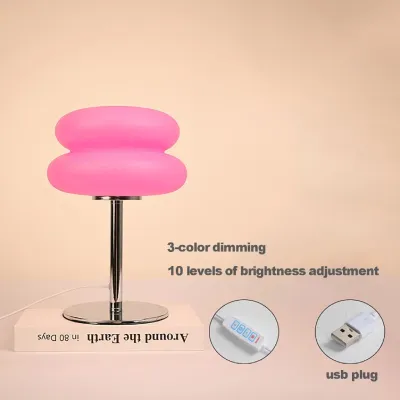
In contrast, bedside lamps are designed for ambient or casual reading lighting. Instead of focusing light on a single spot, they diffuse illumination outward, casting a soft glow across a wider area of the bedroom. This ambient quality helps transition your eyes from the bright overhead lights used during the day to the low-light conditions suitable for evening relaxation.
When shopping, pay close attention to the brightness levels and color temperature ranges printed on product packaging. Desk lamps typically perform optimally with bulbs that emit cool white or daylight tones, often ranging from 4,000 Kelvin to 6,500 Kelvin, which promote alertness and focus. Bedside lamps, however, benefit from warm white tones between 2,700 Kelvin and 3,000 Kelvin, which mimic the soothing glow of sunset and do not interfere with your natural sleep hormones.
Glare control is another critical factor to consider for prolonged use in different environments. A quality desk lamp often features a deep shade or a polarized lens to prevent light from shining directly into your eyes while you work. Bedside lamps rely on fabric, paper, or frosted glass shades to soften the light, ensuring that when you lie down, the bulb remains shielded from your direct line of sight.
Design, Size, and Placement Considerations
The physical footprint and structural design of a lamp must match the furniture it sits on. Desk lamps require a stable, weighted base or a secure clamp to prevent them from tipping over when you adjust the arm or head. Because desks are active workspaces where papers, laptops, and coffee mugs are constantly moved, the lamp base must be compact yet heavy enough to withstand accidental bumps.

Nightstands, on the other hand, usually have limited surface area and are often shared with phones, glasses, and water tumblers. Bedside lamps generally feature a wider, more decorative base that prioritizes aesthetic stability over mechanical adjustability. In humid tropical climates, choosing materials like treated ceramic, powder-coated metal, or sealed wood can prevent moisture damage and rust over years of use.
Height and proportion are equally vital to avoid uncomfortable glare. When sitting at a desk, the bottom of the lamp shade should ideally be at eye level or slightly below to keep the light source hidden from your direct view. For a bedside setup, the height of the lamp should align with your mattress level; when you are sitting up in bed, the bottom of the shade should be roughly at shoulder height so the light falls on your book rather than shining directly into your eyes.
Aesthetic styles also play a major role in how these fixtures integrate with your interior decor. Desk lamps often lean toward industrial, minimalist, or modern designs with clean lines and functional metallic finishes. Bedside lamps serve as key decorative accents in a bedroom, offering a chance to introduce textures, colors, and patterns through fabric shades and artistic bases that complement your bedding and curtains.
Adjustability and Feature Comparison
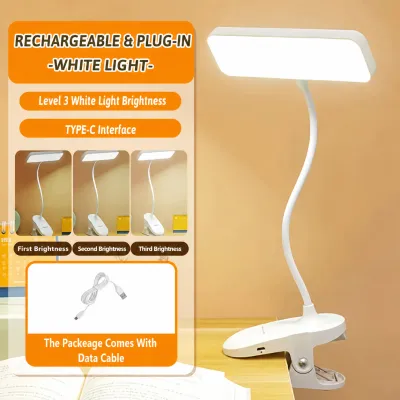
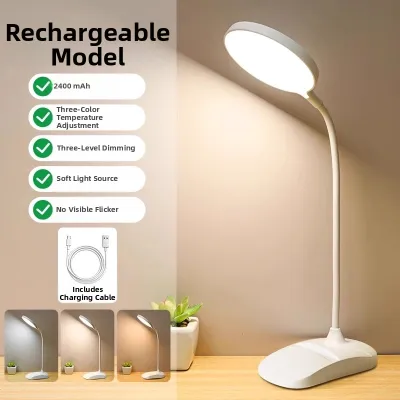
The mechanical and electrical features of a lamp determine how easily you can control your lighting environment. Desk lamps excel in physical adjustability, frequently incorporating articulated arms, counterweights, swivel heads, and flexible goosenecks. These features allow you to direct the light precisely where you need it, whether you are typing on a keyboard, sketching on a large pad, or soldering electronics.
Bedside lamps rarely feature adjustable arms, as their primary role is to remain stationary and provide consistent ambient light. Instead, they focus on user-friendly electrical features such as built-in dimming capabilities and touch-sensitive controls. Being able to tap the base of a lamp to cycle through brightness levels is incredibly convenient when you are half-awake in the middle of the night.
Integrated features have become increasingly common in modern lamp designs. Many contemporary desk lamps include built-in USB charging ports, wireless charging pads on the base, and digital displays showing the time and temperature. Bedside lamps have also adopted these conveniences, allowing you to charge your smartphone or tablet overnight without cluttering your nightstand with multiple wall adapters.
The type of switch and its placement can significantly affect daily convenience. Desk lamps often utilize base-mounted buttons, touch panels, or inline cord switches that are easy to reach while seated. For a bedside lamp, a pull-chain, a large touch-sensitive base, or an easily accessible inline switch on the power cord is preferred, ensuring you do not have to stretch awkwardly or grope in the dark to turn the light off before sleeping.
Decision Framework: Which Lamp Should You Buy?
To finalize your purchasing decision, evaluate your daily habits and physical space against this practical checklist. Your choice should align with the primary activity you perform in that specific area of your home.
Choose a desk lamp if you meet these conditions:
- Your primary goal is focused, productive work, studying, or detailed hobby crafting.
- You require highly directional light that can be adjusted to different angles and heights.
- You prefer cooler, brighter light temperatures that help maintain focus and reduce eye strain during long sessions.
- Your workspace has sufficient room for a functional, utilitarian fixture.
Choose a bedside lamp if you meet these conditions:
- You need soft, diffused, ambient light to help you wind down, meditate, or read casually before sleep.
- You want a decorative piece that enhances the cozy aesthetic of your bedroom.
- You prefer warm, low-intensity light that does not disrupt your sleep cycle.
- Your nightstand has limited space and requires a stable, stationary fixture.
Before making any purchase, always verify the technical specifications of the product. Check your desk or nightstand dimensions to ensure the lamp base fits comfortably without crowding. Inspect the proximity of your available power outlets, as some lamps have short cords that may require safe extension routing. Most importantly, verify the voltage compatibility (typically 220V in the Philippines), the bulb base or interface (such as E27 or E14), the manufacturer’s maximum wattage limits, the supported dimming method, and the electrical safety certifications on the product label to prevent overheating and fire hazards. Ensure the installation environment is dry and free from excessive moisture, especially in tropical climates where high humidity can affect electrical components.
When setting up your lamp or replacing a bulb, always practice proper safety protocols. Ensure complete power-isolation by unplugging the fixture from the wall outlet before handling any electrical parts or inserting a new bulb. If you ever encounter faulty wiring, flickering that persists after changing the bulb, or damaged power cords, stop using the lamp immediately and consult a qualified professional for repairs.
Keep in mind that neither option may fit your needs if you require specialized lighting solutions. For instance, heavy-duty industrial tasks, professional architectural drafting, or permanent wall-mounted installations are better served by dedicated commercial fixtures or fixed wall sconces rather than portable table lamps.
Frequently Asked Questions (FAQ)
Can I use a desk lamp as a bedside lamp?
Yes, you can repurpose a desk lamp for your nightstand, but you must manage potential glare and brightness issues. Because desk lamps are designed for focused task lighting, they can easily cast harsh shadows or shine directly into your eyes when you are lying down. To make it work, choose a model with a highly adjustable arm so you can point the light away from your face, and ensure the lamp has a low dimming level or can accept a low-wattage, warm-toned bulb.
What bulb type is best for reading in bed versus working at a desk?
For working at a desk, look for an LED bulb that emits cool white or daylight tones, typically between 4,000K and 6,500K, with a brightness of at least 450 to 800 lumens to keep your workspace clear and vibrant. For reading in bed, select a warm white LED bulb between 2,700K and 3,000K, with a lower brightness of 200 to 400 lumens to encourage relaxation. Always check the bulb packaging to ensure the shape, base type (such as E27 or E14), and actual wattage comply with your lamp manufacturer’s maximum safety ratings.

Community discussion
Share your experience or ask a question. Comments are reviewed before publication.