
Choosing the ideal lampshade shape for bedside reading depends on your primary lighting goal. The empire shape generally offers the most focused downward light for reading without disturbing a partner, while the drum shape provides a balanced mix of reading light and ambient room illumination, and the bell shape delivers a softer, classic downward pool of light. Selecting the right shape requires evaluating how the physical geometry of each style directs light relative to your reading posture, bed height, and bedside table setup.
In tropical climates like the Philippines, where bedrooms often balance air conditioning with natural ventilation, selecting the right lampshade also involves considering how materials interact with local humidity. A well-chosen shade not only enhances your reading comfort by reducing eye strain but also ensures your bedside lamp remains a safe, functional, and durable part of your home decor. By understanding how physical shape, dimensions, and materials work together, you can create an optimal reading environment tailored to your nightly habits.
How Lampshade Shapes Direct Light for Reading
To select the ideal lampshade for bedroom reading, it is essential to understand how physical geometry dictates the path of light. Every lampshade acts as a modifier, taking the raw, omnidirectional light of a bulb and shaping it into a specific pattern. The angles of the shade’s sides and the sizes of its top and bottom openings are the primary factors that determine where the light goes.
Products mentioned in this guide
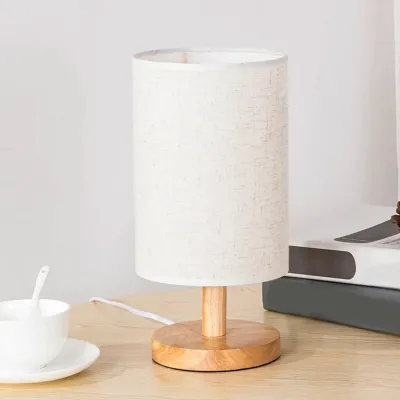

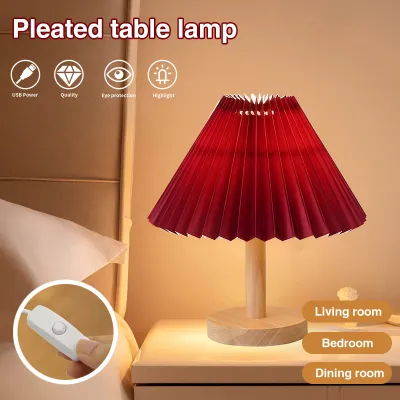
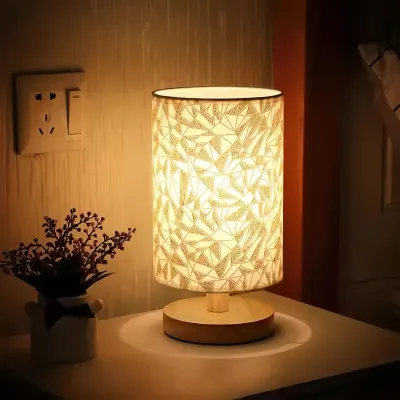
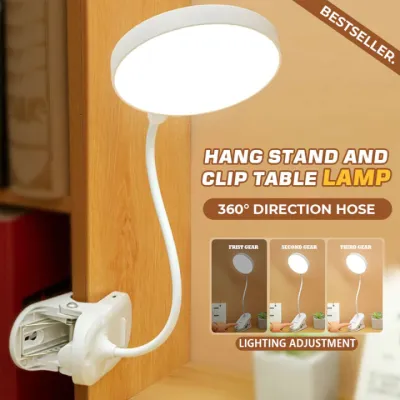
Prices are valid at publication and may change. Please refer to the product page for the latest price.
Drum shades feature a perfectly cylindrical profile where the top and bottom diameters are equal. This symmetrical design creates a balanced column of light, allowing equal amounts of illumination to escape from both the top and the bottom of the shade. The result is a dual-directional light pattern that brightens the ceiling while casting a wide, even pool of light on the surface below. Because the sides are vertical, very little light is concentrated in a single spot, making the drum style highly effective for general room illumination alongside casual reading.
Empire shades utilize a classic conical profile where the top opening is significantly narrower than the bottom opening. This sloping geometry acts as a physical funnel, directing the vast majority of the light downward while restricting the upward spill toward the ceiling. By focusing the light into a distinct, downward-facing cone, the empire shape maximizes task illumination on your book or e-reader. This concentrated beam makes it easier to focus on printed text without requiring a higher-wattage bulb.
Bell shades present a flared, curved profile that mimics the shape of a traditional bell. Like the empire shade, the bottom opening is much wider than the top, which naturally directs light downward. However, the gentle outward curve of the sides flares the light outward at a wider angle. This flaring effect softens the transition at the edges of the illuminated area, creating a gradual, diffused pool of light rather than the sharp, defined cone characteristic of the empire shape.
While physical geometry establishes the baseline light pattern, several internal variables ultimately dictate the light’s actual spread and intensity. The vertical position of the bulb within the shade, the bulb’s wattage, and the reflective properties of the inner lining all play critical roles. For instance, a bulb positioned too high in an empire shade may restrict the downward light pool, while a dark, non-reflective inner lining can absorb light and reduce overall reading brightness regardless of the shade’s shape.
Comparing Drum, Empire, and Bell Styles for Bedside Use
Evaluating how these shapes perform in real-world bedside scenarios requires looking at your reading posture, bed height, and whether you share your sleeping space. Each shape offers distinct advantages and trade-offs that directly affect your comfort and the comfort of anyone sharing the room.

Drum shades are highly suited for readers who prefer a modern aesthetic and want their bedside lamp to serve as a primary source of ambient room lighting. Because they cast light upward and downward in equal measure, they help reduce the stark contrast between a bright reading spot and a dark room, which can ease overall eye strain. However, this balanced distribution comes with a notable risk of glare. If your bedside table is relatively tall, or if you sit upright in bed to read, the wide bottom opening of a drum shade can expose the bare bulb directly to your eyes, causing uncomfortable glare that disrupts your reading focus.
Empire shades excel at providing focused, partner-friendly task lighting. The narrow top opening keeps light from spilling upward and washing across the ceiling, which helps keep the rest of the bedroom relatively dark. This makes the empire shape an excellent choice if you frequently read late into the night while a partner sleeps beside you. To ensure maximum comfort, you must verify that the bottom diameter of the shade is wide enough to cast a light pool that fully covers your reading material. If the bottom opening is too narrow, you may find yourself leaning uncomfortably close to the lamp to get enough light.
Bell shades offer a traditional, elegant aesthetic that complements classic bedroom decor. The flared bottom directs light downward effectively, but the curved profile can sometimes allow more side-viewing glare depending on your sitting angle. The light pools beautifully on the bedside table, creating a warm, inviting atmosphere. However, because the light transition zone is wider and softer than that of an empire shade, it may not provide the same level of sharp contrast for reading fine print, making it better suited for casual reading or e-readers with built-in backlights.
| Lampshade Shape | Light Direction | Ambient Spill | Glare Risk | Ideal Reading Posture |
|---|---|---|---|---|
| Drum | Balanced upward & downward | High (brightens room) | Moderate to High (at eye level) | Reclined or lower bed heights |
| Empire | Focused downward | Low (partner-friendly) | Low (bulb is well-shielded) | Sitting upright or reading closely |
| Bell | Flared downward | Moderate | Low to Moderate | Relaxed sitting or propped on pillows |
Beyond Shape: Variables That Affect Reading Comfort
While the shape of the lampshade determines the direction of the light, several secondary specifications and materials dictate the overall quality of that light. Verifying these details before purchasing a new shade is essential to ensure a comfortable, safe, and durable bedside setup.
The color and material of the inner lining are critical factors in determining light temperature and reflection intensity. A white or silver inner lining reflects light highly efficiently, maximizing the brightness of your bulb and keeping the light temperature crisp and clear, which is ideal for reading printed text. Conversely, a gold or brass inner lining warms the light significantly. While this warm glow creates a cozy, relaxing atmosphere and can reduce eye strain during late-night hours, it also lowers the overall contrast of printed text, which might make reading more difficult for some users.
Bulb compatibility and electrical safety must always be verified to prevent hazards. Before installing any bulb, check your lamp base’s maximum wattage rating, socket type (such as the standard E27 base), and electrical certifications. In the Philippines, look for safety marks like the Product Safety (PS) mark or Import Commodity Clearance (ICC) sticker to ensure the fixture meets local electrical standards. For bedside reading, LED bulbs with a color temperature between 2700K (warm white) and 3000K (soft white) are highly recommended. They provide sufficient contrast for reading without emitting the harsh blue light that can interfere with your natural sleep cycle.
The physical dimensions and proportions of the shade must align with your bedside furniture. As a general rule of thumb, when you are sitting comfortably in bed, the bottom edge of the lampshade should align roughly with your eye level. This positioning ensures that the light shines directly onto your book or tablet rather than directly into your eyes. Additionally, the shade’s bottom diameter should not exceed the width of your bedside table, preventing accidental bumps when reaching for items in the dark.
Finally, you must verify the harp and fitter sizing to ensure the new shade physically fits your existing lamp base. A spider fitter is the most common type, requiring a metal harp and a decorative finial to secure the shade in place. An uno fitter, on the other hand, screws directly onto the socket beneath the bulb, making it common on smaller bedside lamps. Clip-on fitters attach directly to the bulb itself. Matching these components correctly prevents a loose, tilting, or unstable shade that could come into contact with a hot bulb.
Decision Framework: Which Shape Fits Your Reading Setup?
To finalize your choice, evaluate your specific bedroom environment, reading habits, and existing furniture. This structured approach ensures you select a lampshade shape that balances aesthetic preferences with practical functionality.
Choose a drum shade if you prefer a modern, clean-lined aesthetic and need your bedside lamp to serve a dual purpose: providing focused reading light and acting as a primary source of ambient room illumination. This setup works best if your bedside table is low enough to keep the bottom of the shade below your direct line of sight when you are sitting up, minimizing the risk of direct bulb glare.
Choose an empire shade if your primary goal is dedicated, glare-free task lighting for reading in bed. This shape is highly recommended if you share a room and want to minimize light spill that could disturb a sleeping partner. The focused downward cone of light provides excellent contrast for printed books while keeping the rest of the room dim and restful.
Choose a bell shade if you want to complement a traditional, vintage, or classic bedroom decor style while still enjoying directed downward light. The flared shape provides a gentle, comfortable illumination pattern that is perfect for casual reading before sleep, offering a softer visual profile that blends seamlessly into cozy bedroom designs.
Before making any purchase, always perform a quick safety and compatibility check. Verify the lamp base’s maximum wattage rating, inspect the socket type, and ensure there is adequate physical clearance around your bedside table. If you live in a high-humidity environment, consider choosing durable fabric shades like linen or treated cotton, which resist moisture retention better than delicate paper alternatives, ensuring your bedside setup remains safe, clean, and comfortable for years to come.
Frequently Asked Questions (FAQ)
Does the lampshade material affect reading glare?
Yes, the material of the lampshade significantly influences both glare and light diffusion. Opaque materials, such as thick paper, metal, or dark-colored fabrics, block light from passing through the sides of the shade entirely, directing all illumination out of the top and bottom openings to eliminate side glare. Translucent materials, like linen, cotton, or light-colored parchment, allow light to filter through the sides, creating a soft, ambient glow that reduces harsh shadows but may cause mild eye strain if the fabric is too thin or the bulb is too bright.
How do I measure for a replacement bedside lampshade?
To find a replacement shade that fits perfectly, you need to measure three key dimensions: the top diameter, the bottom diameter, and the slant height (the diagonal measurement from the top edge to the bottom edge). Additionally, measure the height of your lamp’s harp to ensure the new shade sits at the correct height, and identify whether your lamp uses a spider, uno, or clip-on fitter. As a general rule of thumb for bedside tables, the shade’s bottom diameter should be within 2 inches of the lamp base’s height, and the shade should cover the internal hardware completely without touching the bulb.

Community discussion
Share your experience or ask a question. Comments are reviewed before publication.