
To achieve an elegant look in modern Filipino homes, track lighting must balance clean architectural lines with warm, glare-free illumination. An elegant ceiling light is no longer limited to a traditional central chandelier. Instead, contemporary tropical design—often characterized by open-plan layouts, natural wood accents, and high concrete ceilings—benefits from the sleek, customizable profiles of modern track systems. By choosing minimalist form factors, high-quality finishes that resist tropical humidity, and precise color temperatures, homeowners can create a sophisticated and layered ambiance that elevates their living spaces.
Assess Your Space: Is Track Lighting the Right Elegant Ceiling Light?
Before purchasing any fixtures, evaluate whether a track system aligns with your architectural constraints. High-ceilinged living rooms, common in modern townhouses and subdivisions in the Philippines, offer excellent vertical clearance for suspended or surface-mounted tracks. Conversely, low-ceilinged condominium units require a more compact approach to avoid a cramped, cluttered appearance.
Begin by measuring your floor-to-ceiling height. If your ceiling is below 2.4 meters, a bulky track system can visually lower the space. In these scenarios, recessed or ultra-slim magnetic tracks are ideal because they preserve vertical space while delivering targeted illumination. You must also identify potential structural obstructions, such as structural concrete beams, air conditioning ducts, or ceiling fans. A ceiling fan, for instance, can block the light path of a track fixture, creating a highly distracting strobing effect when both are in use.
Products mentioned in this guide
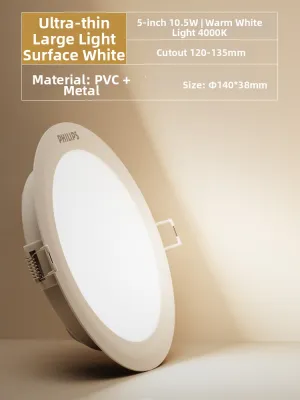
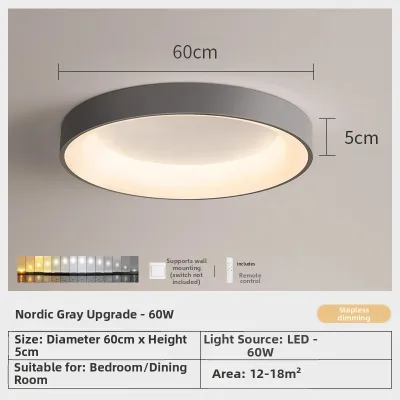
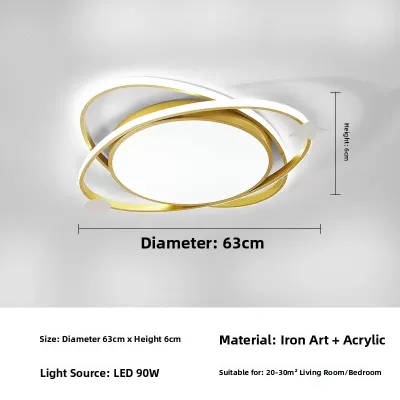
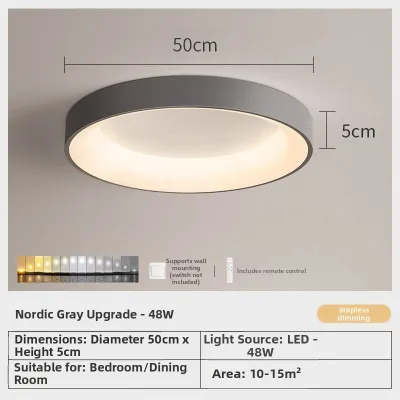
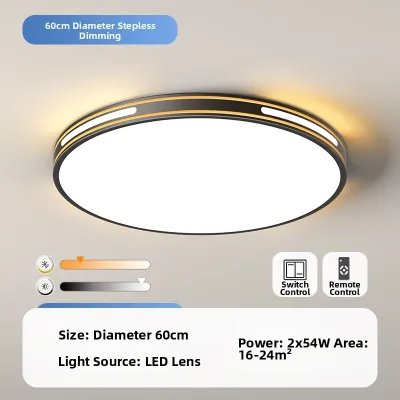
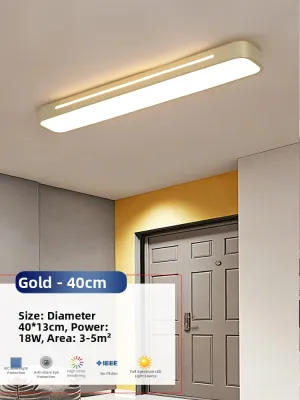
Prices are valid at publication and may change. Please refer to the product page for the latest price.
Next, determine the primary role of the lighting. Are you replacing a central ambient fixture, or are you looking to highlight specific architectural features, such as a polished concrete accent wall, local artwork, or a custom-built mahogany console? Track lighting excels at layered lighting, allowing you to combine ambient floodlights with narrow-beam spotlights.
Finally, perform a structural and electrical check. Inspect your existing junction boxes to confirm where the power source is located. Track systems are powered from a single feed point, but the track rail itself must be securely anchored to the ceiling. Standard gypsum board ceilings require toggle bolts or direct anchoring into the metal furring strips to support the weight of the track and multiple light heads safely. If you have a solid concrete ceiling, which is highly common in local residential construction, mounting surface tracks will require masonry drilling and expansion shields.
Choose the Right Track Form Factor for Your Aesthetic
The physical profile of your track system plays a decisive role in defining your home’s interior character. Modern track designs have evolved far beyond the bulky, commercial-looking tracks of the past, offering sleek options that integrate seamlessly into residential architecture.

Recessed and Trimless Tracks
Recessed and trimless track systems represent the pinnacle of minimalist design. By embedding the track rail directly into the plasterboard ceiling, the physical structure of the track disappears entirely, leaving only a clean, narrow slot visible. When the lights are turned on, the illumination seems to emerge directly from the ceiling itself, creating a highly sophisticated, architectural effect.
Implementing this look requires careful planning and sufficient ceiling cavity depth, typically at least 50 to 100 millimeters depending on the track model. Because the track must be plastered over to achieve the seamless “trimless” finish, this option is best suited for major renovations, new construction, or homes with existing drop ceilings. It is also critical to verify the dimensions of the track channel before your drywall installers finish the ceiling, as retrofitting a trimless system into an existing, painted gypsum ceiling is highly labor-intensive and costly.
Surface-Mounted and Magnetic Tracks
For spaces where recessed installation is not structurally feasible, surface-mounted tracks offer a highly elegant alternative. Slim-profile surface rails can be mounted directly to concrete or plaster ceilings, adding a subtle, clean-lined linear detail that guides the eye through the room.
Magnetic track systems have gained immense popularity in modern interior design due to their exceptional flexibility and sleek aesthetics. These systems operate on low-voltage DC power (typically 24V or 48V) running through a surface-mounted or recessed track rail. The light heads click into the track magnetically and lock into place without the need for mechanical clips or tools. This design allows you to effortlessly slide, add, or swap different light fixtures—such as linear ambient lights, adjustable spotlights, or hanging pendants—as your furniture layout or lighting needs change over time.
Pendant Adapters on Tracks
One of the most versatile features of modern track lighting is the ability to integrate hanging fixtures using specialized track pendant adapters. This accessory allows you to suspend individual decorative pendants directly from your track rail, pulling power from the track itself rather than requiring dedicated ceiling junction boxes for each hanging light.
This setup is particularly effective over kitchen islands, dining tables, or breakfast bars. By combining adjustable spotlights on the same track to highlight your workspace with elegant mini-pendants to cast a warm, localized glow, you achieve a highly functional and visually rich lighting scheme. It bridges the gap between the modern utility of track lighting and the classic, inviting warmth of traditional dining room fixtures.
Select Finishes That Elevate Modern Filipino Interiors
The finish of your track lighting should harmonize with your home’s overall color palette, architectural materials, and the local climate. In modern Filipino homes, where tropical modernism often blends natural wood, stone, and indoor plants with industrial concrete or plaster, the right fixture finish can tie these diverse elements together.
- Matte Black: Matte black track systems deliver strong, graphic contrast and sharp, modern lines. They look exceptionally striking against crisp white or light gray concrete ceilings, framing the space with architectural precision. This finish pairs beautifully with dark wood accents, such as tanguile or kamagong, and metallic hardware throughout the home, making it a staple for contemporary or industrial-themed interiors.
- Brushed Brass and Gold: For homeowners seeking to introduce warmth and a touch of understated luxury, brushed brass, champagne gold, or satin bronze finishes are excellent choices. These metallic tones soften the clinical feel of modern spaces and harmonize beautifully with warm wood grains, rattan furniture, and neutral textiles. To maintain an elegant look, opt for brushed or satin textures rather than highly reflective, polished chrome-like gold, which can easily look dated or overly flashy.
- Crisp White and Silver: If your goal is to make the lighting system as unobtrusive as possible, choose a matte white finish that matches your ceiling paint. This creates a seamless visual plane, making low ceilings appear higher and rooms feel more expansive. Silver or anodized aluminum finishes also work well in highly minimalist or Scandinavian-inspired spaces, offering a clean, technical aesthetic that complements cool gray walls and light-toned woods like ash or pine.
- Durability in Tropical Climates: When selecting your track fixtures, it is vital to consider the high relative humidity typical of the Philippine climate. Poorly finished metal tracks can corrode, bubble, or tarnish over time, especially in coastal areas or non-air-conditioned spaces. Look for fixtures with high-quality powder-coated finishes, anodized aluminum tracks, or anti-corrosive coatings. Always check the manufacturer's product label to verify the material composition and ensure the finish is rated to resist moisture and oxidation.
Plan the Layout and Light Heads for a Refined Ambiance
An elegant track lighting layout requires a deliberate balance between fixture placement, beam angles, and light output. Overcrowding a track with too many light heads is a common mistake that leads to visual clutter, excessive heat, and harsh, overlapping shadows that ruin the room’s sophistication.
As a general guideline, space your spotlight heads at least 50 to 80 centimeters apart along the track rail. This spacing ensures that each light source has a clear, dedicated purpose, whether it is highlighting a piece of art, illuminating a reading chair, or washing a wall with soft light.
To create a refined, layered atmosphere, mix and match different types of light heads on a single track:
- Adjustable Spotlights: These are essential for accent lighting. Use them to draw attention to specific features, such as a gallery wall, a textured stone pillar, or architectural niches.
- Linear Floodlights: These provide soft, diffused ambient light. They are ideal for general illumination, ensuring that the entire room is comfortably lit without the harsh glare associated with bare bulbs.
- Wall Washers: These fixtures direct light horizontally across wall surfaces, making spaces feel wider and highlighting the natural textures of your walls.
Pay close attention to technical specifications like beam angles and color temperature. For accenting art or decor, a narrow beam angle of 15 to 24 degrees provides a sharp, dramatic focus. For general area lighting, a wider beam angle of 36 to 60 degrees distributes light more evenly.
For residential spaces in the Philippines, a color temperature of 3000K (warm white) or 2700K (extra warm white) is highly recommended. These tones enhance the natural warmth of wooden furniture and create a cozy, inviting, and elegant atmosphere in the evening. Avoid using cool white light (5000K or higher) in living areas, as it can make cozy residential spaces feel sterile, clinical, and uninviting. If your track system supports dimming, ensure you use dimmable LED drivers and compatible wall dimmers to easily adjust the mood from functional daytime tasks to relaxed evening entertaining.
Electrical Compatibility and Safe Installation
Ensuring the safety and technical compatibility of your track lighting system is paramount to protecting your home and family. Before purchasing any imported track lighting kits, you must verify that the entire system—including the track rails, power connectors, LED drivers, and individual light heads—is fully compatible with the standard Philippine electrical grid of 220V at 60Hz. Using fixtures rated solely for 110V or 50Hz can lead to premature driver failure, flickering, or severe electrical hazards.
You must also calculate the total electrical load on each track circuit. Sum the wattage of all the light heads you plan to install on a single track rail. Ensure that this total wattage does not exceed 80% of the maximum rated capacity of the track rail itself or the circuit breaker feeding it. While modern LED light heads consume very little power (typically 5W to 15W per head), magnetic track systems utilize external power supplies (drivers) that convert 220V AC to low-voltage DC. These drivers must be sized correctly, with a total wattage capacity that exceeds the combined wattage of the connected lights by at least 20% to prevent overheating and prolong driver lifespan.
For a safe and durable installation, always adhere to strict safety protocols:
- Power Isolation: Always turn off the main circuit breaker at your home's electrical panel before attempting any electrical work, and use a reliable voltage tester to verify that the wires are completely dead.
- Manufacturer Instructions: Carefully review and follow the specific installation instructions provided by the manufacturer of both the track system and the light fixtures.
- Professional Installation: While swapping out magnetic light heads is a simple, tool-free task, the physical mounting of track rails, running of new electrical wiring, modification of ceiling junction boxes, or integration of heavy magnetic track systems should always be handled by a licensed electrician. This is especially critical for installations involving fixed wiring, concrete ceiling drilling, damp environments like bathrooms or semi-outdoor patios, or working at heights. If the manufacturer's instructions conflict with local electrical codes, or if you are unsure of your ceiling's weight-bearing capacity, stop immediately and consult a qualified professional.
Frequently Asked Questions (FAQ)
Can I use track lighting as the main elegant ceiling light in a small room?
Yes, track lighting can serve as the primary elegant ceiling light in smaller spaces, such as a compact study, bedroom, or condominium living area. To achieve this successfully, use a combination of linear floodlight attachments for broad, ambient illumination and adjustable spotlights to bounce light off walls, which visually expands the room. Opt for a slim, low-profile track finish—such as matte white against a white ceiling—to keep the ceiling plane clean and prevent the fixture from visually dominating the limited space.
Are magnetic track lights safe for DIY installation?
While the day-to-day operation of magnetic track lights is incredibly safe and user-friendly, the initial installation is not a pure DIY project. Adjusting, moving, or adding magnetic light heads along an already installed and powered low-voltage (24V or 48V) track is completely safe to do yourself without tools. However, the initial mounting of the track rails, wiring the external transformer to your home’s 220V mains, and securing the system to the ceiling involve high-voltage electrical work and structural anchoring. For your safety and to protect your warranty, always hire a licensed electrician to handle the initial track installation and wiring.

Community discussion
Share your experience or ask a question. Comments are reviewed before publication.