
Finding the right bedside floor lamp is essential for creating a comfortable, strain-free reading environment in the bedroom. Unlike standard ambient lighting, a dedicated reading lamp must deliver focused illumination directly onto your pages without casting harsh shadows or causing glare. By selecting a lamp with the right combination of physical adjustability, light quality, and safety features, you can enjoy your favorite books while maintaining a healthy posture and preserving a relaxing bedroom atmosphere.
Why Bedside Reading Demands Specific Lamp Features
Reading in bed presents unique ergonomic challenges that standard desk or living room lamps cannot easily resolve. When you read in bed, your posture is rarely static or perfectly upright; you might recline against a headboard, prop yourself up with pillows, or lie on your side. These shifting positions constantly change the distance and angle between your eyes and the book, requiring a light source that can adapt to your posture rather than forcing you to adjust your body to the light.
Spatial constraints also play a significant role in bedroom lighting design. Bedside areas are often crowded with nightstands, bed frames, curtains, and bedding, leaving very little open floor space. A lamp used in this environment must have a compact footprint that fits securely into tight gaps without interfering with your room’s layout or blocking pathways.
Products mentioned in this guide
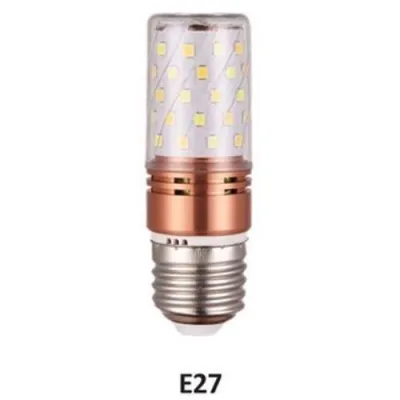

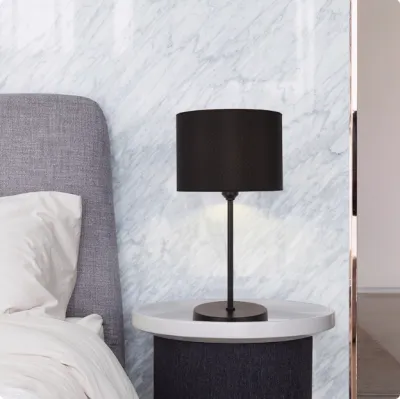
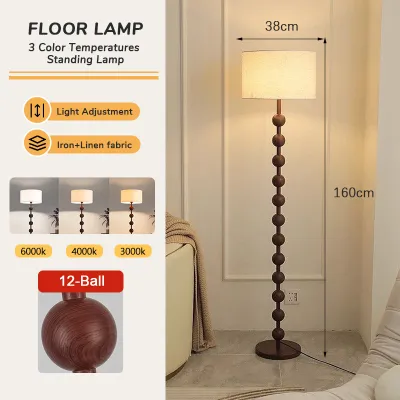

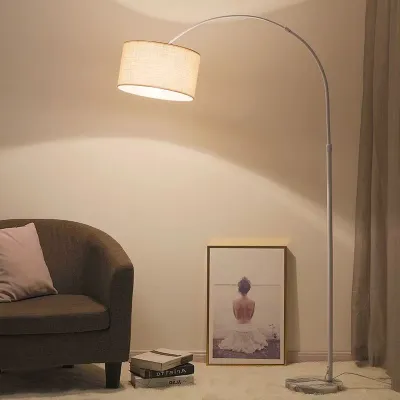
Prices are valid at publication and may change. Please refer to the product page for the latest price.
Furthermore, partner disturbance is a common concern for those who share a bed. General ambient lighting or poorly directed lamps disperse light across the entire room, which can easily disrupt a sleeping partner. A dedicated bedside reading lamp must offer highly directional, focused illumination that keeps the light pool concentrated strictly on your reading material, leaving the rest of the bed in comfortable darkness.
Essential Adjustability Features for Reading Posture
To accommodate various reading positions and bed heights, a bedside floor lamp must offer robust physical adjustability. The first feature to evaluate is height adjustment. The ideal light source should sit slightly above your shoulder level when you are sitting or reclining in bed. This positioning ensures that the light shines directly onto your book from behind or the side, preventing the bulb from shining directly into your eyes and causing uncomfortable glare.

Articulated arms and flexible necks are equally critical for precise beam targeting. Look for lamps featuring multi-jointed swing arms, telescopic poles, or adjustable goosenecks. A swing arm allows you to pull the light source closer when reading fine print and push it completely out of the way when you are finished. Gooseneck designs offer continuous, smooth adjustments, allowing you to fine-tune the angle with minimal effort and noise, which is particularly useful late at night.
Shade rotation and tilt capabilities provide the final layer of physical control. Even if the lamp arm is positioned correctly, you must be able to tilt the shade to direct the light beam. Verifying that the lamp head can rotate horizontally and tilt vertically allows you to steer the light away from your eyes and your partner’s side of the bed, ensuring the illumination remains strictly functional and localized.
Lighting Quality and Bulb Choices for Eye Comfort
The quality of light emitted by your bedside lamp directly impacts eye strain and your body’s ability to wind down for sleep. Integrated dimming controls or compatibility with dimmable smart bulbs are highly beneficial features. Being able to lower the brightness level allows you to transition from active reading to a relaxed state, matching your eyes’ natural adaptation to the evening hours. Touch-sensitive controls on the lamp pole make adjusting these levels simple and quiet.
Color temperature is another vital factor to consider when selecting a bulb. For bedroom reading, warmer light tones are generally preferred over cool, blue-toned light. When purchasing bulbs, check the packaging for bedroom-suitable warm ratings, typically between 2700K and 3000K. Warmer light minimizes blue light exposure, which helps support your body’s natural sleep cycles and prepares your mind for rest.
To prevent eye fatigue, pay close attention to glare reduction and diffusion. Exposed LED chips or clear glass shades can create harsh, intense hot spots that strain the eyes over time. Opt for lamps that feature frosted glass, fabric shades, or built-in diffusers. These materials soften the light output, spreading it evenly across your book and reducing the sharp contrasts that cause visual fatigue. Always verify that any replacement bulb matches the lamp’s specified voltage (typically 220V in the Philippines), base interface (such as the standard E27 screw base), and maximum wattage limits to ensure safe operation.
Space, Stability, and Safety Next to the Bed
Safety and stability are paramount when placing a tall fixture next to a bed, especially in tight spaces where you might reach out in the dark. A stable lamp must feature a heavy, low-profile base. A weighted base prevents the lamp from tipping over if accidentally bumped, while a low-profile design allows the base to slide easily under bed frames or low-clearance nightstands, maximizing your usable floor space. In humid tropical climates like the Philippines, selecting a lamp with a rust-resistant powder-coated finish or robust metal construction prevents premature wear and corrosion over time.
Heat management is another critical safety consideration. Because bedside lamps operate in close proximity to flammable materials like pillows, blankets, mosquito nets, and curtains, the fixture must remain cool to the touch. LED bulbs are highly recommended for this reason, as they emit significantly less heat than traditional incandescent or halogen options. Ensure there is adequate clearance between the lamp shade and any surrounding fabrics, and never drape clothing or linens over the fixture.
Proper cord management helps prevent tripping hazards when navigating the bedroom in low light. Plan your layout so the power cable runs directly along the wall to the nearest outlet, keeping it out of primary walking paths. Using cord covers or securing the cable along the baseboard can keep the area tidy and safe. If your bedroom layout requires installing new electrical outlets to accommodate your lamp, always consult a licensed electrician to ensure compliance with local electrical safety standards.
How to Measure and Match the Lamp to Your Bed Setup
Before purchasing a bedside floor lamp, taking precise measurements of your sleeping area ensures a perfect functional fit. Begin by measuring the vertical distance from the floor to your shoulder level while sitting in your typical reading position. Be sure to account for your mattress thickness, pillow height, and the elevation of your bed frame. This measurement represents your target light-source height.
Next, compare this target height against the minimum and maximum height specifications of the floor lamps you are considering. A lamp that is too short will force you to slouch, while a lamp that is too tall may spill light across the entire room or shine directly into your eyes. Ensuring the lamp’s adjustable range covers your target height guarantees comfortable, glare-free reading.
Finally, evaluate the accessibility of the lamp’s power switch. A switch that requires you to stand up or stretch awkwardly defeats the purpose of a relaxing bedtime routine. Look for lamps with easily accessible controls, such as a rotary switch located on the main pole, an inline cord switch positioned on a nightstand, or a dedicated remote control. If you choose a model with a foot-pedal switch, ensure the cord can be routed so the pedal rests within easy arm’s reach from the mattress.
Frequently Asked Questions (FAQ)
Can I use a standard living room floor lamp for bedside reading?
Standard living room floor lamps, such as torchieres or fixed-pole ambient lamps, are generally unsuitable for bedside reading. These fixtures are designed to bounce light off the ceiling or diffuse it widely to illuminate an entire room, lacking the focused directional control needed for reading. Using them next to a bed often results in inadequate light intensity on your pages, excessive glare in your eyes, and significant light spill that can easily disturb a sleeping partner.
Are arc floor lamps suitable for reading in bed?
While arc floor lamps offer a dramatic design statement, they are often impractical for bedside reading due to their large physical footprint and light distribution. The sweeping arm of an arc lamp requires substantial clearance and a very heavy base, which can be difficult to position safely in a tight bedroom layout. Additionally, because the light hangs directly overhead, it tends to cast shadows from your head or shoulders onto your book, making it less effective than a dedicated, adjustable task lamp positioned to the side.

Community discussion
Share your experience or ask a question. Comments are reviewed before publication.