
To enjoy comfortable bedside reading without eye strain, a rechargeable LED table lamp must offer adjustable brightness, warm color temperatures, a reliable battery capacity, and an adjustable physical design. These features work together to prevent harsh glare, minimize blue light exposure before sleep, and provide consistent illumination even during power interruptions. By focusing on customizable settings and physical stability, you can transform your nighttime reading routine into a relaxing, eye-friendly experience. Selecting the right lamp requires looking beyond basic aesthetics to evaluate how the light behaves in a dark room.
Evaluating Brightness and Color Temperature for Eye Comfort
Understanding lighting specifications is crucial for protecting your vision when selecting a bedside reading light. The brightness of an LED lamp is measured in lumens, which indicates the total amount of visible light emitted. For close-up reading in bed, a lamp that delivers between 100 and 300 lumens is generally ideal. Look closely at the product packaging to locate these lumen ratings, and verify whether the lamp offers adjustable brightness steps or a continuous dimming range.
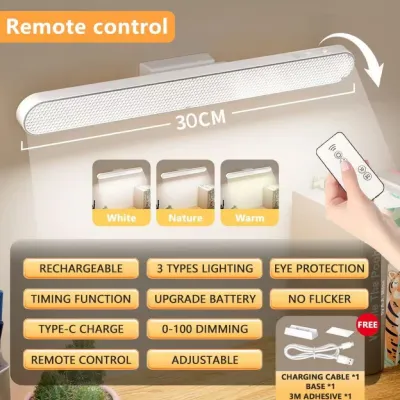
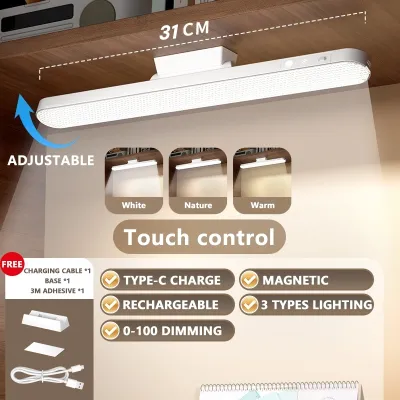
Color temperature, measured on the Kelvin (K) scale, determines whether the light feels warm or cool. For nighttime reading, prioritize lamps that offer a warm white range, typically between 2700K and 3000K. This warm hue mimics traditional incandescent bulbs and minimizes exposure to blue light, which can interfere with your sleep cycle. Conversely, cool white light above 5000K is highly task-oriented and better suited for daytime work, as it stimulates alertness and can make winding down for sleep more difficult.
Products mentioned in this guide

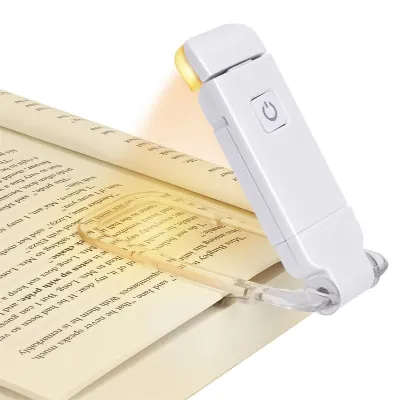
Prices are valid at publication and may change. Please refer to the product page for the latest price.
The ability to adjust light intensity based on your immediate environment is essential for minimizing eye fatigue. In a dark bedroom, a high-contrast light source causes rapid eye fatigue as your pupils constantly adjust between the bright page and the dark room. A quality reading lamp allows you to dim the light to a soft, low level that blends comfortably with the ambient darkness.
To make these adjustments seamless, look for features like stepless dimming and memory functions. Stepless dimming allows you to hold down a control button to smoothly transition the brightness to your exact preference, rather than being locked into rigid preset levels. A memory function is equally valuable, ensuring the lamp turns on at the exact brightness and color temperature you last used, preventing a sudden, blinding flash of bright light in the middle of the night.
Assessing Battery Capacity and Charging Convenience
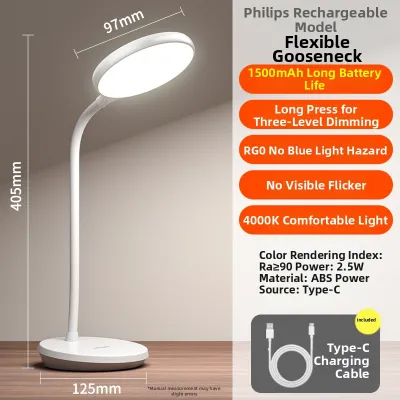
The battery performance of a rechargeable LED table lamp directly impacts how often you will need to plug it in. Battery capacity is measured in milliampere-hours (mAh), with higher numbers indicating a larger energy reservoir. For regular nightly reading, look for a capacity of at least 1200 mAh to 2000 mAh. This range typically provides several hours of continuous illumination at medium brightness. Always review the manufacturer’s estimated runtimes, keeping in mind that operating the lamp at its highest brightness setting will drain the battery much faster.

Charging convenience is another critical factor when planning your nightstand layout. Modern rechargeable lamps commonly utilize USB-C or Micro-USB ports. USB-C is highly recommended because it allows for faster charging and features a reversible connector, making it much easier to plug in during low-light conditions. Consider the length of the included charging cable; if your bedside table is far from an outlet, you may need a longer compatible cable or plan to move the lamp to a charging station during the day.
Practical power-management features can greatly enhance your user experience. A clear low-battery indicator, such as a small LED that changes color, gives you advance warning before the light shuts off. Pass-through charging is another highly desirable feature, allowing you to use the lamp normally while it is plugged in. Some models also include automatic dimming functions that gradually lower the light output as the battery level drops to extend runtime.
Keep in mind the physical trade-offs associated with larger battery capacities. A high-capacity battery naturally adds weight to the base of the lamp. While a heavier base provides excellent stability on your nightstand, a lighter lamp is much easier to carry around the home during power outages. Balance your need for portability against your desire for extended cordless runtime to find the right fit.
Choosing the Right Form Factor and Adjustability
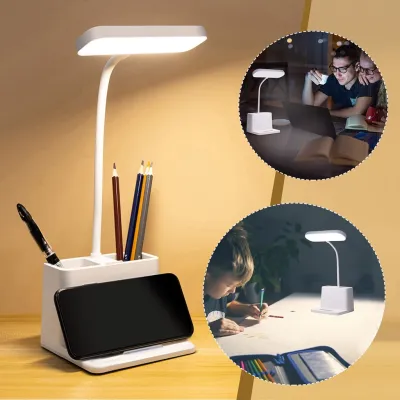
The physical design of your reading lamp plays a major role in how comfortably you can position the light. Fixed lamp designs cast light in a single, rigid direction, which often leads to harsh reflections on glossy book pages or e-reader screens. In contrast, lamps featuring an adjustable gooseneck or a swivel head allow you to direct the beam precisely onto your reading material. This adjustability helps you position the light source out of your direct line of sight, reducing direct glare and preventing the light from spilling over to disturb a sleeping partner.
Nightstand real estate is often limited, making the lamp’s footprint and stability key considerations. A compact base is ideal for narrow or cluttered bedside tables, but it must be heavy enough to prevent the lamp from tipping over easily. Check the product specifications for a weighted base or a low center of gravity, which ensures the lamp remains stable even when you fully extend or bend the adjustable neck.
Control mechanisms should be intuitive and easy to operate in complete darkness. Touch-sensitive sensors are highly popular for bedside use because they operate silently with a gentle tap, eliminating the loud clicking sounds of physical switches that might wake others. However, touch sensors can sometimes be difficult to locate by feel alone. Physical buttons or switches with raised profiles offer tactile feedback, allowing you to operate the lamp easily without needing to turn on another light source first.
Finally, pay close attention to the material finishes of the lamp body. Matte, textured, or non-reflective finishes are highly preferred for bedroom environments. High-gloss plastics or polished metal surfaces can catch the light emitted from the LED bulb, creating distracting reflections and glare that can contribute to eye strain over time.
Verifying Safety Marks and Product Specifications
Ensuring your rechargeable lamp meets basic electrical safety standards is essential for peace of mind, especially when using the device near bedding and other flammable materials. Before purchasing, locate the product label or user manual to verify the voltage compatibility and power input limits, which are typically 5V for standard USB-powered devices. Look for recognized safety certification marks on the packaging, which indicate that the product has undergone standard electrical safety testing. When comparing budget-friendly options, perhaps under ₱1,500, check these specifications carefully to ensure safety features are not compromised.
Heat dissipation is another critical safety consideration for bedroom lighting. Although LED bulbs generate significantly less heat than traditional incandescent bulbs, the internal battery and charging circuitry still produce warmth during operation. Ensure the lamp is constructed from flame-retardant materials and features adequate ventilation if it is a high-power model. This is particularly important in warm, humid tropical climates where ambient temperatures are already elevated. Always keep the lamp positioned away from soft bedding, pillows, or heavy curtains that could block natural airflow.
Proper battery care is vital for maintaining safety and performance. Avoid exposing the device to extreme heat, high humidity, or direct sunlight, which can degrade the lithium-ion battery. Read the manufacturer’s instructions regarding overcharging protection; some entry-level models lack automatic shut-off circuits and should not be left plugged in indefinitely.
If you notice the lamp becoming unusually hot, emitting an odor, flickering, or showing signs of a swollen battery casing, stop using it immediately. Disconnect the power source and consult the manufacturer’s customer support or a qualified professional. Never attempt to disassemble the battery compartment or repair internal wiring yourself, as this can compromise safety.
Frequently Asked Questions (FAQ)
Can a rechargeable LED lamp be left plugged in overnight?
Whether you can safely leave a rechargeable LED lamp plugged in overnight depends entirely on its internal circuitry. You must check the user manual to verify if the lamp features built-in overcharge protection, which automatically stops the flow of electricity once the battery is fully charged. If the manufacturer does not explicitly state that the lamp has this safety feature, or if you notice the base of the lamp becoming warm while plugged in, it is best to unplug the device once it reaches a full charge to preserve long-term battery health and prevent potential overheating.
What is the best way to position the lamp to avoid glare on pages?
To minimize glare and reduce eye fatigue, position the lamp so the light source is slightly behind you or to the side, casting light over your shoulder onto your book. Avoid placing the lamp directly in front of you or at an angle where the light reflects off the pages straight into your eyes. If your lamp features an adjustable head or gooseneck, tilt the light source downward and away from your face so that the LED bulb remains hidden from your direct line of sight while fully illuminating your reading material.

Community discussion
Share your experience or ask a question. Comments are reviewed before publication.