
Finding the perfect balance of light in a dedicated reading nook is essential for protecting your vision and ensuring a relaxing experience. While a standard room light might keep you from sitting in total darkness, reading requires a highly specific type of illumination. The ideal floor standing lamp must deliver focused, adjustable light directly onto your page, bridging the gap between general ambient lighting and the high-contrast demands of printed text or digital screens. To prevent eye strain during long reading sessions, a high-quality lamp must incorporate precise brightness controls, adjustable color temperatures, flexible physical joints, and effective glare-control mechanisms.
Understanding Eye Strain in Reading Environments
Reading is a high-cognitive-load task that requires your eyes to distinguish small, high-contrast characters continuously. In contrast to general ambient room lighting, which is designed to disperse light evenly across a large space, task lighting concentrates a beam onto a localized surface. When you read in a room with only general ambient light, the contrast between the page and the surrounding shadows forces your eyes to adjust constantly. This lack of focused light forces your ciliary muscles to contract repeatedly to maintain focus, leading to rapid visual fatigue.
The physical mechanics of eye strain, or asthenopia, are directly linked to how your pupils react to light. In poorly lit environments, your pupils dilate to let in more light, which decreases the depth of field and makes text appear slightly blurry. Your eyes must then exert extra focusing effort to compensate, resulting in dry eyes, tension headaches, and temporary blurred vision. In many homes in the Philippines, a single central ceiling light is often the primary light source, which casts distracting shadows over your shoulder as you lean into a book. A dedicated floor standing lamp solves this problem by delivering direct, localized illumination, allowing your eyes to remain relaxed and focused.
Products mentioned in this guide
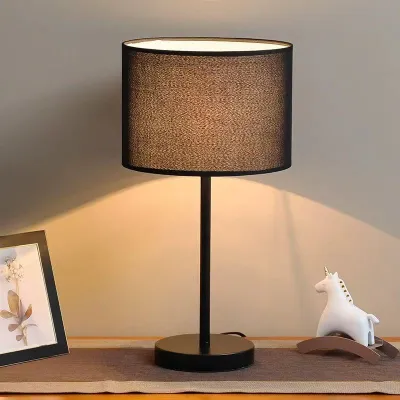
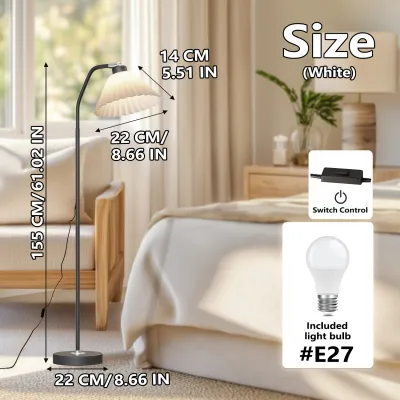
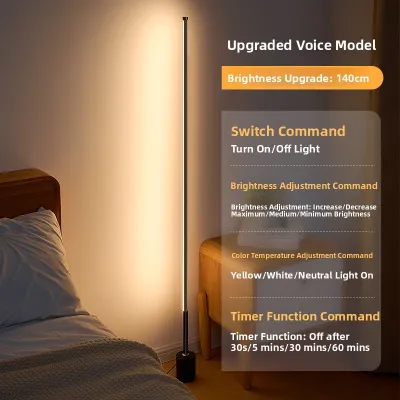
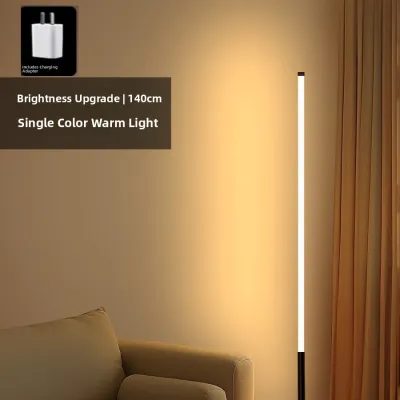
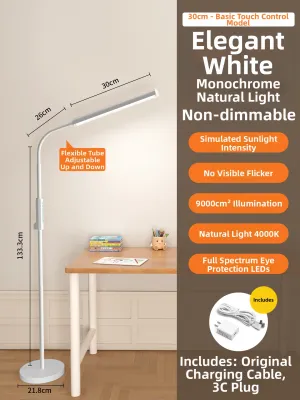
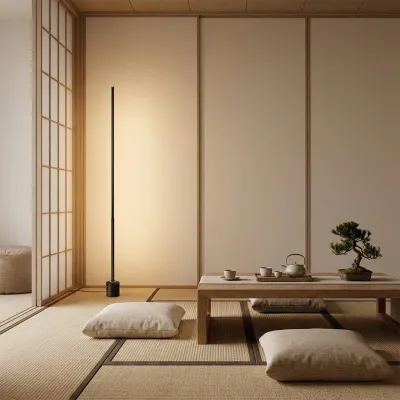
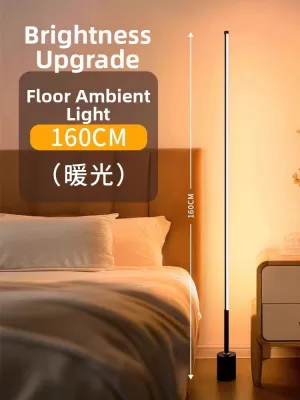
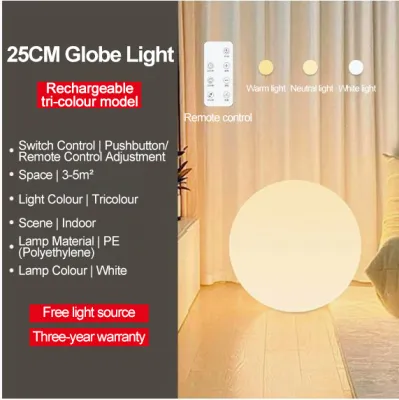
Prices are valid at publication and may change. Please refer to the product page for the latest price.
Brightness and Dimming: Matching Intensity to Your Task
Selecting the correct light intensity is the first step in creating a comfortable reading environment. Historically, many consumers selected light bulbs based on wattage, which measures energy consumption rather than actual light output. With modern LED technology, you must check the product label for lumens, which indicate the actual brightness of the light. For comfortable reading, look for a floor standing lamp or bulb that delivers between 400 and 800 lumens of light directly to your reading surface.

A fixed-brightness lamp is rarely sufficient because your lighting needs change continuously throughout the day. A floor lamp equipped with dimming capabilities allows you to adapt the light output to match the changing natural light in your room. During the late afternoon, a subtle boost of low-intensity light may be all you need to supplement the fading daylight. At night, however, you will need to dial the brightness to a level that makes the text crisp without washing out the page or creating harsh contrasts with the dark room.
It is a common misconception that a brighter light is always better for reading. Excessive brightness causes intense light to bounce off white pages or digital screens, creating a harsh glare that forces your pupils to constrict tightly. This constant over-exposure is just as damaging and fatiguing as reading in a dim room. When shopping for a floor standing lamp, verify the dimming method—whether it uses a continuous touch-sensitive slider, step-dimming buttons, or smart app integration—and ensure the maximum wattage limit of the fixture is never exceeded when installing replacement bulbs.
Color Temperature: Balancing Focus and Visual Comfort
Color temperature, measured on the Kelvin (K) scale, plays a significant role in how your brain and eyes process visual information. Warm light, typically ranging from 2700K to 3000K, emits a cozy, yellowish glow that mimics traditional incandescent bulbs. While this temperature is highly relaxing and ideal for winding down before bed, it lacks the crisp contrast required to read small, dense text clearly. Your eyes may have to work harder to distinguish letters, especially if the print quality of the book is low.
On the other end of the spectrum, cool daylight, which ranges from 5000K to 6500K, provides a bright, bluish-white light that enhances contrast and mental alertness. While this is excellent for detailed task work, prolonged exposure to high-Kelvin light during late-night reading can feel clinical and harsh. It can also suppress melatonin production, disrupting your natural sleep cycle. For the ideal balance, look for a neutral color temperature around 3500K to 4500K, which provides clean, white light that keeps text sharp without causing visual fatigue.
Because visual comfort is highly subjective and depends on the time of day, a versatile reading lamp should offer adjustable color temperature settings. This feature allows you to shift from a crisp, cool white light during afternoon study sessions to a soft, warm amber tone as you read in bed at night. Always verify the exact Kelvin range on the manufacturer’s specification sheet before purchasing, as generic marketing labels like “warm white” or “cool white” can vary significantly between different lighting brands.
Adjustability: Directing Light Exactly Where You Need It
The physical design of a floor standing lamp determines how effectively it can deliver light to your reading material. A fixed, rigid lamp often forces you to adjust your seating posture, leading to physical neck, shoulder, and back strain over time. To avoid this, prioritize lamps featuring flexible goosenecks, adjustable articulated arms, or pivoting lamp heads. These mechanical features allow you to position the light source precisely where you need it, regardless of your seating arrangement.
Proper adjustability is crucial for eliminating distracting shadows. If a lamp is positioned too high or at an incorrect angle, your head, hands, or the book itself can cast deep shadows across the text. By adjusting the lamp head to direct light from the side and slightly below your eye level, you can illuminate the pages evenly while keeping the light source out of your direct line of sight. This precise angling prevents light from shining directly into your eyes, which is a major cause of immediate visual discomfort.
When evaluating adjustable lamps, pay close attention to the build quality and stability of the joints and tension screws. In humid tropical climates like the Philippines, moisture in the air can accelerate the wear of metal components, leading to loose joints that cause the lamp head to droop over time. Look for robust locking mechanisms or high-quality goosenecks that maintain their position reliably once set. Testing the stability of these moving parts ensures your lamp remains a durable, functional tool rather than a constant source of frustration.
Glare Control and Light Diffusion for Softer Illumination
Direct exposure to a bare light bulb is highly disruptive to reading comfort. To protect your eyes, a reading floor lamp must feature effective glare-control mechanisms, such as deep-set lamp shades, frosted bulbs, or integrated optical diffusers. A well-designed shade shields your eyes from the intense point-source of the bulb, redirecting the light downward onto your book. Diffusers soften the harsh edges of the light beam, spreading the illumination evenly across your reading surface to eliminate hot spots.
Another critical technical specification to consider is the Color Rendering Index (CRI). CRI measures how accurately a light source reveals the true colors of objects compared to natural sunlight, on a scale up to 100. For reading, especially if you enjoy illustrated books, magazines, or textbooks with colored diagrams, look for a lamp with a CRI rating of 90 or higher. High-CRI lighting makes text characters stand out sharply against the page background, reducing the cognitive effort required by your brain to process the visual information.
When browsing product specifications, look for lamps that utilize specialized optical lenses or honeycomb diffusers designed specifically to cut off direct glare. These advanced designs ensure that even when the lamp is positioned close to your face, the light emitted is gentle and evenly distributed. Ensuring the lamp uses a standard, easily replaceable bulb interface—such as the widely available E27 base—allows you to select high-CRI, frosted LED bulbs that match the exact voltage and safety requirements of your home.
Optimal Placement and Ambient Light Pairing
To maximize the ergonomic benefits of your floor standing lamp, proper physical placement is essential. Position the lamp slightly behind and to the side of your favorite reading chair. If you are right-handed, place the lamp on your left side (and vice versa) to prevent your hand or arm from casting shadows if you take notes or turn pages. The bottom edge of the lamp shade should ideally sit at eye level when you are seated, ensuring the bulb remains hidden from your direct line of sight while fully illuminating your book.
While task lighting is crucial, you should never read with a floor lamp as the sole light source in an otherwise pitch-black room. This setup creates an extreme contrast ratio between the brightly lit page and the dark surrounding environment. Every time you look away from your book, your pupils must rapidly dilate, and then constrict again when you look back down. This constant fluctuation quickly fatigues the eye muscles. Always pair your reading lamp with soft, low-intensity ambient room lighting to maintain a balanced, low-contrast visual environment.
Finally, prioritize electrical safety and physical stability when setting up your lamp. In the Philippines, household electrical systems standardly operate at 220V AC at 60Hz; always verify that your lamp and its bulb are rated for this voltage to prevent electrical hazards or premature component failure. Ensure the lamp features a heavy, well-balanced base that keeps it stable on tile, wood, or carpeted floors, especially if you have pets or children. Route the power cord neatly along walls or under furniture to prevent tripping hazards, and look for products carrying official safety certifications, such as the Philippine Standard (PS) mark or the Import Commodity Clearance (ICC) sticker.
Frequently Asked Questions (FAQ)
Can I use a standard floor standing lamp for reading?
While a standard floor standing lamp can provide general illumination for a room, it is rarely suitable for dedicated reading. Standard lamps typically use wide, translucent shades that scatter light in all directions, which fails to deliver the focused, high-intensity beam needed to make small text legible. They also lack the adjustable arms and precise dimming controls required to tailor the light to your posture and changing ambient light. For comfortable, strain-free reading, it is highly recommended to choose a lamp explicitly designed for task lighting.
Is warm or cool light better for reading at night?
For nighttime reading, a warmer light setting (around 2700K to 3000K) is highly recommended. Warm light is gentler on the eyes in dark environments and does not suppress the production of melatonin, the hormone responsible for regulating sleep. However, you must ensure the lamp is bright enough (lumens) so you do not have to squint. If you read at various times of the day, a floor lamp with adjustable color temperature is the best choice, allowing you to use a cooler, focus-promoting light during the day and transition to a warm, relaxing tone at night.

Community discussion
Share your experience or ask a question. Comments are reviewed before publication.