
A modern floor lamp becomes the ultimate reading corner companion when it seamlessly balances precise physical adjustability, customizable illumination, and a stable, space-saving design. Rather than serving as a mere decorative element, the ideal reading lamp functions as a dedicated task light that adapts to your posture, protects your eyes from harsh glare, and integrates smoothly into your home’s electrical and aesthetic layout. Selecting the right model requires looking beyond aesthetic appeal to evaluate technical specifications, physical ergonomics, and practical convenience features.
By focusing on how a lamp directs light, controls brightness, and fits into your physical space, you can transform a simple armchair into a highly functional, comfortable sanctuary. Whether you are reading printed books, scrolling through an e-reader, or studying for long hours, the right combination of features will minimize eye strain and enhance your overall reading experience.
Defining the Lighting Requirements for a Reading Nook
Before evaluating specific lamp designs, it is essential to understand the unique visual demands of a dedicated reading space. A primary consideration is the balance between ambient room lighting and focused task lighting. Relying solely on a single, intense beam of light in an otherwise dark room forces your eyes to constantly adjust between the bright page and the dark surroundings, leading to rapid contrast fatigue and eye strain. A proper reading nook setup uses a floor lamp to layer light, providing a concentrated beam on your book while allowing a softer, ambient glow to fill the immediate vicinity.
Products mentioned in this guide
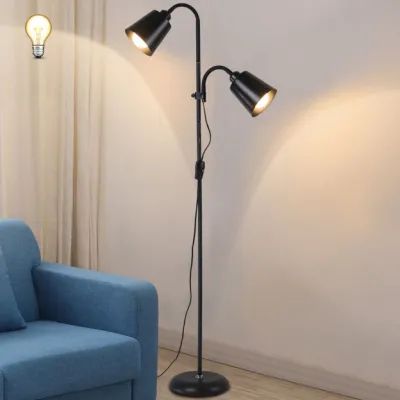
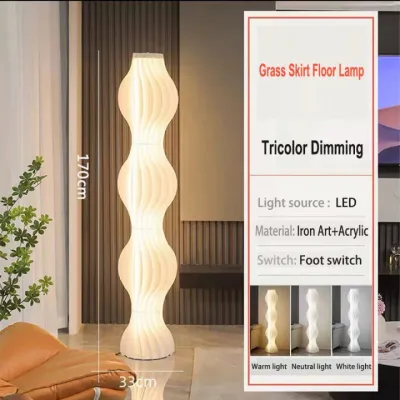
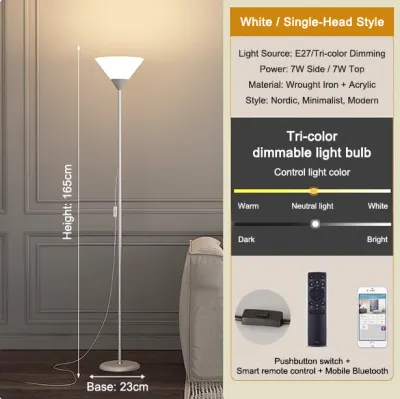
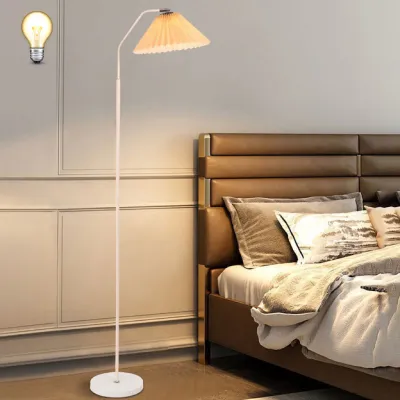
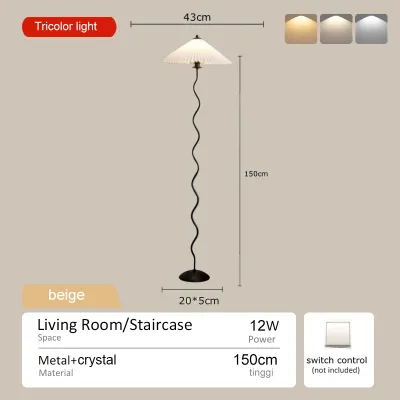
Prices are valid at publication and may change. Please refer to the product page for the latest price.
Physical space, seating height, and your preferred reading posture also dictate the physical dimensions of the lamp you need. If you prefer lounging in a deep, low-slung armchair, a lamp with a lower light source or a highly flexible arm is necessary to prevent the light from shining directly into your eyes. Conversely, if you sit upright in a high-backed chair, you will require a taller lamp with a longer reach to cast light over your shoulder without casting shadows across your reading material.
Your personal reading habits and choice of media further influence your lighting needs. Reading printed books with matte or glossy paper requires high-intensity, direct light that can be angled to avoid page glare. On the other hand, reading on self-illuminated digital screens, such as tablets or e-readers, demands a much softer, highly diffused ambient light to minimize screen reflections and maintain comfortable contrast levels.
Essential Functional Features for Eye Comfort
To achieve optimal eye comfort, prioritize floor lamps that offer high physical adjustability. Look for models featuring articulated arms, counterbalanced joints, goosenecks, or swiveling heads. These mechanical features allow you to position the light source precisely where you need it, adapting instantly when you shift your seating posture. A lamp with a fixed, rigid pole limits your options and often forces you to adjust your seating position to match the light, rather than the other way around.

Customizable light output is another critical factor for long-term comfort. Modern floor lamps equipped with stepless dimming capabilities allow you to fine-tune the brightness level to match the changing natural light in your room throughout the day. Additionally, variable color temperature control—often ranging from warm yellow to cool white—lets you customize the light to suit your activity. Warm light (around 2700K to 3000K) is ideal for relaxing evening reading as it minimizes blue light exposure, while a neutral or cool white light (around 4000K) is better suited for daytime study or high-contrast reading of fine print.
Effective glare control is vital to prevent headaches and visual fatigue. When shopping, verify that the lamp incorporates glare-reduction mechanisms such as frosted glass or acrylic diffusers, deep-set bulb placements, or opaque directional shades. These design elements ensure that the light source itself is shielded from your direct line of sight, casting a smooth, even pool of light downward onto your page rather than scattering harsh light into your eyes.
Finally, always review the manufacturer’s technical specifications for lumen output and beam angle rather than relying solely on wattage. In modern LED lighting, wattage only indicates power consumption, not brightness. For comfortable reading, look for a lamp that delivers between 400 and 800 lumens of light. A focused beam angle of 30 to 60 degrees is generally ideal for task lighting, as it concentrates the illumination on your reading material without spilling excess light into the rest of the room.
Design and Spatial Fit for Modern Interiors
A reading lamp must physically and aesthetically integrate into your living space without creating clutter or safety hazards. Begin by measuring the base footprint and assessing the overall weight of the lamp. A heavy, low-profile base is crucial for physical stability, especially if the lamp will be placed on thick rugs, tucked into tight corners, or positioned near high-traffic areas where it could be easily bumped. A well-weighted base ensures the lamp remains upright even when the adjustable arm is fully extended.
In tropical environments characterized by high humidity, material selection plays a significant role in the longevity of your lighting fixture. Prioritize durable, easy-to-clean surfaces such as powder-coated steel, anodized aluminum, or treated brass, which resist moisture and corrosion better than untreated metals or low-grade plastics. These materials not only withstand daily wear but also complement modern interior aesthetics with clean lines and minimalist profiles.
Cord management is another essential design consideration that impacts both safety and visual appeal. Look for modern floor lamps that feature integrated pole channels, magnetic clips, or discreet routing paths that keep the power cord flush against the frame. This prevents loose cords from draping across the floor, reducing tripping hazards and maintaining the clean, uncluttered look characteristic of modern interior design.
Convenience and Control Features
Evaluating how you interact with your floor lamp from a seated position is key to creating a relaxing reading environment. Consider the switch type and its placement on the fixture. While foot pedal switches are highly convenient for open spaces, they can become inaccessible if the lamp base is tucked behind a heavy armchair or side table. In such layouts, an inline cord switch positioned closer to the seat, a touch-sensitive pole, or a rotary switch located directly on the lamp head is much easier to operate without standing up.
Many modern floor lamps now feature built-in charging ports, such as USB-A or USB-C connections, integrated directly into the pole or a small built-in utility shelf. This feature allows you to keep your e-reader, tablet, or smartphone charged while you read, eliminating the need for long cords stretching to distant wall outlets. When choosing a lamp with integrated charging ports, ensure the product carries recognized electrical safety certifications to guarantee stable power delivery and protect your devices from electrical surges.
Smart lighting compatibility is another valuable feature for modern homes. Lamps that support smart bulbs or feature built-in smart modules allow you to adjust brightness, color temperature, and power states via mobile apps or voice commands. If you opt for a smart-enabled lamp, verify whether it requires a dedicated smart home hub or if it connects directly to your home Wi-Fi network, as this will affect the setup complexity and overall cost.
Building Your Shortlist: A Feature Evaluation Checklist
When comparing different modern floor lamps on online marketplaces or at local retailers, creating a structured decision matrix will help you identify the best option for your budget and space. Distinguish between your must-have ergonomic features—such as adjustable joints and glare control—and optional upgrades like smart connectivity or integrated charging ports. This ensures you prioritize eye comfort and usability over secondary high-tech features.
Before making a final purchase, always verify the electrical compatibility of the lamp. In the Philippines, the standard household electrical system operates at 220 volts (V) at a frequency of 60 hertz (Hz). Ensure the lamp’s specifications match these standards directly from the product label or manufacturer manual to prevent electrical hazards, overheating, or premature component failure. Additionally, check that the plug type (typically Type A or Type B) is compatible with your wall outlets without requiring unstable adapters.
Finally, carefully review the manufacturer’s warranty terms and return policies. Pay close attention to the coverage period for electrical components, built-in LED modules, dimming switches, and moving mechanical joints. Because adjustable lamps rely on physical movement, choosing a product backed by a reliable warranty on mechanical parts provides peace of mind and ensures your reading companion remains functional for years to come.
Frequently Asked Questions (FAQ)
Can a modern floor lamp provide enough light for reading without overhead lighting?
While a high-quality modern floor lamp can deliver sufficient task light for reading, relying on it as the sole light source in a dark room is not recommended. Reading in a single pool of bright light surrounded by darkness causes contrast fatigue, as your eyes must constantly adjust between the bright page and the dark room. To protect your vision, maintain a low level of ambient room lighting alongside your floor lamp to balance the overall contrast.
Are smart floor lamps worth the investment for a simple reading nook?
Smart floor lamps offer significant convenience, allowing you to adjust brightness and color temperature from your seat via an app or voice control. However, they are only worth the investment if you value hands-free operation and have a stable home Wi-Fi network. If you prefer a simple, reliable setup, a standard floor lamp with a physical dimmer switch offers excellent performance at a lower cost without network dependencies.

Community discussion
Share your experience or ask a question. Comments are reviewed before publication.