
To create the perfect reading nook in a living room corner, a standing floor lamp must balance highly targeted task lighting with comfortable ambient illumination. The ideal reading lamp should feature adjustable brightness (preferably between 450 to 800 lumens), a customizable color temperature range (ideally 2700K to 4000K), physical adjustability like a gooseneck or articulating arm, and a glare-reducing shade design. When placed in a cozy corner, the right standing floor lamp prevents eye fatigue during long reading sessions while seamlessly integrating into your home’s aesthetic.
Assessing the Living Room Corner Environment
Living room corners present unique lighting challenges. These areas are frequently tucked away from primary overhead fixtures, leaving them prone to deep shadows and uneven illumination. When you set up a dedicated reading space, you are often dealing with tight physical boundaries. The lamp must fit comfortably alongside an armchair, a plush sofa, or a small side table without obstructing pathways or crowding the seating area.
Before choosing a lamp, measure the physical footprint of your corner. A bulky base might wobble if forced to sit half-on and half-off a rug, while a lamp that is too short will fail to cast light over the back of a high-backed chair. You need to determine the required height and reach based on your specific furniture. The goal is to position the light source close enough to illuminate your pages without interfering with your physical movement.
Products mentioned in this guide
![[Free Bulb] Floor Lamp Living Room Bedroom Bedside Lamp Modern Creative Fabric Decorati Study Floor Light](https://img.lazcdn.com/g/p/6fbd0a8d0da73272a99a4af63204e2bb.jpg_400x400q80.jpg_.webp)
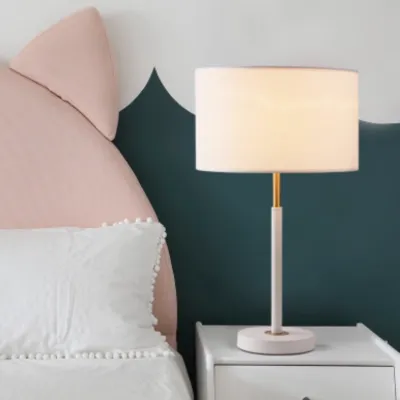
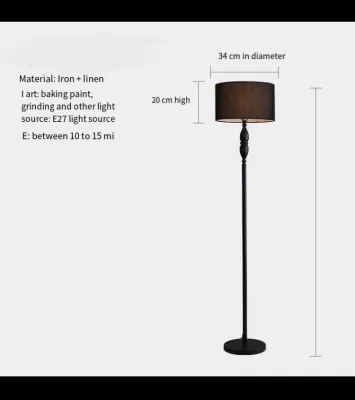
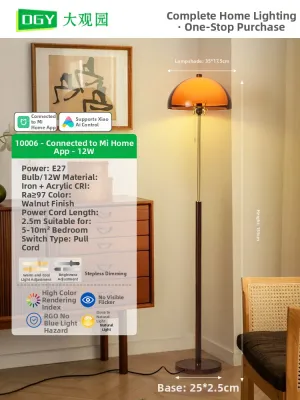
Prices are valid at publication and may change. Please refer to the product page for the latest price.
Furthermore, a corner lamp performs a dual role in your living room. While its primary task is to provide focused light for your book, e-reader, or tablet, it also acts as an accent light that softens harsh shadows in the corner of the room. Achieving this balance requires looking beyond simple aesthetics to evaluate how the lamp interacts with your immediate surroundings.
Evaluating Brightness and Dimming Capabilities
When evaluating a standing floor lamp, look past the wattage rating on the packaging. Wattage only measures energy consumption, which can be misleading when comparing modern LED bulbs with older incandescent options. Instead, focus on the lumen output, which measures the actual brightness of the light. For comfortable reading, a light source that delivers between 450 and 800 lumens is generally recommended, providing sufficient clarity without overwhelming the eyes.

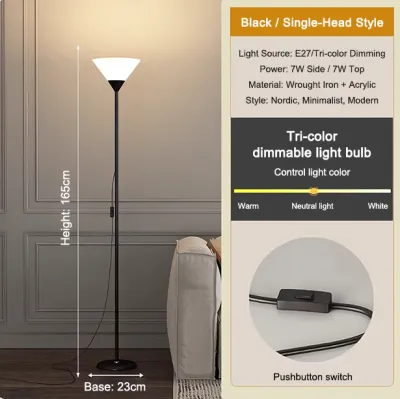
Dimming capabilities are highly beneficial for a multi-use living room corner. Natural light levels change throughout the day, meaning a brightness level that feels perfect at midday might feel blindingly harsh at midnight. A lamp with step-dimming or continuous dimming features allows you to transition seamlessly from high-intensity task lighting to a soft, low-level glow that complements a relaxed evening atmosphere.
Avoiding glare is paramount in a confined corner space. Unshielded bulbs or excessively bright light sources can bounce harsh reflections off glossy book pages or digital screens, leading to rapid eye fatigue and headaches. By selecting a lamp with adjustable brightness levels, you can fine-tune the illumination to match your immediate environment, ensuring your eyes remain relaxed even during extended reading sessions.
Choosing the Right Color Temperature for Eye Comfort
Color temperature, measured in Kelvin (K), dictates the visual warmth or coolness of the light and plays a crucial role in eye comfort. Lower Kelvin numbers (around 2700K to 3000K) produce a warm, golden light that mimics traditional incandescent bulbs. Higher numbers (above 5000K) produce a cool, bluish-white light similar to daylight. While cool light can increase alertness, it can feel clinical and harsh in a cozy living room setting.
For reading, a warm-to-neutral white light range—specifically between 2700K and 4000K—offers the best balance. A warm white light of 2700K to 3000K promotes relaxation and blends beautifully with the existing ambient lighting of most living rooms. If you prefer sharper contrast for reading small print, a neutral white light of around 3500K to 4000K provides excellent clarity without the sleep-disrupting blue wavelengths associated with cooler daylight bulbs.
Many modern standing floor lamps feature adjustable color temperature controls, allowing you to switch between warm, neutral, and cool modes. If you select a lamp with a fixed color temperature, ensure it aligns with how you use the space. A fixed warm-white bulb is ideal if your reading corner is strictly for evening relaxation, whereas a neutral-white option is better if the corner serves as a daytime home office.
Ensuring Adjustability for Targeted Task Lighting
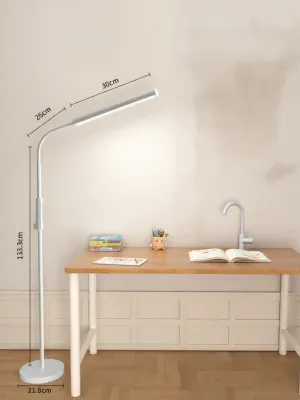
Physical adjustability is a key feature that separates a generic floor lamp from a high-quality reading light. Because everyone sits differently and book positions vary, a static lamp often forces you into uncomfortable postures to avoid shadows. Look for a standing floor lamp equipped with a flexible gooseneck, an articulating arm, or a swivel head that allows you to direct the light beam precisely where it is needed.
Targeted beam control is essential for maintaining a peaceful living room environment. By angling the light directly down onto your book, you prevent the light from spilling across the room and disturbing others who might be watching television or relaxing nearby. This focused direction also ensures that the light source remains completely out of your direct line of sight, preventing uncomfortable glare.
When shopping, pay close attention to the build quality of the adjustable joints. Low-quality hinges or weak goosenecks can sag over time, causing the lamp head to slowly droop during use. Verify that the joints are constructed from durable materials, such as solid brass, steel, or high-grade aluminum, and check that any tension screws can be tightened manually to lock the lamp head securely in place.
Selecting Shade Designs to Minimize Glare
The design and material of the lamp shade directly influence how light is distributed throughout your reading corner. Opaque shades, typically constructed from metal, thick wood, or heavy plastics, direct the light in a concentrated, downward cone. This design is highly effective for dedicated reading because it focuses the entire output of the bulb onto your lap while keeping the rest of the corner relatively dim.
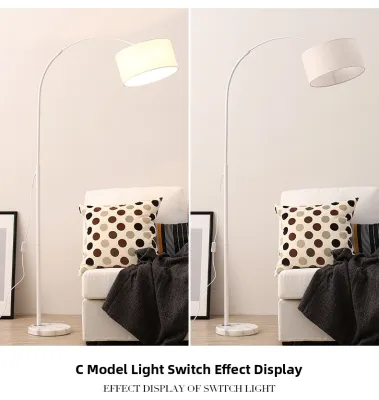
In contrast, translucent shades made of fabric, paper, or frosted glass allow light to escape horizontally, creating a soft, diffused ambient glow. While these shades are excellent for general room illumination, they may not provide enough concentrated light for reading unless the bulb is highly bright. Additionally, the interior lining of the shade plays a subtle but important role; a white or silver interior reflects a crisp, clean light, while a gold or brass lining adds a warm, amber tone to the illumination.
To completely eliminate glare, the physical positioning of the shade is critical. Choose a lamp design where the bottom edge of the shade sits below your eye level when you are seated in your reading chair. This configuration ensures that the bare bulb remains hidden from your direct line of sight, preventing the sharp, blinding glare that can ruin an otherwise comfortable reading session.
Verifying Electrical Specs and Safety for Local Use
Before finalizing your purchase of a standing floor lamp, you must verify that its electrical specifications are fully compatible with your home’s setup. In the Philippines, the standard household electrical supply operates at 220V and 60Hz. Purchasing a lamp designed solely for 110V systems without a proper transformer can damage the fixture or present a serious electrical hazard. Always check the product label or manufacturer specifications to ensure it is rated for local voltage and features a compatible plug type (typically Type A or Type B).
Safety also depends on physical stability, especially in tight corner spaces. A reading lamp should feature a heavy, well-balanced base that prevents the unit from tipping over if accidentally bumped. This is particularly important if you have pets or young children running through the living room. Look for bases made of heavy marble, cast iron, or weighted steel, and ensure the base diameter fits securely on your flat flooring.
Additionally, measure the distance from your chosen corner to the nearest wall outlet. The lamp’s power cord should easily reach the outlet without being stretched tight or draped across high-traffic walkways, which creates a tripping hazard. If you must use an extension cord, ensure it is rated for the lamp’s wattage and is tucked safely behind furniture. Finally, always look for recognized electrical safety certification marks—such as the Philippine Standard (PS) mark or the Import Commodity Clearance (ICC) sticker—to guarantee the product has undergone rigorous safety testing.

Community discussion
Share your experience or ask a question. Comments are reviewed before publication.