
A vintage floor lamp brings character, warmth, and a sense of history to a reading corner, but it must also serve its primary purpose: providing comfortable, glare-free light for your books or e-reader. Finding the ideal balance between nostalgic charm and functional task lighting requires looking closely at how the lamp directs light, its electrical compatibility, and its physical proportions. In tropical climates like the Philippines, where humidity can affect older materials, checking the structural and electrical integrity of a vintage piece is just as important as its visual appeal.
By focusing on adjustable features, proper bulb specifications, and stable proportions, you can transform a simple corner into an inviting, well-lit sanctuary. Whether you are hunting through local antique shops, browsing online marketplaces, or restoring a family heirloom, evaluating these essential features ensures your vintage lamp is both a beautiful design statement and a highly practical reading companion.
Evaluating Light Direction and Adjustability for Reading
Reading requires focused, glare-free illumination directed precisely onto your page or screen. When evaluating a vintage floor lamp, the physical structure of the lamp head and arm determines how effectively it can deliver this targeted task lighting. Fixed-shade lamps, while often visually striking, cast light in a single, unyielding direction, which can force you to adjust your seating position or deal with awkward shadows.
Products mentioned in this guide
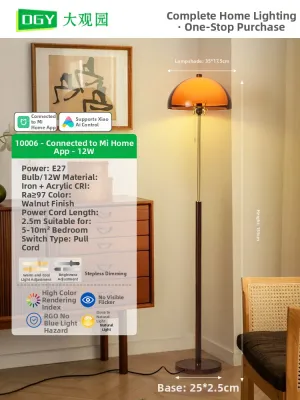
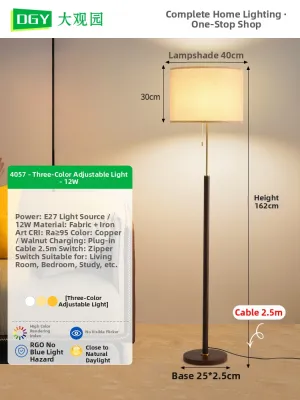
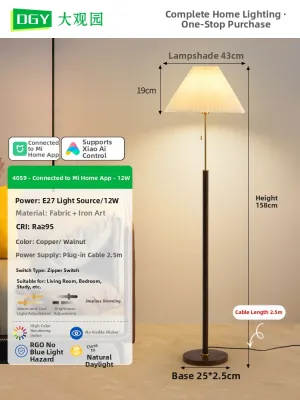
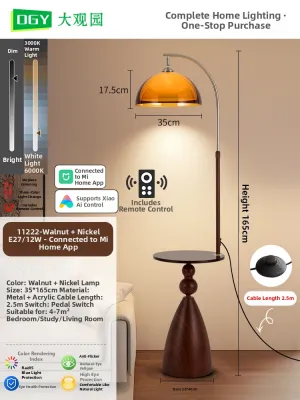
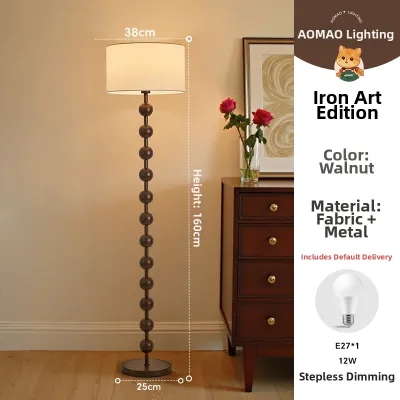
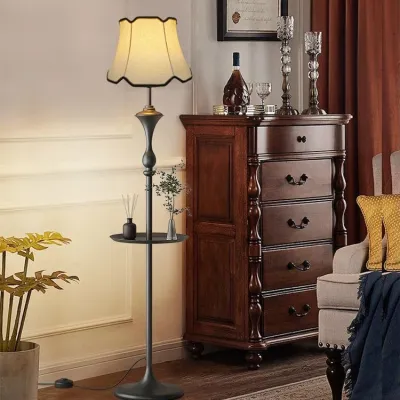
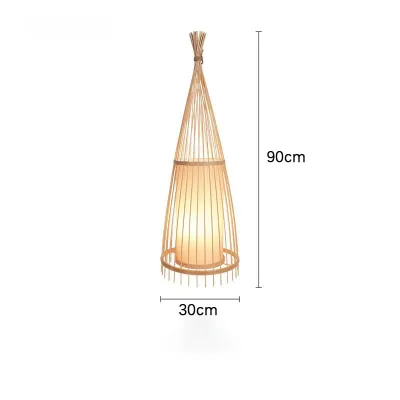
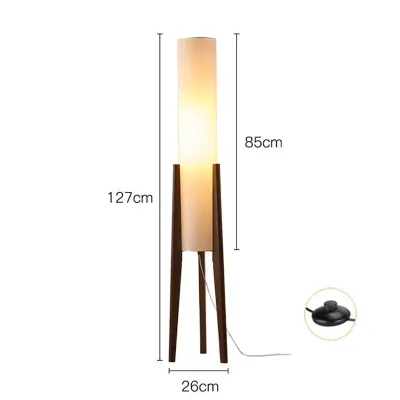
Prices are valid at publication and may change. Please refer to the product page for the latest price.
In contrast, vintage designs featuring adjustable elements—such as swing arms, goosenecks, or pivoting heads—allow you to guide the light exactly where you need it. A classic mid-century modern pharmacy lamp or an industrial-style drafting lamp offers excellent articulation, letting you lower the light source close to your book for detailed reading or raise it to soften the ambient glow of the room.
The design of the lampshade itself plays a major role in light distribution and glare control. Deep, opaque shades made of metal or thick glass concentrate the light into a direct beam, which is ideal for task lighting but can create harsh contrast if the rest of the room is dark. To minimize eye strain, look for shades with a light-colored or reflective interior finish, which helps maximize and soften the light output without requiring a higher-wattage bulb.
Placement is the final piece of the adjustability puzzle. For the most comfortable reading experience, the bottom of the lampshade should sit roughly at your shoulder level when you are seated in your favorite reading chair. This height prevents the bulb from shining directly into your eyes while ensuring the light source is close enough to illuminate your reading material clearly without casting a shadow of your head or shoulders onto the page.
Determining the Right Brightness and Bulb Specifications
Achieving the optimal level of brightness in a reading corner involves matching your illumination needs with the physical and electrical limits of a vintage fixture. Older lamps were designed for incandescent bulbs, which generate significant heat during operation. Before screwing in any bulb, always locate and inspect the manufacturer’s maximum wattage label, which is typically printed on a sticker or stamped directly onto the metal socket.

Exceeding this recommended wattage limit is a serious safety hazard that can degrade vintage wiring, scorch delicate fabric or parchment shades, and even pose a fire risk. If the original label is missing or illegible, it is safest to treat the fixture as having a low wattage limit, generally no higher than 40 or 60 watts for traditional incandescent bulbs, or to transition entirely to modern alternatives.
For comfortable reading, aim for a light source that delivers approximately 450 to 800 lumens, which provides sufficient brightness without causing eye fatigue. The color temperature of the bulb also influences your reading comfort and the overall mood of your corner. A warm white light, ranging from 2700K to 3000K, mimics the cozy glow of traditional lighting and is gentle on the eyes during evening reading sessions, while avoiding the clinical feel of higher color temperatures.
When sourcing bulbs, pay close attention to the socket type of your vintage floor lamp. Many vintage pieces utilize standard medium screw bases (E27 or E26), but some European imports or older specialty designs may feature bayonet mounts or smaller candelabra sockets. Using modern, low-heat LED bulbs that match these socket types allows you to achieve the desired lumen output while keeping operating temperatures exceptionally low, protecting both the vintage fixture and your home.
Balancing Vintage Aesthetics with Reading Corner Proportions
A vintage floor lamp should harmonize with the physical dimensions of your reading nook and the existing design theme of your home. The first physical attribute to evaluate is the lamp’s base footprint and weight. A heavy, solid brass or cast-iron base provides the necessary stability to prevent the lamp from tipping over, which is especially important if the lamp is placed on thick rugs or in high-traffic areas where it might be bumped.
The overall height of the lamp must also align with your reading chair. A lamp that is too tall may cast light over a wide area rather than focusing it on your book, while a lamp that is too short might require you to slouch or adjust your posture to benefit from the light. Measure the height of your chair’s armrests and seat back before shopping, aiming for a lamp height that allows the light source to sit comfortably between 40 and 60 inches from the floor.
Integrating a vintage lamp into your decor requires a thoughtful look at design eras. If your reading corner features clean lines and minimalist furniture, a mid-century modern floor lamp with brass accents or a sleek tripod base can create a striking focal point. For a more rustic or traditional space, an industrial-style iron lamp or an ornate Art Deco piece with detailed metalwork can add texture and historical depth.
In smaller rooms or tight corners, consider the visual weight of the lamp. Slender, minimalist metal poles and compact shades prevent the corner from feeling cluttered, while larger, more ornate lamps with wide fabric shades require more breathing room to avoid overwhelming the surrounding furniture. Balancing these proportions ensures your reading corner feels balanced, cozy, and intentionally styled.
Inspecting Electrical Safety and Condition of Vintage Pieces
Before plugging in any vintage floor lamp, performing a thorough safety inspection is essential to protect your home and ensure reliable operation. Start by examining the entire length of the power cord. Look closely for signs of aging, such as fraying fabric insulation, cracked plastic, or exposed copper wires, which are common in older fixtures and pose immediate shock or short-circuit risks.
Next, inspect the plug itself to ensure the prongs are secure and not bent or corroded. In humid environments, metal components can oxidize over time, leading to poor electrical contact or overheating at the outlet. If the lamp features an inline switch on the cord or a rotary switch on the socket, test its mechanical action to ensure it clicks cleanly without sticking or feeling loose.
The structural integrity of the lamp’s frame is just as critical as its electrical components. Check that the pole stands completely straight and does not wobble at the base connection. Tighten any loose screws, collar loops, or joints along the body of the lamp, and verify that adjustable arms or swivel heads hold their position securely without slipping under the weight of the shade.
If you discover brittle wiring, a loose socket, a flickering light, or a plug that does not fit securely into modern outlets, do not attempt to use the lamp. These issues indicate that the fixture requires professional attention. Consult a qualified electrician or a professional lamp restoration specialist to have the piece safely rewired with modern, certified components while preserving its beautiful vintage exterior.
Frequently Asked Questions (FAQ)
Can I use modern LED bulbs in a vintage floor lamp?
Yes, using modern LED bulbs is highly recommended for vintage floor lamps. LEDs emit very little heat compared to traditional incandescent bulbs, which helps protect delicate vintage lampshades, paper liners, and older wiring from heat degradation. They are also highly energy-efficient and available in a wide range of color temperatures, allowing you to maintain a warm, classic glow. Before purchasing, verify that the LED bulb’s base matches the socket type of your lamp (such as E27 or E26) and check that the bulb’s physical shape fits comfortably within the shade without touching the sides.
How do I clean a vintage lampshade without damaging it?
Cleaning a vintage lampshade requires a gentle, material-specific approach to avoid damaging fragile, aged surfaces. For fabric or parchment shades, use a soft-bristled brush or a clean microfiber cloth to gently sweep away dust; avoid using water or liquid cleaners, which can cause staining, warping, or adhesive failure. Glass and metal shades can be wiped down with a slightly damp microfiber cloth, but you should avoid harsh chemical cleaners that might strip away original patinas or painted details. Always test any cleaning method on a small, hidden area first to ensure it does not alter the material’s color or texture.

Community discussion
Share your experience or ask a question. Comments are reviewed before publication.