
Creating a dedicated reading corner requires a balance of focused illumination and calming design. A Nordic floor lamp can serve as both a functional task light and a minimalist design statement, but finding the right one depends on specific features that support eye comfort and physical safety. To choose the ideal lamp, you must evaluate its light quality, physical adjustability, material construction, and electrical compatibility with your home.
Evaluating Light Quality and Brightness for Reading
When selecting a nordic lamp for reading, the light quality directly impacts how long you can read comfortably without experiencing eye strain. Start by checking the product packaging or manufacturer specifications for the lumen output, which measures the total amount of visible light. For dedicated task lighting like reading, look for bulbs or integrated LED fixtures that specify a higher lumen rating than standard ambient accent lights, ensuring the text on your page is clearly illuminated.
Color temperature, measured in Kelvins (K), is another critical specification to verify on the product label. While cooler light tones can enhance contrast for highly detailed work, many readers prefer a warm white light (typically around 2700K to 3000K) for a relaxing evening reading session. This warmer spectrum mimics traditional incandescent bulbs and creates a cozy atmosphere that coordinates well with tropical wood accents in local homes.
Products mentioned in this guide
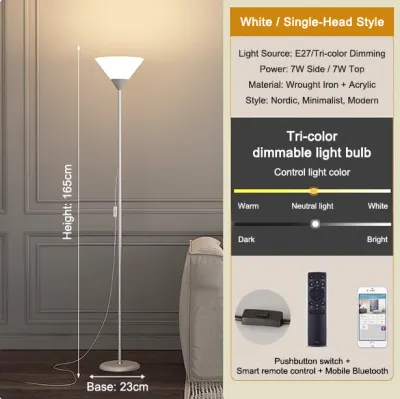
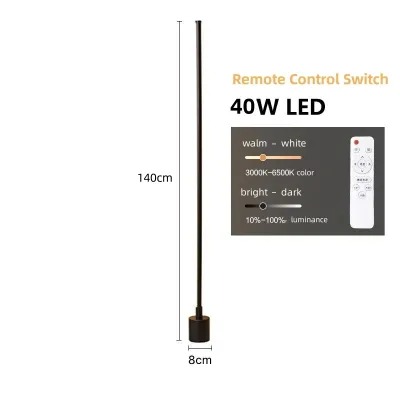
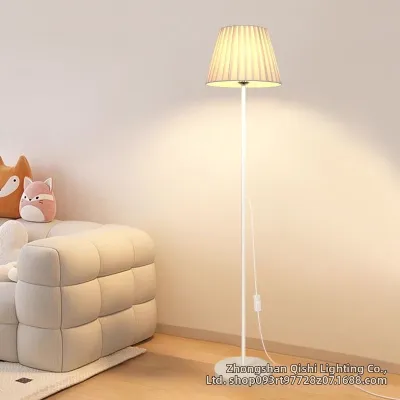
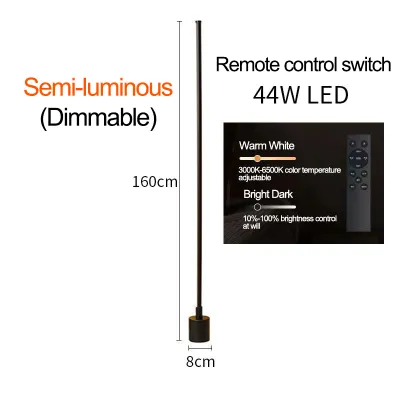
Prices are valid at publication and may change. Please refer to the product page for the latest price.
To ensure that text and illustrations appear sharp and true to life, check the packaging for the Color Rendering Index (CRI). A higher CRI rating indicates that the light source renders colors more accurately, which reduces the visual effort required to distinguish fine print or colorful graphics. Look for a CRI rating of 80 or above to maintain comfortable contrast during extended reading sessions.
Additionally, prioritize lamps that feature dimming capabilities or compatible dimmable sockets. A dimmable nordic lamp allows you to adjust the brightness level throughout the day, softening the light as natural daylight fades or boosting it when you need extra focus. Always verify whether the dimming function requires a specific type of dimmable LED bulb or if it is built directly into the lamp’s control switch.
Assessing Adjustability and Beam Direction
The physical structure of your floor lamp determines how effectively it directs light onto your book or tablet. Fixed-shade lamps project light in a static pattern, which may require you to shift your seating position to get adequate illumination. In contrast, models with adjustable cantilevered arms or pivoting heads allow you to position the light source exactly where you need it, keeping the page bright while keeping your eyes in the shade.

Pay close attention to the depth of the lamp shade and its inner finish when browsing options. A deep shade helps conceal the bulb from your direct line of sight when you are seated in your reading chair, preventing uncomfortable glare. Shades with a matte white or reflective silver inner lining help maximize light output by bouncing the illumination downward, rather than absorbing it within the fixture.
Because adjustable lamps often extend outward over your shoulder, base stability is a vital safety consideration. Check the manufacturer’s specifications for the base weight and overall footprint to ensure the unit will not tip over when the arm is fully extended. A heavy, solid metal or stone base provides the necessary counterweight to keep the fixture secure on both hard floors and woven mats.
Finally, compare the overall height of the lamp to the height of your reading chair’s armrests and your seated eye level. Ideally, the bottom edge of the shade should sit slightly below your eye level when you are seated. This positioning ensures the light shines directly onto your reading material without casting harsh shadows or shining directly into your eyes.
Matching Nordic Aesthetics to Your Reading Space
Nordic design is celebrated for its clean lines, functional simplicity, and use of natural elements. When selecting a nordic lamp, look for hallmark materials such as matte-finished metals, light-toned natural wood accents, and textured fabric shades. These materials add organic warmth to your reading corner, complementing the airy, ventilated layouts common in tropical living spaces.
While a dramatic, sweeping arc lamp might look striking in a large showroom, it is essential to balance minimalist silhouettes with the actual physical footprint of your reading nook. Measure your available floor space carefully before purchasing. A slender, straight-pole floor lamp with a compact circular base can easily tuck behind an armchair or fit into a tight corner without cluttering the room.
Opt for neutral or muted color palettes, such as matte white, soft gray, charcoal, or pale wood tones. These colors help reduce visual clutter in your living area, fostering a calm environment that encourages focus and relaxation. The minimalist design should seamlessly integrate with your existing furniture rather than competing for visual dominance.
Ensure that any decorative elements or structural joints do not obstruct the light path or cast distracting, uneven shadows across your book. Some decorative woven or slatted shades can create intricate patterns on the wall, which are beautiful for ambient lighting but can cause visual fatigue when projected directly onto printed text. Choose solid or downward-focused shades for your primary reading zone.
Verifying Electrical Compatibility and Safe Placement
Before finalizing your purchase, you must verify that the lamp’s electrical specifications match local standards. In the Philippines, the standard household voltage is 220V at 60Hz. Check the product label or online specifications to ensure the lamp and its included driver or bulb are rated for 220V operation, and verify that the plug type matches your wall outlets without requiring unstable adapters.
Safe cord routing is essential, especially in cozy or compact reading corners where space is limited. Position the lamp close to an existing outlet to avoid stretching the power cord across walkways, which creates a tripping hazard. If the cord must run along the floor, secure it with low-profile cord covers or route it safely behind furniture where it will not be stepped on or pinched.
Maintain proper clearance between the lamp bulb and any flammable materials in your reading nook. Even energy-efficient LED bulbs can generate heat over hours of continuous use, while traditional halogen or incandescent bulbs run extremely hot. Keep curtains, throw blankets, decorative pillows, and paper books at a safe distance from the shade and bulb housing to prevent heat buildup.
If your ideal reading corner lacks a nearby outlet, avoid relying on daisy-chained extension cords or overloaded adapters, which can pose electrical risks. Instead, consult a qualified electrician to install a dedicated, safe outlet near your seating area. Always isolate the power at your main circuit breaker before attempting any electrical adjustments or installing fixed light fixtures.
Frequently Asked Questions (FAQ)
Can a Nordic floor lamp provide enough light for reading without a separate table lamp?
Yes, a single floor lamp can provide sufficient light for reading if it is positioned correctly and offers adequate brightness. To achieve this, select a lamp with a high lumen output suitable for task lighting and place it close to your reading chair. Choosing a model with an adjustable head or arm allows you to direct the light beam precisely onto your page, compensating for the lack of a secondary, close-range table lamp.
Are fabric shades on Nordic lamps difficult to maintain in a reading corner?
Fabric shades are relatively easy to maintain if you follow the manufacturer’s care instructions regularly. Dust can accumulate quickly in humid environments, so gently vacuum the shade with a soft brush attachment or use a lint roller weekly. Always check the product label for specific fabric treatment guidelines before applying any water or liquid cleaning solutions, as moisture can stain or damage certain delicate textiles.

Community discussion
Share your experience or ask a question. Comments are reviewed before publication.