
Creating a comfortable reading corner at home requires a deliberate balance of physical comfort and visual clarity. While a plush armchair provides physical support, the quality of your lighting determines how long you can read without experiencing eye strain, headaches, or fatigue. The right floor lamp acts as a dedicated task light, delivering focused illumination directly onto your pages while blending seamlessly into your living space. To achieve an ergonomic setup, you must look beyond aesthetic appeal and evaluate specific technical features, physical adjustability, and safety standards.
Core Lighting Specifications to Reduce Eye Strain
To protect your eyes during extended reading sessions, you must first understand the difference between ambient room lighting and focused task lighting. Ambient light fills the entire room, whereas task lighting concentrates illumination on a specific area, such as your book or e-reader. When selecting a bulb or an integrated LED floor lamp, check the lumen rating on the packaging. For comfortable reading, a light source delivering between 450 and 800 lumens is generally recommended, as this provides sufficient brightness to render text clearly without overpowering the eyes.
Color temperature, measured in Kelvins (K), also plays a significant role in visual comfort and focus. A color temperature range of 2700K to 3000K produces a warm, soft white light that creates a relaxing atmosphere, making it suitable for casual evening reading. If you require sharper contrast for studying or reading fine print, a cool white light ranging from 3500K to 4000K can enhance focus and make text stand out. However, avoid excessively high color temperatures above 5000K, as these can introduce harsh blue light that may disrupt your sleep patterns when used late at night.
Products mentioned in this guide
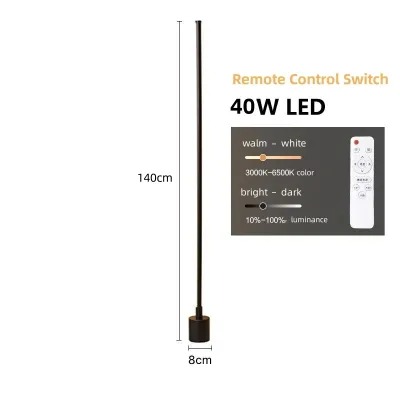
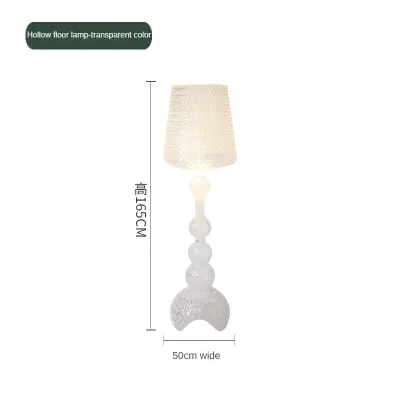
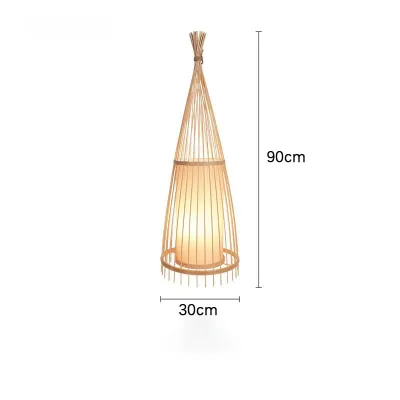
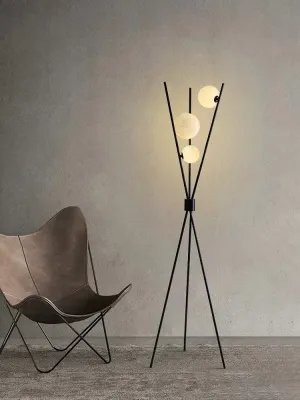
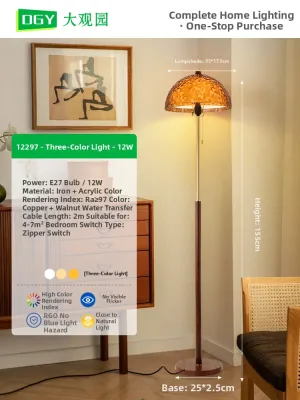
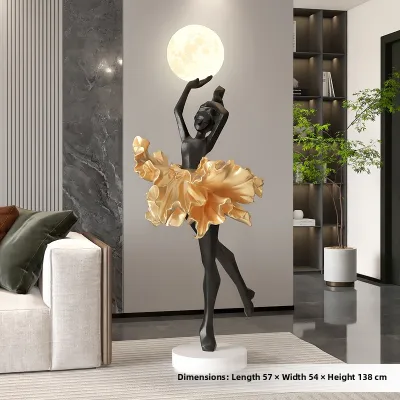
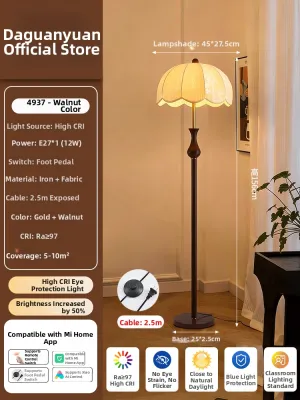
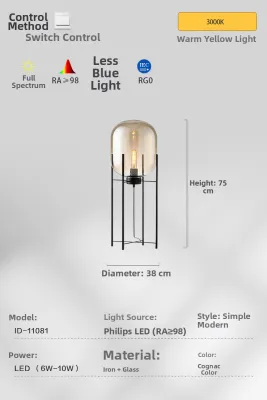
Prices are valid at publication and may change. Please refer to the product page for the latest price.
Another critical metric to verify is the Color Rendering Index (CRI), which measures how accurately a light source reveals the true colors of objects compared to natural sunlight. For reading text-heavy books, a CRI of 80 or higher is adequate, but if you frequently read illustrated volumes, art books, or magazines, look for a lamp with a CRI of 90 or above. High-CRI lighting reduces the cognitive effort required to process visual details, thereby minimizing eye strain over time.
Finally, pay close attention to light flicker, which refers to rapid, often invisible fluctuations in light output. Even when flicker is not consciously noticeable, it can cause eye strain, headaches, and fatigue during prolonged reading sessions. To ensure a stable light source, look for products explicitly labeled as “flicker-free” or check the manufacturer’s technical specifications for high-frequency solid-state drivers.
Adjustability and Ergonomic Placement
Physical adjustability is essential for positioning your light source precisely where you need it, preventing shadows from falling across your book. Look for floor lamps equipped with adjustable features such as goosenecks, counterbalanced swing arms, or rotating lamp heads. A flexible gooseneck allows for smooth, multi-directional bending, while a swing arm provides horizontal and vertical reach, letting you pull the light closer when reading and push it away when you are finished.

The ideal placement for a reading lamp is slightly behind and to the side of your shoulder, opposite the hand you use to turn pages or write. This positioning ensures that the light shines directly onto your reading material without casting a shadow from your head, shoulders, or hands. The bottom of the lampshade should ideally sit at eye level when you are seated in your reading chair, which is typically between 38 and 42 inches from the floor. This height prevents the bare bulb from shining directly into your eyes while keeping the page fully illuminated.
Direct glare occurs when light reflects off glossy pages or screens directly into your eyes, causing immediate discomfort. To prevent this, position the lamp head at an angle rather than pointing it straight down onto your lap. If you use an e-reader or tablet, adjust the lamp so the light source does not reflect off the screen, or choose a lamp with dimming capabilities to match the screen’s brightness.
Because adjustable lamps often require you to extend the arm outward, base stability is a critical safety consideration. A high-quality floor lamp must feature a heavy, weighted base to counterbalance the extended arm and prevent tipping. This is particularly important in active households or in tropical environments where open windows and ceiling fans generate consistent air currents that could destabilize a top-heavy fixture.
Shade Design and Light Diffusion
The physical design of the lampshade dictates how light is distributed throughout your reading corner. Opaque shades, typically made of metal, thick ceramic, or dense composite materials, direct all light downward and upward in a concentrated beam, creating a focused pool of task light. Translucent shades, made of fabric, paper, or frosted glass, allow light to escape through the sides, offering a softer, ambient glow that illuminates the surrounding area while still directing some light downward. For dedicated reading, an opaque or semi-opaque shade is generally preferred because it prevents stray light from scattering into your peripheral vision.
The interior lining of the shade also influences the quality of light. A white or silver interior lining maximizes light reflection, ensuring that the maximum amount of light is directed downward onto your book. Conversely, dark or unlined interiors absorb light, reducing the overall efficiency of the bulb and requiring a higher-wattage source to achieve the same level of brightness.
To soften the light and eliminate harsh shadows, look for lamps that incorporate diffusers or baffles. A diffuser is a translucent panel placed over the bottom of the shade that scatters the light evenly, eliminating hot spots and reducing glare on your pages. Baffles are physical louvers or grids that block the direct line of sight to the bulb, ensuring that you only see the soft, reflected light rather than the intense glare of the filament or LED chip.
Before purchasing, measure the shade’s dimensions to ensure it provides adequate coverage. A shade that is too small will cast a narrow, restrictive beam of light, forcing you to hold your book in a rigid position. A wider shade distributes light over a larger surface area, allowing you to shift positions comfortably in your chair without losing illumination.
Electrical Safety and Bulb Compatibility
When setting up your reading corner, verifying electrical safety and compatibility is paramount to prevent hazards. In the Philippines, the standard household voltage is 220V at 60Hz. Ensure that any floor lamp you purchase is rated for this voltage and carries recognized safety certifications, such as the Philippine Standard (PS) mark or the Import Commodity Clearance (ICC) sticker. These marks indicate that the product has undergone rigorous testing to meet local safety standards.
Always check the maximum wattage rating printed on the lamp’s socket before installing a bulb. Exceeding this limit can cause heat buildup, damaging the fixture’s wiring and posing a fire hazard. Using LED bulbs is highly recommended because they consume significantly less power and emit very little heat compared to traditional incandescent bulbs. In warm, humid tropical climates, minimizing heat emission from your reading lamp is essential for maintaining a comfortable, sweat-free environment during long reading sessions.
If you plan to use a dimmable floor lamp to adjust brightness levels throughout the day, ensure that both the lamp’s built-in switch and the bulb are fully compatible. Standard LED bulbs will flicker or fail to light up if paired with an incompatible dimmer switch; always look for bulbs explicitly labeled as “dimmable” and verify that they work with the specific dimming technology used by the lamp.
Finally, consider cord management to maintain a clean and safe reading space. Ensure the power cord is long enough to reach your wall outlet without being stretched taut across walkways, which creates a tripping hazard. Use cord clips or floor cord covers to secure the cable along the baseboards, keeping it protected from accidental damage and keeping your reading corner tidy.
Building Your Reading Lamp Shortlist
To find the right floor lamp for your home, start by creating a checklist of your specific physical requirements. Measure the height of your favorite reading chair, note where the nearest electrical outlet is located, and consider your typical reading hours. If you primarily read in the evening, prioritizing a lamp with a warm color temperature and a built-in dimmer will help you wind down. If you share the reading space with others, an adjustable swing-arm model will accommodate different seating heights and preferences.
Next, evaluate the physical footprint of the lamp’s base. If your reading corner is compact, a lamp with a flat, low-profile base can slide easily under the edge of your armchair or sofa, saving valuable floor space. Ensure that the base does not obstruct walkways or interfere with other furniture in the room.
While functional task lighting is your primary goal, the lamp should also complement your interior decor. Choose materials and finishes—such as matte black, brushed brass, or natural wood—that harmonize with your existing furniture. However, never sacrifice adjustability or light quality solely for aesthetic appeal; a beautiful lamp that causes eye strain will ultimately discourage you from reading.
Before making your final purchase, review the retailer’s return policy and warranty terms. Because lighting quality can look very different in your home compared to a showroom or an online listing, having the option to return or exchange the lamp ensures you can test the light in your actual reading environment. A solid warranty also provides peace of mind regarding the durability of the lamp’s electrical components and structural joints.
Frequently Asked Questions (FAQ)
Can I use a standard torchiere lamp for reading?
A standard torchiere lamp is designed to direct light upward toward the ceiling, creating a soft, indirect ambient glow throughout the room. While this is excellent for general illumination, it does not provide the focused, downward task lighting required for comfortable reading. Reading by indirect light alone can cause eye strain because the light is too diffused and lacks the intensity needed to render text clearly. If you prefer the ambient glow of a torchiere, look for hybrid models that feature an upward-facing bowl combined with an adjustable, downward-pointing reading arm on a separate switch.
How do I clean and maintain my floor lamp shade?
To maintain optimal light output, you must keep your floor lamp shade free of dust and debris, which can accumulate quickly in humid environments or rooms with ceiling fans. Always check the manufacturer’s care label before applying any cleaning method, as different materials require specific care. For fabric shades, use a lint roller or a soft-bristled brush to gently remove surface dust. For metal, glass, or plastic shades, turn off the lamp, unplug it, and wipe the surface with a dry or slightly damp microfiber cloth. Avoid using harsh chemical cleaners or abrasive pads, which can damage protective coatings, and always consult a professional cleaner for delicate or antique materials.

Community discussion
Share your experience or ask a question. Comments are reviewed before publication.