
Selecting the right recessed LED panel light—often searched for as a lamp led light—requires looking closely at technical specifications rather than just aesthetic appeal. Choosing a fixture based solely on its outer appearance can lead to poor illumination, installation failures, or electrical hazards. To find the most suitable match for your space, you must evaluate four core specifications: light output (lumens), color temperature (Kelvin), physical dimensions (including ceiling cut-out sizes), and electrical compatibility.
In the Philippines, where tropical humidity, concrete ceilings, and specific gypsum board installations are common, understanding these specifications is even more critical. A well-chosen LED panel ensures optimal energy efficiency, matches your existing ceiling structure, and withstands local environmental conditions safely.
Understanding Brightness: Lumens vs. Wattage
For decades, consumers relied on wattage to determine how bright a light bulb would be. With modern LED technology, wattage only measures the amount of electrical power the fixture consumes, not the actual light it emits. To understand the true brightness of a lamp led light, you must look at its lumen rating. Lumens indicate the total amount of visible light emitted by the source; the higher the lumens, the brighter the light.
Products mentioned in this guide
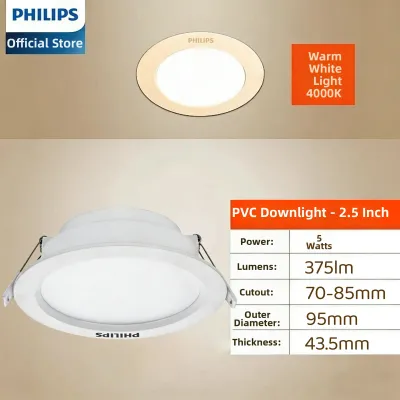
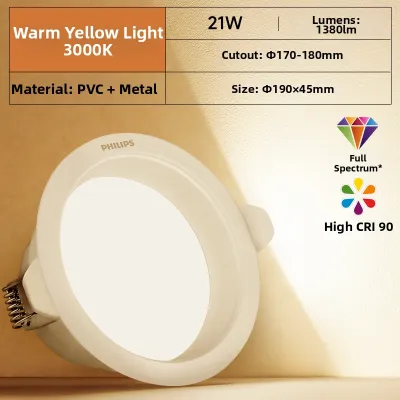
Prices are valid at publication and may change. Please refer to the product page for the latest price.
To evaluate how efficiently a panel converts electricity into light, check the luminous efficacy on the product label, which is measured in lumens per watt (lm/W). A higher lm/W ratio indicates a more energy-efficient fixture that will help lower your monthly electricity bills while maintaining excellent brightness.
Estimating the required lumens for a room depends on the room’s total area, ceiling height, and primary function. For general ambient lighting in a living room or bedroom, a lower lumen density is usually sufficient to create a relaxing environment. Conversely, task-oriented spaces like kitchens, home offices, or study areas require a higher lumen density to ensure clear visibility and reduce eye strain. Always check the manufacturer’s guidelines or consult a lighting layout plan to match the total lumen output to your specific room dimensions.
Choosing the Right Color Temperature
Color temperature describes the visual warmth or coolness of the light emitted by the LED panel, measured in Kelvin (K). This specification does not affect the physical heat of the lamp, but it significantly influences the mood, visual comfort, and functionality of a room. Selecting the right color temperature is a matter of personal preference and room utility rather than a universal standard.

Warm white light (typically ranging from 2700K to 3000K) produces a cozy, yellowish glow similar to traditional incandescent bulbs. This range is highly suited for bedrooms, living rooms, and dining areas where a relaxing, intimate atmosphere is desired. Cool white light (around 4000K to 4500K) offers a clean, neutral white balance that enhances focus, making it ideal for kitchens, bathrooms, and hallways. Daylight (ranging from 6000K to 6500K) mimics natural outdoor light with a slight blue undertone, providing high contrast and clarity for task-heavy environments like home offices, workshops, or laundry areas.
If you are designing a multi-purpose space and cannot decide on a single color, look for LED panels with tunable or selectable color temperature (CCT) technology. These fixtures feature a small physical toggle switch on the back of the panel or on the external driver, allowing you to select your preferred Kelvin setting during the installation process.
Panel Dimensions and Ceiling Cut-Out Sizes
One of the most common mistakes when purchasing recessed ceiling lights is confusing the overall outer dimensions of the panel with the required ceiling cut-out size. The outer dimension includes the visible decorative trim that sits flush against the ceiling surface. The cut-out size, however, is the exact diameter or width of the hole that must be cut into your gypsum, plaster, or wooden ceiling board for the fixture to fit inside.
Before purchasing, always measure your existing ceiling holes or consult your contractor’s ceiling plan. If the cut-out hole is too small, the panel will not fit; if it is too large, the outer trim will not cover the gap, leaving an unsightly space.
Additionally, you must verify the vertical clearance or ceiling depth. Recessed LED panels require sufficient empty space above the ceiling board to accommodate the depth of the light housing, the mounting spring clips, and the external LED driver. This is particularly important in low-clearance ceilings or drop ceilings. While standard grid-style panels are designed to drop directly into T-bar ceiling frames, residential gypsum ceilings require spring-loaded recessed panels that secure tightly to the drywall.
Electrical Compatibility and Safety Checks
Ensuring electrical compatibility is vital for both the performance of your lamp led light and the safety of your home. In the Philippines, the standard residential electrical system operates at 220V to 230V. When shopping for LED panels, always check the product label to verify that the input voltage range of the driver matches your local mains supply. Many high-quality LED drivers feature a wide-voltage range (such as 85V to 265V) which helps protect the light from local voltage fluctuations.
You must also verify the driver type and dimming compatibility. Standard LED panels come with non-dimmable drivers. If you plan to connect your lights to a wall dimmer switch, you must explicitly purchase a dimmable LED panel and ensure that your dimmer switch is compatible with the specific dimming method (such as TRIAC or 0-10V dimming) specified by the manufacturer.
For any fixed electrical wiring, working at heights, or installing fixtures in damp environments, safety must be your top priority. Always isolate the power at the main circuit breaker before attempting any installation or maintenance. Carefully follow the manufacturer’s provided installation instructions, and consult a qualified electrician to handle the wiring and ensure compliance with local electrical codes. Look for recognized safety certification marks on the product packaging to verify that the fixture has undergone rigorous quality and safety testing.
Frequently Asked Questions (FAQ)
Can I use standard recessed LED panels in bathrooms or damp areas?
Standard recessed LED panels are typically designed for dry indoor environments and carry an IP20 rating, which offers no protection against moisture. For bathrooms, covered outdoor patios, or laundry areas exposed to high tropical humidity, you must select panels with a higher Ingress Protection (IP) rating. Look for fixtures rated IP44 (splash-proof) or IP65 (water-resistant) to prevent moisture from penetrating the housing, which can cause electrical shorts, corrosion, or premature driver failure.
Do I need to replace the transformer when upgrading to LED panels?
Yes, you cannot use traditional magnetic or electronic transformers designed for older halogen or fluorescent fixtures with new LED panels. LEDs operate on low-voltage direct current (DC) and require specialized LED drivers to regulate the current and voltage safely. When upgrading, ensure your new LED panel includes its own compatible external or integrated driver. Connecting an LED panel directly to an old halogen transformer will damage the LED chips instantly.

Community discussion
Share your experience or ask a question. Comments are reviewed before publication.