
Quick Answer: Must-Check Specs for 220V Outdoor Corridor Lamps
Selecting the right 220v outdoor wall lamp for your home’s corridor requires balancing electrical safety, weather resistance, and functional illumination. Before making a purchase, you must verify that the fixture is rated for 220V-240V AC compatibility to match local power standards. Additionally, check the Ingress Protection (IP) rating to ensure it can withstand dust and moisture, evaluate the housing material for rust resistance in humid tropical climates, and confirm that the product carries recognized electrical safety certifications.
Verifying 220V Compatibility and Electrical Safety
Operating electrical fixtures outdoors requires strict adherence to local voltage standards to prevent short circuits, fire hazards, or premature product failure. In the Philippines, the standard residential electrical supply operates at 220V to 240V AC at a frequency of 60Hz. When browsing online marketplaces or local hardware stores, always locate the physical rating label on the lamp’s base, packaging, or technical datasheet to confirm it matches these exact specifications.

Avoid purchasing fixtures designed solely for 110V systems, as connecting them directly to a 220V line will destroy the internal circuitry and pose a severe safety risk. While some modern LED fixtures feature multi-voltage drivers (often labeled as 110V-240V), you must verify this range explicitly rather than assuming compatibility. Furthermore, look for recognized safety certification marks on the packaging, which indicate that the fixture has undergone rigorous testing for insulation quality, grounding reliability, and thermal safety under standard operating conditions.
Products mentioned in this guide
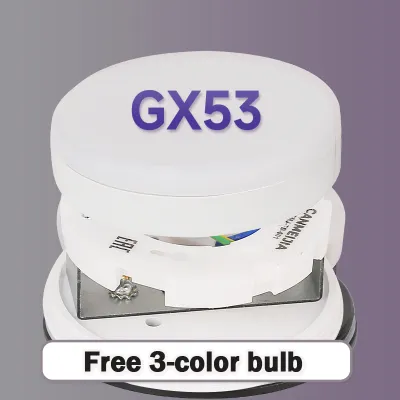
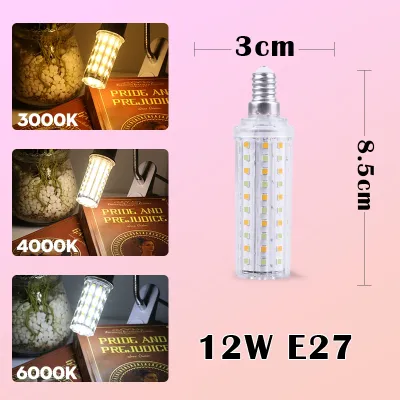
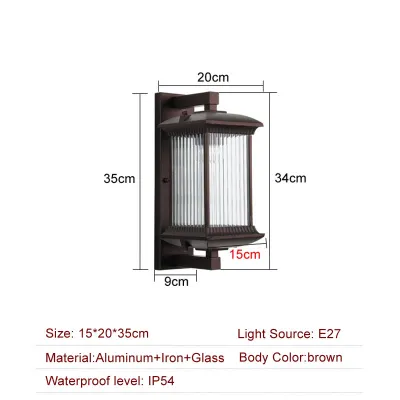
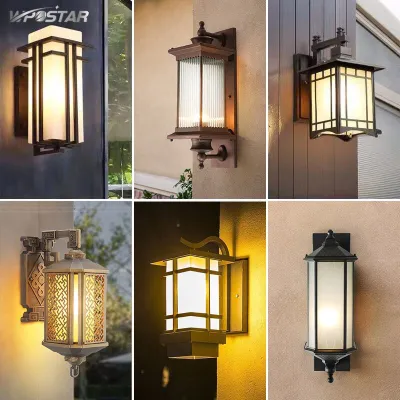
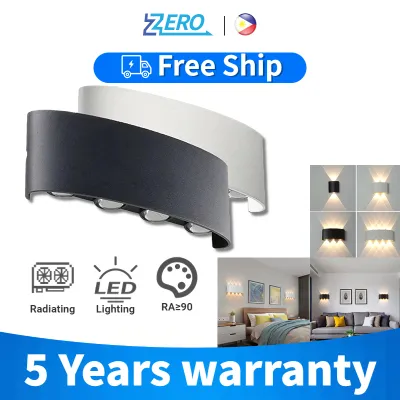
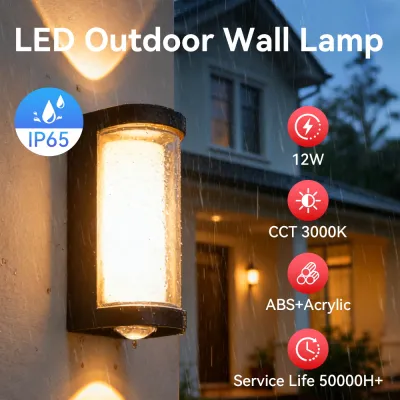
Prices are valid at publication and may change. Please refer to the product page for the latest price.
Decoding IP Ratings for Outdoor Weather Resistance
An Ingress Protection (IP) rating is a standardized scale that defines how effectively an electrical enclosure seals out solid objects and liquids. This rating consists of two digits: the first digit (ranging from 0 to 6) indicates protection against solid particles like dust and insects, while the second digit (ranging from 0 to 9) measures resistance to water penetration. Understanding this rating helps you select a fixture tailored to the specific exposure level of your corridor.
For covered walkways or recessed corridors that receive minimal direct rain, a minimum rating of IP44 is generally sufficient to protect against splashing water and common outdoor pests. However, if your corridor is fully exposed to the elements and subjected to heavy tropical downpours or wind-driven rain, you should opt for a higher rating, such as IP65 or IP66. Always consult the manufacturer’s official specification sheet to verify these ratings, as generic marketing terms like “waterproof” or “water-resistant” lack standardized technical definitions.
Evaluating Materials for Rust and Corrosion Resistance
The high humidity and salty air characteristic of tropical environments can rapidly degrade low-quality metal fixtures, leading to unsightly rust stains and structural failure. When evaluating a 220v outdoor wall lamp, prioritize housing materials engineered to withstand corrosive conditions. Die-cast aluminum with a high-quality powder-coated finish is a popular choice, offering excellent heat dissipation and reliable resistance to oxidation.
For coastal areas where salt spray is a constant factor, marine-grade stainless steel or heavy-duty polycarbonate housings are highly recommended. Polycarbonate and ABS plastics are completely immune to rust, though you must verify that they feature UV-stabilized coatings to prevent the material from becoming brittle, cracking, or yellowing under intense sunlight. Regularly inspecting the fixture’s exterior and cleaning away accumulated dirt or salt residue will help extend the lifespan of any material you choose.
Matching Brightness and Wattage to Corridor Dimensions
Achieving the right balance of light output ensures safe navigation along your corridor without creating uncomfortable glare or wasting energy. Instead of relying solely on wattage, which only measures power consumption, evaluate the fixture’s lumen output to determine its actual brightness. For a standard residential walkway, a light output of 400 to 800 lumens per fixture is typically adequate to illuminate the path clearly.
The physical dimensions and color scheme of your corridor also influence your choice. Narrow walkways with light-colored walls reflect light efficiently, meaning you can use lower-lumen bulbs to achieve comfortable visibility. Conversely, wider corridors or those with dark, textured masonry walls absorb more light and may require higher output. Additionally, consider the beam angle and shade design; down-facing or fully shielded fixtures direct light precisely where it is needed, preventing harsh light spill from entering your windows or neighboring properties.
Installation Prerequisites and Professional Safety Boundaries
Proper installation is critical to maintaining the weather sealing and electrical safety of your outdoor lighting system. Before beginning any installation or maintenance work, always turn off the main circuit breaker servicing the corridor’s lighting circuit. Never rely solely on the wall switch to isolate the power, as live current may still be present at the fixture box.
While replacing an existing, identical wall lamp on pre-installed wiring can often be completed as a straightforward DIY task, more complex scenarios require the expertise of a licensed electrician. You should hire a professional if you need to run new fixed wiring, install a new junction box, upgrade your switching system, or mount heavy fixtures onto solid concrete or brick masonry. Always consult the manufacturer’s installation manual to verify specific weight limits, grounding requirements, and the correct application of silicone sealants around the mounting plate to prevent water from seeping behind the fixture.
Frequently Asked Questions (FAQ)
Can I use an indoor wall sconce in a covered outdoor corridor?
No, you should not use indoor-rated wall sconces in any outdoor or semi-outdoor setting, even if the corridor is fully covered. Indoor fixtures lack the specialized rubber gaskets, silicone seals, and corrosion-resistant hardware required to block moisture and humidity. Over time, ambient humidity and temperature fluctuations will cause condensation to build up inside an indoor fixture, leading to short circuits, rapid rust, and potential electrical shock hazards.
Do I need a special dimmer switch for outdoor LED wall lamps?
Yes, if you plan to adjust the brightness of your corridor lighting, you must verify that both the 220V LED lamp and the dimmer switch are explicitly designed to work together. Standard dimmers intended for traditional incandescent bulbs often cause LED fixtures to flicker, buzz, or fail prematurely due to incompatible voltage control methods. Always check the manufacturer’s specification sheet to confirm if the fixture is dimmable and to identify the recommended dimmer models or technologies.

Community discussion
Share your experience or ask a question. Comments are reviewed before publication.