
When upgrading or installing ceiling lighting, choosing the right LED pin lights requires more than just matching the aesthetic design. The physical dimensions, optical output, and electrical requirements must align with your existing ceiling structure and room needs. In the Philippines, where tropical humidity and varied ceiling constructions are common, selecting the right recessed lighting requires careful planning. Pin lights, often referred to locally as recessed downlights, must be chosen based on precise technical specifications rather than aesthetic appeal alone. A mismatch can lead to loose fixtures, visible gaps, electrical hazards, or inadequate brightness.
Physical Fit and Ceiling Clearance
Before purchasing any pin light, you must measure the physical dimensions of your ceiling cavity. The most critical measurement is the cut-out size, which is the diameter of the hole required in the ceiling board. This is entirely different from the outer bezel diameter, which is the wider decorative trim that sits flush against the ceiling surface to cover the rough edges of the hole. If you buy a fixture based solely on the outer diameter, the housing may not fit into the existing hole, or it might fall straight through.
Equally important is the housing depth of the pin light. You must measure the vertical clearance behind your ceiling board, taking into account the presence of wooden or metal joists, air conditioning ductwork, and electrical conduits. In many homes, especially those with low concrete slabs or dropped gypsum ceilings, the vertical space is highly restricted. Choosing a slim-profile integrated LED panel or a shallow-can pin light prevents structural interference during installation.
Products mentioned in this guide
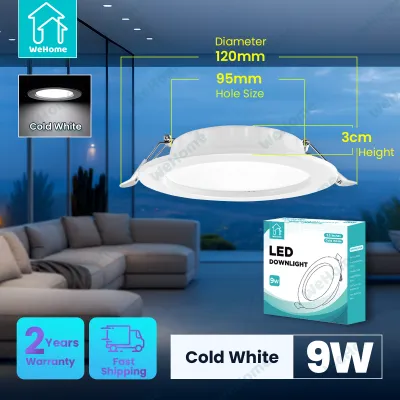
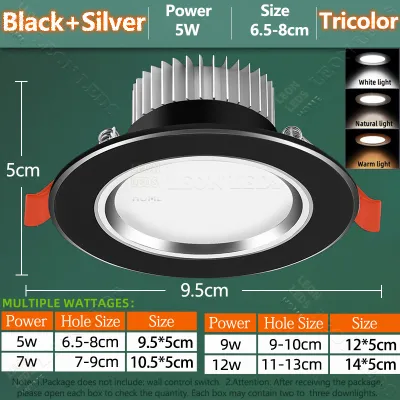
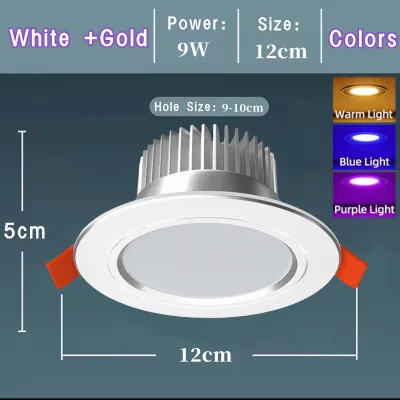
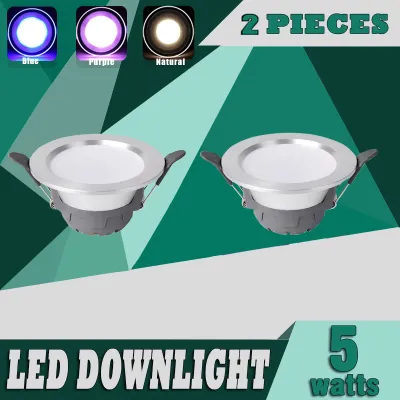
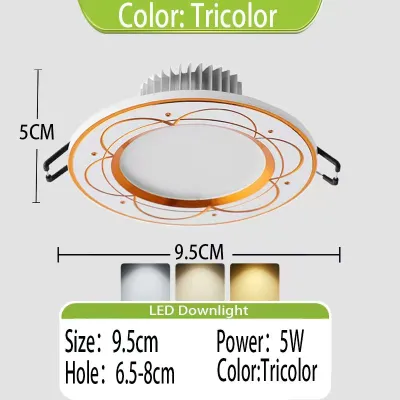
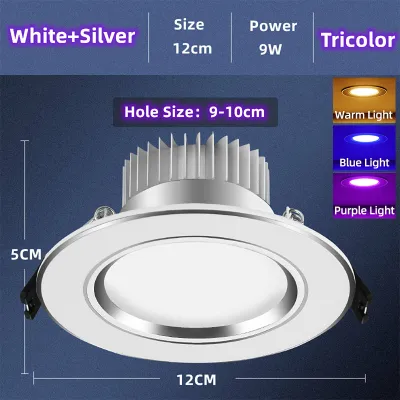
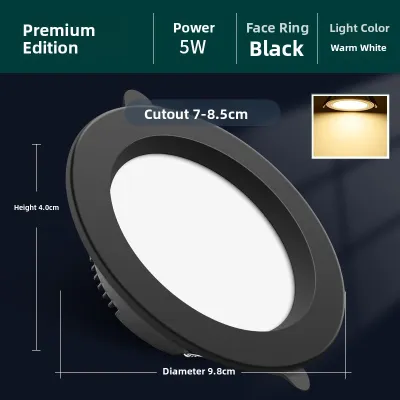
Prices are valid at publication and may change. Please refer to the product page for the latest price.
You also need to determine whether you are buying an integrated LED fixture or a replaceable bulb system. Replaceable bulb fixtures often use standard pin bases like GU10 or MR16, which plug directly into matching sockets. Integrated LED pin lights, on the other hand, have built-in light sources and dedicated external drivers. While integrated units often offer a slimmer profile, they require replacing the entire fixture if the light source eventually fails.
Light Output and Beam Control
Evaluating light output based on wattage is an outdated practice that can lead to poorly lit spaces. Wattage only measures how much electrical power a fixture consumes, whereas lumens indicate the actual amount of visible light emitted. Because LED technology is highly efficient, a low-wattage LED pin light can produce the same brightness as a high-wattage halogen bulb. Always compare the lumen rating on the product packaging to ensure the light meets your brightness requirements.

Color temperature, measured in Kelvin (K), significantly influences the mood and functionality of a room. Warm white light (typically 2700K to 3000K) creates a cozy, relaxing atmosphere suitable for living rooms and bedrooms. Cool white or daylight tones (5000K to 6500K) provide crisp, high-contrast illumination that enhances focus in kitchens, home offices, and bathrooms. Neutral white (around 4000K) offers a balanced, natural light that works well in transitional spaces like hallways.
The beam angle of the pin light determines how the light is distributed across the room. A narrow beam angle (15 to 36 degrees) concentrates the light into a tight spotlight, making it ideal for accenting artwork, architectural features, or specific task areas. A wide beam angle (60 degrees or higher) disperses light over a broader area, which is essential for general ambient lighting to avoid harsh shadows and dark spots on the floor.
Electrical Compatibility and Safety Boundaries
Electrical specifications must be verified to prevent premature fixture failure or safety hazards. Standard household voltage in the Philippines is 220V AC at 60Hz. Many LED pin lights are designed to run directly on this mains voltage, but some low-voltage options (such as 12V systems) require a compatible step-down transformer or LED driver. Connecting a low-voltage fixture directly to mains power will instantly destroy the unit and pose a fire risk.
If you plan to dim your lights, you must verify that both the LED pin light and its driver are explicitly labeled as dimmable. Standard LED drivers do not support dimming and will flicker or buzz if connected to a dimmer switch. Furthermore, you must match the driver type with your wall dimmer, as some systems require trailing-edge dimmers while others are compatible with leading-edge switches.
Moisture resistance is another critical factor, especially for pin lights installed in bathrooms, kitchens, or outdoor eaves. Check the Ingress Protection (IP) rating on the product label. Fixtures in dry living areas can use standard IP20-rated housings, but damp zones require at least an IP44 rating to protect against water splashes and high humidity. Additionally, check the manufacturer’s instructions regarding clearances from ceiling insulation to prevent heat buildup.
For any installation involving fixed wiring, cutting new holes in the ceiling, or working at heights, safety must be your top priority. Always isolate the power at the main circuit breaker before handling any electrical components. If you are unsure about wiring configurations, load calculations, or structural ceiling modifications, consult a licensed electrician to perform the installation safely and in compliance with local electrical codes. This prevents costly mistakes that could waste ₱500 or more per fixture on incompatible units.
Pre-Purchase Spec Checklist
Before heading to the hardware store or ordering from an online marketplace, use this checklist to verify that your chosen LED pin lights match your ceiling and room requirements:
- Cut-Out Diameter: Measure the existing ceiling hole or plan the new cut-out size precisely.
- Ceiling Depth Clearance: Ensure there is enough vertical space behind the ceiling board, including a safety gap for heat dissipation.
- Base Type or Driver: Confirm whether you need a GU10/MR16 bulb or an integrated fixture with an external driver.
- Lumen Output: Select the brightness level based on the room's purpose rather than relying on wattage.
- Color Temperature: Choose warm white (2700K-3000K), neutral white (4000K), or daylight (5000K-6500K).
- Beam Angle: Decide between a narrow beam for accent lighting or a wide beam for general illumination.
- IP Rating: Verify moisture protection (e.g., IP44 or higher) for bathrooms and outdoor areas.
- Dimmer Compatibility: Check if the fixture is dimmable and matches your existing dimmer switch type.
Always cross-reference the physical product packaging and the manufacturer’s official specification sheets to confirm these details before finalizing your purchase.
Frequently Asked Questions (FAQ)
Can I replace halogen pin lights with LED without changing the transformer?
Replacing older low-voltage halogen pin lights with energy-efficient LEDs is a common upgrade, but it often requires replacing the existing transformer. Older magnetic or electronic transformers designed for halogens usually have a high minimum wattage load (such as 20W or 50W) to operate correctly. Because a single LED pin light may only draw 5W to 9W, the total load may fall below this threshold, causing the lights to flicker, buzz, or fail to turn on. To avoid these issues, it is highly recommended to install a dedicated LED-compatible driver.
Do LED pin lights get hot enough to damage the ceiling?
While LED pin lights are significantly cooler than traditional halogen bulbs, they still generate heat at the back of the diode. This heat is managed by a built-in heat sink, which draws warmth away from the light source and dissipates it into the ceiling cavity. If this heat cannot escape due to tight spaces or contact with ceiling insulation, the fixture can overheat, reducing its lifespan or creating a safety hazard. Always maintain the manufacturer-specified clearance distances from combustible materials and verify if the fixture is rated for direct contact with insulation.

Community discussion
Share your experience or ask a question. Comments are reviewed before publication.