
A comfortable reading corner is a sanctuary for the mind, offering a quiet escape from the hustle of daily life. While a plush armchair or a soft cushion provides physical comfort, the quality of your reading experience depends heavily on your lighting. A poorly lit space forces your eyes to work harder, leading to fatigue, headaches, and a quick end to your reading session. Choosing the right stand light lamp is not just about matching your living room decor; it requires a careful look at technical specifications and physical designs that protect your vision. By focusing on targeted illumination, you can transform any quiet nook into an inviting, eye-friendly retreat.
Matching Brightness and Color Temperature to Your Reading Needs
To choose the right brightness, look closely at the lumen rating on the bulb packaging rather than the wattage. Lumens measure the actual amount of light emitted, whereas wattage only indicates how much electricity the bulb consumes. For comfortable reading, a task light should deliver between 450 and 800 lumens. This range provides enough illumination to make text stand out clearly without creating a blinding glare on white pages. If you frequently read highly detailed texts or have older eyes, aiming for the higher end of this range is beneficial.
Color temperature, measured in Kelvin (K), dictates the warmth or coolness of the light. Warm white light (2700K to 3000K) creates a cozy, relaxing atmosphere that is perfect for winding down before bed. However, for active reading or studying, a neutral white light (3500K to 4000K) is often preferred because it mimics natural daylight and enhances contrast. Avoid cool blue light (5000K and above) in the evening, as it can interfere with your natural sleep cycle by suppressing melatonin production.
Products mentioned in this guide
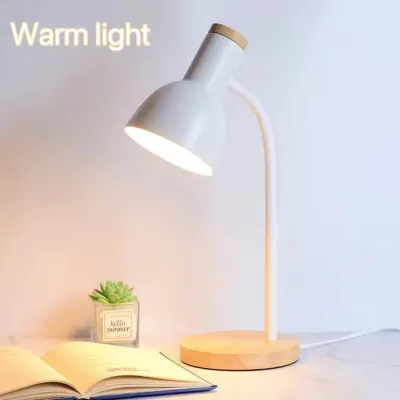
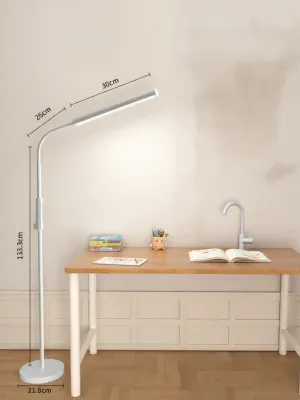
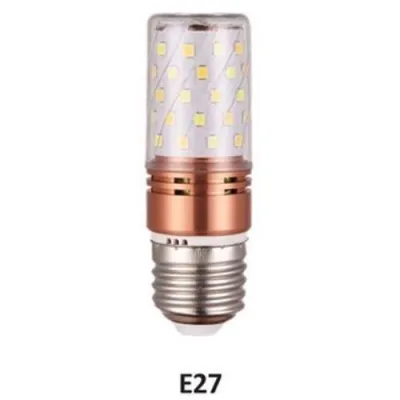
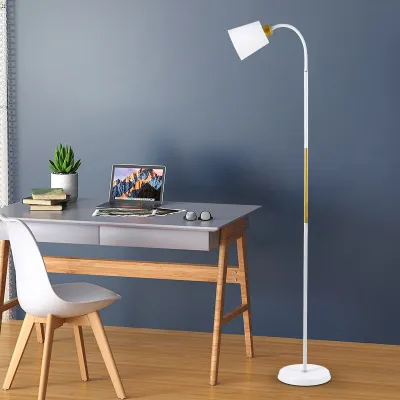
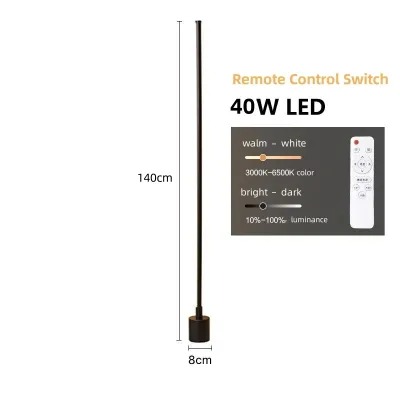
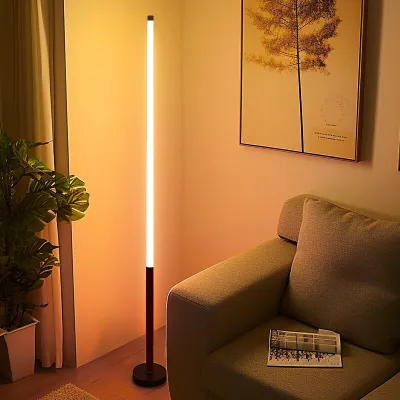
Prices are valid at publication and may change. Please refer to the product page for the latest price.
Another critical factor is the contrast between your reading light and the rest of the room. Reading with a single, intense spotlight in an otherwise pitch-black room forces your pupils to constantly adjust when you look away from the page, leading to rapid eye fatigue. To prevent this, ensure your reading corner has soft, low-level ambient lighting to complement your focused stand light lamp. This balance keeps your eyes relaxed during long reading sessions.
Adjustability and Shade Design for Glare Control
An adjustable lamp allows you to direct light precisely onto your book, tablet, or craft project. Gooseneck lamps feature a flexible, rubberized or metal neck that bends smoothly in any direction, making them highly versatile for quick adjustments. Articulating arms use metal joints and tension springs to let you pull the light closer or push it away, which is ideal if you change your seating posture often. Rotating heads allow you to tilt the light source slightly away from your face, ensuring the beam hits the page without reflecting directly into your eyes.

The design of the lamp shade plays a massive role in controlling glare. Opaque shades made of metal, thick plastic, or dense wood direct the light in a concentrated, downward beam, which is perfect for focused task lighting. Semi-opaque shades, such as those made of thin fabric or frosted glass, allow some light to filter out horizontally, softening the overall look of the room but potentially reducing the intensity on your page. For the best reading experience, look for a shade with a matte white or silver interior coating, which helps diffuse the light evenly and eliminates harsh hotspots.
Proper positioning of the shade is essential to protect your eyes from direct glare. When you are seated in your favorite reading chair, the bottom edge of the lamp shade should be at your eye level or slightly below it. This simple alignment ensures that the bright, bare bulb remains hidden from your direct line of sight. If you can see the exposed bulb while reading, the constant glare will quickly cause discomfort and eye strain.
Sizing, Base Stability, and Switch Placement
Finding the right lamp height is crucial for both comfort and safety. A reading lamp should ideally stand between 110 and 140 centimeters tall, depending on the height of your armchair or sofa. If the lamp is too tall, the light will spread too widely and may shine directly into your eyes. If it is too short, you will find yourself slouching or adjusting your posture awkwardly to get enough light on your book.
Base stability is a vital safety consideration, especially in active households. In tropical climates where open windows and high-speed ceiling fans are common, a lightweight lamp can easily wobble or tip over. Look for a stand light lamp with a heavy, wide base made of cast iron, steel, or solid stone. A low center of gravity ensures the lamp remains securely upright even if it is accidentally bumped by children, pets, or a sudden gust of wind.
Switch placement determines how convenient the lamp is to use on a daily basis. Foot switches, which sit on the power cord on the floor, are highly convenient if the cord is easily accessible, but they can be difficult to reach if tucked behind a heavy sofa. Pole-mounted rotary switches, pull chains, or touch-sensitive bases are often much easier to operate from a seated position. Choose a switch style that allows you to turn the light on and off without having to stand up or strain your back.
Evaluating Bulb Compatibility and Smart Features
Before purchasing any stand light lamp, always verify its electrical specifications to ensure safety and compatibility. Check the manufacturer’s label inside the lamp socket for the maximum wattage limit (such as Max 40W or Max 60W). Exceeding this limit can cause severe heat buildup, which can damage the fixture’s wiring, melt plastic shades, or even pose a fire hazard. This is particularly important in warm, humid environments where heat dissipates more slowly. Additionally, ensure the power cord and plug are kept away from damp areas, especially if your reading corner is near an open window during heavy tropical downpours.
If you want the flexibility to adjust your light levels throughout the day, look for a dimmable lamp. Keep in mind that dimming requires compatibility between both the fixture and the bulb. If you install a standard LED bulb into a dimmable lamp, or a dimmable bulb into a non-dimmable fixture, you may experience annoying flickering, buzzing, or premature bulb failure. Always check the packaging of both items to ensure they are explicitly rated for dimming.
Smart features can greatly enhance your reading experience. Smart bulbs allow you to adjust both brightness and color temperature using a smartphone app, remote control, or voice commands. Some smart lamps also feature a memory function, which automatically restores your last-used brightness and color settings when you turn the lamp back on. This saves you from having to manually recalibrate your light every time you sit down to read.
Frequently Asked Questions (FAQ)
Can I use a standard floor lamp for reading, or do I need a dedicated task lamp?
Standard floor lamps, such as torchieres, are designed to provide ambient light by directing illumination upward toward the ceiling or outward to fill a room. While they create a pleasant atmosphere, they do not offer the focused, downward light needed for reading. A dedicated task lamp features a directional shade and an adjustable arm that concentrates light directly onto your reading material, minimizing shadows and preventing eye strain.
How far should the stand light lamp be placed from my reading chair?
Position your lamp approximately 50 to 90 centimeters away from your shoulder, slightly behind or to the side of your chair. To avoid casting shadows on your book, place the lamp on the opposite side of your dominant hand. For example, if you are right-handed and turn pages with your right hand, position the lamp on your left side. Test the distance by sitting down and ensuring the light pool covers your book evenly without the bulb shining into your eyes.
Are LED bulbs better for reading than incandescent or halogen bulbs?
Yes, LED bulbs are highly recommended for reading corners because they produce very little heat, keeping your reading space comfortable even during warm tropical nights. They are also highly energy-efficient and come in a wide variety of color temperatures. When shopping for an LED bulb, look for a high Color Rendering Index (CRI) of 90 or above, which ensures that text is crisp and colors appear natural and accurate.

Community discussion
Share your experience or ask a question. Comments are reviewed before publication.