
Creating a dedicated reading corner is one of the most rewarding ways to enhance your home’s comfort and personal well-being. Whether you are diving into a gripping novel, catching up on professional journals, or reviewing documents on a tablet, the quality of your light directly influences how long and how comfortably you can read. A standard ceiling fixture rarely provides the focused, glare-free illumination required for close-up tasks, often casting distracting shadows across your pages. This is where a dedicated standing light lamp becomes an indispensable addition to your space, bridging the gap between general room ambiance and targeted task lighting.
To design a reading nook that supports eye health and relaxation, you must look beyond mere aesthetics. While a lamp’s visual style should complement your interior decor, its technical specifications, physical adjustability, and structural stability are what ultimately determine its daily utility. Selecting the right fixture involves understanding how light behaves in your specific environment, how easily you can direct the beam, and how safely the unit integrates into your household. By focusing on these core functional features, you can transform any quiet corner into an inviting, ergonomically sound sanctuary optimized for hours of reading.
Core Lighting Specs: Brightness and Color Temperature
When evaluating a standing light lamp for reading, the technical specifications of the light source itself are your primary consideration. Historically, consumers relied on wattage as a shorthand for brightness, but with the widespread adoption of energy-efficient LED technology, this metric is no longer accurate. Today, brightness is measured in lumens, which quantify the actual amount of visible light emitted by a source. For dedicated reading tasks, a light output of approximately 400 to 800 lumens is generally recommended to provide sufficient contrast without causing glare. When browsing product packaging or online listings, look closely at the lumen rating rather than just the wattage. If you are retrofitting an older lamp with a new LED bulb, always check the fixture’s maximum wattage limit—usually printed on a label near the socket—to ensure your new bulb does not exceed the safe operating threshold of the internal wiring.
Products mentioned in this guide
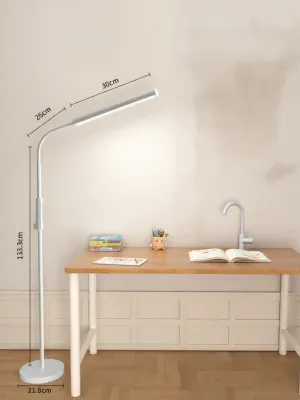
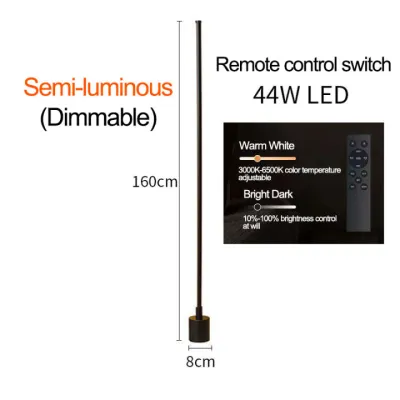
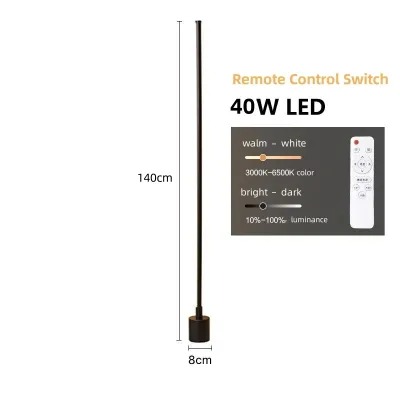
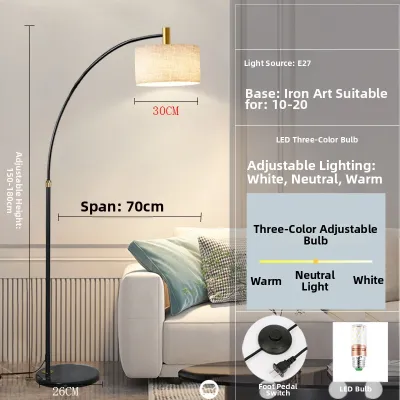
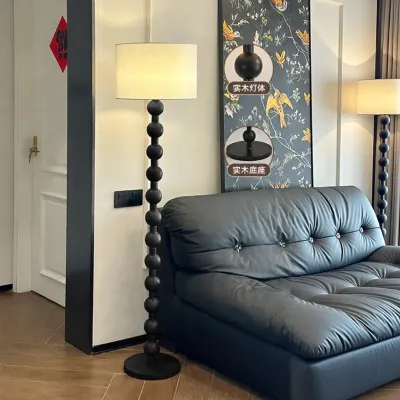
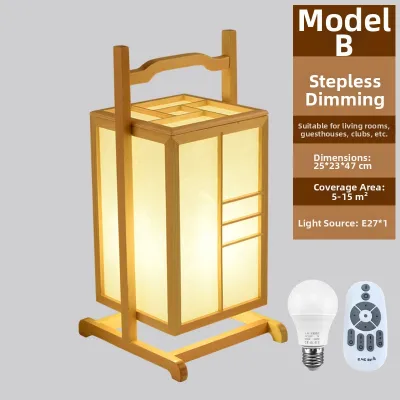
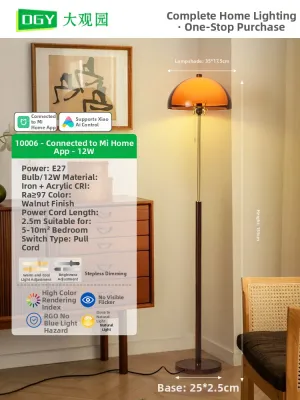
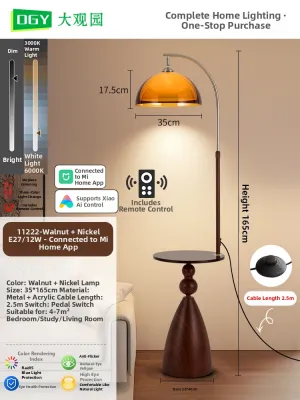
Prices are valid at publication and may change. Please refer to the product page for the latest price.
Color temperature, measured on the Kelvin (K) scale, is another critical factor that influences eye comfort and mental alertness. Light sources generally fall into three categories: warm white, neutral white, and cool white. Warm white light, typically ranging from 2700K to 3000K, emits a soft, yellowish glow that mimics traditional incandescent bulbs. This temperature is highly conducive to relaxation and is ideal for evening reading, as it does not interfere with your body’s natural sleep preparation. Neutral white light, hovering around 4000K, provides a clean, balanced illumination that closely resembles natural daylight. This range is excellent for daytime reading or detailed tasks, as it enhances contrast and makes text highly legible without the harshness of higher temperatures. Cool white light, which exceeds 5000K, offers a bright, bluish-white light that maximizes contrast but can feel clinical and cause eye fatigue during prolonged evening sessions. Because color temperature preference is highly subjective and depends on your reading schedule, choosing a lamp that allows you to swap bulbs or adjust settings is key to long-term satisfaction.
To achieve a high level of comfort, consider how your standing light lamp will interact with the changing ambient light in your room. A lamp equipped with a built-in dimmer switch offers immense flexibility, allowing you to dial back the brightness during the dark night hours or boost it when afternoon shadows begin to stretch across your reading chair. If you prefer a smart home setup, verify the lamp’s compatibility with smart bulbs before purchasing. Many traditional lamps with integrated rotary or step-dimmer switches are incompatible with smart bulbs, as the dimming circuitry can cause the smart bulb to flicker, buzz, or fail prematurely. For a seamless smart lighting experience, look for a lamp with a simple, mechanical on/off switch that allows the smart bulb to receive a constant, uninterrupted flow of electricity, leaving the dimming and color adjustments to be handled via your smartphone or voice assistant.
Adjustability and Beam Control for Eye Comfort
The physical design of a standing light lamp dictates how effectively you can control the direction and spread of light. A fixed-shade lamp, while often elegant, casts a broad, static pool of light that may not align perfectly with your seating position. This can force you to sit in awkward postures to keep your book illuminated, leading to neck and back strain over time. In contrast, lamps featuring adjustable arms or articulated joints allow you to physically maneuver the light source closer to your reading material. Swing-arm designs are particularly useful for shared spaces, as you can easily pull the light over your shoulder when reading and push it back against the wall when the chair is not in use.

For maximum precision, a gooseneck standing light lamp offers excellent flexibility. Constructed from a flexible metal hose, a gooseneck can be bent, twisted, and angled in virtually any direction, allowing you to pinpoint the light exactly where you need it. This level of control is highly beneficial for minimizing glare on glossy book pages or digital screens. When adjusting your lamp, the goal is to direct the light downward onto your reading material while keeping the bulb itself completely hidden from your direct line of sight. This prevents direct glare, which is one of the leading causes of headaches and eye strain during extended reading sessions.
The material and interior finish of the lamp shade also play a pivotal role in beam control. Shades made of opaque materials, such as metal or thick plastic, concentrate the light into a focused, directional beam, making them excellent for dedicated task lighting. To maximize this effect, look for shades with a white or silver interior lining, which highly reflects the light downward. Conversely, translucent fabric or glass shades allow light to escape through the sides, creating a softer, more ambient glow throughout the room. While fabric shades can add warmth to your decor, they may require a higher-lumen bulb to achieve the same reading clarity as a focused metal shade. Additionally, always check the height specifications of the lamp. Ideally, the bottom of the shade should sit at or slightly below your eye level when you are seated in your reading chair, ensuring the light source remains shielded from your eyes while fully illuminating your lap.
Base Stability, Footprint, and Space Considerations
A standing light lamp must be physically stable to ensure safety and functionality in your daily life. Because these lamps are tall and often top-heavy—especially those with adjustable arms or heavy glass shades—they require a substantial, well-engineered base to prevent tipping. When evaluating potential lamps, pay close attention to the weight and diameter of the base. A high-quality lamp will feature a heavy base made of solid materials such as cast iron, marble, or weighted steel. This is particularly important in active households where pets, children, or even vacuum cleaners might accidentally bump into the fixture. A lightweight or poorly balanced base can easily tip over, risking damage to the lamp, your furniture, or causing personal injury.
In addition to stability, you must consider the physical footprint of the lamp in relation to your available floor space. Reading corners are often tucked into tight spaces, such as the gap between a sofa and a wall, or a small corner next to a bookshelf. Measure the designated area carefully before purchasing to ensure the lamp’s base can sit flat on the floor without wobbling on carpet edges or overlapping with furniture legs. In tropical environments where floor-standing fans or air purifiers are frequently used to maintain air circulation, ensure the lamp’s placement does not block the airflow or crowd the room’s layout.
Cord management is another critical aspect of space planning that directly impacts safety. A standing light lamp requires a reliable path to the nearest electrical outlet. Check the manufacturer’s specifications for the cord length to ensure it can reach the outlet without being stretched taut across walkways, which creates an immediate tripping hazard. If the cord must run along the floor, use low-profile cord covers or secure it neatly along the baseboards. Balancing the aesthetic appeal of a sleek, minimalist lamp with the practical necessity of a heavy, stable base and safe cord routing ensures that your reading corner remains both beautiful and hazard-free.
Building Your Reading Lamp Shortlist: A Buyer's Checklist
Selecting the right standing light lamp requires a systematic approach to match your personal habits with the right product features. To help streamline your decision-making process, use this structured checklist to evaluate your options before making a purchase:
- Assess Your Reading Habits: Do you primarily read physical books, tablets, or e-readers? Physical books benefit from a focused, high-contrast task light, while digital screens require a softer, glare-free light source to prevent screen reflection.
- Determine Your Primary Reading Time: If you read mostly at night, prioritize lamps with warm color temperatures (2700K to 3000K) or adjustable Kelvin settings to protect your sleep cycle. For daytime reading, a neutral white light (4000K) is highly effective.
- Measure Your Seating: Note the height of your reading chair's armrests and your eye level when seated. Ensure the lamp's height or adjustability range allows the shade to sit at a comfortable level that blocks direct bulb glare.
- Check the Socket Type: Opt for standard, widely available socket types like E27. This ensures you can easily find replacement bulbs in local stores and gives you the freedom to choose between standard LEDs, dimmable bulbs, or smart lighting options.
- Verify Safety Certifications: Look for official safety marks on the product packaging or manufacturer listings. In the Philippines, electrical products should carry recognized certification marks indicating they have undergone rigorous safety testing for fire and electrical hazards.
- Evaluate the Warranty: A reliable manufacturer should offer a clear warranty on electrical components. Check the terms to understand what is covered, especially if you are investing in a premium fixture or a model with integrated LEDs.
One of the most important decisions you will face is choosing between an integrated LED lamp and a traditional socket lamp. Integrated LED models feature built-in light-emitting diodes that are permanently fixed inside the lamp head. These lamps often boast incredibly sleek, ultra-thin designs that are impossible to replicate with traditional bulbs, and they are highly energy-efficient. However, because the light source is built-in, once the LEDs reach the end of their lifespan, the entire lamp must typically be discarded. Traditional socket lamps, on the other hand, allow you to easily unscrew and replace the bulb whenever it burns out. This design offers superior long-term maintenance, as you can easily upgrade to newer bulb technologies, change your color temperature preferences, or replace a faulty bulb without having to buy a completely new lamp fixture.
Electrical Safety and Placement Guidelines
Proper electrical safety is paramount when setting up any lighting fixture in your home. In the Philippines, the standard electrical grid operates at 220V to 240V with a frequency of 60Hz. When shopping for a standing light lamp, particularly from international online marketplaces, you must verify that the lamp’s electrical specifications are fully compatible with this local standard. Operating a lamp designed strictly for 110V on a 220V system without a step-down transformer will cause immediate and permanent damage to the fixture, posing a severe risk of short circuits, sparks, or fire. Additionally, ensure the plug type matches your home’s wall outlets, which typically accept flat two-prong (Type A) or three-prong (Type B) plugs. Avoid using loose-fitting adapters, as they can create poor electrical contact and generate dangerous heat.
Once you have verified compatibility, focus on the safe placement and routing of the power cord. Never run the lamp’s cord under heavy furniture, rugs, or carpets. Trapping a cord under a rug prevents heat from dissipating and can cause the protective insulation to wear down over time due to foot traffic, creating a hidden fire hazard. Keep the cord clear of high-traffic pathways where family members or guests might trip over it, which could pull the heavy lamp down onto someone. In tropical climates where humidity levels can be high, ensure the lamp is placed away from open windows where rain might blow in, and never position it near indoor humidifiers or damp walls.
Finally, recognize the boundaries of safe DIY installation. If your ideal reading corner is located far from an existing wall outlet, do not rely on a network of extension cords or multi-plug adapters as a permanent solution. Overloading a single outlet with multiple high-draw appliances and lighting fixtures can overheat your home’s electrical wiring. Instead, consult a qualified professional electrician to install a dedicated, safe wall outlet near your reading nook. A professional can also assist with installing wall-mounted switches or ensuring your home’s circuit breakers are properly rated for your lighting needs, giving you peace of mind as you enjoy your comfortable new reading space.
Frequently Asked Questions (FAQ)
Can I use a smart bulb in any standing light lamp?
You can use a smart bulb in most standing light lamps, provided the lamp features a standard screw-in socket (such as E27) and the physical dimensions of the smart bulb fit comfortably inside the shade. However, you must check the lamp’s switch mechanism before installing one. If the lamp has a built-in dimmer switch, a standard smart bulb will not function correctly; the dimming circuitry reduces the voltage, which causes smart bulbs to flicker, lose connection, or suffer internal damage. For a smart bulb to work safely and effectively, the lamp must have a simple on/off switch that delivers a constant, full-voltage electrical current, allowing you to manage dimming and color changes entirely through your smart home application.
How far should the lamp be placed from my reading chair?
For optimal comfort and ergonomics, place your standing light lamp approximately 50 to 80 centimeters away from your reading chair, positioned slightly behind and to one side of your shoulder. This placement allows the light beam to fall directly onto your book or tablet without casting shadows from your head, hands, or body. It also ensures that the bulb itself remains outside your peripheral vision, which significantly reduces glare and eye strain. Additionally, keeping the lamp within this range ensures that the physical power switch or pull chain remains easily accessible from your seated position, allowing you to adjust the lighting without having to stand up.

Community discussion
Share your experience or ask a question. Comments are reviewed before publication.