
When choosing a lamp shade for study, there is no single “best” material; the right choice depends entirely on your specific tasks, bulb type, and sensitivity to glare. Fabric shades generally provide softer, diffused light that reduces harsh shadows and eye strain during long reading sessions. Metal shades offer highly directional, concentrated beams ideal for detailed, high-contrast work like drafting or technical drawing. Ultimately, the most comfortable light quality comes from matching the shade’s optical properties to your study routine and verifying critical safety and compatibility specifications on the product label.
How Shade Materials Change Your Desk Lighting
The material of your lamp shade acts as the primary modifier of the light emitted by your bulb. When a bulb is switched on, it radiates light in all directions. The shade’s job is to intercept, redirect, or filter these light rays to make them usable for reading, writing, or typing. Understanding how fabric and metal interact with light waves helps you avoid common pitfalls like eye fatigue, headaches, and poor workspace visibility.
Light diffusion and reflection are the two primary optical behaviors at play. Translucent materials, such as linen or cotton, allow a portion of the light to pass directly through their fibers. This process, known as diffusion, scatters the light rays in multiple directions, softening the transition between light and shadow on your desk. In contrast, opaque materials like steel or aluminum block light entirely, reflecting it out of the open ends of the shade to create a concentrated, high-intensity beam with sharp, defined shadow edges.
Products mentioned in this guide
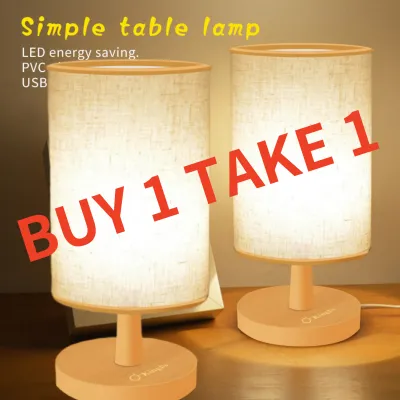
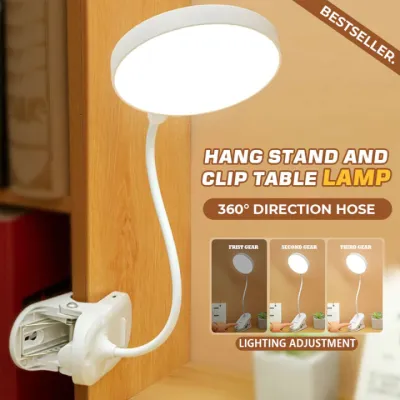
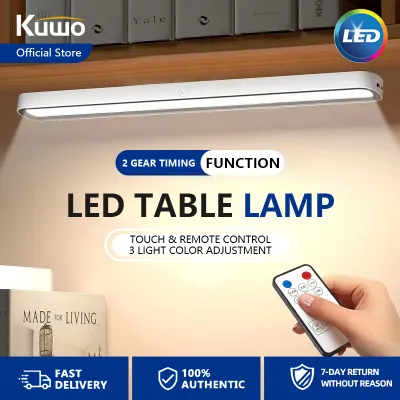
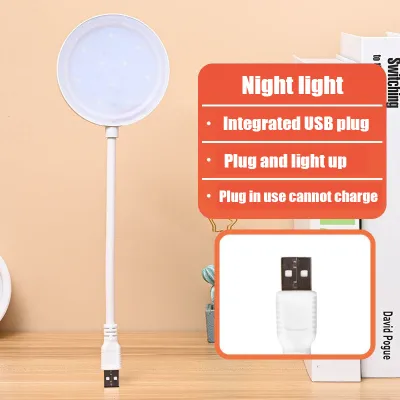
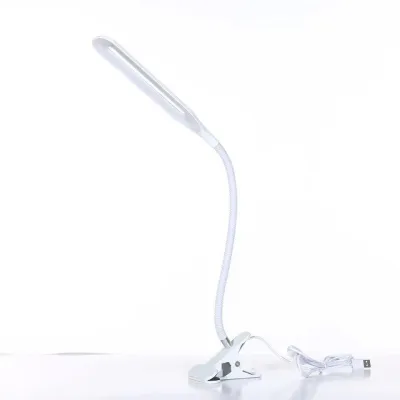
Prices are valid at publication and may change. Please refer to the product page for the latest price.
Glare management is another critical factor influenced by material texture. Direct glare occurs when your eyes see the exposed bulb, while indirect or bounce glare happens when light reflects off a shiny surface, such as a glossy textbook page or a tablet screen. Fabric shades naturally mitigate glare by scattering light through their textured weave, reducing the intensity of the light source. Metal shades, however, require careful interior engineering. A highly polished metal interior can create intense, concentrated reflections that cause immediate eye strain, whereas a matte or satin-finished interior helps disperse the beam more evenly.
Heat dissipation is a final, often overlooked, physical property that varies greatly between these materials. Metal is an excellent thermal conductor, meaning it absorbs and radiates heat from the bulb, making the shade itself hot to the touch. Fabric does not conduct heat as quickly, but it can trap warm air inside the shade structure. In warm, tropical climates where ambient temperatures and humidity are already elevated, managing this heat is essential. Poor heat dissipation can shorten the lifespan of LED bulbs and degrade the sensitive electronics inside smart bulbs, making proper ventilation a key safety consideration.
Fabric Lamp Shades: Best for Soft, Diffused Reading Light
Fabric lamp shades are the traditional choice for creating a comfortable, low-glare environment. Because fabric is translucent, it allows light to glow through the sides of the shade, illuminating the surrounding room while casting a soft pool of light downward onto your desk. This ambient glow reduces the contrast between your workspace and the rest of the room, which is a proven way to minimize eye strain during long, late-night study sessions.

The primary light quality characteristic of a fabric shade is its ability to eliminate harsh shadows. When you write with a pen or turn the pages of a book under a fabric shade, the shadows cast by your hand and the book binding are soft and blurry. This uniform illumination makes it easier for your eyes to focus without constantly adjusting to extreme differences in brightness. It is particularly beneficial for those who read physical paper books, as the matte texture of the paper pairs perfectly with the diffused light.
However, fabric shades come with distinct trade-offs. Because fabric absorbs and scatters light, a significant portion of the bulb’s lumen output is lost as it passes through the material. Additionally, in humid environments, fabric fibers can act as a magnet for airborne dust and moisture, requiring regular maintenance to prevent staining. When shopping, always verify the specifications on the product label. Pay close attention to the color of the inner lining; a white or silver lining will maximize light reflection downward onto your desk while still allowing the sides to glow. Finally, check the maximum wattage rating printed on the socket label to prevent scorching or fire hazards.
Metal Lamp Shades: Best for Focused, High-Contrast Tasks
Metal lamp shades are designed for precision. Because metal is completely opaque, it prevents any light from escaping through the sides of the shade. This forces all of the bulb’s light output through the bottom opening, creating a highly directional, concentrated beam of light. If your study routine involves detailed, high-contrast tasks, a metal shade is often the most efficient tool for the job.
This directional light quality is ideal for activities that require intense focus on a small area, such as technical drafting, sketching, sewing, or working with intricate physical components. By concentrating the light exactly where you need it, a metal shade allows you to see fine details with extreme clarity. It also keeps the rest of the room relatively dark, which can help you focus by eliminating visual distractions in your peripheral vision.
The trade-off for this intense focus is the creation of harsh, high-contrast shadows. The boundary between the illuminated pool of light and the surrounding darkness is sharp, which can force your pupils to dilate and constrict repeatedly as your eyes move across your desk. Furthermore, if the inner surface of the metal shade is glossy or polished, it can project a harsh reflection onto your work surface. This bounce glare is particularly problematic when studying on laptops, tablets, or glossy textbooks. To mitigate these issues, look for metal shades that feature a matte white or satin-finished inner coating, and prioritize models with adjustable joints or a flexible gooseneck to angle the beam away from your eyes.
Key Specifications to Check Beyond the Material
While choosing between fabric and metal is an important first step, the overall performance and safety of your study lamp depend on several technical specifications. Before making a purchase, it is essential to look beyond the aesthetic appeal of the shade and verify how the fixture interacts with your bulb and workspace.
First, verify the wattage ratings and physical bulb clearance. Every lamp fixture has a maximum wattage limit printed on its socket or safety label. Exceeding this limit is a serious safety hazard, as it can cause fabric shades to scorch or metal shades to become hot enough to cause burns. Ensure there is at least a two-inch gap between the bulb and the inner surface of the shade. This clearance allows air to circulate, dissipating heat and extending the life of both the bulb and the lamp fixture itself.
Second, consider the shade’s physical dimensions and resulting beam angle. The shape of the shade—whether it is a drum, cone, dome, or cylinder—dictates how wide the light will spread across your desk. A wide cone or drum shade distributes light over a larger surface area, making it suitable for large desks where you need to spread out books and notebooks. A narrow cylinder or dome shade concentrates the light into a tight spotlight, which is excellent for small desks or targeted tasks.
Third, prioritize adjustability and positioning features. A high-quality study lamp should allow you to control the height and angle of the light source. This is especially critical for metal shades, where a fixed position can easily result in light shining directly into your eyes or reflecting harshly off your screen. Look for lamps with counterbalanced arms, swivel joints, or flexible goosenecks that let you position the shade below eye level, keeping the bulb completely hidden from your direct line of sight.
Finally, always check for local electrical safety certifications. In the Philippines, electrical appliances should carry the Philippine Standard (PS) mark or the Import Commodity Clearance (ICC) sticker. These certifications verify that the lamp’s wiring, switch, and socket have undergone rigorous testing to ensure they can handle continuous electrical loads safely, reducing the risk of short circuits or electrical fires in your home.
How to Decide: Fabric or Metal for Your Study Setup
To finalize your decision, evaluate your daily study habits, your workspace layout, and your personal comfort preferences. There is no universal winner; the best shade is the one that aligns with how you work.
Choose a fabric shade if:
- You spend hours reading physical textbooks, novels, or printed documents, where soft, uniform light is essential to prevent eye strain.
- You share a study room or bedroom with others, as the diffused light provides a gentle ambient glow that won't disturb someone sleeping or working nearby.
- You prefer a warm, cozy, and inviting study environment that feels less clinical and more relaxed.
- Your desk is positioned in a well-lit room where you only need a gentle supplement to the existing ambient light.
Choose a metal shade if:
- Your work involves high-precision tasks like drafting, technical drawing, crafting, or reading very fine print that requires maximum contrast and brightness.
- You study primarily on a laptop or tablet in a dimly lit room and want to focus a tight beam of light strictly on your notepad without spilling light onto your screen.
- You have a dedicated, modern study space where you want a sleek, industrial aesthetic and highly directional light control.
- You want a durable, long-lasting shade that is easy to wipe clean and will not degrade or stain in high-humidity environments.
Before making your final choice, verify your physical constraints. If you plan to use a high-heat bulb, ensure your chosen shade has adequate ventilation. If your desk space is limited, a compact metal lamp with an adjustable arm may fit your layout better than a bulky fabric drum shade. By matching these practical considerations to your study habits, you can create a highly productive, comfortable, and safe learning environment.
Frequently Asked Questions (FAQ)
Can I use a smart bulb with any fabric or metal shade?
Yes, but you must verify the manufacturer’s heat limits first. Smart bulbs contain sensitive electronic components, including wireless receivers and controllers, which are highly susceptible to heat damage. Metal shades can trap heat inside the housing, raising the ambient temperature around the bulb’s base. Fabric shades can also restrict airflow if they are too small or narrow. Always ensure there is sufficient clearance around the bulb for air circulation, and avoid using smart bulbs in completely enclosed metal fixtures to prevent premature component failure.
How do I clean a fabric lamp shade without damaging it?
To clean a fabric lamp shade safely, start by unplugging the lamp and removing the shade from the fixture. Use a soft-bristle vacuum attachment or a clean lint roller to gently remove loose dust and pet hair from the exterior and interior surfaces. For deeper cleaning, check the manufacturer’s care label first. If the fabric is glued to a plastic backing, avoid submerging it in water, as this can dissolve the adhesive. Instead, use a slightly damp microfiber cloth to spot-clean any smudges, and allow the shade to dry completely before reattaching it to the lamp.

Community discussion
Share your experience or ask a question. Comments are reviewed before publication.