
Selecting the ideal lighting for a low-ceiling condominium in the Philippines requires balancing aesthetic elegance with strict spatial limitations. High-rise living in metropolitan areas often features concrete slab ceilings that limit vertical clearance, making traditional hanging chandeliers or low-hanging pendant lights impractical. Fortunately, modern fancy leds in flush mount configurations offer a sophisticated solution, delivering high-end design elements like geometric acrylics, premium metallic finishes, and crystal-like diffusers without sacrificing precious headroom.
To find the perfect fixture, you must navigate a specific decision matrix that goes beyond simple aesthetics. This involves taking precise physical measurements of your space, verifying electrical compatibility with the local grid, and selecting materials that can withstand tropical conditions. By focusing on low-profile designs that utilize premium materials and smart light-diffusing techniques, you can elevate your condo’s interior design while maintaining a safe, comfortable, and well-lit living environment.
Measuring Your Condo's Ceiling and Clearance Constraints
Before evaluating any decorative lighting options, you must accurately assess the physical limitations of your condominium’s ceiling. Standard residential units often have finished ceiling heights of 2.4 meters or lower, which significantly restricts the allowable depth of any overhead fixture. To begin, use a reliable tape measure or a laser distance meter to find the exact distance from the finished floor to the lowest point of the ceiling.
Products mentioned in this guide
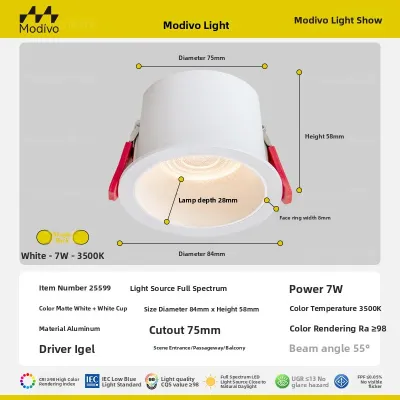
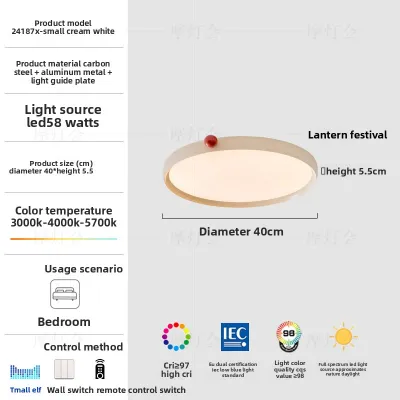
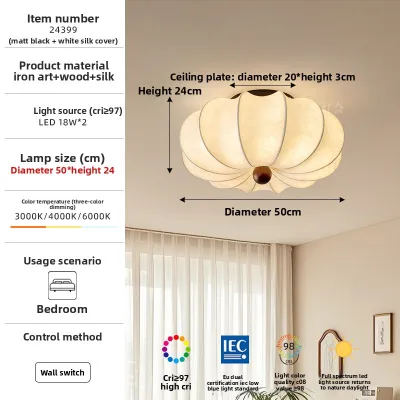
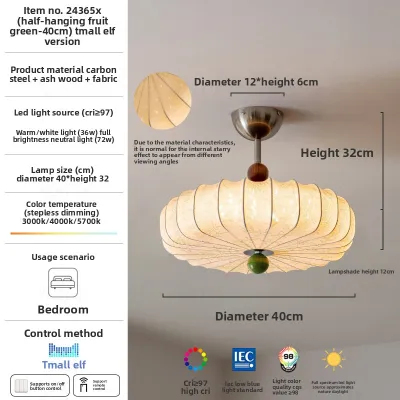
Prices are valid at publication and may change. Please refer to the product page for the latest price.
Next, identify any structural or utility obstacles that protrude from the ceiling surface. In many Philippine condos, concrete beams, fire sprinkler heads, utility access panels, and air conditioning vents are common features that dictate where a light fixture can safely sit. A flush mount light must never block the spray path of a fire sprinkler or interfere with the airflow of an HVAC vent.
Once you have the base ceiling height, calculate your functional clearance by accounting for daily activities and furniture placement. A safe rule of thumb is to maintain a minimum clearance of 2.1 meters from the bottom of the light fixture to the floor to prevent tall household members or guests from accidentally contacting the unit. You must also factor in the height of tall furniture, such as wardrobes or bunk beds, and ensure that swinging cabinet doors or entry doors will not strike the fixture.
Finally, establish a strict stop condition based on safety and thermal performance. If your calculated clearance is too tight, or if a fixture’s physical depth reduces the space below the manufacturer’s minimum safety threshold for heat dissipation, you must reject that specific model. Installing a fixture too close to a high-traffic path or a heat-sensitive surface compromises both physical safety and the operational lifespan of the light.
Technical Specifications to Check Before Buying
When shopping for fancy leds, you must carefully verify that the technical specifications on the product label match your condo’s physical and electrical environment. Do not rely solely on product photos, which can often make fixtures appear smaller or larger than they are in reality.

Profile and Dimensions
Always check the manufacturer’s stated maximum drop length and canopy depth. For low-ceiling condos, look for ultra-slim profiles that measure between 5 and 10 centimeters in total depth. The canopy—the portion of the fixture that mounts directly to the ceiling—must be deep enough to house the LED driver comfortably without pinching the electrical wiring against the concrete slab.
Lumen Output and Wattage
Condo rooms are often compact, meaning you need to balance sufficient brightness with energy efficiency and heat management. Evaluate the lumen output rather than just the wattage to determine actual brightness. Because flush mount fixtures are enclosed, the heat generated by the LED diodes can build up quickly; ensure the fixture’s wattage rating is appropriate for the enclosure size and that the housing features adequate thermal management to prevent premature driver failure.
Color Temperature (CCT)
Select a Correlated Color Temperature (CCT) that aligns with the room’s primary function and your personal design preferences. Warm white (2700K to 3000K) is highly suitable for creating a cozy, relaxing ambiance in bedrooms and living areas, while neutral white (4000K) offers a clean, natural light ideal for kitchens and workspaces. Cool white (5000K to 6500K) provides high visibility but should be used selectively to avoid a clinical feel.
Voltage and Certification
The electrical grid in the Philippines standardizes at 220V to 240V at 60Hz. You must verify that any imported or locally purchased fixture is rated for this specific voltage range to avoid immediate electrical failure, flickering, or fire hazards. Look for recognized safety certification marks on the packaging, such as the Philippine Standard (PS) mark, the Import Commodity Clearance (ICC) sticker, or international equivalents like CE, UL, or RoHS.
Fancy Design Styles That Maximize Headroom
Achieving a high-end, luxurious look in a low-ceiling condo does not require a hanging chandelier. By choosing fixtures that utilize premium materials, clever light-refracting shapes, and high-quality diffusers, you can create a stunning visual focal point that sits tight against the ceiling.
Crystal and Geometric Acrylic Designs
Faceted acrylic and low-profile crystal arrangements offer an excellent way to add a touch of luxury to your condo without the physical drop of a traditional pendant. These designs use light-refracting materials to bounce light across the ceiling, creating a sparkling, sophisticated ambiance that makes the room feel larger and more open.
When selecting these styles, you must verify the physical weight of the fixture against your ceiling’s mounting capacity. Genuine crystal elements add significant weight, which requires a highly robust, securely anchored junction box. Additionally, inspect the design to ensure that the LED diodes are fully concealed behind the refractive elements; exposed diodes can create harsh, uncomfortable glare when reflected off shiny surfaces.
Premium Metal and Wood-Accent Profiles
For modern, minimalist, or industrial condo interiors, fixtures featuring brushed metals, matte black finishes, or realistic wood-grain accents provide a clean and sophisticated aesthetic. These materials add texture and warmth to the ceiling plane, serving as a subtle design statement during the day and a beautiful light source at night.
In the tropical climate of the Philippines, high humidity levels—especially during the monsoon season or in coastal developments—can cause low-quality metals to rust or corrode quickly. Ensure that any metallic components are treated with durable, rust-resistant coatings, such as powder coating or anodization. You should also evaluate the precision of the metalwork and the quality of the diffuser lens to ensure the light is softened evenly across the room.
Fabric Drum and Frosted Glass Diffusers
Fabric drum and frosted glass flush mounts are classic choices that provide a soft, uniform glow, making them excellent for multi-use condo spaces where harsh shadows are undesirable. The diffuser completely hides the internal LED hardware, presenting a clean, seamless look that mimics custom architectural lighting.
However, maintenance is a key consideration for these materials in a tropical environment. Fabric shades can easily accumulate dust and trap airborne moisture, which may lead to staining or mold growth over time if not regularly cleaned. Frosted glass is much easier to wipe down and maintain, though it is heavier and requires careful handling during installation. Always check the manufacturer’s instructions to see if the fixture uses integrated LED modules or standard replaceable LED bulbs.
Electrical Compatibility and Installation Boundaries
Installing a new ceiling fixture involves working directly with your condo’s electrical system and structural ceiling. To ensure a safe and successful installation, you must understand the limits of your existing setup and recognize when it is necessary to call in a professional.
Junction Box Verification Before mounting any decorative fixture, turn off the power at the main circuit breaker and inspect the existing ceiling junction box. In many Philippine condominiums, the junction box is cast directly into the concrete ceiling slab. You must verify that this box is structurally sound, free of rust, and securely anchored to support the weight of your new light, especially if you have chosen a heavier glass or metal design.
Heat Dissipation LEDs are highly efficient, but they still generate heat at the junction of the diode and the driver. Because concrete ceilings act as thermal masses and do not allow heat to escape into an attic cavity, your flush mount fixture must have an effective thermal design. Ensure the fixture has a metal backing plate or dedicated heat sinks that allow heat to dissipate outward into the room rather than trapping it against the ceiling slab.
Professional Boundaries While replacing a basic light fixture on an existing, compatible junction box can often be a straightforward task, certain scenarios require professional expertise. If your condo requires running new electrical wiring, relocating the junction box to a different part of the room, or drilling new mounting holes into structural concrete beams without pre-existing anchors, you must stop immediately. In these cases, consult a licensed electrician to perform the work safely and in compliance with the Philippine Electrical Code.
Frequently Asked Questions (FAQ)
Can I install a dimmer switch with any fancy LED flush mount?
No, you cannot use a dimmer switch with just any LED fixture. To enable dimming, the fixture must feature a specifically designed dimmable LED driver, which will be clearly indicated on the product packaging or specification sheet. Attempting to dim a non-dimmable LED fixture can result in severe flickering, buzzing, reduced lifespan, or immediate failure of the driver. Furthermore, even if the fixture is labeled as dimmable, you must pair it with a compatible LED-rated dimmer switch (such as a trailing-edge dimmer) rather than a traditional rotary dimmer designed for older incandescent bulbs.
How do I clean intricate or crystal flush mount fixtures safely?
To clean your decorative flush mount safely, always start by turning off the power at both the wall switch and the main circuit breaker, then allow the fixture to cool completely. Use a dry, lint-free microfiber cloth to gently wipe away loose dust from the surface of the fixture. For glass, crystal, or acrylic elements, you can lightly dampen the microfiber cloth with a mild, manufacturer-approved glass cleaner; never spray any cleaning liquid directly onto the fixture, as moisture can seep into the electrical housing and damage the LED driver. Avoid using harsh chemical solvents, abrasive pads, or alcohol-based cleaners on metallic finishes, as these can strip away protective anti-corrosion coatings.

Community discussion
Share your experience or ask a question. Comments are reviewed before publication.