
Selecting the best Capiz lanterns from Pampanga for your home decoration requires evaluating the quality of the natural shells, the durability of the structural frame, and the safety of the electrical components. Because these iconic fixtures are handcrafted in the heritage workshops of Pampanga, choosing the right one involves matching the lantern’s design—whether a traditional radial star or a sleek, modern geometric cylinder—to your specific room dimensions, ceiling height, and interior aesthetic. By focusing on material integrity and proper installation, you can secure a beautiful, warm-glowing statement piece that elevates your living space for years to come.
The province of Pampanga, particularly the city of San Fernando, has long been celebrated as the heart of lantern-making craftsmanship in the Philippines. Local artisans have spent generations perfecting the art of transforming the raw, translucent shells of the windowpane oyster (Placuna placenta) into breathtaking lighting fixtures. When shopping for these lanterns, understanding the distinction between mass-produced alternatives and authentic, hand-assembled Pampanga pieces ensures you invest in a product that offers both aesthetic beauty and structural longevity.
Key Factors When Selecting a Capiz Lantern
Assessing shell quality is the first and most critical step when evaluating a Capiz lantern. High-quality shells should exhibit a uniform, pearlescent translucency that allows light to pass through evenly without creating harsh hot spots. Hold the lantern up to a light source to inspect the individual panels; look for a consistent thickness across the shells and ensure there are no deep, structural cracks or severe chips. While minor natural variations in color and texture are normal and add to the unique character of handmade items, deep fractures can compromise the integrity of the panel over time.
Products mentioned in this guide
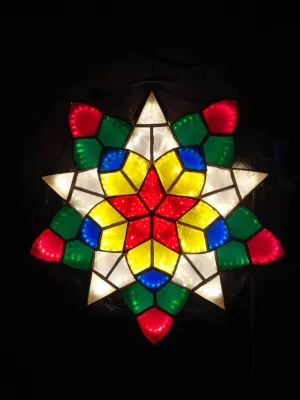
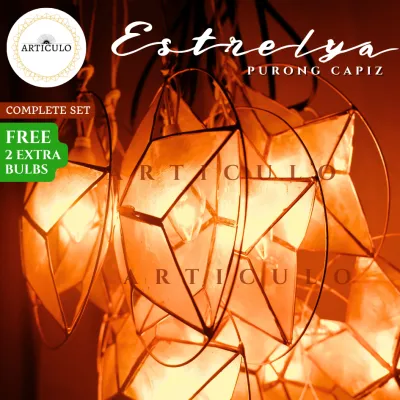
Prices are valid at publication and may change. Please refer to the product page for the latest price.
The structural frame of the lantern determines how well the fixture will hold up in your home, especially under varying indoor humidity levels. Traditional designs often utilize organic framing materials such as rattan or bamboo, which offer a warm, rustic appeal but require proper treatment to resist moisture and pests in tropical climates. For enhanced durability, many modern Pampanga workshops use metal frames made of brass, copper, or powder-coated iron. Metal frames provide superior rigidity, ensuring that larger, multi-tiered lanterns maintain their shape and do not warp or sag over time.
Electrical compatibility and safety specifications must never be overlooked when choosing a lighting fixture. Verify the bulb socket type—most commonly E27 or E14 in local fixtures—and pay close attention to the manufacturer’s maximum wattage limit. Because Capiz shells are natural, organic materials, they are highly sensitive to heat; exposing them to high-wattage incandescent bulbs can cause the shells to dry out, turn brittle, or discolor. Using energy-efficient LED bulbs is highly recommended, as they emit minimal heat while providing excellent illumination. Additionally, inspect the cord length and ensure the wiring is properly insulated and certified for home use.
Matching Capiz Lantern Styles to Your Home Aesthetics
Aligning a Capiz lantern with your existing interior design involves understanding how different visual styles, shell preparations, and color treatments influence the overall ambiance of a room. Because decorative style and spatial effects are highly subjective, it is helpful to evaluate how a fixture’s design elements interact with your furniture and wall colors. The choice between a traditional, ornate design and a clean, contemporary silhouette will set the tone for the entire space.

The way the shells are prepared and cut dramatically affects how light is diffused throughout the room. Whole, slightly curved shells retain their natural organic form, casting soft, pooled light with gentle, overlapping shadow patterns that create a romantic, relaxed atmosphere. Conversely, flat-cut panels that are meticulously bound by thin metal foil (similar to classic stained-glass techniques) offer a more structured, uniform light distribution. This clean diffusion is highly effective for spaces where clear, even illumination is preferred.
Color variations also play a significant role in defining room ambiance. Natural, unbleached Capiz shells offer a classic, warm ivory hue that complements almost any color palette and enhances a sense of calm. For a bolder statement, artisans also offer dyed or painted shells in vibrant jewel tones or warm ambers. While colored shells can create a dramatic, festive atmosphere, they also reduce the overall light output, making them better suited for accent lighting or decorative focal points rather than primary light sources.
Traditional and Rustic Designs
Traditional Pampanga Capiz lanterns are characterized by their intricate, radial patterns, floral motifs, and organic framing materials. These designs frequently showcase natural, unbleached cream-colored shells held together by hand-woven rattan or bamboo frames. The overall aesthetic is warm, nostalgic, and deeply connected to Filipino heritage, making these fixtures perfect for creating a cozy, welcoming environment.
These rustic designs excel in spaces dedicated to relaxation and comfort, such as bedrooms, reading nooks, or covered transitional spaces like hallways and verandas. The soft, diffused glow of a traditional Capiz pendant pairs beautifully with natural wood furniture, indoor plants, and woven textiles like abaca or linen. Placing a rustic lantern in these areas enhances the organic, bohemian feel of the space while providing a soothing backdrop of light.
Modern and Geometric Shapes
Modern Capiz lanterns strip away ornate detailing in favor of clean lines, structured metal frames, and minimalist silhouettes. You will find these contemporary fixtures shaped into sleek cylinders, spheres, or tiered rectangular panels. The metal framing is often finished in matte black, brushed brass, or polished chrome, creating a striking contrast with the soft, pearlescent texture of the shells.
These geometric designs integrate seamlessly into minimalist, coastal, or transitional interiors. A large, structured Capiz drum pendant makes an elegant statement when hung over a sleek dining table or in a modern entryway. The clean lines of the fixture complement contemporary architectural details, while the natural texture of the shells prevents the modern space from feeling too cold or sterile.
Sizing and Placement Guide for Different Rooms
Choosing the correct lantern dimensions is essential to ensure the fixture looks proportional to your room and does not overwhelm the space. To calculate the ideal size for a hanging lantern in a general living area, a helpful guideline is to add the room’s length and width in feet, and then convert that sum into inches to find the approximate diameter of the fixture. For example, a room that measures 10 feet by 12 feet would be well-suited for a lantern with a diameter of approximately 22 inches.
When hanging a Capiz lantern over a dining table or a kitchen island, the sizing should be scaled to the furniture rather than the entire room. Select a fixture with a diameter that is roughly one-half to two-thirds the width of the table to ensure it looks balanced. In terms of height, maintain a clearance of 30 to 36 inches from the tabletop to the bottom of the lantern; this provides comfortable clearance for conversation and dining while keeping the light source at an optimal level.
For high-traffic areas such as entryways, hallways, or open living rooms, safety and clearance are paramount. Ensure the bottom of the hanging lantern is at least 7 feet above the floor to prevent accidental impacts from tall family members or guests. If your home has lower ceilings, consider flush-mount or semi-flush-mount Capiz fixtures, which offer the same beautiful diffusion without encroaching on valuable vertical space.
Deciding between a single oversized statement piece and a cluster of smaller lanterns depends on the visual rhythm you want to create. A single, large multi-tiered Capiz chandelier serves as a dramatic focal point in a high-ceilinged foyer or a formal dining room. On the other hand, hanging a cluster of three smaller Capiz pendants at varying heights over a kitchen counter or in a corner creates a dynamic, modern look that draws the eye and adds depth to the room.
Electrical Safety and Installation Checks
Before installing your Capiz lantern, always verify that the electrical components are compatible with your home’s wiring system. In the Philippines, the standard residential voltage is 220V at 60Hz. Ensure that the light socket, wiring insulation, and plug are rated for this voltage. Carefully inspect the entire length of the power cord for any signs of fraying, exposed copper, or brittle insulation, especially if you are installing a vintage or handmade piece purchased directly from a local workshop.
Because Capiz lanterns—particularly those with heavy metal frames or multi-tiered designs—can be surprisingly heavy, verifying ceiling weight limits is crucial. Never hang a heavy fixture directly from a standard plastic electrical junction box. Instead, secure the fixture to a heavy-duty metal box rated for the lantern’s weight, or install a dedicated ceiling hook anchored directly into a wooden ceiling joist or a concrete slab using appropriate expansion bolts.
For simple plug-in models that hang from a secure hook and plug into a standard wall outlet, a DIY installation is straightforward and safe. However, for hardwired ceiling installations, working at significant heights, or installing fixtures in damp environments, safety boundaries must be strictly observed. Always isolate the power at the main circuit breaker before touching any wiring. If you are unfamiliar with electrical codes or handling fixed wiring, it is highly recommended to hire a licensed electrician to complete the installation safely.
Caring for and Maintaining Capiz Shells
Proper maintenance is key to preserving the natural luster and structural beauty of Capiz shells over time. Because the shells are delicate and held together by thin wires, gentle cleaning techniques are essential. Use a soft, dry microfiber cloth or a clean, soft-bristled feather duster to gently remove surface dust on a weekly basis. Avoid applying heavy pressure to the panels, as this can crack the thin shells or bend the delicate wire connectors.
To prevent irreversible damage, keep the lantern away from harsh chemical cleaners, glass sprays, or abrasive scrubbing pads, which can strip the natural pearlescent coating and corrode the metal framing. Moisture is another significant hazard; excessive humidity or direct water contact can weaken organic frames and cause metal components to rust. Additionally, avoid hanging your Capiz lantern in areas that receive direct, prolonged sunlight, as UV exposure can make the natural shell material brittle, leading to yellowing and cracking.
Establish a bi-annual routine to inspect your lantern’s overall condition. Check the metal frames for any early signs of corrosion and inspect organic frames for mold or pest damage. Gently wiggle the shell attachments to ensure the connecting wires remain secure and have not loosened. Finally, examine the electrical socket and cord for any signs of heat discoloration, which could indicate that the bulb wattage is too high and needs to be replaced with a cooler-running LED alternative.
Frequently Asked Questions (FAQ)
Are Capiz lanterns suitable for outdoor use?
Capiz lanterns are generally not recommended for fully exposed outdoor areas. While they can be safely enjoyed in covered, dry outdoor spaces such as a screened porch, veranda, or covered patio, they must be completely protected from direct rain, strong winds, and harsh sunlight. High moisture levels can cause organic frames to mold and metal frames to rust, while strong winds can cause the delicate shells to clatter against each other and shatter. If you choose to hang a lantern in a covered outdoor area, ensure it is rated for damp environments and bring it indoors during severe weather.
How do I verify if a Capiz lantern is authentically from Pampanga?
Authentic Pampanga craftsmanship is distinguished by its meticulous construction, robust framing, and high-quality shell preparation. Look for artisan signatures, cooperative tags, or regional crafting hallmarks on the packaging or the fixture’s base. Genuine Pampanga lanterns feature hand-selected, evenly matched Capiz shells that are carefully cleaned, cut, and secured with clean, smooth soldering along the metal joints. Mass-produced imitations often exhibit sloppy soldering, misaligned shell panels, and flimsy framing that bends easily under light pressure.

Community discussion
Share your experience or ask a question. Comments are reviewed before publication.