
Selecting the ideal modern pin lights for your ceiling in the Philippines requires balancing contemporary aesthetics with the practical realities of tropical living. Modern interior design favors clean lines, minimal visual clutter, and highly focused illumination. Achieving this look involves more than just picking an attractive fixture; it demands a careful evaluation of your ceiling structure, local electrical standards, and the high-humidity environment typical of Philippine homes. By focusing on structural compatibility and verified performance specifications, you can transform your living spaces with lighting that is both visually stunning and highly durable.
To make an informed decision, homeowners must navigate a wide array of design options, technical specifications, and installation methods. This guide provides a comprehensive framework to help you identify high-quality modern pin lights, match them to your specific room functions, and ensure a safe, professional-grade installation that stands the test of time.
Defining Modern Design Trends for Ceiling Pin Lights
Trimless or bezel-less pin lights are at the forefront of modern ceiling design. These fixtures sit completely flush with the plaster or gypsum board, eliminating the traditional plastic or metal lip that protrudes from the ceiling surface. By plastering over the outer rim during installation, the fixture becomes an seamless part of the ceiling, leaving only a clean, circular or square aperture visible to the eye.
Products mentioned in this guide
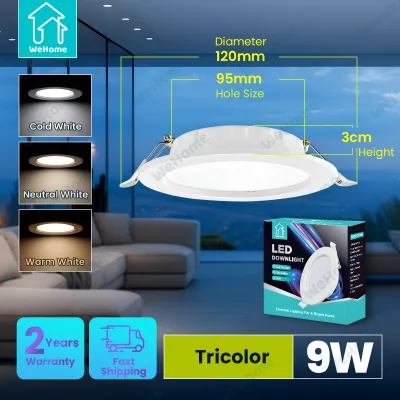
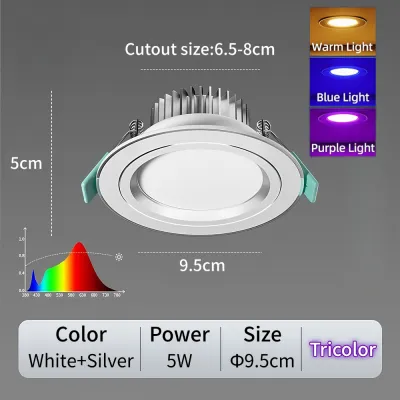
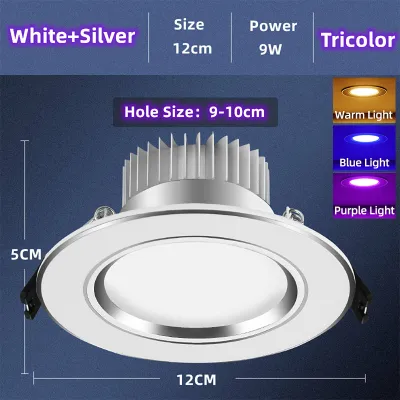
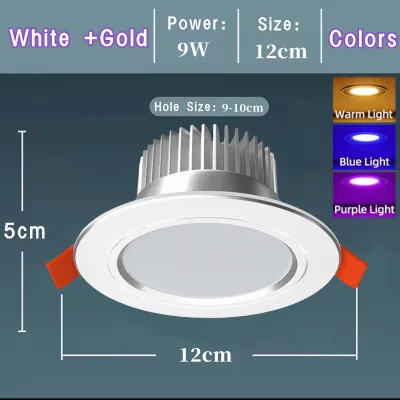
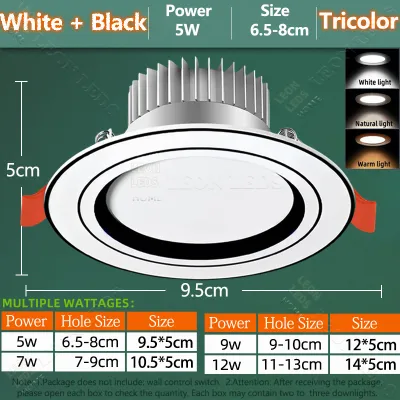
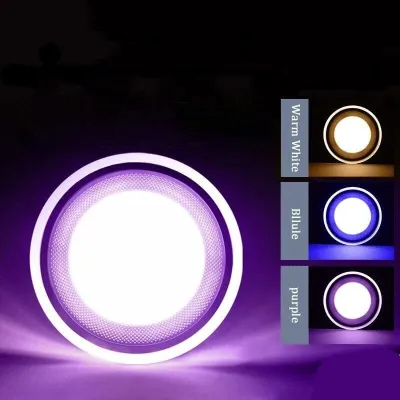
Prices are valid at publication and may change. Please refer to the product page for the latest price.
Deep-recessed designs, often referred to as anti-glare pin lights, position the light source further back within the housing. This structural choice hides the physical LED chip from direct line of sight at normal viewing angles. The result is a dramatic reduction in eye strain and a sophisticated, architectural glow that illuminates the room without creating harsh, visible hot spots on the ceiling.
Matte black, brushed nickel, and seamless pure white are the dominant finishes in contemporary spaces. Matte black fixtures offer a bold, graphic contrast against white ceilings, making them a popular choice for industrial, modern rustic, or minimalist themes. Brushed nickel provides a subtle, metallic texture that complements modern hardware, while pure white finishes allow the fixture to virtually disappear into a standard ceiling, keeping the focus entirely on the light effect itself.
When choosing fixtures, you will encounter a choice between integrated LED modules and traditional replaceable bulb fixtures, such as those using GU10 or MR16 bulbs. Integrated fixtures design the LED chip and the housing as a single, optimized unit, allowing for much slimmer profiles and superior heat management. While replaceable bulb fixtures offer easier maintenance when a bulb eventually fails, integrated modern pin lights often provide more uniform light distribution, wider dimming compatibility, and a cleaner, more compact aesthetic.
Essential Electrical and Structural Specifications
In the Philippines, the standard residential electrical supply is 220V to 240V at 60Hz. It is critical to verify that any imported or locally purchased pin light is rated specifically for this voltage and frequency to prevent premature driver failure or safety hazards. Always look for recognized national electrical safety marks, such as the Philippine Standard (PS) or Import Commodity Clearance (ICC) marks, on the packaging to ensure the product has undergone rigorous safety testing.

Precision is key when preparing your ceiling for recessed installation. You must distinguish between the overall outer diameter of the fixture and the required cut-out diameter. Cutting a hole that is even slightly too large can leave unsightly gaps that are difficult to patch, while a hole that is too small will prevent the fixture from seating flush. Always measure the physical sample or consult the manufacturer’s specification sheet before making any cuts in your ceiling board.
The tropical climate of the Philippines brings high relative humidity, which can severely impact electrical components over time. For semi-outdoor areas like balconies, verandas, or covered carports, as well as moisture-prone indoor spaces like bathrooms, selecting fixtures with an appropriate Ingress Protection (IP) rating is essential. An IP44 rating is generally sufficient for damp indoor areas, while IP65 or higher is recommended for locations exposed to direct splashing or outdoor moisture.
LED drivers and chips generate significant heat, which must escape to prevent degradation of the components. In uninsulated ceiling cavities common in tropical homes, temperatures can rise rapidly. Ensure there is adequate clearance—typically at least 50mm to 100mm of free space—above and around the fixture within the ceiling cavity. Avoid covering the fixture with insulation materials unless the product is explicitly rated for insulation contact (IC-rated) to prevent fire hazards.
Matching Light Fixtures to Ceiling Types and Room Functions
Gypsum board and plasterboard ceilings are ideal for fully recessed pin lights, as they are easy to cut and can support the lightweight spring clips of modern fixtures. However, if your home features solid concrete slab ceilings, recessing fixtures is structurally impractical and potentially dangerous. In these cases, surface-mounted pin lights or sleek track lighting systems offer a modern aesthetic without compromising the structural integrity of the concrete.
The angle at which light exits the fixture dictates its function. Narrow beam angles, ranging from 15 to 24 degrees, create concentrated pools of light, perfect for highlighting artwork, architectural features, or accent walls. Medium to wide beam angles, ranging from 36 to 60 degrees or more, distribute light more evenly across a space, making them the preferred choice for general ambient lighting in living rooms, hallways, and bedrooms.
Proper placement of pin lights is crucial in task-heavy areas such as kitchen counters, study desks, and vanity mirrors. Placing a pin light directly behind a person working at a counter casts a harsh shadow over their workspace. To avoid this, position the fixtures directly above the front edge of the counter or workspace, ensuring the light falls directly on the task at hand without creating distracting shadows.
Building a Verified Shortlist from Local and Online Sellers
When visiting local lighting showrooms, take the time to physically handle the fixtures. Feel the weight of the heat sink; heavy aluminum heat sinks generally dissipate heat much better than lightweight plastic alternatives, leading to a longer lifespan for the LED. Inspect the clarity of the lens and the overall sturdiness of the spring clips to ensure they will hold the fixture securely against the ceiling board over years of use.
Do not rely solely on vague “lifetime” or multi-year warranty claims. Ask the seller to clarify exactly what the warranty covers. In many modern pin lights, the external LED driver is the component most susceptible to failure from voltage fluctuations. Verify whether the warranty covers both the LED chip and the driver, and understand the process for claiming replacements locally, including whether you need to present the original receipt.
When shopping on online marketplaces, look past the polished marketing photos and dive deep into the verified buyer reviews. Pay close attention to reviews that mention long-term performance, such as fixtures failing after a few months, or issues with visible flickering. Flickering is often a sign of a low-quality driver that cannot handle local voltage fluctuations, which can cause eye strain and headaches over time.
Fragile glass lenses and delicate aluminum housings can easily be damaged during transit. Before purchasing online, confirm the seller’s return policy and check if they offer robust shipping protection. Look for sellers who package their products in custom-molded foam or thick cardboard boxes, and read customer feedback specifically regarding how well the items were protected during delivery.
Installation Safety and When to Hire a Professional
Working with electrical wiring carries inherent risks of severe shock or electrocution. Before inspecting, installing, or replacing any ceiling pin light, you must turn off the power at the main circuit breaker. Do not rely solely on the wall switch, as some wiring configurations may leave the fixture live even when the switch is in the “off” position. Use a non-contact voltage tester to verify the wires are completely dead before touching them.
Older homes may have outdated wiring systems, missing ground wires, or deteriorated insulation. When installing new modern fixtures, inspect the existing wiring carefully. If you encounter brittle wire insulation, loose connections, or wire gauges that do not match the load requirements of your new lighting layout, stop immediately. These issues pose serious fire hazards and require professional remediation.
Cutting holes in your ceiling must be done with caution to avoid damaging structural joists, electrical conduits, or plumbing pipes hidden behind the plaster. Never cut through a wooden or metal ceiling joist to accommodate a pin light, as this can compromise the structural safety of your ceiling. If you are unsure of what lies behind the ceiling board, use a stud finder or consult a professional builder before cutting.
While individual LED pin lights consume very little power, adding a large number of fixtures to a single circuit can still overload older electrical systems. If your installation involves running new wiring, adding new switches, or modifying your home’s electrical panel, you must hire a licensed electrician. A qualified professional ensures that all work complies with the Philippine Electrical Code, keeping your home safe from electrical fires and system failures.
Frequently Asked Questions (FAQ)
Can I install recessed pin lights in an existing concrete ceiling?
Recessing pin lights into an existing solid concrete ceiling is generally impractical because it requires extensive, noisy, and structurally risky chiseling or core drilling. Doing so can weaken the concrete slab and damage embedded reinforcement bars. Instead, the most effective way to achieve a modern look on a concrete ceiling is to use surface-mounted pin lights. These fixtures mount directly to the surface of the concrete, hiding the wiring within a sleek, exposed housing or a shallow junction box, preserving both your ceiling’s structural integrity and your design aesthetic.
What color temperature best complements a modern interior?
The ideal color temperature depends heavily on the function of the room and your personal design preferences. For relaxing spaces like bedrooms and living rooms, warm white (2700K to 3000K) creates a cozy, inviting atmosphere that complements natural wood textures and warm color palettes. For task-oriented areas like kitchens, home offices, and bathrooms, neutral white (4000K) or cool white (5000K to 6500K) provides crisp, clear illumination that enhances focus and pairs beautifully with modern minimalist finishes like concrete, steel, and matte black.
How do I determine the correct spacing for ceiling pin lights?
A reliable rule of thumb for planning your ceiling layout is to divide the height of your ceiling by two to determine the distance between each pin light. For example, if your ceiling is 2.7 meters high, your fixtures should be spaced approximately 1.35 meters apart. However, you must adjust this spacing based on the beam angle of your chosen fixtures and the specific layout of the room. Wider beam angles allow for greater spacing, while narrow beam angles require closer placement to avoid creating dark, unlit zones between the pools of light.

Community discussion
Share your experience or ask a question. Comments are reviewed before publication.