
Setting up an inspiring and productive workspace requires a careful balance of aesthetics and functionality. For many professionals and students in the Philippines, a retro-style desk lamp offers the perfect blend of nostalgic charm and focused illumination. However, choosing the right vintage-inspired light source involves more than simply picking an attractive design. To ensure your lamp supports long hours of reading, writing, or screen work without causing eye strain, you must evaluate its design era, light distribution, electrical safety, and durability in a tropical climate.
Identifying Retro and Vintage Styles for Your Desk
To select a lamp that complements your workspace, it helps to understand the distinct design eras that define the retro aesthetic. Mid-century modern lamps are celebrated for their clean lines, organic curves, and minimalist profiles. These fixtures often feature brass accents, tapered wood elements, or vibrant, solid-colored metal shades that add a subtle pop of color to a contemporary study. If your workspace features raw wood, exposed brick, or dark metal shelving, an industrial-style lamp may be the ideal fit. Industrial designs typically showcase raw iron, mechanical joints, plumbing-pipe motifs, and exposed Edison-style bulbs, creating a rugged, utilitarian atmosphere.
For a more traditional or academic feel, the classic banker or library lamp remains a timeless choice. Characterized by a heavy brass base and a distinctive emerald-green glass shade, this style directs a soft, green-tinted glow upward while casting bright, direct light downward onto your documents. When choosing among these styles, consider the materials used in their construction. Solid brass, brushed steel, and natural wood offer excellent longevity, but they also carry significant visual and physical weight. In the humid tropical climate of the Philippines, low-quality metal finishes can quickly tarnish or rust if they lack a protective lacquer coating, making high-quality plating or solid materials a smarter long-term investment.
Products mentioned in this guide
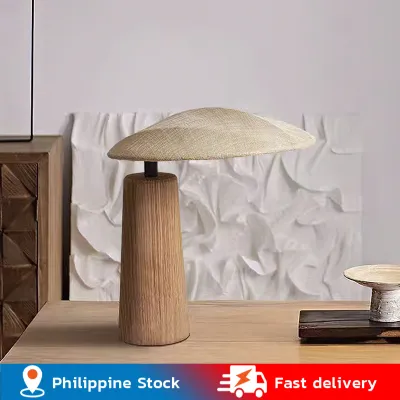
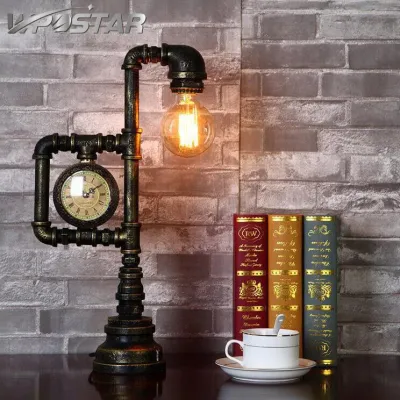
Prices are valid at publication and may change. Please refer to the product page for the latest price.
The physical footprint of the lamp is another critical factor to analyze before making a purchase. A heavy, wide base provides excellent stability, preventing the lamp from tipping over if your desk is bumped, but it also consumes valuable real estate on your work surface. If you work on a compact desk in a shared room or a condominium, a lamp with a slender profile, a clamp-on base, or an articulated arm that reaches over your monitor can save precious space. Conversely, if you have a spacious executive desk, a larger, more substantial banker or library lamp can serve as a handsome centerpiece that anchors your entire office setup.
Meeting WFH and Study Lighting Requirements
While the visual appeal of a retro lamp is undeniable, its primary job is to provide high-quality task lighting that protects your eyes during extended work or study sessions. The design of the lamp shade plays a pivotal role in how light is distributed across your workspace. Opaque metal shades, such as those found on industrial or mid-century cone lamps, concentrate light in a tight, downward beam, which is excellent for reading physical documents but can create harsh shadows if not positioned correctly. Translucent or glass shades diffuse light more broadly, reducing contrast but potentially introducing unwanted glare on your computer screen if the bulb is directly visible.

To achieve the most comfortable lighting setup, prioritize lamps that offer physical adjustability. Articulated arms, multi-jointed frames, and pivoting heads allow you to change the height and angle of the light source as your tasks change throughout the day. For instance, during daytime computer work, you can angle the shade away from your monitor to eliminate screen reflections, while at night, you can lower the shade closer to your desk for focused reading. Gooseneck designs offer seamless, flexible positioning, though they may lack the mechanical, vintage charm of jointed brass or steel arms.
Bulb compatibility is another essential consideration for modern task lighting. Most retro-style lamps utilize standard screw-type sockets, such as the widely available E27 base in the Philippines. This compatibility allows you to pair your vintage fixture with modern LED bulbs, which offer superior energy efficiency and longevity. When selecting a bulb, pay close attention to the color temperature, measured in Kelvins (K). Warm white light (around 2700K to 3000K) creates a cozy, relaxing ambiance but can cause drowsiness during intense study sessions. Cool white or daylight bulbs (4000K to 6500K) mimic natural light, enhancing focus and reducing eye fatigue, though they can feel overly sterile if the color temperature is too high. Utilizing a smart LED bulb allows you to transition from cool, energizing light during the day to warm, relaxing tones in the evening.
Checking Electrical Compatibility and Safety
When sourcing retro or authentic vintage lamps, verifying electrical compatibility is paramount to ensuring safety in your home. The standard electrical grid in the Philippines operates at 220 volts (V) and 60 hertz (Hz). Many authentic vintage lamps sourced from North America are designed for 110V systems. Connecting a 110V lamp directly to a 220V outlet without a step-down transformer will immediately destroy the bulb, damage the socket, and create a severe fire hazard. Always check the manufacturer’s label or the stamp on the socket to confirm the rated voltage before plugging any imported fixture into your wall.
Plug configurations also vary globally, meaning imported lamps may require adapters to fit standard Philippine outlets, which typically accept Type A (two flat parallel pins) or Type B (two flat pins with a round grounding pin) plugs. While simple plug adapters are inexpensive and widely available, they do not convert voltage. If you acquire a genuine antique lamp with outdated, brittle, or frayed wiring, do not attempt to use it in its original state. Over time, the protective insulation on vintage cords degrades, exposing live wires that can cause electrical shocks or short circuits.
For authentic vintage pieces, the safest course of action is to have the fixture rewired by a qualified electrician. A professional can replace the old socket, cord, and plug with modern, safety-certified components while preserving the lamp’s external aesthetic. If you are purchasing a modern retro-reproduction lamp, look for safety certification marks, such as the Philippine Standard (PS) mark or the Import Commodity Clearance (ICC) sticker. These certifications indicate that the product has undergone rigorous testing to ensure it meets local electrical safety standards, giving you peace of mind during long hours of use.
Evaluating Online Listings Before You Buy
Shopping for retro desk lamps on e-commerce platforms and online marketplaces offers an incredibly wide selection, but it also requires a discerning eye to avoid disappointment. Because you cannot physically handle the product before purchasing, you must rely on a systematic evaluation of the listing details. Start by cross-referencing the listed dimensions and weight with your actual desk space. Use a tape measure to visualize the lamp’s height and base diameter on your desk, ensuring it will not block your monitor, hit overhead shelving, or crowd your keyboard.
Be cautious of vague material descriptions in online listings. Terms like “bronze” or “brass” are often used to describe the color or finish rather than the actual material. A lamp described as “retro brass” might actually be made of lightweight plastic with a metallic paint coating, which will lack the durability and premium feel of real metal. Read the technical specifications carefully, looking for terms like “solid brass,” “plated steel,” or “cast iron.” If the listing is unclear, send a direct message to the seller to clarify the primary materials used in the base, arm, and shade.
User reviews and customer-uploaded photos are invaluable resources for verifying the real-world quality of a lamp. Look for reviews that mention the stability of the base, the smoothness of the adjustment joints, and the accuracy of the color compared to the seller’s promotional images. Pay close attention to feedback regarding shipping and packaging. Heavy metal bases and delicate glass shades are highly vulnerable to damage during transit. Ensure previous buyers report that the seller packages the items securely with ample bubble wrap, foam inserts, and sturdy boxes. Finally, review the seller’s return and refund policies so you are protected in the event that the lamp arrives damaged or fails to meet your expectations.
Frequently Asked Questions (FAQ)
How do I clean and maintain brass or metal retro lamp finishes?
To keep your retro lamp looking its best, establish a routine of gentle dusting using a dry, lint-free microfiber cloth. In the humid climate of the Philippines, moisture and sweat from your hands can accelerate tarnish, so avoid touching the metal surfaces unnecessarily. For deeper cleaning, wipe the lamp with a soft cloth slightly dampened with a highly diluted mixture of mild dish soap and warm water, taking care to dry the surface immediately with a separate clean towel. Never use harsh chemical cleaners, abrasive scouring pads, or vinegar-based solutions on plated or lacquered metals, as these can permanently strip away the protective coating and expose the underlying metal to rapid oxidation. If you wish to use a specialized metal polish, always consult the manufacturer’s care instructions first and test a small, inconspicuous area on the underside of the base.
Can I use modern LED bulbs in authentic vintage desk lamps?
Yes, using modern LED bulbs in vintage or retro desk lamps is highly recommended for both safety and performance. Traditional incandescent bulbs generate a significant amount of heat, which can dry out and damage older electrical wiring, scorch paper socket liners, or cause delicate glass shades to crack over time. LED bulbs operate at much lower temperatures, drastically reducing these risks while consuming a fraction of the electricity. When selecting an LED bulb, always check the maximum wattage rating printed on the lamp’s socket to ensure your new bulb does not exceed the fixture’s physical limits. To preserve the classic, warm aesthetic of your retro lamp, look for LED filament bulbs, which feature visible glowing filaments that beautifully replicate the vintage look of antique Edison bulbs without the high energy consumption or heat output.

Community discussion
Share your experience or ask a question. Comments are reviewed before publication.