
Finding a reliable sensored solar light outdoor setup in the Philippines requires balancing intense tropical sunlight with severe monsoon rains. While solar lighting offers an energy-efficient way to illuminate dark driveways, pathways, and gardens without adding to your monthly electricity bill, the local climate presents unique challenges. High humidity, extreme heat, and heavy downpours can quickly degrade poorly constructed fixtures, rendering their motion sensors or batteries useless within a few months.
To secure a lighting system that lasts, you must look beyond basic aesthetic designs and focus on verifiable technical specifications. The ideal outdoor solar light must feature robust weatherproofing, efficient battery chemistry, and highly responsive sensors that can distinguish actual movement from wind-blown foliage. By understanding how to evaluate these technical details, you can confidently select fixtures that keep your home safe and well-lit through every season.
Key Durability Specs for Philippine Weather Conditions
The primary enemy of outdoor electronics in tropical environments is moisture ingress. When shopping for a sensored solar light outdoor fixture, the Ingress Protection (IP) rating is your first line of defense. This rating consists of two digits: the first indicates protection against solid objects like dust, while the second measures resistance to liquids. For general outdoor use in open areas exposed to heavy rain, look for a minimum rating of IP65, which signifies the unit is dust-tight and protected against water jets. If you live in a typhoon-prone region or plan to install the light in a completely unsheltered spot, upgrading to IP66 or IP67 provides superior peace of mind against torrential downpours.
Products mentioned in this guide
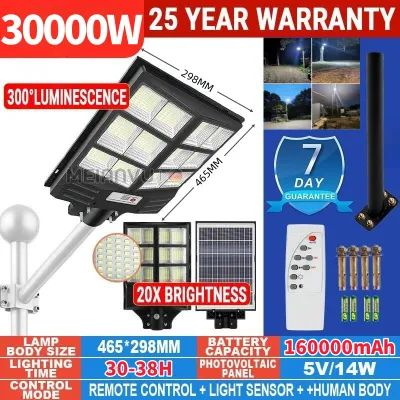
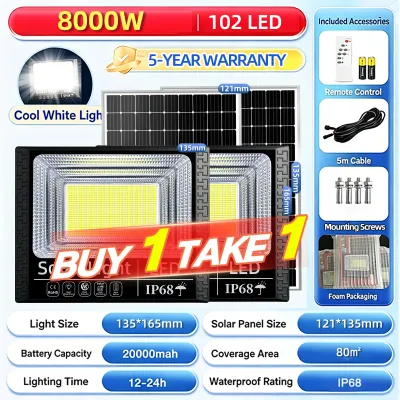
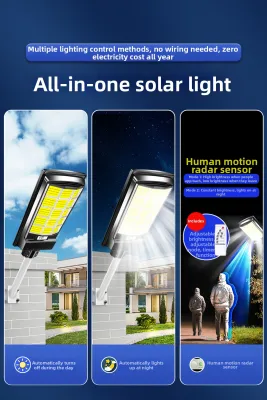
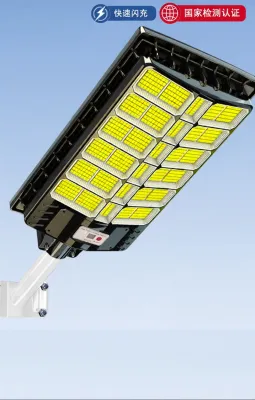
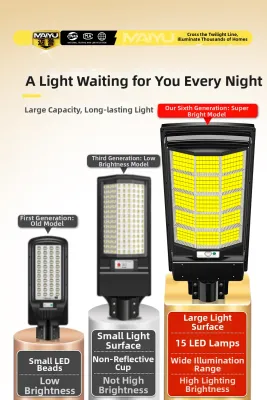
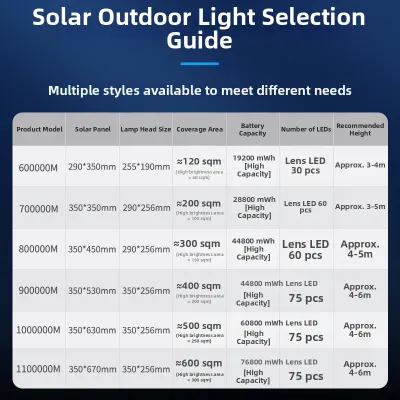
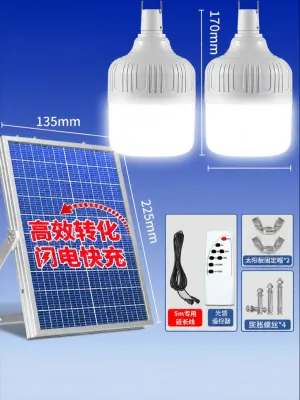
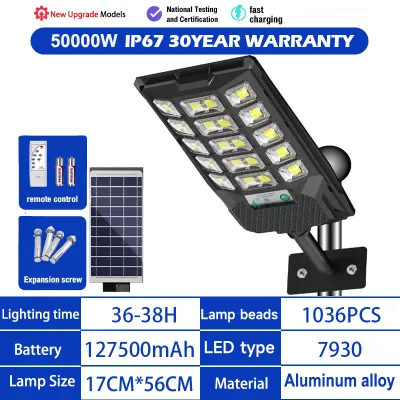
Prices are valid at publication and may change. Please refer to the product page for the latest price.
Material composition directly dictates how well a solar light survives years of intense UV exposure and high ambient temperatures. Cheap, untreated plastics quickly become brittle, yellow, and crack under the sun, allowing water to seep into the internal circuitry. When reviewing product descriptions, prioritize housings made from UV-stabilized polycarbonate, high-grade ABS plastic, or rust-resistant metals like aluminum. Aluminum housings not only offer excellent physical durability but also act as effective heat sinks, drawing warmth away from the LEDs and internal batteries to prolong their operational lifespan.
Battery technology is another critical factor that determines how many years your light will function before requiring a replacement. Most modern solar lights utilize either Lithium-ion (Li-ion) or Lithium Iron Phosphate (LiFePO4) batteries. LiFePO4 batteries are highly recommended for hot climates because they exhibit superior thermal stability, meaning they can safely withstand high operating temperatures without rapid degradation. They also offer a significantly higher charge-discharge cycle life compared to standard Li-ion options, often lasting three to five years before their capacity begins to drop noticeably. Always check the manufacturer’s specifications to verify the battery chemistry and ensure it is rated for high-temperature environments.
Choosing the Right Sensor Type and Detection Range
Selecting the correct sensor mechanism ensures your outdoor light activates only when needed, conserving valuable battery power for the hours when it matters most. Passive Infrared (PIR) motion sensors are the standard for security lighting because they detect changes in heat signatures within their field of view. This means the light will trigger when a person, vehicle, or large animal moves past, but it remains off when wind blows through nearby trees or bushes. In contrast, basic dusk-to-dawn photocells simply detect ambient light levels, keeping the light illuminated continuously at a low level throughout the night regardless of movement.

To ensure effective coverage, you must match the manufacturer’s stated detection angle and distance with the physical dimensions of your driveway, gate, or pathway. Most standard PIR sensors offer a detection angle of 120 degrees, which is ideal for mounting above a doorway or along a straight path. For wider areas like a front yard or a corner wall, look for multi-sensor designs or wide-angle lenses that expand the detection field up to 180 or even 270 degrees. Be sure to verify the maximum detection distance, which typically ranges from 3 to 8 meters, to confirm the sensor will trigger before a visitor reaches your door.
Physical adjustability is a highly valuable feature that can solve common installation challenges in complex outdoor layouts. Many high-quality solar lights feature separate solar panels connected to the light fixture by a long, weather-resistant cable. This design allows you to mount the solar panel on a sunny rooftop while placing the actual light and sensor in a shaded carport, alleyway, or under an awning. Additionally, adjustable sensor heads let you tilt or pivot the PIR detector independently of the light beam, allowing you to fine-tune the detection zone and avoid false triggers from public sidewalks or neighboring properties.
Matching Brightness and Beam Angles to Your Outdoor Space
Understanding lumen ratings is essential for choosing a light that delivers the right amount of illumination without causing blinding glare or wasting battery power. Lumens measure the total amount of visible light emitted by a source. For ambient pathway lighting, accent garden lights, or decorative wall sconces, a modest output of 50 to 200 lumens is generally sufficient to guide your steps safely. For security lighting over driveways, garage doors, or dark side yards, look for fixtures that deliver 500 to 1,500 lumens to ensure clear visibility and deter unwanted visitors.
Color temperature, measured in Kelvin (K), significantly influences both the visual appeal and the functional clarity of your outdoor spaces. Warm white light (typically 2700K to 3000K) creates a cozy, welcoming atmosphere that is perfect for patios, gardens, and residential entryways. Cool white or daylight tones (5000K to 6500K) provide high-contrast, crisp illumination that enhances visibility and security, making them the preferred choice for driveways, utility areas, and perimeter walls. Keep in mind that color temperature is a matter of personal preference and spatial design, so select the tone that best complements your home’s exterior.
To maximize battery efficiency during long, overcast rainy seasons, prioritize solar lights that offer multiple operating modes. A highly efficient configuration is the “dim-to-bright” mode, where the light remains at a low, energy-saving brightness (around 10% of maximum output) throughout the night and switches to 100% brightness only when the PIR sensor detects motion. Alternatively, you can choose a “motion-only” mode, which keeps the light completely dark until movement is detected, preserving the maximum amount of battery charge for security purposes. Avoid running high-lumen lights on continuous bright mode unless the solar panel receives unobstructed, direct sunlight for at least six to eight hours daily.
Placement and Installation Rules for Maximum Efficiency
To achieve optimal charging performance, you must position the solar panel where it can capture the maximum amount of direct sunlight throughout the day. In the Philippines, which is located in the northern hemisphere close to the equator, solar panels should generally face south or slightly southwest to capture the most consistent solar radiation. Ensure there are no overhanging tree branches, roof eaves, or neighboring structures casting shadows on the panel, as even partial shading can drastically reduce the charging efficiency and leave your light with insufficient power by nightfall.
Mounting height and angle play a crucial role in both the effectiveness of the motion sensor and the spread of the light beam. Most manufacturers recommend installing PIR sensor lights at a height of 2 to 2.5 meters above the ground. Mounting the fixture too high can weaken the sensor’s ability to detect heat signatures, while mounting it too low restricts the light’s coverage area and makes the fixture vulnerable to physical tampering. When installing, tilt the light downward slightly to direct the beam onto the walking surface and prevent light pollution from shining directly into your eyes or your neighbors’ windows.
While many compact solar lights are designed for straightforward DIY installation using basic hand tools, you must recognize when a setup requires professional assistance. If your installation involves mounting heavy fixtures at heights exceeding 3 meters, running complex wiring through walls for split-panel systems, or integrating solar lights with existing electrical circuits, it is safest to consult a qualified electrician. Always isolate any existing electrical power sources before working near household wiring, and strictly follow the manufacturer’s installation instructions to prevent structural damage, water leaks, or personal injury.
Your Pre-Purchase Checklist for Online Marketplaces
When browsing online marketplaces for a sensored solar light outdoor, a healthy dose of skepticism is your best tool for avoiding low-quality products. Many listings feature exaggerated lumen claims or unrealistic battery life estimates that do not hold up under real-world conditions. To verify these claims, cross-reference the seller’s specifications with detailed user reviews, paying close attention to photos or videos uploaded by buyers that show the light operating at night. Look for feedback regarding how well the battery performs after a cloudy day and whether the sensor remains responsive over time.
Before finalizing your purchase, carefully review the warranty terms and return policies offered by the seller or manufacturer. A reliable manufacturer should offer at least a six-month to one-year warranty against manufacturing defects, which is crucial when dealing with outdoor electronics exposed to harsh tropical weather. Align your budget in ₱ with your expectations; while basic plastic solar lights can be found for under ₱500, investing ₱1,500 to ₱3,000 in a high-quality fixture with a durable aluminum housing, a LiFePO4 battery, and a reputable warranty will save you money in the long run by avoiding frequent replacements.
Be on the lookout for common red flags in product listings that indicate a sub-standard product. If a listing lacks a clear IP rating, fails to specify the battery chemistry, or uses generic stock photos without showing the actual physical dimensions of the product, it is best to look elsewhere. A trustworthy listing will provide clear, detailed specifications regarding the sensor type, detection range, lumen output, and material composition, allowing you to make an informed decision based on verifiable facts rather than marketing hype.
Frequently Asked Questions (FAQ)
How to Clean Solar Panels Safely
To maintain optimal charging efficiency, you should clean your solar panels regularly to remove accumulated dust, pollen, bird droppings, and salt residue. Use a soft, non-abrasive microfiber cloth or a gentle sponge dampened with clean, mild soapy water to wipe down the glass surface. Avoid using harsh chemical cleaners, abrasive scrubbing pads, or high-pressure water sprays, as these can scratch the protective coating or damage the watertight seals. Depending on your local environment, a quick cleaning once every two to three months is usually sufficient, though homes near dusty roads or coastal areas may require more frequent maintenance.
Troubleshooting Motion Sensor and Battery Issues
If your solar light stops turning on or fails to detect motion, start by checking for physical obstructions over the sensor lens or the solar panel itself. Ensure the mode switch is set correctly and has not been accidentally turned off or switched to a continuous-on mode that drains the battery rapidly. If the light only stays on for a few minutes, the battery may be struggling to hold a charge due to prolonged cloudy weather or natural degradation. In such cases, check if the battery is user-replaceable according to the product manual, or contact the manufacturer’s customer support to explore replacement options before discarding the entire fixture.

Community discussion
Share your experience or ask a question. Comments are reviewed before publication.