
Transforming a compact condominium bedroom in the Philippines into a relaxing sanctuary often requires creative lighting solutions. When floor space is at a premium and concrete walls limit your ability to hang heavy decor, a starry night lamp offers an efficient way to alter the visual atmosphere of your room. The ideal projector for a small condo bedroom is one that delivers a clear, immersive celestial display without cluttering your bedside table, drawing excessive power, or creating distracting glare. By focusing on compact footprints, adjustable projection angles, and customizable brightness settings, you can find a device that perfectly complements your limited square footage and helps you unwind after a busy day in the city.
Assessing Your Condo Bedroom's Lighting Constraints
Before purchasing a starry night lamp, it is essential to evaluate the physical layout and architectural features of your condo bedroom. Many modern high-rise developments feature compact studio or one-bedroom layouts with ceiling heights ranging from 2.4 to 2.7 meters. Low-hanging beams, ceiling fans, or bulky overhead wardrobes can easily block or distort a projector’s light path. Take a moment to stand where you plan to place the lamp and look upward; identify any structural elements that might cast unwanted shadows or cut off the projection before it reaches the opposite wall.
Electrical outlet placement is another critical factor in small condo units. Bedside areas are often crowded with chargers, fan plugs, and air conditioning cords, leaving few open sockets. Map out your available outlets and measure the distance to your intended lamp placement site. Relying on long, trailing cords not only creates a tripping hazard in tight walkways but also detracts from the clean, minimalist aesthetic of a modern condo. Choosing a lamp with a versatile power interface, such as a USB connection, can give you more flexibility to power the device from a nearby laptop, power bank, or multi-port wall charger.
Products mentioned in this guide

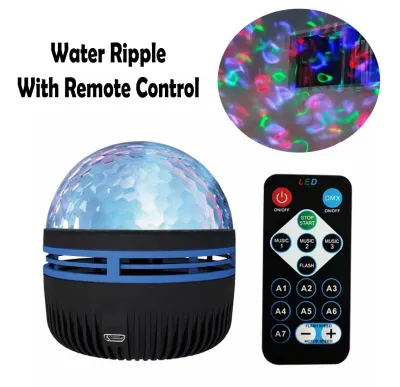
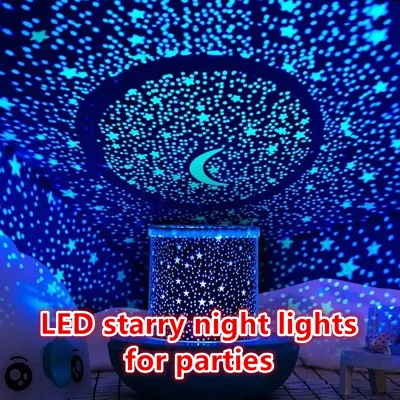
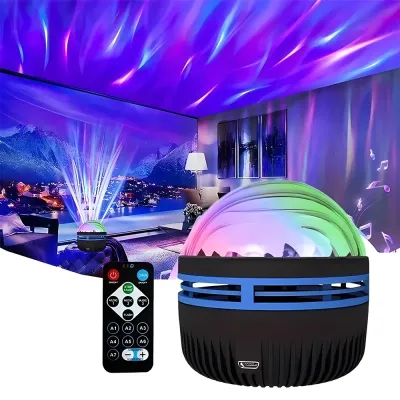
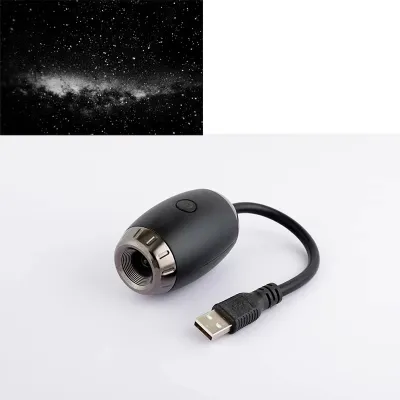
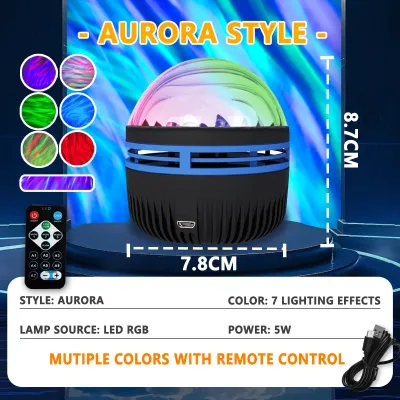
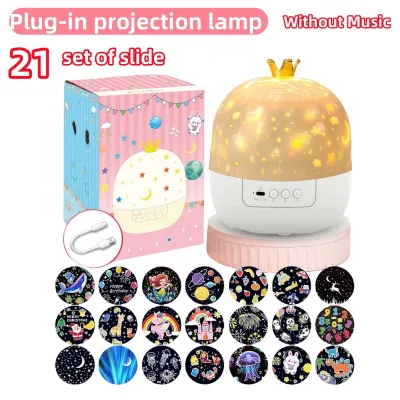
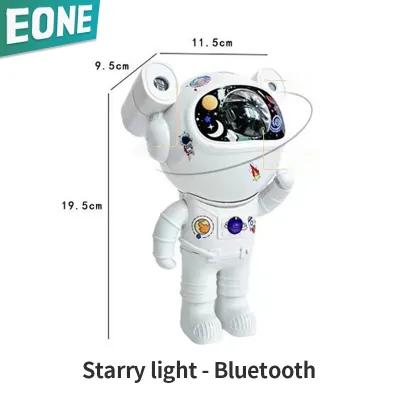
Prices are valid at publication and may change. Please refer to the product page for the latest price.
Finally, consider the ambient light levels in your room. Urban condos are frequently exposed to external light pollution from streetlights, neighboring towers, or early morning sunlight. The effectiveness of a starry night lamp depends heavily on how dark you can make the room. If your bedroom features light-filtering blinds or sheer curtains, you will need a projector with higher brightness capabilities or more defined contrast to see the stars clearly. Conversely, if you have high-quality blackout curtains installed, even a low-wattage, gentle projector will produce a vivid and enchanting celestial display.
Key Features to Prioritize for Compact Spaces
When shopping on local ecommerce platforms, it is easy to get overwhelmed by the variety of ambient lamps available. For a small bedroom, prioritizing adjustable brightness and color temperature controls is paramount. A projector that is too bright can quickly turn a cozy sleeping space into an uncomfortably intense light show, causing eye strain and disrupting your natural sleep cycle. Look for models that offer step-less dimming or multiple brightness levels, allowing you to scale down the intensity to a soft, soothing glow that matches your eyes’ adaptation to the dark.

Timer and auto-shutoff functions are equally important for managing your sleep environment and conserving energy. Leaving a projector running all night can cause unnecessary wear on the light source and keep your brain in a semi-alert state. Opt for a starry night lamp that features customizable timer settings, such as 45-minute, 90-minute, or two-hour automatic shutdown options. This ensures that the display remains active while you drift off to sleep, but leaves the room in complete, restful darkness for the remainder of the night.
The physical footprint of the lamp must also align with your limited surface space. Bedside tables in compact condos are often small, sometimes measuring less than thirty centimeters across. A bulky, wide-base projector will leave little room for your phone, a glass of water, or a book. Prioritize lamps with a vertical, space-saving design and a stable, non-slip base that prevents accidental tipping. Built-in cord management features, such as a detachable cable or a recessed power port, will further help keep your nightstand organized and free of unsightly clutter.
Comparing Starry Night Lamp Technologies
Understanding the technology behind different starry night lamps will help you choose the right visual effect for your specific ceiling height and room size. Most modern projectors utilize either LED or laser technology, or a combination of both, to create their celestial patterns. LED lights are excellent for producing broad, colorful nebula clouds with soft, shifting gradients. They are generally safer for direct viewing and generate less concentrated heat, making them highly suitable for low ceilings where the light source is relatively close to your bed.
Laser projectors, on the other hand, excel at creating sharp, pinpoint stars that mimic the actual night sky with high precision. While laser points offer incredible clarity, they require careful placement in small rooms to ensure the concentrated light beams do not shine directly into your eyes. If you prefer a highly detailed, realistic star field, a hybrid model that combines a gentle LED background with low-intensity laser stars offers the most balanced visual experience. Always check the product specifications to ensure the laser component complies with standard safety classifications.
Another consideration is whether you prefer a rotating or static display. Shifting, rotating patterns can create a dynamic, mesmerizing effect, but in a very tight space, rapid motion can sometimes induce mild motion sickness or distraction. If you choose a rotating model, ensure it has adjustable speed settings, including a completely static mode, so you can customize the movement to your comfort level. Additionally, pay close attention to the noise level of the internal motor. In a quiet condo bedroom, a buzzing or clicking motor can be highly disruptive; look for models that explicitly advertise silent or whisper-quiet operation to protect your sleep quality.
Strategic Placement for Maximum Ambiance
Achieving the perfect celestial projection is not just about the lamp you buy, but where you place it. In a small condo bedroom, you must balance the projection distance with your daily movement paths. Placing the lamp on a nightstand is the most common approach, as it keeps controls within arm’s reach. However, this angle often projects the stars diagonally across the room, which can cause the patterns to stretch or blur on distant walls. To get a symmetrical, overhead sky, placing the projector on a low shelf or a dedicated stand near the center of the room is often more effective.
If you choose an elevated shelf placement, ensure the shelf is secure and can support the weight of the lamp and its cable. Placing the projector higher up reduces the risk of accidentally knocking it over and allows the light to spread more evenly across the ceiling. However, you must position the lens carefully to avoid direct eye-level glare when you are lying down or sitting up in bed. Angle the projector slightly away from the headboard, directing the main beam toward the center of the ceiling or an empty wall opposite your bed.
Cord safety and walkway clearance are critical when positioning your lamp. In a compact room, a loose cable stretching across the floor is a major hazard, especially in the dark. Use adhesive cable clips or cord covers to secure the power wire along the baseboard or behind furniture. Ensure the lamp and its cord do not block sliding closet doors, bedroom entryways, or the path to the bathroom. Keeping the setup tucked away not only prevents accidents but also maintains the clean, uncluttered look that makes small spaces feel larger and more inviting.
Electrical Safety and Condo Compliance
Operating electrical appliances in a high-rise condominium requires strict adherence to safety guidelines to prevent electrical overloads and fire hazards. In the Philippines, the standard residential voltage is 220V at 60Hz. Before plugging in any imported starry night lamp, verify the voltage compatibility printed on the device’s power adapter or base label. Using a 110V device directly in a 220V outlet without a proper step-down transformer will damage the lamp and could pose a serious safety risk.
Look for recognized electrical safety certification marks on the product packaging or the device itself. In the local market, look for the Philippine Standard (PS) mark or the Import Commodity Clearance (ICC) sticker. For products sourced internationally through online marketplaces, check for reputable global certifications such as CE, FCC, or UL. These marks indicate that the manufacturer has met essential safety standards regarding insulation, wiring quality, and electromagnetic interference. Avoid purchasing unbranded, extremely cheap projectors that lack these basic safety labels.
Heat dissipation is another crucial safety factor, particularly in tropical climates where ambient temperatures can be high. Starry night lamps, especially those combining lasers and high-power LEDs, generate heat during prolonged operation. Avoid placing the projector inside enclosed shelving units, directly on soft bedding, or close to lightweight curtains that could block the ventilation vents. Ensure there is at least a few centimeters of open space around the device to allow air to circulate freely, and always unplug the lamp when leaving the condo for an extended period.
Frequently Asked Questions (FAQ)
Can a starry night lamp serve as the primary light source in a bedroom?
No, a starry night lamp is designed strictly for ambient and decorative purposes and should not be used as your primary bedroom light. These projectors typically emit low-lumen, colored light designed to be viewed in complete darkness, which does not provide the bright, even illumination needed for tasks like reading, dressing, or cleaning. Relying on a mood projector for daily activities can cause significant eye strain. It is best to maintain a layered lighting setup, using standard ceiling fixtures or bright bedside lamps for functional tasks, and switching to your star projector only when it is time to wind down and relax.
How much electricity do star projectors typically consume overnight?
Starry night lamps are generally low-power devices, but their exact consumption depends on the specific model’s wattage. To find out how much electricity your device uses, check the technical specifications label on the bottom of the lamp or on its power adapter, which usually lists the wattage (typically ranging from 5 to 15 watts). Because they consume very little power compared to air conditioners or standard lighting fixtures, running one for a few hours is highly economical. To minimize energy use even further, make consistent use of the built-in auto-shutoff timer so the device does not run unnecessarily after you have fallen asleep.
What is the safest way to clean a projector lens in a dusty condo environment?
Dust accumulation is common in urban condo units, and a dirty lens can quickly blur or dim your star projection. To clean the lens safely without scratching the delicate optical coatings, always unplug the device first and allow it to cool down completely. Use a dry, clean microfiber cloth or a specialized soft-bristled lens brush to gently sweep away dust particles. Avoid using household glass cleaners, alcohol, or abrasive paper towels, as these can strip away protective coatings or leave permanent scratches on the lens. For stubborn smudges, a gentle wipe with a dry optical lens cleaning cloth designed for cameras or eyeglasses is the safest approach.

Community discussion
Share your experience or ask a question. Comments are reviewed before publication.