
Finding a suitable Bauhaus floor lamp for your living room or reading corner in the Philippines requires balancing timeless European design with local household realities. Originating from the influential German design school of the early twentieth century, the Bauhaus style is celebrated for its clean lines, geometric shapes, and functional integrity. However, integrating these iconic fixtures into a tropical home involves more than just selecting an attractive silhouette. You must consider how the materials withstand local humidity, whether the electrical components match domestic power standards, and how the light distribution serves your specific spatial needs. By understanding these design principles and technical requirements, you can select a floor lamp that serves as both a striking sculptural element and a highly effective source of illumination.
Identifying Genuine Bauhaus Design Elements
To distinguish a true Bauhaus-inspired floor lamp from generic modern or minimalist lighting, it helps to understand the core philosophy of the movement: form follows function. Every element of a Bauhaus lamp serves a practical purpose, with no room for superfluous ornamentation or purely decorative flourishes. The design relies on geometric purity, utilizing basic shapes like circles, spheres, cylinders, and straight lines to create balanced, harmonious structures. When browsing catalogs or visiting local showrooms, look for these clean, unadorned geometries that give the style its enduring, industrial appeal.
The materials used in these lamps are equally defining and reflect the movement’s embrace of industrial mass production. Tubular steel, polished chrome, matte black finishes, and opal or clear glass are the primary hallmarks of the style. Tubular steel, in particular, was a revolutionary material in the 1920s, offering strength and flexibility that allowed designers to create cantilevered frames and elegant, sweeping curves. A high-quality Bauhaus-style lamp will showcase these materials with clean welds, smooth bends, and a flawless surface finish that highlights the natural beauty of the metal and glass.
Products mentioned in this guide
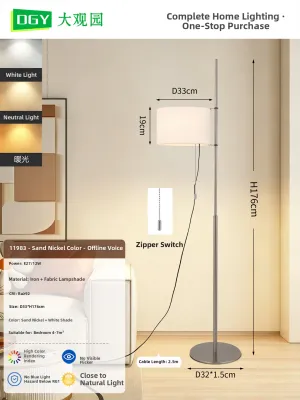
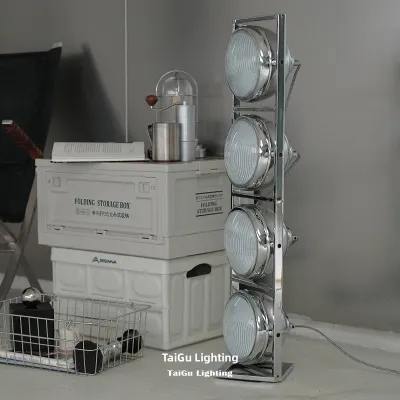
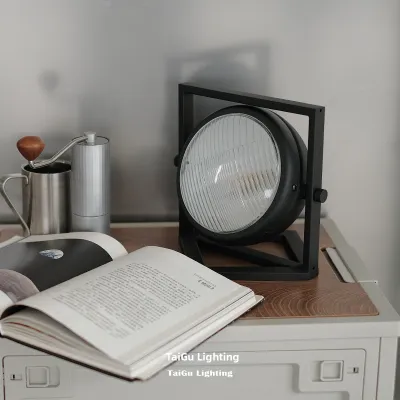
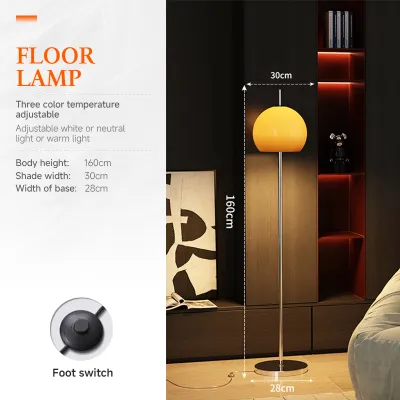
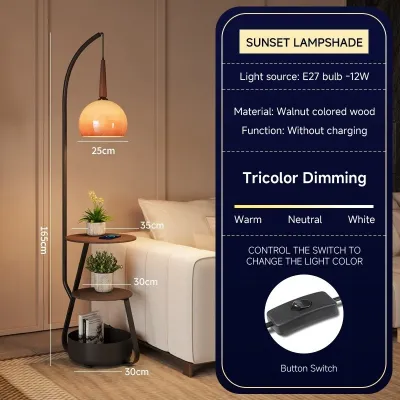
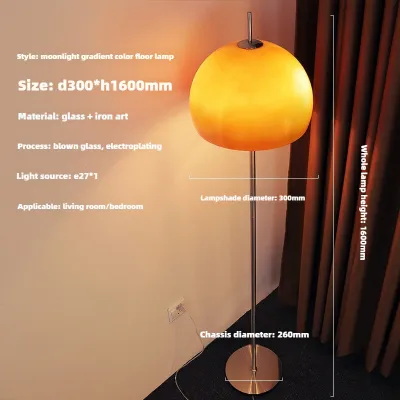
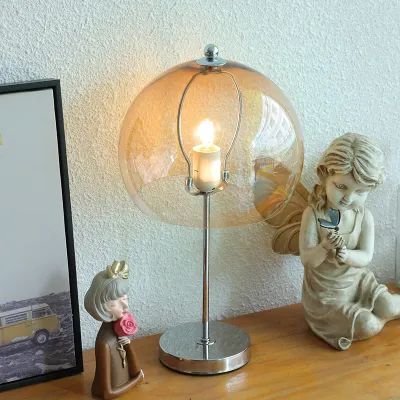
Prices are valid at publication and may change. Please refer to the product page for the latest price.
Visual cues and structural hallmarks are excellent indicators of authentic design lineage. Look for features like adjustable counterweights, exposed joints that reveal how the lamp pivots, and heavy, stable bases made of cast iron, steel, or marble. The classic Kaiser Idell lamp, for instance, features a gently curved asymmetrical shade and a simple, elegant tilt mechanism, while the iconic arc lamp utilizes a dramatic, sweeping arm to suspend a dome-shaped shade over a seating area. Recognizing these specific structural details will help you identify high-quality inspired designs that capture the true spirit of the Bauhaus movement.
Choosing the Right Light for Living Rooms vs. Reading Corners
Selecting the ideal Bauhaus floor lamp depends heavily on the primary function of the space it will inhabit. In a living room, the goal is typically to create a warm, inviting atmosphere through ambient lighting. For these social spaces, look for lamps that offer indirect glare control and a broader light spread. An uplight or a lamp with a large opal glass diffuser is excellent for this purpose, as it projects light upward or outward, bouncing it off the ceiling and walls to eliminate harsh shadows. This soft, indirect illumination helps make the living room feel more spacious and comfortable for family gatherings and entertaining guests.

Conversely, a reading corner requires focused task lighting to prevent eye strain during prolonged reading sessions. For these dedicated nooks, prioritize Bauhaus designs with adjustable arms, swiveling shades, and concentrated light beams. A lamp that allows you to direct the light precisely onto your book or tablet is essential. When selecting a bulb for your reading lamp, consider the color temperature; a warm white to neutral white light (around 2700K to 3000K) provides excellent contrast for reading without feeling overly clinical or harsh in a cozy corner.
Spatial considerations are also critical when integrating a floor lamp into your home layout. Measure the base footprint to ensure the lamp can sit securely beside or behind your furniture without obstructing walkways. The overall height of the lamp should position the light source slightly above eye level when seated to prevent direct glare from the bulb. Additionally, check the cord length relative to your existing wall outlets; in many homes, outlets may be spaced far apart, requiring careful planning to avoid stretching cords across high-traffic areas where they could present a tripping hazard.
What to Check Before Buying a Bauhaus Floor Lamp
Before finalizing your purchase, conducting a thorough technical check is essential to ensure safety, compatibility, and long-term durability. First and foremost, verify the electrical specifications of the lamp. The standard electrical system in the Philippines operates at 220V and 60Hz. Many imported lamps, particularly those sourced from North America or parts of East Asia, may be wired for 110V or 50Hz systems. Ensure the lamp is rated for 220V/60Hz to prevent electrical malfunctions, overheating, or premature bulb failure. Additionally, check the plug type; most local outlets accommodate Type A (two-prong flat) or Type B (three-prong) plugs, so you may need an adapter or a plug replacement if the lamp comes with a different configuration.
Build quality is another critical factor, especially given the high humidity levels in the Philippines. Inspect the weight and material of the base; a heavy base is vital for maintaining stability, particularly for tall or cantilevered designs that can easily tip over if bumped. Examine the joints, hinges, and adjustment mechanisms on adjustable models to ensure they operate smoothly without sticking or slipping. For metal finishes, look for high-quality chrome plating or durable powder coating. In humid tropical environments, poorly plated metals are highly susceptible to rust and oxidation, so investing in superior finish durability will keep your lamp looking pristine for years.
Bulb compatibility and socket types must also be verified. Most Bauhaus-style lamps utilize standard screw-in sockets, with the E27 base being the most common and widely available option in local hardware stores. Check the manufacturer’s maximum wattage limit for the socket to avoid overloading the wiring, especially if you plan to use traditional incandescent bulbs. If you prefer dimmable lighting to adjust the ambiance, ensure the lamp’s switch mechanism supports dimming and that you pair it with a compatible dimmable LED bulb.
Finally, perform a comprehensive value assessment. While authentic, licensed reproductions from renowned European manufacturers can cost upwards of ₱50,000 to ₱150,000, high-quality inspired designs are often available at more accessible price points, ranging from ₱5,000 to ₱15,000. Compare the price against the materials used, the sturdiness of the construction, and the warranty terms offered by the seller. A slightly higher upfront investment in a lamp with solid brass or steel construction and a reliable warranty is often more cost-effective than buying a cheap, flimsy alternative that may need replacement after a few months of use.
Where to Find Authentic and Inspired Bauhaus Lamps
Finding the perfect Bauhaus floor lamp involves navigating a market filled with both licensed masterpieces and budget-friendly inspired designs. For those seeking absolute authenticity and historical accuracy, authorized design dealers and specialized lighting boutiques in major metropolitan areas are the best choice. These showrooms partner directly with licensed manufacturers who hold the original design rights, ensuring that every detail, material, and dimension matches the designer’s original vision. While these pieces represent a significant financial investment, they come with verifiable provenance, exceptional craftsmanship, and long-term collector value.
If you are looking for inspired designs that capture the Bauhaus aesthetic at a more accessible price point, online marketplaces and local home decor retailers offer a wide variety of options. When shopping on ecommerce platforms, it is crucial to exercise caution and diligence. Strictly verify the seller’s ratings, read customer reviews thoroughly, and pay close attention to user-uploaded photos to assess the actual quality of the product. Look for sellers who offer clear return policies and responsive customer service, which can provide peace of mind if the lamp arrives damaged or does not meet your expectations.
When browsing these channels, be alert to common red flags that indicate poor quality or potential safety hazards. Extremely low prices that seem too good to be true often point to flimsy materials, unstable bases, or substandard wiring. Avoid listings that lack detailed manufacturer specifications, such as maximum wattage, voltage ratings, or material descriptions. Most importantly, look for basic safety certifications, such as the Import Commodity Clearance (ICC) sticker or the Philippine Standard (PS) mark for locally distributed electrical goods, or reputable international safety marks like CE or UL, which indicate the product has undergone rigorous safety testing.
Safe Placement and Electrical Checks for Homes in the Philippines
Once you have selected and purchased your Bauhaus floor lamp, proper installation and placement are key to ensuring a safe living environment. Cord management is a primary safety consideration, particularly in active households with children or pets. Avoid running the power cord under rugs or carpets, as this can trap heat and cause the cord to wear down over time, creating a fire hazard. Instead, use low-profile cord covers or cable clips to secure the cord along baseboards, keeping it flat and out of high-traffic pathways where it could cause someone to trip.
Heat dissipation is another important factor to keep in mind, especially in the warm, tropical climate of the Philippines. While modern LED bulbs generate significantly less heat than traditional incandescent or halogen bulbs, the lamp shade and housing can still become warm during extended use. Ensure there is adequate clearance between the lamp shade and nearby flammable materials, such as curtains, upholstery, books, or indoor plants. Proper airflow around the fixture helps dissipate heat effectively, prolonging the lifespan of both the bulb and the lamp’s internal wiring.
Lastly, know when to prioritize safety and consult a qualified professional. If your home has older wiring, or if you notice warning signs like flickering lights, warm wall outlets, or a burning smell when the lamp is turned on, immediately unplug the fixture and contact a licensed electrician. Additionally, if you wish to integrate your floor lamp into a dedicated wall switch system or install a smart dimming panel, professional assistance ensures the work is done in compliance with the Philippine Electrical Code, protecting your home and family from electrical hazards.
Frequently Asked Questions (FAQ)
Can I use a smart bulb in a traditional Bauhaus floor lamp?
Yes, you can generally use a smart bulb in a traditional Bauhaus floor lamp, provided the bulb’s base matches the lamp’s socket, which is typically a standard E27 screw base. However, you must consider the physical dimensions of the smart bulb, as some models are larger or longer than standard bulbs and may protrude from shallow or narrow Bauhaus shades, disrupting the clean, geometric silhouette. Additionally, because many smart bulbs use plastic diffusers that distribute light differently than traditional glass bulbs, the resulting light pattern may be slightly altered, potentially affecting the precise, directed beam or the soft, even glow that the original design intended.
How do I clean and maintain tubular steel and chrome finishes?
To preserve the original luster of tubular steel and chrome finishes, regular and gentle maintenance is essential, especially in the humid climate of the Philippines. Use a dry or slightly damp microfiber cloth to wipe away dust, fingerprints, and smudges; avoid using abrasive scrubbing pads or harsh chemical cleaners, which can scratch the polished surface and strip away protective coatings. For stubborn spots or minor oxidation, a soft cloth dampened with a mixture of mild dish soap and warm water is usually sufficient, followed immediately by thorough drying with a clean towel to prevent water spots. To protect the metal from humidity-induced rust, you can occasionally apply a thin layer of specialized chrome polish or carnauba wax, buffing it gently to create a protective barrier against moisture.

Community discussion
Share your experience or ask a question. Comments are reviewed before publication.