
Finding the right green solar Christmas lights for outdoor use in the Philippines requires balancing festive aesthetics with the realities of a tropical climate. Because outdoor decorations must endure intense afternoon heat, sudden torrential downpours, and high humidity, standard indoor lights or low-grade outdoor alternatives will quickly fail. To secure a reliable, vibrant green glow throughout the holiday season, you must evaluate specific durability ratings, battery capacities, and solar panel specifications before making a purchase.
By focusing on weatherproofing standards and charging efficiency, you can avoid the common frustration of lights that dim after only an hour or stop working entirely after the first heavy rain. This guide outlines the essential technical checks, installation strategies, and purchasing tips to help you select a durable, high-performing set of green solar string lights that will beautifully illuminate your home’s exterior.
Essential Durability Checks for Outdoor String Lights
When selecting solar Christmas lights for outdoor use, weather resistance is your primary line of defense against premature product failure. The Ingress Protection (IP) rating is the standard metric used to define how well an electrical enclosure seals against solids and liquids. For outdoor holiday lighting in the Philippines, where sudden tropical downpours and high humidity are constant challenges, you should look for a minimum rating of IP65. An IP65 rating indicates that the light string and its connections are completely dust-tight and protected against water jets from any angle. If you plan to place the lights close to the ground where water might pool, upgrading to an IP67 rating provides protection against temporary immersion in water, ensuring the system remains functional even during intense weather events.
Products mentioned in this guide
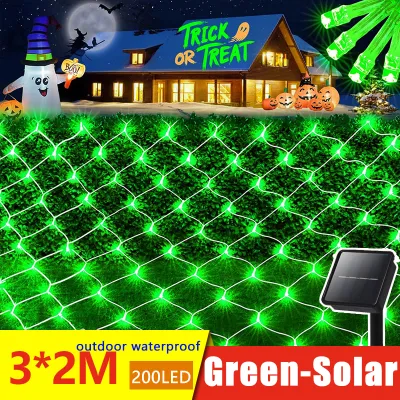
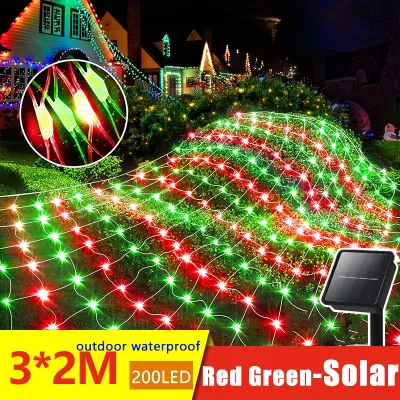
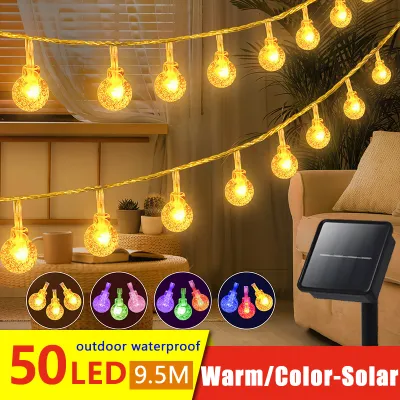
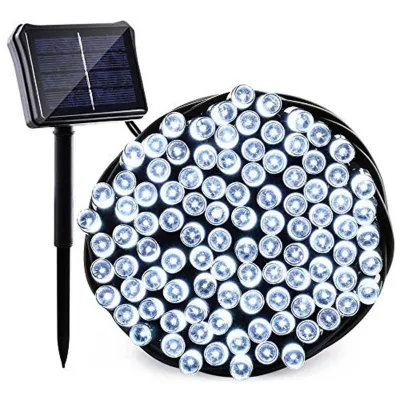
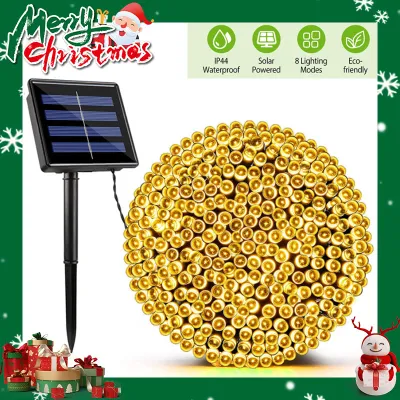
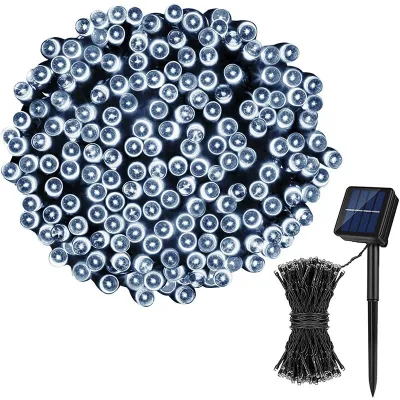
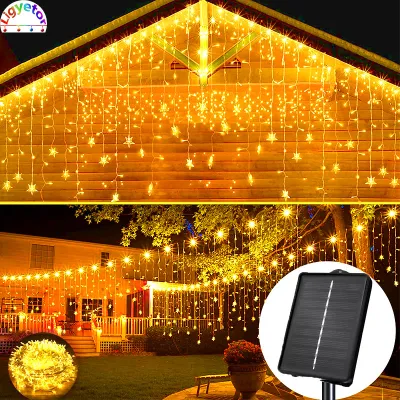
Prices are valid at publication and may change. Please refer to the product page for the latest price.
Beyond water resistance, the materials used in the wire insulation and bulb casings determine how many holiday seasons your lights will survive. The intense, year-round ultraviolet radiation in tropical climates can rapidly degrade low-quality plastics, causing them to become brittle, discolor, and eventually crack. Look for light strings constructed with heavy-duty, UV-stabilized PVC or rubberized cabling rather than thin, transparent plastic wires. Rubberized cables offer superior flexibility and resistance to thermal expansion, preventing the internal copper wiring from snapping or exposing live currents when subjected to extreme daytime heat and cooler night temperatures.
The solar panel housing and its mounting hardware require the same level of material scrutiny as the light strand itself. The housing should be constructed from high-impact, UV-resistant ABS plastic to prevent warping or cracking under direct sunlight. Inspect the connection joints where the wire enters the solar panel housing and where individual light strands connect to one another. These joints must feature threaded locking collars and internal rubber gaskets to create a watertight seal. Without these protective seals, moisture can easily seep into the internal circuitry of the solar controller, leading to rapid corrosion, short circuits, and permanent failure of the entire lighting system.
If you reside in a coastal region, salt-air corrosion is an additional environmental factor that can quickly ruin outdoor electronics. Salt spray accelerates the oxidation of exposed metal components, particularly the screws, brackets, and electrical contacts within the solar panel assembly. To mitigate this risk, verify that any metal hardware included with the lights is made of stainless steel or treated with a corrosion-resistant coating. Regularly inspecting these connection points for signs of rust or green copper oxidation will help you address minor wear before it leads to a complete electrical failure.
Assessing Brightness, Color Accuracy, and Battery Life
Evaluating the performance of solar-powered lights requires looking past generic marketing claims and focusing on technical specifications. The brightness of an LED string light is determined by its lumen output and the density of the bulbs along the wire. Because solar lights operate on limited battery power, they are generally less intense than traditional mains-powered incandescent bulbs. To achieve a noticeable, festive impact against ambient streetlights and neighborhood decorations, look for strands with a high LED count, such as 100 to 200 bulbs per set, with close spacing between each diode. Checking the manufacturer’s specification sheet for the total lumen output will give you a realistic expectation of how brightly the green light will project onto your walls, hedges, or trees.

The battery capacity and chemistry type are critical factors that dictate how long your green Christmas lights will remain illuminated after the sun goes down. Battery capacity is measured in milliampere-hours (mAh), and a larger capacity allows the system to store more energy for nighttime use. For a standard 100-LED strand to run continuously for 6 to 8 hours, a battery capacity of at least 1200 mAh is generally required. Pay close attention to the battery chemistry; modern lithium-ion or lithium iron phosphate batteries are highly recommended over older nickel-metal hydride batteries. Lithium-based batteries charge more efficiently, handle high-temperature environments better, and maintain their overall capacity over significantly more charge cycles, ensuring reliable performance throughout the holiday season.
Color accuracy is another essential consideration when shopping for green holiday lighting. True green LEDs emit a pure, vibrant wavelength of light that creates a rich, emerald-like glow. Some lower-quality multi-color light strands feature a green mode that simply turns off the other colors, which often results in a dim, washed-out, or yellowish-green appearance. To ensure a consistent and striking visual display, choose dedicated single-color green strands where every single LED is engineered specifically to emit green light. This guarantees uniform color temperature and brightness across the entire length of the installation, avoiding patchy or mismatched sections.
Solar Panel Placement and Charging Efficiency
The operational success of your outdoor solar Christmas lights depends entirely on the placement and efficiency of the solar panel. To achieve a full charge, the solar panel must receive direct, unobstructed sunlight for a minimum of 6 to 8 hours daily. In dense residential areas, finding a spot that meets this requirement can be challenging due to shadows cast by neighboring houses, high walls, or mature trees. Before mounting your lights, spend a day observing the sun’s path across your property to identify the areas that receive the most consistent sunlight, keeping in mind that the sun’s angle shifts slightly during the cooler months of the year.
To overcome the challenge of shaded decorating areas, pay close attention to the lead cable length of the light set. The lead cable is the unlit portion of wire that runs from the solar panel to the very first LED bulb on the strand. A generous lead cable length of at least 2 to 3 meters gives you the flexibility to place the solar panel in a highly exposed, sunny location—such as high on a fence, on top of a garden post, or secured to a roof gutter—while wrapping the actual green lights around a shaded porch, doorway, or dense shrubbery. If the lead cable is too short, you may be forced to place the solar panel in a shaded area, severely compromising the system’s ability to charge.
The type of solar panel technology used also plays a major role in charging efficiency, particularly during overcast days. Monocrystalline solar panels are constructed from a single, high-purity silicon crystal structure, making them highly efficient at converting sunlight into electricity even in limited space or under partial cloud cover. Polycrystalline panels, which are recognizable by their speckled blue appearance, are less expensive to manufacture but have a lower conversion efficiency. Opting for monocrystalline panels ensures that your green lights can harvest the maximum amount of energy possible during the day, providing a longer and brighter display at night even when the weather is less than ideal.
Safe Installation and Maintenance Practices
Installing outdoor solar lights safely requires using the correct hardware and techniques to protect both the product and your home’s exterior surfaces. When mounting lights along gutters, fences, or rooflines, avoid using metal staples, nails, or tacks, as these can easily pinch, cut, or wear through the wire’s protective insulation over time. Instead, opt for UV-stabilized nylon zip ties, insulated cable clips, or heavy-duty outdoor adhesive hooks designed specifically for seasonal decorations. These fasteners secure the wires firmly against wind loads—which can be substantial during the northeast monsoon season—without risking electrical shorts or physical damage to the cabling.
Regular maintenance of the solar panel is essential to keep the charging system operating at peak efficiency. Over time, a fine layer of dust, pollen, soot from nearby traffic, and organic debris can accumulate on the glass surface of the solar panel, blocking sunlight and reducing energy conversion. To prevent this, establish a routine of cleaning the panel every two to three weeks. Use a soft, damp microfiber cloth and plain water to gently wipe away any buildup; avoid using abrasive scrubbing pads, steel wool, or harsh chemical detergents, as these can scratch or cloud the protective cover, permanently reducing the panel’s light transmission.
While solar-powered string lights operate on low-voltage direct current and pose a minimal risk of electrical shock, safety precautions must still be observed during installation. If your decorating plan involves working at heights, such as hanging lights along high rooflines or wrapping tall palm trees, ensure you use a stable, secure ladder and have a spotter assist you. Furthermore, if your installation path brings you close to main overhead electrical service lines, stop immediately and consult a qualified professional. Never attempt to hang decorations near utility lines or modify the low-voltage wiring of your solar lights to connect them directly to household mains power, as this violates safety standards and voids the manufacturer’s warranty.
Building Your Shortlist on E-commerce Platforms
When shopping for green solar Christmas lights on online marketplaces, using precise search terms and filtering tools will help you cut through low-quality listings. Instead of searching for broad terms like “green Christmas lights,” use specific queries such as “IP65 solar string lights green outdoor” or “monocrystalline solar Christmas lights green.” Once the results appear, filter the listings to show products with high ratings and read through the customer reviews carefully. Look for detailed reviews that mention how the lights perform during heavy rain or high humidity, and pay close attention to user-uploaded photos to verify the actual color and brightness of the LEDs in real-world conditions.
Be vigilant against misleading product descriptions and exaggerated specifications, which are common on e-commerce platforms. Some sellers may advertise unrealistic battery capacities or claim waterproof protection without providing an official IP rating. If a listing lacks clear details regarding the wire material, solar panel type, or battery chemistry, use the platform’s messaging feature to ask the seller for clarification. A reputable seller should be able to provide clear, accurate specifications and confirm whether the product carries relevant electrical safety certifications.
Finally, always review the seller’s return policies and warranty terms before finalizing your purchase. Because outdoor seasonal decorations are subjected to harsh environmental conditions, there is always a small risk of premature component failure or receiving a defective unit. Choose sellers that offer a clear replacement window for factory defects and a warranty period of at least several months. Understanding the return process on your chosen e-commerce platform—including who covers the return shipping costs—will give you peace of mind and protect your investment should the lights fail to charge or operate correctly upon arrival.
Frequently Asked Questions (FAQ)
Can solar Christmas lights charge on cloudy or rainy days?
Yes, solar panels can still charge on cloudy or rainy days, but their efficiency is significantly reduced. Because clouds block direct sunlight, the panel may only receive diffused light, resulting in a much slower charge. During prolonged rainy periods, expect the battery to only partially charge, which will shorten the nighttime runtime of your green lights.
How do I store solar string lights after the holiday season?
Proper storage is key to extending the lifespan of your lights. Before packing them away, clean the solar panel and wires to remove dirt and moisture, allowing them to dry completely. If the solar unit has a removable rechargeable battery, take it out to prevent corrosion and leakage during the off-season. Gently coil the wires around a cardboard tube to avoid sharp bends, and store the set in a cool, dry place away from direct sunlight and pests.
Why do my solar lights turn on during the day?
Solar lights use a built-in light sensor, often integrated into the solar panel itself, to detect when it is dark. If your lights turn on during the day, the sensor is likely blocked by dirt, fallen leaves, or cast in a deep shadow from nearby structures or trees. Clean the panel surface and adjust its angle to ensure it receives direct daylight, which will signal the sensor to keep the lights off until dusk.

Community discussion
Share your experience or ask a question. Comments are reviewed before publication.