
To transform a bedroom into a relaxing sanctuary, choosing the right firefly string lights requires looking beyond basic aesthetics to evaluate technical specifications like color temperature, power delivery, wire durability, and safety certifications. In tropical climates like the Philippines, where bedroom spaces range from compact high-rise condos to airy residential rooms, these small details dictate how well your lighting setup performs over time. Selecting the ideal set involves matching the physical layout of your bed or walls with the electrical and functional features of the lights, ensuring a cozy, personalized retreat that integrates seamlessly with your daily routines.
Matching Light Warmth and Brightness to Sleep Routines
The color temperature of your bedroom lighting directly influences how easily you transition into sleep. When shopping for firefly string lights, look closely at the product packaging or online marketplace specifications for the Kelvin (K) rating. For a calming, sleep-friendly environment, aim for a warm white light rated between 2200K and 2700K, which mimics the soft, amber glow of candlelight. Avoid lights labeled “cool white” or those with ratings above 4000K, as these emit blue-toned light that can interfere with your body’s natural sleep signals.
Adjustable brightness is another essential feature for bedside installations. A set of lights that feels perfectly cozy at dusk might feel blindingly bright when the rest of the room is completely dark. Choosing firefly lights with built-in dimmers or multiple brightness levels allows you to dial down the intensity as you get closer to bedtime. This flexibility prevents harsh glare near your eyes, making it much easier to read, meditate, or wind down without straining your vision.
Products mentioned in this guide
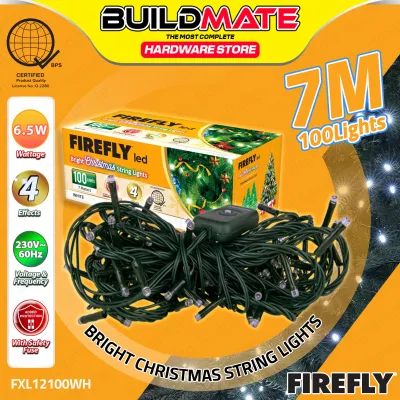
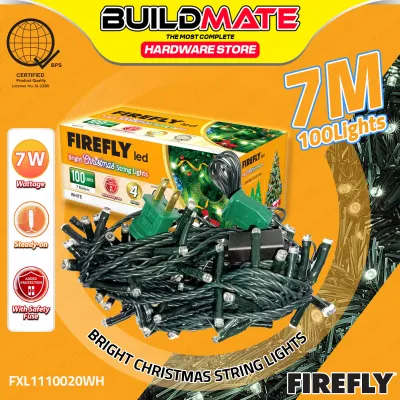
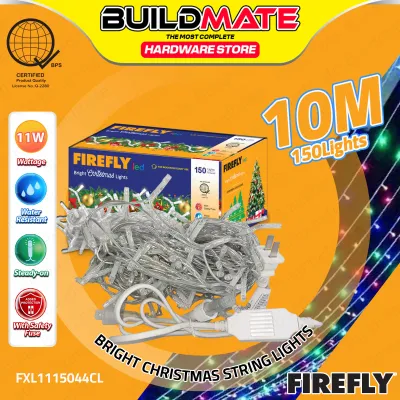
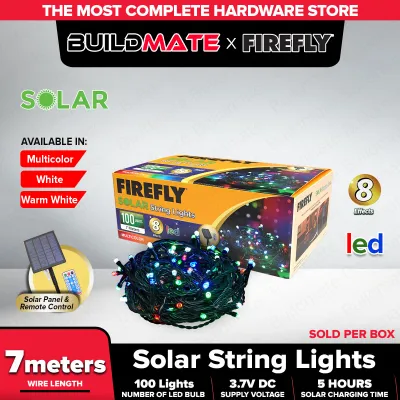
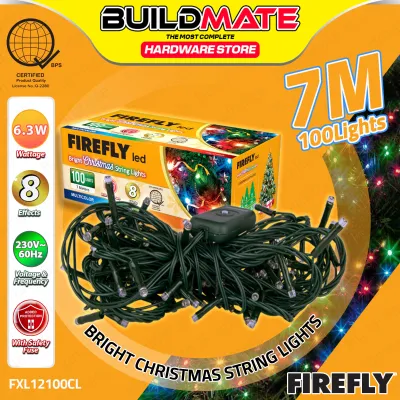
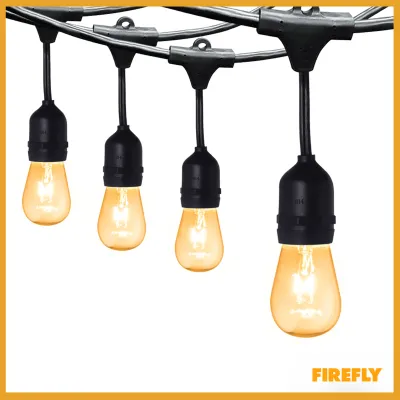
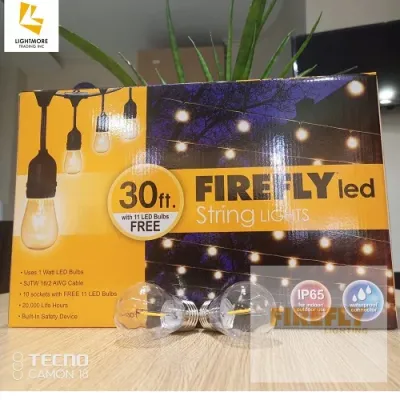
Prices are valid at publication and may change. Please refer to the product page for the latest price.
You should also evaluate the density of the LEDs along the wire to ensure a balanced distribution of light. Standard firefly string lights typically feature bulbs spaced about 10 centimeters apart, which creates a soft, scattered starry effect across a wide area. High-density options, where bulbs are spaced 5 centimeters or closer, produce a much brighter, more concentrated line of light. For bedroom ambiance, wider spacing is generally preferred because it diffuses the light gently rather than creating intense, distracting hot spots right next to your bed.
Sizing the Wire Length and Material for Bedroom Layouts
Before purchasing any string lights, taking precise measurements of your bedroom layout will save you from the frustration of a short cord or an awkward, dangling installation. Use a flexible measuring tape to trace the exact path where you plan to hang the lights, whether that is along the perimeter of a wooden headboard, woven through a metal bed frame, or draped over a curtain rod. If you plan to wrap the lights around a post or frame, remember to multiply the linear length by at least 1.5 to account for the extra wire consumed by the wrapping process.

The material of the wire itself plays a significant role in both the styling and the longevity of your lights. Flexible copper wire is incredibly popular for bedrooms because it is ultra-thin, lightweight, and holds its shape perfectly when bent around furniture or decorative items. However, in humid tropical environments, bare copper can oxidize over time, leading to discoloration. To prevent this, look for copper wires that feature a protective lacquer coating or insulated silver plating. Alternatively, standard PVC-jacketed strands are highly durable and resist moisture well, though they are thicker and less discreet during the day.
As a general rule, always select a string light set that is slightly longer than your final measurement. Having a bit of extra length—around 10% to 15% more than needed—prevents you from pulling the wire too tight, which can strain the delicate solder joints and cause the lights to fail. Extra wire also gives you the freedom to create natural, relaxed drapes and loops, resulting in a much more organic and aesthetically pleasing display.
Evaluating Power Sources for Nightstand and Canopy Use
Choosing the right power source is crucial for keeping your bedroom looking neat and avoiding a tangled mess of cables near your bed. USB-powered firefly lights offer excellent versatility because they run on a safe, low-voltage 5V system. You can plug them directly into a standard phone charger block, a USB wall outlet, or even a portable power bank hidden under your pillow. This makes them highly convenient for bedside tables where power outlets are already occupied by phone chargers or reading lamps.
For installations where a wall outlet is completely out of reach, such as a ceiling canopy or a far corner of the room, battery-operated models provide complete placement freedom. However, battery life is a key trade-off to consider. A typical set of battery-powered lights running on three AA batteries will provide bright illumination for several dozen hours before the light begins to dim. To avoid the ongoing cost and environmental impact of disposable batteries, look for lights that are compatible with rechargeable NiMH batteries, which maintain a steady voltage and can be reused hundreds of times.
If you prefer a permanent, high-brightness setup and have an outlet nearby, direct plug-in models are a reliable choice. In the Philippines, ensure the plug-in adapter is rated for 220V and carries recognized safety certification marks on the housing. When routing these cords, use adhesive cable clips to secure the wires along the back edges of your nightstand or headboard, keeping the floor clear of tripping hazards and keeping the power brick well-ventilated.
Convenience Features for Effortless Ambiance Control
To maintain a truly relaxing bedroom environment, you should be able to control your lighting without having to climb out of bed. Firefly string lights equipped with remote controls allow you to adjust the brightness, switch between modes, and turn the lights off directly from your pillow. If you choose a remote-controlled set, look for one that uses Radio Frequency (RF) technology rather than Infrared (IR), as RF remotes do not require a direct line of sight and can work even if the receiver is hidden behind a wooden headboard.
Built-in timers are another highly convenient feature that helps automate your evening wind-down routine. Many modern firefly lights include a simple timer function that automatically keeps the lights on for 6 hours and turns them off for 18 hours. By setting this timer to activate at dusk, your bedroom will welcome you with a warm glow every evening, and the lights will safely turn themselves off long after you have fallen asleep, conserving energy and extending the lifespan of the LEDs.
Additionally, verify whether the light controller includes a memory function. Without this feature, many string lights will default to their brightest setting or a distracting flashing mode every time they are turned off and on again. A memory function ensures the controller remembers your preferred brightness level and static mode, saving you from the annoyance of cycling through multiple flashing patterns every single night just to find your favorite calm setting.
Bedroom Safety and Installation Boundaries
While modern LED firefly lights are designed to run cool, safety should always remain your top priority when installing electrical devices near bedding and fabrics. Before draping any lights over curtains, tapestries, or bed linens, verify that the manufacturer’s packaging explicitly states they are low-heat, low-voltage LEDs. Even low-voltage lights generate a small amount of heat at the individual diodes and the power adapter, so ensuring proper air circulation around the entire length of the string is essential.
To minimize safety risks, keep all wires, power adapters, and battery packs clear of heavy blankets, thick pillows, and direct body contact. Never sandwich a power adapter between your mattress and the wall, as trapped heat can damage the internal components and create a hazard. Instead, mount battery packs and adapters on solid, non-flammable surfaces like the back of a wooden headboard or a nearby wall using removable, damage-free adhesive hooks.
Finally, know when to step back and seek professional assistance. If your bedroom layout requires modifying wall switches, installing new electrical outlets behind your bed, or running permanent wiring through your walls, do not attempt a DIY installation. Always consult a qualified, licensed electrician to handle these tasks safely. Furthermore, if you ever notice frayed wires, exposed copper, or a warm, melting smell coming from your light adapter, unplug the set immediately and discard it to protect your home.
Frequently Asked Questions (FAQ)
Can I leave firefly string lights on all night?
While low-heat LED firefly lights are generally much safer than older incandescent bulbs, leaving them on continuously all night is not recommended. Always check the manufacturer’s guidelines on the packaging for specific run-time limits and heat warnings. To save energy, protect the lifespan of the LEDs, and ensure absolute safety while you sleep, it is best to use a built-in timer or a smart plug to automatically turn the lights off shortly after your bedtime.
How do I hide the battery pack or power cord?
You can easily conceal a bulky battery pack by mounting it to the back of your headboard or the underside of your nightstand using removable, damage-free adhesive strips. For power cords, route them neatly along the back edges of your furniture using small adhesive cable clips to keep them out of sight. If your power source must sit on a tabletop, you can place it inside a decorative hollow book, a small woven basket, or a stylish ceramic dish, ensuring there is still enough ventilation to prevent heat buildup.

Community discussion
Share your experience or ask a question. Comments are reviewed before publication.