
A floating moon lamp is a captivating addition to any modern interior, especially in compact spaces like urban condominiums where ambient lighting defines the mood. To find a model that is both a reliable light source and a stable decorative piece, you must evaluate key technical specifications before purchasing. Selecting the right lamp requires looking closely at the magnetic levitation weight capacity, the quality of the 3D-printed sphere, the versatility of the light controls, and local electrical compatibility. By focusing on these engineering and material details, you can avoid the common pitfalls of weak suspension, cheap-looking plastics, or electrical mismatches.
Evaluating Levitation Stability and Base Design
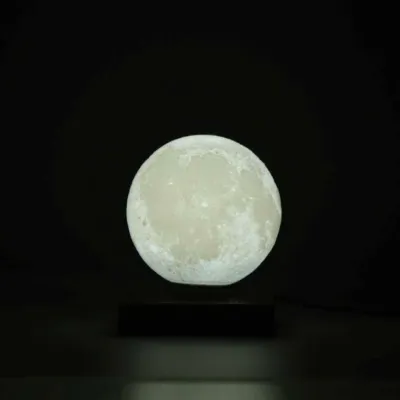
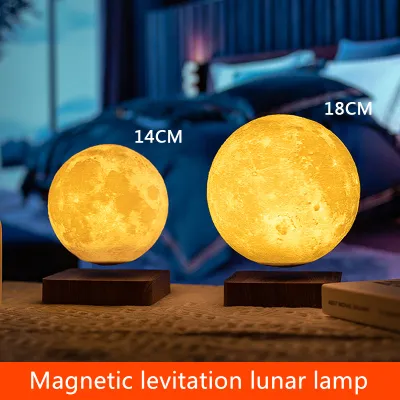
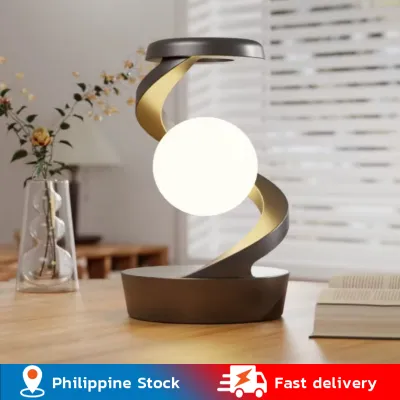
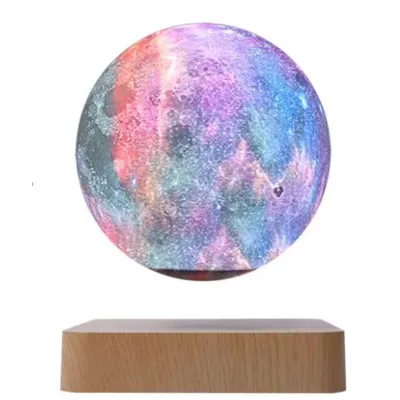
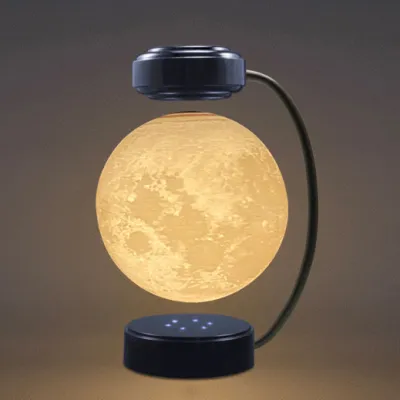
The magic of a floating moon lamp relies entirely on magnetic levitation, where electromagnets in the base interact with a permanent magnet inside the sphere. When evaluating different models, check the manufacturer’s specified levitation gap, which typically ranges from 10 to 20 millimeters. A larger gap is visually striking but requires a more robust electromagnetic system to maintain a stable suspension.
The physical weight and material of the base are equally critical for long-term stability. A heavy base made of solid wood, dense resin, or weighted composite materials provides a stable anchor that resists tipping. This stability is particularly important in active households with pets, young children, or even strong drafts from air conditioning units and electric fans.
Products mentioned in this guide
Prices are valid at publication and may change. Please refer to the product page for the latest price.
During operation, minor, slow fluctuations in the levitation gap or a gentle swaying of the sphere are normal characteristics of active electromagnetic feedback loops adjusting to ambient air currents. Before purchasing, review the alignment process in the manual; finding the precise electromagnetic “sweet spot” requires a brief learning curve.
Assessing Moon Texture, Material, and Print Quality
The visual appeal of the lamp depends heavily on how realistically the sphere mimics the lunar surface. High-quality models utilize advanced 3D printing technology to recreate actual NASA topographic imagery, complete with detailed craters, highlands, and maria.

When comparing options on online marketplaces, look closely at the printing resolution. Budget-friendly models often exhibit thick, visible printing layers or ribbing that can make the sphere look like cheap, molded plastic when illuminated. Premium options feature ultra-fine layer heights that diffuse light evenly and maintain a realistic texture even when the lamp is turned off.
The material of the sphere affects both durability and light transmission. Polylactic acid (PLA) is a common, lightweight option, but specially formulated PVC or resin spheres offer enhanced structural integrity and better heat resistance. Inspect product photos and user reviews for any prominent seam lines or weak magnetic attachment points at the bottom of the sphere.
Comparing Light Modes, Color Temperatures, and Controls
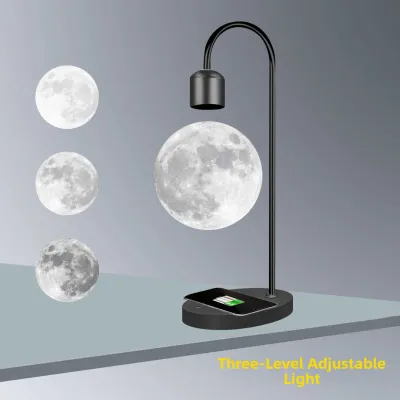
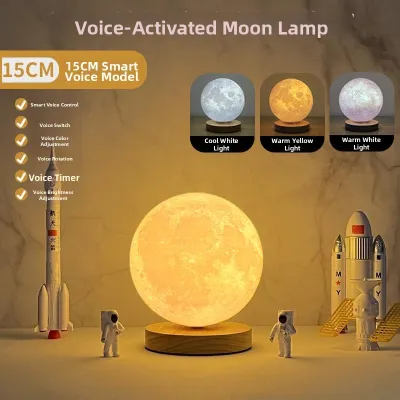
A versatile floating moon lamp should offer adjustable lighting options to suit different times of day and activities. Most standard models feature at least three distinct color temperatures: a warm white (around 2700K) for a cozy evening ambiance, a neutral white (around 4000K) for general reading, and a cool white (around 6000K) that replicates the actual moon’s stark glow.
Because these devices are designed primarily for mood lighting, high lumen output is not a primary performance metric. Instead, prioritize lamps that offer smooth dimming capabilities and high-quality light diffusion, which prevent eye strain and create a more soothing atmosphere in your room.
Control interfaces vary from touch-sensitive sensors on the base to physical remote controls and smart home integration. If you prefer dynamic lighting, look for models that include subtle transition modes, such as a slow rotation or a gentle breathing effect, which can be controlled directly from the interface.
Checking Power Options, Cord Management, and Safety
Electrical compatibility is a crucial safety consideration when importing or purchasing electronic decor. In the Philippines, the standard household electrical supply is 220V at 60Hz. Always verify that the included power adapter is rated for this voltage range and features a compatible plug type to avoid the need for bulky, unsafe voltage converters.
Because the visual appeal of a floating lamp relies on a clean, minimalist aesthetic, cord management is an important design detail. Look for bases that feature recessed cable channels on the underside, allowing the power cord to exit flatly without destabilizing the base. Ensure the power cord is long enough to reach your outlet safely without stretching.
Electromagnetic levitation bases contain active coils that generate mild heat during continuous operation. Reliable models incorporate built-in thermal management features, such as ventilation slots or automatic overheat shut-off circuits, alongside recognized electrical safety certifications. Check the power consumption rating to understand the long-term energy cost of running the lamp daily.
Planning Setup, Placement, and Daily Maintenance
Proper placement is essential to protect the sensitive electromagnetic components of your floating moon lamp. Position the lamp on a flat, level, and rigid surface away from large metal objects, speakers, subwoofers, or Wi-Fi routers, as strong external magnetic fields can disrupt the suspension system.
When powering on the device, always place the base on a flat surface first, plug it in, and then slowly lower the moon sphere with both hands until you feel the magnetic upward pull. Releasing the sphere too quickly or without engaging the magnetic field can cause the powerful magnets to slam the sphere violently against the base, potentially cracking the shell or damaging the internal electronics.
To maintain the lamp’s appearance, clean the sphere and the base regularly using a dry, non-abrasive microfiber cloth, avoiding liquid cleaners or harsh chemical solvents. If you ever notice an unusual high-pitched humming noise, erratic levitation behavior, or excessive heat radiating from the base, immediately unplug the device and consult the manufacturer.
Frequently Asked Questions (FAQ)
Can a floating moon lamp be left on continuously?
You should always check the manufacturer’s recommended maximum daily runtime, as continuous electromagnetic levitation generates mild heat within the base. To ensure longevity, monitor the base temperature periodically and avoid placing the lamp in enclosed, unventilated shelves where heat can accumulate. Unplugging the lamp when you leave the house or during sleep is a practical way to extend the lifespan of the electromagnetic coils.
What happens to the floating moon if the power goes out?
When the power supply is interrupted, the electromagnetic field in the base collapses instantly. Most modern floating moon lamps are engineered with a safety drop mechanism, utilizing strong permanent magnets that pull the moon sphere down securely onto the center of the base to prevent it from rolling off. Before buying, verify if the model features this automatic magnetic catch or includes protective padding on the base to cushion the impact and prevent the sphere from cracking.

Community discussion
Share your experience or ask a question. Comments are reviewed before publication.