
The choice between a classic green library lamp—often known as a banker’s lamp—and a modern LED reading lamp for extended reading sessions depends on whether you prioritize highly adjustable, customizable illumination for intense focus or a warm, directional glow with a classic aesthetic for relaxed reading. While modern LED lamps offer superior flexibility, color temperature adjustments, and low heat output, the traditional green library lamp provides a nostalgic, focused pool of light that many find comforting for casual reading. Evaluating these options requires looking closely at light quality, physical ergonomics, spatial requirements, and electrical safety in your specific reading environment.
Light Quality and Eye Comfort
The green glass shade of a traditional banker’s lamp acts as a physical barrier, directing light downward onto the page while casting a soft, green ambient glow into the rest of the room. This creates a high-contrast reading zone, which can be satisfying but may cause eye fatigue if the surrounding room is completely dark.
In contrast, modern LED reading lamps often feature diffused panels or adjustable lenses that distribute light more evenly across a wider desk surface. This diffusion minimizes harsh hotspots and reduces the contrast strain between your book and the immediate surroundings.
Products mentioned in this guide
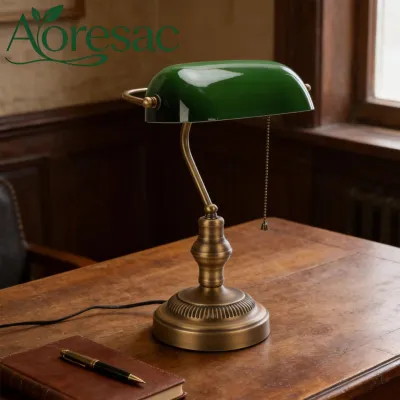
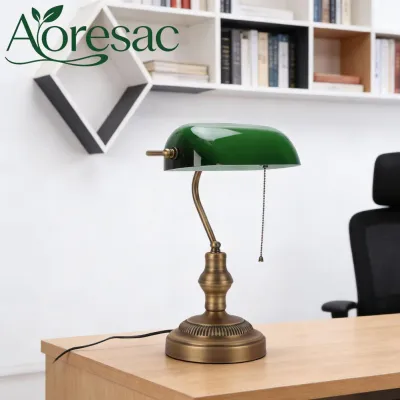
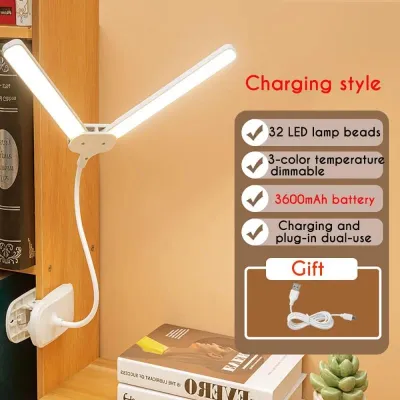
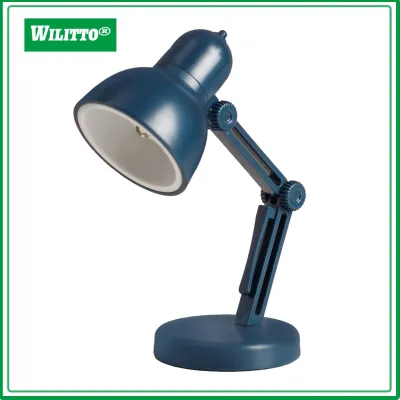
Prices are valid at publication and may change. Please refer to the product page for the latest price.
When evaluating modern LED options, check the specifications for the Color Rendering Index (CRI). A CRI of 90 or higher is ideal for reading, ensuring text stands out sharply. Color temperature, measured in Kelvin (K), also plays a critical role; a warm white light of 2700K to 3000K is excellent for relaxed evening reading, while a cool white light of 4000K to 5000K enhances alertness during intense study.
Traditional library lamps, with their fixed horizontal bulbs, can produce sharp shadows if your hand or head blocks the light path, and they may reflect harsh glare off glossy pages. Modern LED lamps allow you to tilt, rotate, or dim the light source to eliminate direct reflections and soften shadows, making them highly adaptable to different reading materials.
Practicality and Ergonomics for Daily Use
Traditional green library lamps are iconic for their heavy, solid brass or metal bodies, but they offer limited physical adjustability. Most models only allow you to tilt the glass shade slightly, meaning you must position your body or book to match the fixed pool of light. This lack of articulation can lead to poor posture or neck strain during long reading sessions.

Modern LED reading lamps excel in physical ergonomics, featuring multi-axis adjustable arms, goosenecks, and rotating heads. These design elements allow you to direct the light precisely where you need it, whether sitting at a desk or reading in bed. Adjusting the height and angle of the lamp helps you maintain an ergonomic posture without struggling with shadows.
Heat output is another significant consideration in warm, tropical climates like the Philippines where ambient temperatures are already high. Traditional library lamps using incandescent or halogen bulbs can become hot to the touch within minutes, radiating noticeable heat. Modern LED modules run remarkably cool, converting most of their energy into light rather than heat, which keeps your reading nook comfortable.
Furthermore, modern LED fixtures frequently come equipped with convenient digital features. Look for models with built-in touch controls, step-less dimming, and color temperature adjustment buttons that let you fine-tune the light. Some models even include memory functions that automatically restore your last-used brightness and color settings.
Aesthetic Integration and Space Requirements
The aesthetic appeal of a green library lamp is undeniable, bringing classic sophistication and warmth to any study. However, this traditional design relies on a heavy, wide metal base to balance the weight of the thick glass shade, meaning it occupies a substantial footprint on your desk. If you have a compact workspace, the physical presence of a banker’s lamp can feel restrictive.
Modern LED reading lamps offer a stark contrast with their sleek, minimalist profiles. Many contemporary models feature ultra-thin bases, while others utilize clamp-on mounts that attach directly to the edge of your desk or headboard, freeing up valuable surface area. This space-saving design is particularly beneficial for smaller rooms or multi-functional workspaces.
Before making a purchase, measure your desk depth and evaluate the lamp’s physical reach to ensure it fits your layout. Check the length of the power cord as well, as a short cord may limit placement or force you to use extension cords. Ensuring that the lamp’s arm can extend over your reading material without blocking your line of sight is key to a comfortable setup.
Electrical and Hardware Specification Checklist
When purchasing lighting fixtures, especially from online marketplaces, verifying electrical compatibility is crucial. In the Philippines, the standard household electrical supply is 220V. You must ensure that any lamp you purchase is rated for 220V to prevent electrical damage or fire hazards. Additionally, check the plug type; while many local outlets accept flat two-pin plugs, some imported lamps may come with round pins or three-prong plugs that require a safe adapter.
For classic library lamps that require separate light bulbs, check the manufacturer’s maximum wattage limit and the specific bulb base size, which is commonly an E27 screw base. Exceeding the recommended wattage limit with an old-fashioned incandescent bulb can cause excessive heat buildup, which can crack the delicate green glass shade. Choosing a low-wattage LED bulb with an E27 base is a safer, more energy-efficient alternative.
Finally, look for recognized electrical safety certifications on the product packaging or in the specifications. In the local market, look for the Philippine Standard (PS) mark or the Import Commodity Clearance (ICC) sticker, which indicate that the product has undergone safety testing. For imported modern LED lamps, certifications such as CE, RoHS, or UL provide assurance that the electronic components meet international safety standards.
Final Decision Framework
To make the right choice, consider how you use your space and what kind of reading experience you prefer. Choose the classic green library lamp if you want to create a cozy, traditional atmosphere, value vintage aesthetics, and prefer a fixed, downward-focused pool of light for relaxed evening reading. This style works beautifully as a statement piece, providing a warm, nostalgic glow.
On the other hand, opt for a modern LED reading lamp if your priority is physical adjustability, precise control over brightness, and customizable color temperatures for intense study. The cool operation, space-saving footprint, and ergonomic flexibility of modern LED fixtures make them highly practical for long hours of reading.
If you are torn between the two, you can achieve a middle ground by purchasing a classic green library lamp and equipping it with a modern, low-heat LED bulb. Before doing so, verify that the fixture’s socket is compatible with standard E27 LED bulbs and that the bulb fits entirely inside the glass shade. This hybrid approach allows you to enjoy the timeless aesthetic of the banker’s lamp while benefiting from the energy efficiency and reduced heat of modern LED technology.
Frequently Asked Questions (FAQ)
Do green glass shades actually reduce eye strain?
Historically, the green glass shade of a banker’s lamp was designed to filter the harsh, intense glare of early incandescent bulbs, making it easier on the eyes of clerks, accountants, and librarians who worked long hours with numbers and text. The green color provides a soothing ambient light while directing a focused beam downward onto the desk. However, while this design helps reduce direct glare, it does not offer the customizable brightness or color temperature adjustments of modern fixtures. For optimal eye comfort during long reading sessions, you should test how the light reflects off your specific reading material, as modern high-CRI LEDs with adjustable color temperatures often provide superior contrast and more effective glare reduction.
Can I use modern LED bulbs in a classic library lamp?
Yes, you can generally use modern LED bulbs in a classic library lamp, provided the bulb has the correct base type—typically a standard E27 screw base—and fits physically within the shade. Upgrading to an LED bulb is highly recommended because it significantly reduces heat output, which protects the delicate glass shade from cracking due to thermal stress and lowers energy consumption. When choosing an LED bulb for a classic lamp, ensure its physical size is compact enough so it does not touch the interior of the glass shade, and verify that its wattage equivalent does not exceed the fixture’s maximum rated wattage limit.

Community discussion
Share your experience or ask a question. Comments are reviewed before publication.