
To ensure heavy-duty solar lights actually last, you must look beyond aesthetic appeal and focus on verifiable specifications like physical build materials, Ingress Protection (IP) ratings, battery chemistry, and structural mounting hardware. In tropical climates like the Philippines, where intense heat, high humidity, and torrential rains are common, standard plastic fixtures often degrade within months. Truly heavy-duty solar lights rely on robust, weather-resistant enclosures, high-capacity rechargeable batteries, and secure mounting systems designed to withstand local environmental stressors.
Evaluating Enclosure Materials and Physical Build
When shopping for durable outdoor fixtures, the physical build quality is your first line of defense against the elements. Heavy-duty solar lights typically feature housings made from die-cast aluminum, stainless steel, or high-grade ABS plastic. Aluminum and stainless steel offer superior structural rigidity and weight, which helps them resist physical impacts, accidental bumps from garden tools, and strong winds. You can often gauge this quality by checking the product weight and finish details in the specifications.
Sun exposure is another critical factor that causes standard plastics to become brittle, fade, and crack over time. To prevent this degradation, check product labels for explicit mentions of UV-resistant coatings or UV-stabilized materials, such as polycarbonate or high-impact ABS. These treatments ensure the housing remains structurally sound even under constant exposure to intense tropical sunlight.
Products mentioned in this guide
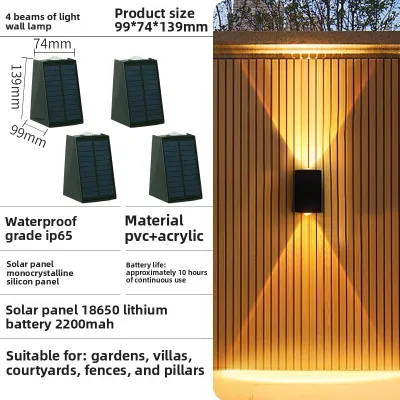
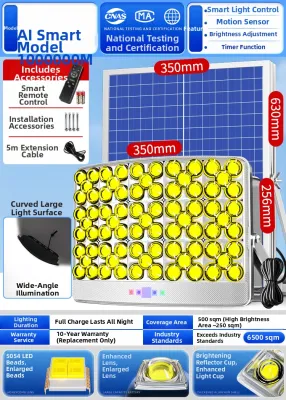
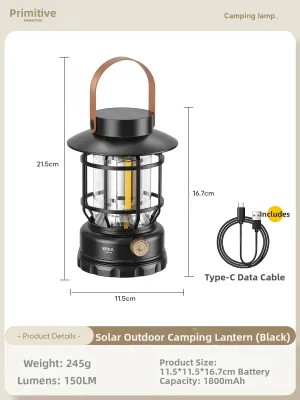
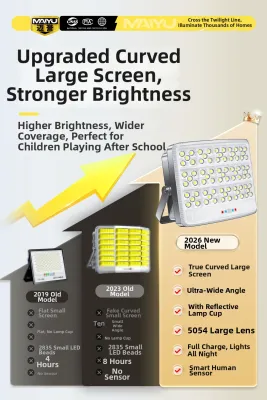
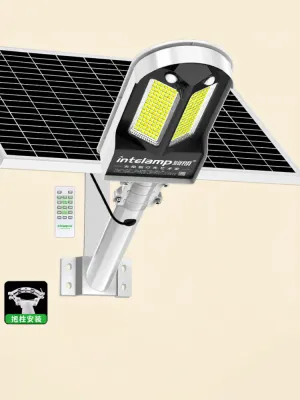
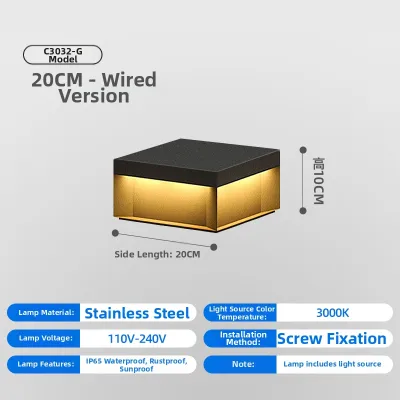
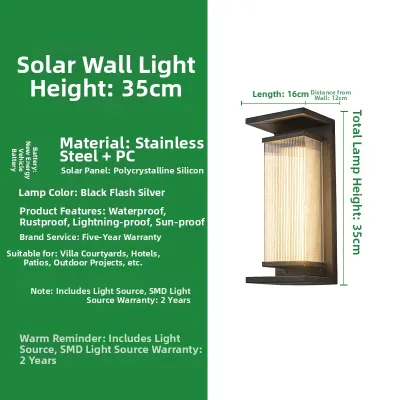
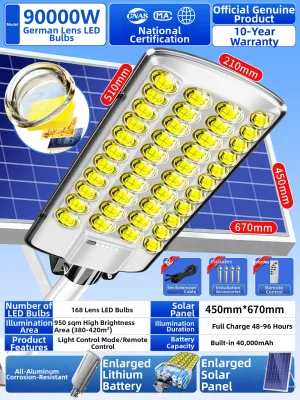
Prices are valid at publication and may change. Please refer to the product page for the latest price.
Finally, take a close look at the assembly details. High-quality fixtures use thick tempered glass or impact-resistant polycarbonate lenses rather than thin, flexible plastic sheets that cloud over. Inspect the joint seals and fastener types; heavy-duty models generally feature stainless steel screws and thick silicone gaskets at every seam. These physical indicators show that the manufacturer designed the fixture to maintain its structural integrity over years of outdoor exposure.
Decoding Weather Resistance and IP Ratings
Understanding Ingress Protection (IP) rating labels is essential for matching a solar light to its specific outdoor environment. An IP rating consists of two digits: the first measures protection against solid objects like dust (ranging from 0 to 6), while the second measures protection against liquids (ranging from 0 to 9). For outdoor lighting, a higher second digit is crucial for preventing internal water damage.

You should match the required water resistance level to the specific zone where you plan to install the light. For open lawns, pathways, or garden beds fully exposed to heavy monsoon downpours, look for at least an IP65 or IP66 rating, which indicates protection against dust ingress and high-pressure water jets. Semi-sheltered areas, such as covered patios or under deep eaves, may only require an IP44 rating, but fully exposed zones demand maximum protection to prevent internal moisture buildup.
In addition to standard IP ratings, look for specific weatherproofing claims like corrosion resistance. You can verify these claims by checking the manufacturer’s specifications for anodized finishes, powder-coated metals, or marine-grade materials. These treatments are especially important if you live in coastal areas where salty air can rapidly accelerate metal degradation and ruin unprotected fixtures.
Assessing Battery, Panel, and Lighting Specifications
The internal components of a solar light dictate how long it will run each night and how many years it will function before needing parts replaced. Many standard solar lights rely on inexpensive NiMH batteries, which tend to degrade quickly under high temperatures. In contrast, heavy-duty fixtures typically utilize Lithium Iron Phosphate (LiFePO4) or Lithium-ion batteries, which offer superior thermal stability and longer lifecycles. Prioritize fixtures that feature user-replaceable battery compartments so you can swap out worn cells after a few years instead of discarding the entire unit.
The solar panel’s physical size and material also play a major role in long-term reliability. Monocrystalline solar panels generally offer higher energy conversion efficiency than polycrystalline alternatives, making them better suited for charging during overcast or rainy seasons. Ensure the panel’s physical size is proportional to the light’s power consumption needs so it can fully replenish the battery during limited daylight hours.
When evaluating illumination, look closely at the lumen output and color temperature specifications. High lumen ratings, such as 500 to 1,000 lumens for security floodlights or 50 to 100 lumens for pathway lights, provide excellent visibility but require larger batteries to sustain them. Choose a color temperature, whether a warm 3000K or a cool 6000K, based on your personal preference, keeping in mind that higher brightness levels will drain the battery faster unless the fixture includes smart power-saving or motion-sensing modes.
Verifying Installation and Electrical Safety Requirements
To prevent premature physical failure or safety hazards, you must verify the mounting hardware and electrical specifications before installation. Heavy-duty ground stakes should be made of thick metal or reinforced ABS plastic rather than thin, pliable plastic that bends or snaps in hard soil. For wall-mounted or pole-mounted solar lights, check the load limits of the brackets and ensure the included anchors are suitable for your specific wall material, such as concrete, brick, or wood, to keep the fixture secure during high winds.
If you are integrating a solar fixture with an existing low-voltage landscape system, always check the voltage, base interface, and wattage limit specifications. While most solar lights are completely self-contained, some hybrid models can connect to low-voltage lines as a backup power source. Verifying compatibility prevents electrical overloads and ensures the system operates safely.
For any installation involving fixed electrical wiring, high-altitude mounting on roofs or tall poles, or structural modifications to your home, safety must be your top priority. Always isolate the power source before handling any wiring, follow the manufacturer’s installation instructions precisely, and consult a qualified professional to ensure your setup complies with local electrical codes and safety standards.
Frequently Asked Questions (FAQ)
Does a higher price always guarantee a heavy-duty solar light? (FAQ)
Not necessarily. While premium fixtures often use better materials, some expensive options prioritize intricate decorative designs over actual structural durability. To avoid overpaying, cross-reference the price tag, whether it is ₱500 or ₱3,000, with tangible build indicators. Look for verified IP65 or higher ratings, aluminum or stainless steel housings, and replaceable LiFePO4 batteries rather than relying on marketing buzzwords or high prices alone.
What routine maintenance keeps heavy-duty solar lights functioning longer? (FAQ)
Regular maintenance is essential to preserve the lifespan of your outdoor lighting. Gently wipe the solar panel with a damp, soft microfiber cloth to remove dust, pollen, and debris that block sunlight. Periodically inspect the joint seals for wear, and check the battery compartment for any moisture or corrosion. Always follow the manufacturer’s specific care instructions, and replace the rechargeable batteries when you notice a significant drop in the light’s nightly runtime.

Community discussion
Share your experience or ask a question. Comments are reviewed before publication.