
Finding a reliable study lamp for student heavy duty use in the Philippines requires looking beyond aesthetic appeal. For students facing grueling board exam preparations, late-night high school review sessions, or demanding university coursework, a desk lamp is not just a decorative accessory—it is an essential piece of academic equipment. The ideal lamp must withstand continuous operation for hours on end, survive frequent physical adjustments, and maintain stable, flicker-free illumination in a variety of study environments.
In the tropical climate of the Philippines, where ambient room temperatures and high relative humidity can accelerate the wear of electrical components, choosing a durable lamp is particularly critical. Many standard desk lamps are designed for occasional, light use and quickly fail under the pressure of daily, multi-hour study marathons. By understanding the engineering behind robust task lighting, students and parents can make an informed investment that supports long-term eye health and academic productivity.
This guide outlines the key physical, optical, and electrical characteristics that define a truly heavy-duty study lamp. It provides a practical framework for evaluating build quality, heat dissipation, and optical safety, helping you select a fixture that will reliably light your path to academic success for years to come.
Products mentioned in this guide
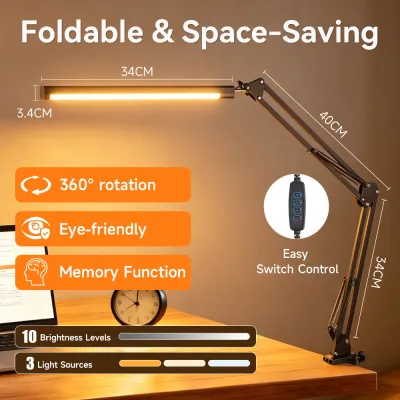
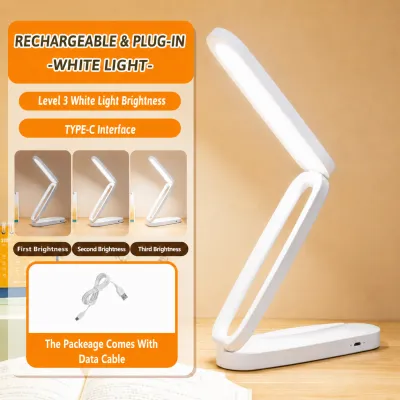
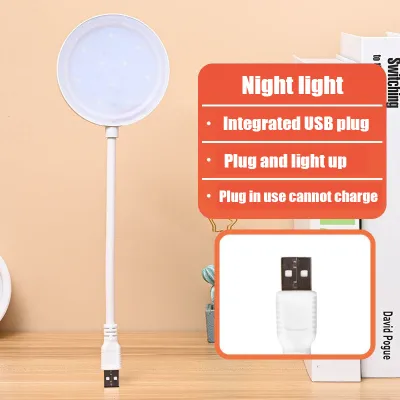
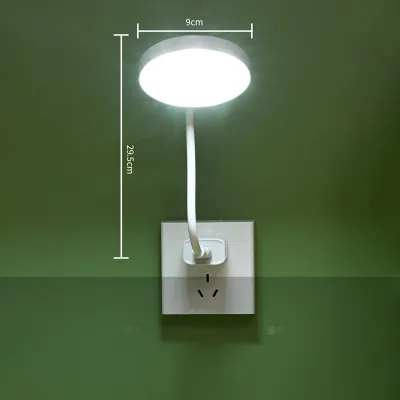
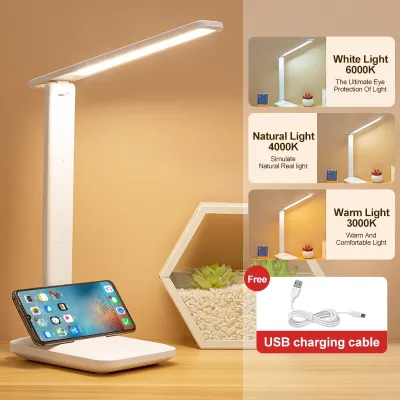
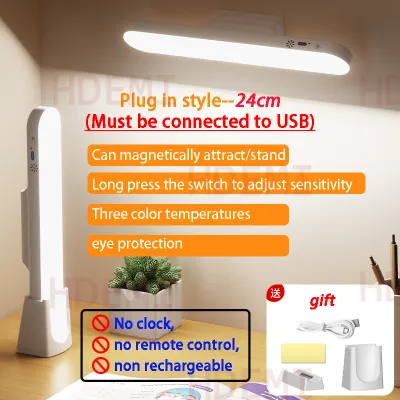
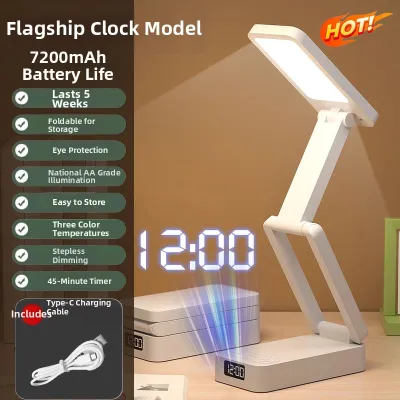
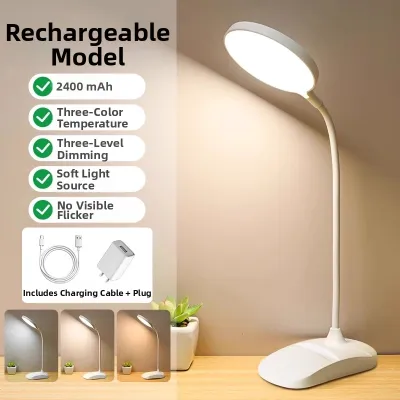
Prices are valid at publication and may change. Please refer to the product page for the latest price.
What Makes a Study Lamp Truly "Heavy-Duty"?
In the context of task lighting, “heavy-duty” does not mean a lamp must look like industrial machinery. Instead, it refers to three core engineering attributes: structural resilience, thermal endurance, and consistent optical output. A heavy-duty study lamp is specifically designed to handle the physical stress of daily repositioning and the thermal stress of continuous operation without degrading in performance.
Standard decorative desk lamps often prioritize style over substance. They frequently utilize thin plastic housings, weak friction joints, and low-grade internal wiring that can easily degrade. In contrast, a heavy-duty task lamp is built with robust materials such as anodized aluminum, steel, or high-impact engineering plastics. Its internal components, particularly the LED driver and wiring, are rated for prolonged duty cycles, ensuring the light remains stable and safe even when left on overnight.
When browsing online marketplaces or physical department stores, it is easy to be misled by marketing buzzwords. Claims like “unbreakable design,” “infinite lifespan,” or “professional-grade” often lack standardized definitions. Instead of relying on these vague promises, look for concrete specifications. A truly durable lamp will list its housing materials, joint construction details, rated operating hours (such as 25,000 to 50,000 hours), and specific electrical safety certifications.
Furthermore, a heavy-duty lamp must maintain its optical quality over time. Cheap LEDs often suffer from rapid lumen depreciation, meaning they lose their brightness or shift in color temperature after only a few months of heavy use. A high-quality task lamp utilizes premium light-emitting diodes and stable circuitry to ensure that the brightness and color accuracy you experience on day one remain consistent throughout the lamp’s operational life.
Mechanical Stability and Build Quality Checks
A study lamp must be physically adjusted to direct light exactly where it is needed, whether you are reading a thick textbook, sketching on a large drafting sheet, or typing on a laptop. This frequent movement puts significant mechanical stress on the lamp’s structure. Evaluating the physical build quality before purchasing is essential to prevent mechanical failure.

First, examine the base design. A heavy-duty lamp requires a solid, weighted foundation to prevent tipping, especially on crowded study desks piled with books and laptops. Look for bases that incorporate a heavy steel or cast-iron plate inside the bottom shroud. You can test this by fully extending the lamp’s arm; if the base lifts or wobbles, the lamp lacks proper weight distribution. Additionally, check for high-density silicone or rubber anti-slip padding on the bottom of the base. This padding prevents the lamp from sliding on smooth wooden or glass desks and protects your furniture from scratches.
Second, inspect the articulated arms and joints, which are the most common points of mechanical failure. Cheap lamps rely on simple plastic friction joints that quickly wear down, causing the lamp head to droop. Heavy-duty models feature metal internal hinges, reinforced steel springs, or adjustable tension knobs. Tension knobs are particularly valuable because they allow you to manually tighten the joints if they loosen over time. Spring-balanced cantilever arms, similar to classic architect lamps, distribute the weight of the lamp head evenly, allowing for smooth, fluid adjustments without putting excessive stress on individual joints.
Finally, evaluate the cable management and strain relief. The power cord should be securely integrated into the lamp’s structure. In premium designs, the wire runs safely inside the metal support tubes, protecting it from external pinches, cuts, or environmental exposure. If the cord is external, inspect the connection points where the wire enters the base and the lamp head. These areas must have robust, flexible rubber strain relief boots to prevent the internal copper wires from fraying or snapping due to repeated bending.
Optical Performance for Extended Reading
Visual comfort is paramount during long study sessions. A lamp with poor optical performance can cause rapid eye strain, headaches, and physical fatigue, directly impacting your ability to focus. When evaluating a heavy-duty study lamp, look for features that guarantee a stable, comfortable, and highly adjustable light output.
| Optical Feature | What to Look For | Why It Matters |
|---|---|---|
| Illumination Uniformity | Wide-beam design with a physical diffuser | Prevents harsh contrast zones and dark spots on your desk |
| Glare Control | Recessed light source or honeycomb louvers | Protects your direct line of sight from blinding reflections |
| Adjustability | Independent brightness and color temperature controls | Allows you to match the light to ambient day or night conditions |
| Safety Verification | IEC 62471 or equivalent photobiological certification | Guarantees the light is free from harmful blue-light hazards |
Illumination uniformity refers to how evenly light is distributed across your workspace. A high-quality study lamp should provide a broad, even pool of light rather than a highly concentrated, blinding spotlight. Spotlights create harsh contrast zones between the bright page and the dark desk, forcing your pupils to constantly dilate and constrict as your eyes move. Check product specifications for wide-beam designs or multi-angle adjustment capabilities that allow you to spread the light evenly across your entire study area.
Glare control is another critical factor. Direct glare occurs when the light source shines directly into your eyes, while reflective glare bounces off glossy textbook pages or computer screens. To combat this, heavy-duty lamps utilize physical diffusers—such as frosted or milky polycarbonate covers—that scatter the light rays. Some advanced models feature honeycomb louvers or deeply recessed LEDs that shield the light source from your direct line of sight, ensuring that only soft, indirect light reaches your eyes.
Because study sessions can span from bright afternoons to late nights, the ability to adjust the light is essential. Look for lamps that offer independent controls for both brightness (dimming) and color temperature. A cool white light (around 5000K to 6500K) is ideal for high-focus daytime studying, as it mimics daylight and helps keep you alert. Conversely, a warm white light (around 2700K to 3000K) is gentler on the eyes during late-night sessions and supports your body’s natural transition to sleep. Ensure the dimming mechanism is flicker-free, as invisible high-frequency flickering is a major contributor to eye strain.
Never rely solely on unverified online claims of “eye-safe” or “zero blue light” technology. Instead, look for recognized optical safety certifications printed on the product packaging or in the user manual. For example, compliance with the IEC 62471 standard indicates that the lamp has been scientifically tested and certified safe from photobiological hazards, including blue-light eye damage.
Heat Management and Electrical Safety
LEDs are highly efficient, but they still generate a significant amount of heat at the semiconductor level. If this heat is not dissipated effectively, it can rapidly degrade the LED chips and the internal driver circuitry, leading to premature failure or a drastic drop in brightness. Proper thermal management is especially critical in the Philippines, where high ambient temperatures and humidity put extra stress on electronic appliances.
Compare the thermal properties of the lamp’s housing materials. Aluminum alloy housings are highly effective because aluminum acts as an excellent natural heat sink, drawing heat away from the LEDs and radiating it into the surrounding air. While high-grade engineering plastics like polycarbonate can withstand moderate temperatures, they do not conduct heat as efficiently as metal. For a heavy-duty lamp that will remain on for several hours at a time, a metal lamp head or a dedicated internal aluminum heat sink is highly recommended.
Next, evaluate the power supply. Many modern study lamps use external power adapters (often called “wall warts”) to convert the household AC voltage to a lower DC voltage required by the LEDs. This design is safer and more durable because it keeps the heat-generating voltage conversion process outside the main lamp body. Ensure the power adapter is rated for the standard Philippine voltage of 220V AC at 60Hz. Using an adapter designed solely for 110V or 50Hz environments can lead to overheating, flickering, or permanent electrical damage.
Electrical safety certifications are non-negotiable for any appliance used daily by students. In the Philippines, look for the Philippine Standard (PS) quality mark or the Import Commodity Clearance (ICC) sticker on the product, its power adapter, or its packaging. These marks indicate that the lamp has passed rigorous local safety tests for insulation quality, fire resistance, and electrical shock hazards. Avoid unbranded, ultra-cheap lamps that lack these safety markings, as they often use substandard wiring that poses a fire hazard.
Once you purchase a lamp, perform a simple post-purchase safety check. During the first few weeks of use, leave the lamp on for two to three hours in a well-ventilated room. Carefully feel the lamp head and the power adapter. The housing should feel warm to the touch—indicating that the heat sink is successfully drawing heat away from the LEDs—but it should never feel painfully hot, emit a burning plastic smell, or produce a high-pitched buzzing sound. If any of these red flags occur, disconnect the lamp immediately.
A Condition-Based Framework for Selecting Your Lamp
To help you navigate the vast array of options available on e-commerce platforms and in physical retail stores, use this structured, step-by-step filtering process to identify a truly heavy-duty study lamp that fits your specific needs.
Step 1: Establish Non-Negotiable Baseline Criteria
Before looking at style or extra features, filter out any lamps that do not meet these fundamental safety and durability standards:
- Electrical Compatibility: Must be rated for 220V AC at 60Hz and feature a verified PS or ICC safety mark.
- Mechanical Joints: Must utilize metal hinges, reinforced steel springs, or adjustable tension knobs rather than simple plastic friction joints.
- Warranty: Look for a minimum manufacturer warranty of 6 to 12 months. A lack of warranty is a strong indicator of a disposable, low-quality product.
Step 2: Cross-Reference User Reviews for Durability Signals
When shopping on online marketplaces, do not rely on the overall star rating, which is often inflated by immediate post-unboxing reviews. Instead, actively search the user reviews for long-term durability feedback. Use search terms within the reviews such as “months,” “year,” “joint,” “droop,” “flicker,” or “hot.” Pay close attention to reviews written after several months of use, as these will reveal whether the lamp’s joints hold up to daily adjustments and whether the LEDs maintain their brightness.
Step 3: Evaluate After-Sales Support and Replacement Parts
A heavy-duty lamp should not become useless e-waste if a single component fails. Check if the manufacturer offers reliable customer support or sells replacement parts. For instance, lamps that utilize standard bulb sockets (such as E27 screw bases) are highly sustainable because you can easily replace the bulb if it burns out. If the lamp features an integrated LED panel, verify if the external power adapter uses a standard connection type (like a USB-C or a common DC barrel jack) so you can easily source a replacement adapter if the original fails.
Step 4: Identify and Avoid Red Flags
Be prepared to walk away from a purchase if you encounter any of the following warning signs:
- Vague Material Descriptions: Product listings that use generic terms like "durable composite" instead of specifying high-impact ABS, polycarbonate, or aluminum.
- Missing Electrical Ratings: No clear indication of voltage, wattage limits, or certification marks on the product label.
- Extremely Lightweight Bases: A lamp that feels top-heavy or easily tips over when the arm is slightly extended.
- Unusually Low Prices: A "heavy-duty" lamp priced significantly below the market average for quality task lighting (typically under ₱500) is highly likely to use substandard materials and unsafe electrical components.
Frequently Asked Questions (FAQ)
How many hours can a heavy-duty LED study lamp safely stay on?
A heavy-duty LED study lamp can typically stay on safely for 8 to 12 hours continuously, provided it has a well-engineered thermal management system. The exact operational limit depends on the specific thermal design and LED driver quality stated in the manufacturer’s user manual. To ensure maximum safety and longevity, check the product documentation for any rated duty-cycle limits or automatic thermal cutoff features. Additionally, it is highly recommended to turn the lamp off for 10 to 15 minutes during your study breaks; this brief rest allows both your eyes to recover and the lamp’s heat sink to cool down, extending the overall lifespan of the LEDs.
Are metal desk lamps always more durable than plastic ones?
Not necessarily. While metal housings (such as aluminum or steel) offer superior heat dissipation and structural strength, high-grade engineering plastics like polycarbonate or reinforced ABS can also provide excellent impact resistance and a lighter weight. The overall durability of a lamp depends heavily on the quality of its internal joints, hinges, and protective coatings rather than just the outer shell material. In the humid tropical climate of the Philippines, a poorly coated metal lamp can rust over time, particularly at the joints. Therefore, you should evaluate the specific stress points—such as the hinges, tension knobs, and base connections—rather than assuming a metal lamp is automatically superior.
What should I do if the adjustable arm starts drooping over time?
If your lamp’s adjustable arm starts to droop, first check for user-adjustable tension screws or knobs located at the joint hinges. In many heavy-duty designs, you can easily resolve drooping by using a screwdriver or hex key to tighten these joints. Always consult the manufacturer’s manual for specific maintenance, tightening, or lubrication guidelines to avoid over-tightening and cracking the housing. If the lamp utilizes internal tension springs or a friction mechanism that has completely worn out or snapped, stop attempting manual adjustments. In such cases, contact the manufacturer’s customer support for replacement parts or consult a qualified professional to avoid damaging the internal electrical wiring.

Community discussion
Share your experience or ask a question. Comments are reviewed before publication.