
To light a garden pathway effectively, you cannot rely on guesswork. The exact number of solar street lights you need depends on a careful calculation of your path’s length, the light spread of each fixture, and your specific safety or aesthetic goals. By understanding how to measure your outdoor space and interpret key product specifications, you can design a seamless lighting layout that keeps your garden safe, beautiful, and well-lit throughout the night.
In tropical environments where lush foliage grows rapidly, planning your outdoor lighting requires a balance between solar efficiency and physical placement. A poorly planned layout can result in dark zones that invite tripping hazards, or an over-cluttered path that wastes resources. Taking a systematic approach to your garden layout ensures that every peso spent on your lighting setup delivers maximum value and performance.
Assessing Your Pathway and Lighting Goals
Before browsing online marketplaces or local hardware stores, you must gather the physical dimensions of your garden path. Use a long measuring tape to record the total length and width of the walkway. If your path curves or has elevation changes, measure along the actual walking surface rather than in a straight line, as these winding sections will require more strategic light placement to guide steps safely.
Products mentioned in this guide
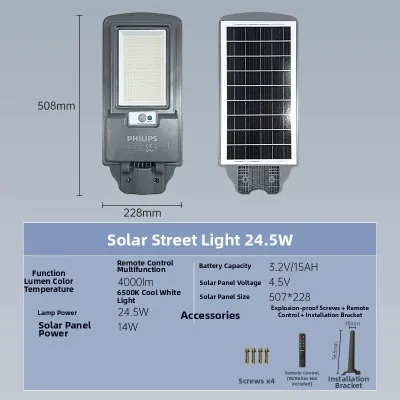
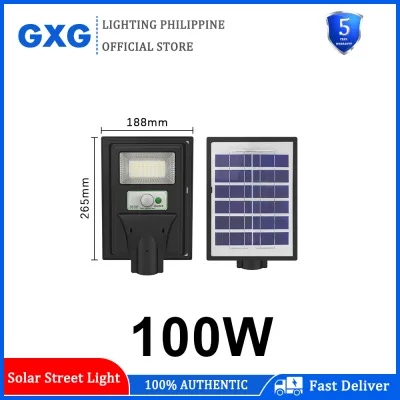
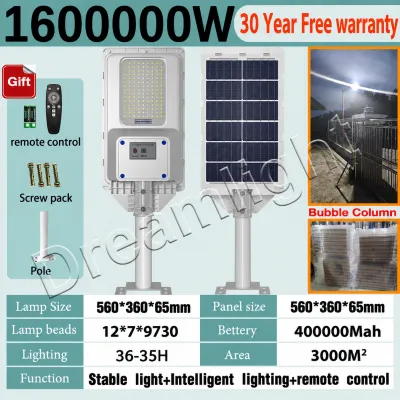
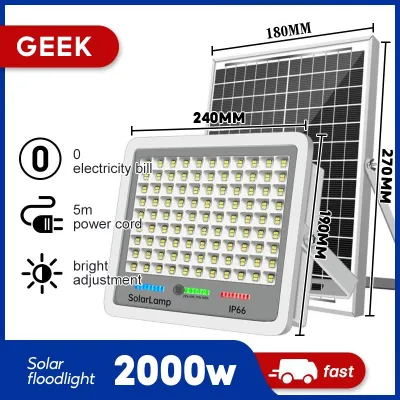
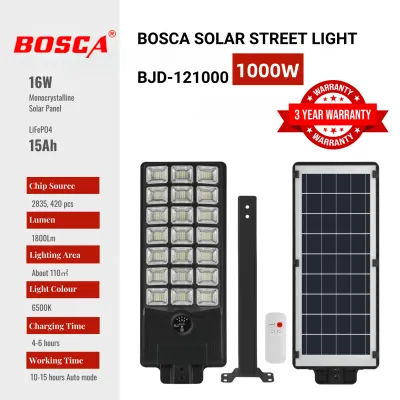
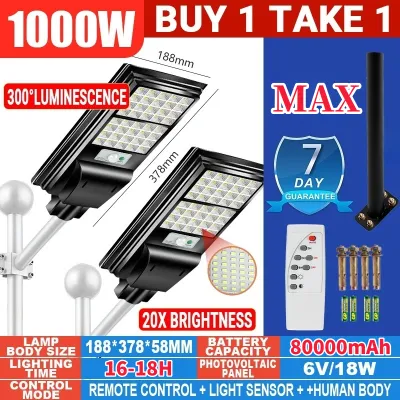
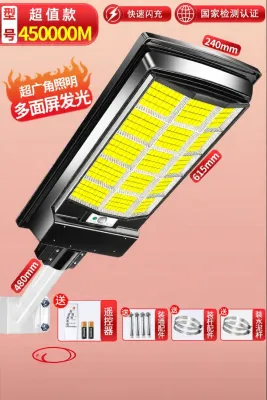
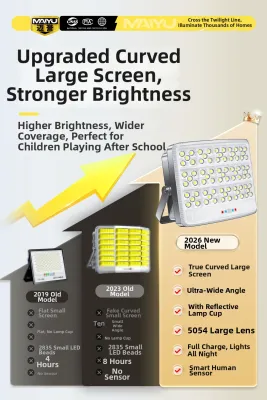
Prices are valid at publication and may change. Please refer to the product page for the latest price.
Next, observe the surrounding landscape during the day to identify potential obstacles. Overhanging branches from mango or palm trees, large decorative rocks, retaining walls, and tall shrubs can cast long shadows that block both the sunlight reaching the solar panels and the light cast onto the ground. Note these areas on a quick sketch of your garden, as they will influence where you can realistically install your light poles.
You must also define the primary purpose of your lighting. If you want to create a soft, relaxing atmosphere for evening strolls, ambient mood lighting with lower brightness and wider spacing is ideal. However, if the path leads to a driveway, contains steps, or serves as a primary security route, you will need brighter task lighting with tighter spacing to eliminate dark spots completely.
Understanding Solar Street Light Specifications
To choose the right fixtures, you must understand how manufacturer specifications translate to real-world performance. The brightness of a solar street light is measured in lumens, not watts. For a standard garden path, fixtures emitting 100 to 300 lumens per light are generally sufficient for ambient guidance, while security-focused paths or wider driveways may require 500 to 1,000 lumens or more.

The beam angle determines how wide the light spreads from the fixture. A wider beam angle, such as 120 degrees, distributes light over a larger surface area but with lower intensity at the edges. A narrower beam angle concentrates the light into a brighter, more focused pool. Understanding this angle helps you visualize the footprint of light each fixture will cast on your pathway.
Pole height and mounting options also play a critical role in coverage. Raising a light on a taller pole increases the diameter of the illuminated area on the ground, but it reduces the overall intensity of the light reaching the path. Conversely, low-profile stakes concentrate bright light in a small area. You must also verify the physical dimensions, mounting brackets, and base interfaces of the poles to ensure they can be securely installed in your specific garden environment.
When evaluating solar street lights, pay close attention to the battery capacity (typically measured in milliampere-hours, or mAh) and the solar panel wattage. A larger battery and a higher-wattage panel ensure the light can store enough energy during the day to remain illuminated throughout the night. For outdoor installations, always verify that the fixtures carry an appropriate weatherproofing certification, such as an IP65 or IP67 rating, to withstand heavy tropical downpours.
Calculating Spacing and Total Quantity
To calculate the exact number of solar street lights needed, you must determine the effective light pool diameter of your chosen fixture. You can estimate this using the manufacturer’s recommended mounting height and beam angle. For example, a light mounted at a height of 2 meters with a wide beam angle might project a clear pool of light that is roughly 3 to 4 meters wide on the ground.
To prevent dark spots, your spacing interval should allow these pools of light to gently overlap. If your estimated light pool diameter is 4 meters, spacing your fixtures approximately 3 to 3.5 meters apart ensures continuous illumination along the path. Spacing them too far apart creates a “zebra effect” of alternating bright and dark zones, which can be disorienting and unsafe to navigate at night.
Special areas along your path require adjustments to your standard spacing calculations. Curved sections, path intersections, and steps demand tighter placement to ensure transitions are clearly visible. For safety, place a fixture directly near the top and bottom of any steps, and position lights on the outer edge of curves to naturally guide the eye around the bend.
Before purchasing your fixtures, draft a simple layout plan on paper. Mark the positions of your lights along the measured length of your path, taking into account the necessary adjustments for curves and steps. This layout allows you to calculate the exact quantity of lights required, helping you establish a realistic budget in Philippine Pesos (₱) that covers the fixtures, mounting poles, and any necessary installation materials.
Installation and Placement Best Practices
Proper installation is key to ensuring your solar street lights perform reliably year-round. Because these fixtures rely entirely on solar energy, you must position them where the solar panels receive maximum direct sunlight. Avoid placing panels directly under dense tree canopies, roof overhangs, or the shadow of your house, especially during the peak sunlight hours of mid-day.
In the Philippines, tropical weather brings heavy rains and strong winds, which can soften garden soil and cause light poles to lean or fall. To ensure long-term stability, secure your mounting poles or ground stakes firmly. For taller street lights, digging a post hole and securing the pole base with a concrete footing is highly recommended to withstand stormy weather. Always check for shallow underground utilities, water pipes, or irrigation lines before digging.
While decorative style and perceived color temperature—such as warm white versus cool white—are matters of personal preference, they do affect how you perceive the space. Warm white light tends to blend naturally with garden foliage, while cool white light offers high contrast for security. Whichever you choose, ensure all fixtures along a single path share the same color temperature to maintain a cohesive visual flow. If your installation involves any fixed electrical wiring or hybrid power systems, always isolate the power source before working and consult a qualified professional to ensure safety.
Frequently Asked Questions (FAQ)
Do solar street lights work during the rainy season in the Philippines?
Yes, solar street lights can work during the rainy season, but their performance depends heavily on their specifications. During overcast or rainy days, the amount of sunlight reaching the solar panels is significantly reduced, which limits the battery’s ability to charge fully. To maintain reliable lighting during consecutive cloudy days, look for fixtures equipped with high-efficiency monocrystalline solar panels, which perform better in low-light conditions, and larger battery capacities that can store enough reserve power to run the light for multiple nights.
How do I maintain the solar panels for maximum efficiency?
To keep your solar panels operating at peak efficiency, you must clean them regularly to remove dust, pollen, bird droppings, and fallen leaves. Wipe the surface of the solar panel gently using a soft, damp microfiber cloth and clean water. Avoid using harsh chemical detergents, abrasive scrubbing pads, or high-pressure washers, as these can scratch or damage the protective tempered glass or plastic coating on the panel, permanently reducing its ability to absorb sunlight.

Community discussion
Share your experience or ask a question. Comments are reviewed before publication.