
Achieving a cozy, rustic Christmas decor look on a budget in the Philippines is entirely possible by blending natural, locally sourced tropical materials with classic warm textures. The rustic aesthetic relies on organic imperfection, earthy tones, and handmade charm rather than expensive, highly polished store-bought ornaments. By focusing on creative repurposing and utilizing the abundant natural resources found across the country, you can transform your home into a warm holiday haven without overspending.
This styling approach celebrates simplicity and sustainability. Instead of purchasing mass-produced plastic decorations, this guide focuses on sourcing affordable materials, crafting your own unique accents, and using strategic lighting to create an inviting atmosphere. Whether you live in a city condominium or a suburban family home, these practical steps will help you capture the essence of a rustic Christmas while keeping your holiday expenses fully under control.
Understanding the Rustic Christmas Aesthetic
The rustic holiday style is defined by its reliance on raw, organic textures that evoke a sense of warmth and nostalgia. Key elements include rough-hewn wood, coarse burlap, natural abaca twine, and dried botanicals. These materials introduce tactile variety into your living space, creating a cozy contrast with modern home finishes. By prioritizing these textured, matte surfaces, you can establish a grounded, earthy foundation for your holiday display.
Products mentioned in this guide
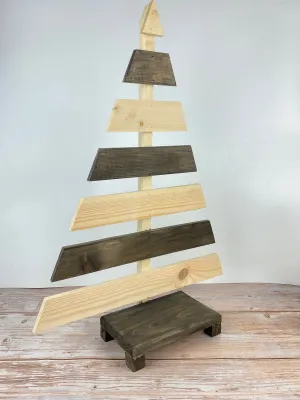


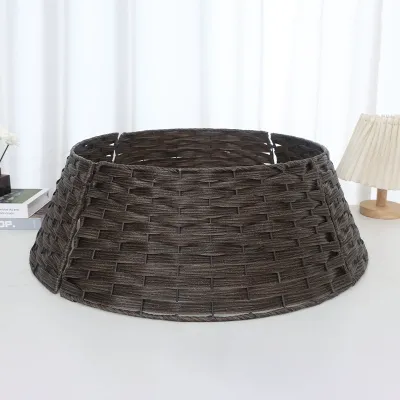
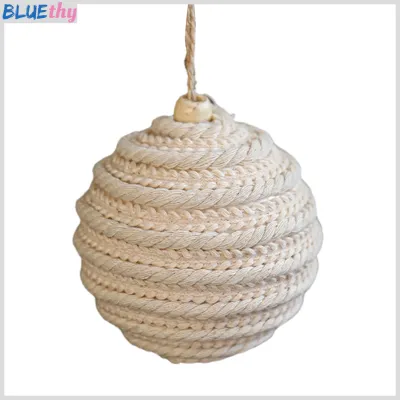
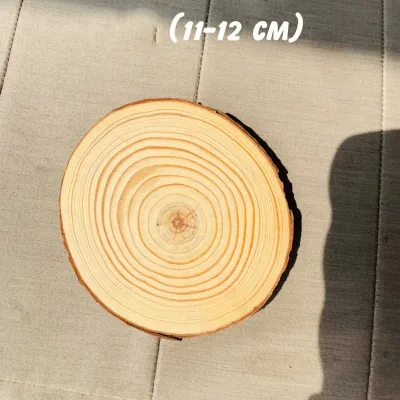
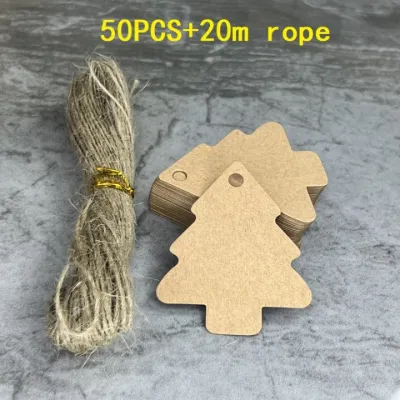
Prices are valid at publication and may change. Please refer to the product page for the latest price.
Color plays a crucial role in defining this aesthetic. While traditional holiday decor often features bright, metallic golds, silvers, and high-gloss reds, a rustic palette leans heavily on warm, muted tones. Focus on forest greens, deep terracotta, warm browns, cream, and soft burgundy. These colors mimic the natural landscape and harmonize beautifully with wooden furniture and indoor plants, ensuring your decorations feel integrated rather than forced.
To keep your decorating project stress-free, establish a clear spending limit before purchasing any supplies. Setting a personal budget of ₱1,500 to ₱3,000 is often more than enough to cover basic craft supplies, adhesive, and safety-certified lighting when you rely on DIY techniques. Having a defined financial boundary encourages resourcefulness, helping you focus on what you can forage, repurpose, or buy in bulk rather than making impulsive purchases at high-end department stores.
Sourcing Affordable and Natural Materials
One of the greatest advantages of rustic decorating in the Philippines is the abundance of free or low-cost natural materials. Foraging in your backyard, local parks, or rural family properties can yield beautiful decorative elements. Look for fallen twigs, sturdy branches, dried mahogany pods, and wild vines. If you live near high-altitude areas or travel during the cooler months, collecting fallen pinecones is an excellent way to gather classic holiday accents for free.

Repurposing everyday household items is another highly effective way to save money. Clean out glass jars from instant coffee, pasta sauces, or spreads to use as rustic candle holders or vases. Wooden crates from fruit markets can be sanded down and stacked to create rustic shelving or display platforms. Even old newspapers, brown paper grocery bags, and leftover fabric scraps can be cut, folded, or wrapped to create unique, handmade ornaments.
For items you cannot forage or find at home, navigate local public markets, wholesale craft hubs, or online marketplaces. Wholesale districts like Divisoria or local public markets often sell rolls of raw burlap, abaca twine, and plain wooden shapes at a fraction of retail store prices. Buying basic, unfinished supplies in bulk allows you to customize them with paint or twine, giving you complete creative control while keeping your unit costs exceptionally low.
Step-by-Step Styling for Key Living Spaces
Before assembling your decorations, take time to plan the layout of each room. Identify one or two primary focal points in your living space, such as the main entryway, the television console, or the dining table. Concentrating your decorating efforts on these high-visibility areas creates a stronger visual impact than scattering small ornaments randomly throughout the house, which can make a space look cluttered rather than curated.
Achieving a polished look requires a careful balance between handmade DIY pieces and a few sturdy, store-bought anchors. A high-quality wooden tray, a well-made ceramic vase, or a beautiful set of warm lights can serve as the structural base for your arrangements. By layering your handmade twine ornaments, foraged branches, and pinecones around these solid anchor pieces, you elevate the overall presentation and ensure your decor looks intentional and sophisticated.
Entryway and Living Room Focal Points
Your entryway sets the tone for the entire home. You can build a simple, welcoming rustic wreath using flexible wild vines or a wire hanger reshaped into a circle. Wrap the base tightly with abaca twine, then use a hot glue gun to secure dried leaves, small twigs, and a few pinecones to the lower half. Hang the wreath using a thick strip of burlap fabric for a clean, organic presentation that immediately signals a cozy holiday theme.
In the living room, focus on styling your media console, mantelpiece, or a prominent side table. Create a layered display by placing flat wood slices or a simple wooden board along the surface. Arrange small clusters of pinecones, dried mahogany pods, and sprigs of fresh or dried greenery around the base. To add depth, place glass jars of varying heights filled with warm fairy lights among the foliage, creating a soft, multi-layered glow that draws the eye.
Dining and Gathering Areas
The dining table is the heart of holiday gatherings, making it the perfect spot for a rustic tablescape. Start with a simple, textured base by laying down a long strip of brown kraft paper or a raw-edged burlap runner directly over your wooden table. This instantly softens the surface and provides a neutral background that makes your dinnerware stand out while protecting the wood from scratches.
For the centerpiece, design a low-profile arrangement that allows guests to maintain clear sightlines across the table. Place three to five clean glass jars in a row down the center of the runner. Fill them with water and floating tea lights, or wrap the rims with twine and place battery-operated LED candles inside. Scatter small foraged twigs, dried leaves, or local cinnamon sticks around the base of the jars to complete the organic, forest-inspired look.
Lighting Techniques for a Cozy Rustic Glow
Lighting is the most critical element in bringing your rustic decor to life, especially during the long tropical evenings of the Philippine holiday season. Select warm white string lights, typically ranging from 2700K to 3000K, to complement the natural textures of wood, burlap, and dried foliage. Avoid cool white or multi-colored flashing lights, as their sharp, modern tones can clash with the soft, earthy atmosphere you want to create.
Integrating local holiday traditions into your rustic theme is easy when you choose the right materials. Look for a traditional Parol made from natural bamboo, woven rattan, or capiz shells rather than bright plastic or neon alternatives. A rattan or capiz Parol beautifully reflects the warm glow of internal lights, serving as a culturally rich, rustic centerpiece for your window or main living room wall.
When working with lighting and natural materials, safety must always come first. Before wrapping any light strings around dry branches, paper, or burlap, verify that the lights carry official safety certifications, such as the Philippine Standard (PS) mark or the Import Commodity Clearance (ICC) sticker. Ensure the voltage matches the standard 220V electrical system. Always use low-emission LED lights, which remain cool to the touch even after hours of use, significantly reducing the risk of heat buildup near dry, flammable botanicals.
Safety and Maintenance for DIY Holiday Decor
Using natural, dried materials requires careful placement to prevent household hazards. Always maintain a safe distance of at least one meter between heat sources, open flames, hot appliances, and your dry foraged decorations. If you prefer the look of real candles, always place them inside tall glass jars or sturdy ceramic holders, and never leave them burning unattended. Alternatively, high-quality LED tea lights offer the same flickering ambiance with zero fire risk.
Electrical safety is equally important when setting up your holiday displays. Inspect all electrical cords, plugs, and sockets for signs of fraying, cracking, or exposed wires before plugging them in. Avoid overloading your wall outlets or daisy-chaining multiple extension cords together. Always turn off and unplug all decorative lights before leaving the house or going to sleep to conserve energy and ensure your home remains safe.
To preserve your handmade creations for future holiday seasons, proper storage is essential. The high humidity of the tropical climate can cause natural materials to mold or attract pests if left unprotected. Store your fragile DIY pieces, dried pinecones, and fabric runners in rigid, airtight plastic containers. Placing a few silica gel packets inside the containers will help absorb excess moisture, keeping your rustic decorations dry, clean, and ready for next year.
Frequently Asked Questions (FAQ)
Can I use a traditional Parol in a rustic theme?
Yes, you can easily integrate a traditional Parol into a rustic holiday theme by selecting one made from natural, organic materials. Look for designs crafted from woven rattan, bamboo, untreated wood, or natural capiz shells. These materials naturally complement the earthy textures of burlap and pinecones. To maintain the cozy, rustic atmosphere, pair the Parol with steady, warm white lighting rather than rapid, multi-colored flashing patterns.
How do I keep natural decorations from drying out or shedding?
To keep your foraged botanicals looking fresh throughout the holiday season, display them away from direct sunlight and direct drafts from air conditioning units, both of which accelerate drying and cause brittleness. For pinecones, dried leaves, and twigs, apply a light, even coat of unscented hairspray or a clear acrylic floral sealant. This simple step helps lock in the structure, minimizes shedding, and protects the materials from absorbing excess tropical humidity.

Community discussion
Share your experience or ask a question. Comments are reviewed before publication.