
Transforming a compact condo balcony into a warm, inviting retreat relies heavily on how you manage light. While a single outdoor lamp can feel harsh or clinical, massing multiple solar lights allows you to craft a layered, soft glow that extends your indoor living space outward. By grouping and strategically positioning these self-sustaining fixtures, you can design a cozy evening escape without increasing your electricity bill or dealing with complicated outdoor wiring.
Achieving this look requires understanding how to cluster, layer, and secure your fixtures to suit the unique conditions of high-rise living. From managing tropical weather to navigating strict building rules, a thoughtful approach ensures your balcony remains both beautiful and safe.
Assess Your Balcony Space and Lighting Goals
Before purchasing any fixtures, take a detailed look at the physical layout of your balcony. Measure the usable floor area, the total length of the railings, and the overhead clearance from the floor to the ceiling or upper balcony soffit. These dimensions establish your physical boundaries and dictate where you can safely place fixtures without obstructing pathways or door swings.
Products mentioned in this guide
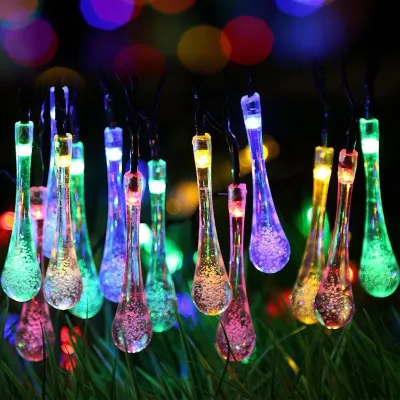
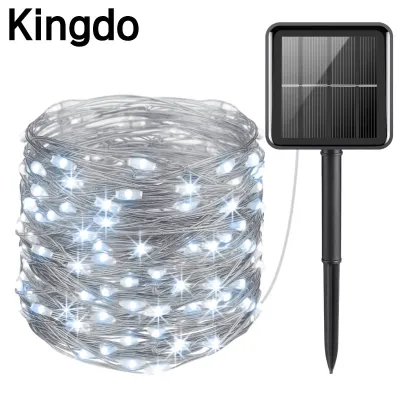
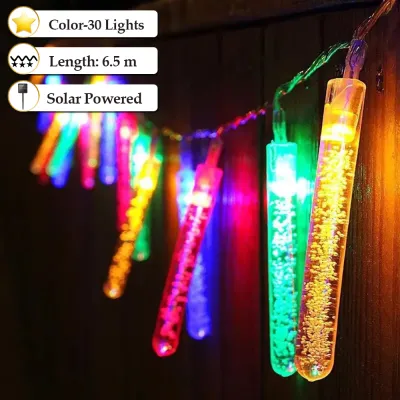
Prices are valid at publication and may change. Please refer to the product page for the latest price.
Next, observe the ambient light conditions around your unit during the evening. High-rise buildings often contend with significant light pollution from neighboring apartments, streetlights, or bright common-area corridors. This existing light can interfere with the automatic dusk-to-dawn sensors on solar fixtures, preventing them from turning on, or it can wash out the subtle glow of low-lumen decorative lights. Identifying these bright spots helps you determine where to place your solar sensors and how bright your chosen lights need to be to stand out.
Finally, define how you intend to use the balcony space. A balcony dedicated to quiet evening reading or lounging requires soft, low-intensity accent lighting that preserves night vision. If you plan to use the space for dining or tending to a container garden, you will need slightly brighter, more focused illumination in specific zones. Tailoring your layout to these activities ensures the space remains functional while maintaining a relaxing atmosphere.
Select Solar Lights Suitable for Condo Environments
Condo balconies present unique environmental challenges, requiring careful selection of solar light form factors. String lights are highly versatile for wrapping around railings or draping along walls, while small stake lights can be placed directly into potted plants. For vertical interest, consider hanging pendants or wall-mounted sconces that do not occupy valuable floor space. Choosing a mix of these form factors allows you to distribute light across different planes.

Always check product labels for weather resistance ratings to ensure the fixtures can withstand local climate conditions. Look for an Ingress Protection (IP) rating, such as IP44 or IP65, which indicates the light’s ability to resist moisture and dust. In tropical climates prone to heavy downpours and high humidity, selecting fixtures with robust water resistance is essential to prevent internal corrosion and premature electrical failure.
Solar panel placement is another critical factor for condo dwellers. Because balconies are often covered by an overhead concrete slab, direct sunlight may only reach certain areas for a few hours a day. Look for solar lights that feature a detachable solar panel connected by a thin wire; this design allows you to position the panel in the sunniest spot on the railing while keeping the actual light fixtures in shaded seating areas.
Additionally, review the manufacturer’s specifications regarding battery type and expected runtime. Most solar lights utilize rechargeable NiMH or Li-ion batteries that require a specific number of direct sunlight hours to achieve a full charge. Ensure the battery capacity and solar panel efficiency align with your typical evening usage, keeping in mind that seasonal changes and building shadows will affect daily charging performance.
Step-by-Step Layout Techniques for Massing Solar Lights
Massing solar lights involves grouping multiple fixtures together to create a concentrated, impactful glow rather than scattering individual lights randomly. When lights are spread too thin, they can look disjointed and fail to provide cohesive illumination. By clustering fixtures, you create a deliberate design statement that mimics the natural warmth of candlelight.
To achieve a balanced look, distribute your light masses across three distinct zones: the floor, the mid-level railing, and the overhead space. This distribution prevents the lighting from feeling bottom-heavy or overly bright at eye level.
While massing creates beautiful focal points, leaving deliberate dark spaces is equally important. Contrast is the key to successful ambient lighting; allowing some areas to remain in soft shadow prevents glare and adds a sense of depth and intimacy to the balcony.
Layering Heights and Angles
To add depth to a small balcony, plan your lighting layout vertically, starting at the floor level. Low-profile solar puck lights or small stake lights placed in the soil of potted plants cast a soft upward glow, highlighting foliage and defining the boundaries of the floor. This low-level lighting keeps walkways safe without casting harsh shadows upward onto faces.
At the mid-level, utilize the balcony railing as a primary mounting surface. Draping micro-LED string lights along the railing or wrapping them around individual balusters creates a continuous horizontal band of light. This mid-level layer acts as the visual anchor of your balcony, defining the perimeter and creating a cozy boundary between your home and the outdoors.
For the upper layer, incorporate overhead hanging lanterns or wall-mounted fixtures to draw the eye upward. If your condo association permits, lightweight solar pendants can be suspended from the ceiling using non-damaging hooks. Always verify the weight limits of any hanging fixtures and ensure they are securely fastened to prevent them from swinging violently in high winds.
Creating Focal Points and Pathways
Strategic placement allows you to guide visual attention to the best features of your balcony. If you have a small bistro table or a comfortable lounge chair, cluster a few solar tea lights or a small lantern nearby to establish a clear focal point. This concentration of light naturally draws people toward the seating area and makes the space feel purposeful.
Linear arrangements of lights are highly effective for defining pathways and edges. Placing a neat row of low-profile solar lights along the base of the railing or along the edge of a decking tile installation helps guide movement safely. This linear structure provides a clean, modern aesthetic that contrasts beautifully with the organic shapes of balcony plants.
Adjust the density of your light clusters to balance safety and ambiance. Keep high-traffic areas, such as the threshold of the balcony door, clear of loose fixtures while concentrating the “mass” of your lights in corners or behind planters. This approach keeps the center of the balcony open and functional while the edges glow warmly.
Installation and Safety Checks for Condo Railings and Walls
Before installing any fixtures, thoroughly review your condo association’s guidelines regarding exterior modifications. Many buildings strictly prohibit drilling into exterior walls, ceilings, or railings to preserve the structural integrity of the building and maintain a uniform facade. Violating these rules can lead to fines or requests to dismantle your setup.
Fortunately, there are numerous non-damaging mounting solutions available for condo balconies. Heavy-duty, UV-resistant zip ties are excellent for securing solar panels and string lights to metal railings without scratching the paint. Tension rods can be wedged vertically or horizontally to hang lightweight lanterns, while outdoor-rated adhesive hooks can support light string wires on smooth surfaces.
High-rise balconies are frequently subjected to strong winds, making secure installation a critical safety priority. Ensure all cables, solar panels, and light fixtures are tightly fastened so they cannot become airborne hazards during storms. Loose wires should be neatly bundled and secured along structural posts to prevent tripping hazards and reduce wind resistance.
If your installation requires working at heights, hanging heavy loads, or modifying any existing electrical wiring, stop immediately. Always prioritize safety by staying within your physical limits and consulting building management or a qualified professional for complex installations.
Maintenance and Troubleshooting for Optimal Glow
To keep your solar lights performing at their best, establish a regular cleaning schedule for the solar panels. In urban environments, panels quickly accumulate a layer of dust, pollen, and water spots that blocks sunlight and reduces charging efficiency. Wiping the panels with a damp, soft microfiber cloth every few weeks ensures they can absorb the maximum amount of solar energy.
Monitor the performance of the rechargeable batteries over time. If you notice that your lights are turning off much earlier in the evening than they used to, the batteries may be reaching the end of their lifespan. Follow the manufacturer’s instructions to replace the old batteries with compatible rechargeable ones, ensuring you dispose of the old batteries at an authorized recycling center.
If your lights begin to dim or flicker, investigate potential changes in your balcony environment. Growing plants can cast new shadows over solar panels that previously received full sun, or the changing angle of the sun during different seasons may reduce daily exposure. Adjust the position of your solar panels to track these environmental shifts and maintain a consistent charge.
Finally, perform periodic inspections of all mounting hardware, zip ties, and adhesive hooks. Exposure to intense tropical sun, heavy rain, and high humidity can degrade plastics and adhesives over time. Replacing worn fasteners before they fail prevents damage to your fixtures and ensures your balcony lighting remains safe and secure year-round.
Frequently Asked Questions (FAQ)
Can solar lights charge effectively on a shaded condo balcony?
Solar lights can still charge on a shaded balcony, though they will not reach their maximum capacity as quickly as they would in direct sunlight. Most standard solar fixtures require around four to six hours of direct sunlight to achieve a full charge. If your balcony is deeply shaded by neighboring buildings or a deep overhead concrete slab, look for solar lights with detachable solar panels. This design allows you to mount the panel on the outermost edge of the railing where sunlight is strongest, while keeping the lights themselves in the shaded seating area. If your balcony receives virtually no direct sunlight, you may need to supplement your setup with USB-rechargeable or battery-operated outdoor lights.
How do I prevent solar string lights from tangling or blowing away?
Preventing string lights from tangling or blowing away in high-rise winds requires careful planning during installation. Before hanging the lights, lay them out flat on the floor to untangle any knots, which prevents tension damage to the internal copper wiring. Secure the strings at regular intervals—ideally every 30 to 50 centimeters—using outdoor-rated zip ties or specialized weather-resistant cable clips. Avoid wrapping the wires too tightly around sharp metal edges, as friction from the wind can wear down the protective plastic insulation over time. During severe weather warnings or typhoons, it is highly recommended to take down lightweight fixtures and store them indoors to prevent damage to your property or neighboring units.

Community discussion
Share your experience or ask a question. Comments are reviewed before publication.