
Transforming your bedroom into a serene sanctuary relies heavily on how you layer your lighting. Butterfly fairy lights offer a whimsical, delicate charm that can instantly soften a room’s atmosphere, turning a plain sleeping space into a cozy retreat. To achieve a warm, ambient glow, the key lies in diffusing the light source, positioning the strings to highlight architectural features, and ensuring the installation is both safe and secure. By thoughtfully planning your layout and selecting the right mounting methods, you can create a relaxing environment that helps you wind down after a long day.
Preparing Your Space and Checking Light Specifications
Before hanging a single strand, take time to evaluate your bedroom layout and locate your power sources. Mapping out where your wall outlets are situated helps you plan a safe routing path for the cords. This prevents the wire from being stretched too tightly, which can damage the internal copper filaments, and ensures you do not create tripping hazards across high-traffic areas of the room. Measure the distance from your outlet to the intended display area to confirm your light string is long enough, or plan to use a safe, certified extension cord if necessary.
Next, examine the product label or manufacturer’s packaging to verify the electrical specifications of your butterfly fairy lights. Check the input voltage, wattage limits, and look for local electrical safety certifications, such as the Philippine Standard (PS) mark or Import Commodity Clearance (ICC) sticker, to ensure the product is safe for home use. Verify whether the lights are rated strictly for indoor use, as outdoor-rated lights have different insulation standards. Understanding these specifications prevents overloading your wall outlets and ensures compatibility with your home’s electrical system.
Products mentioned in this guide
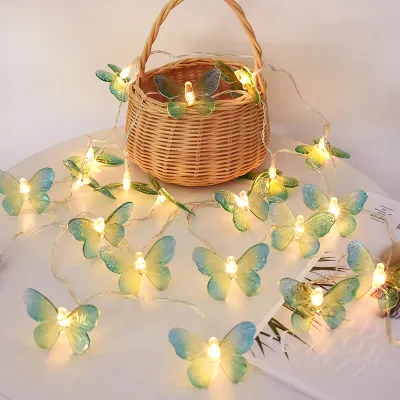
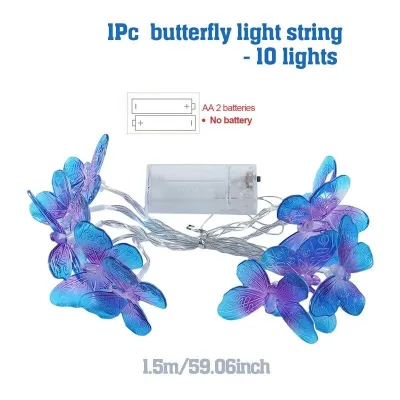
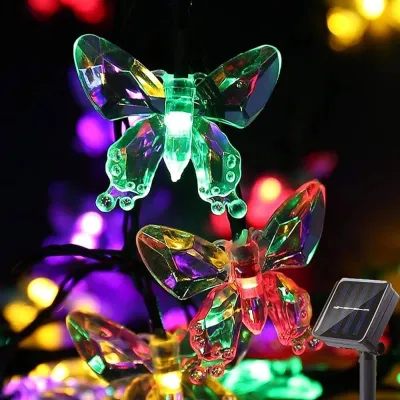
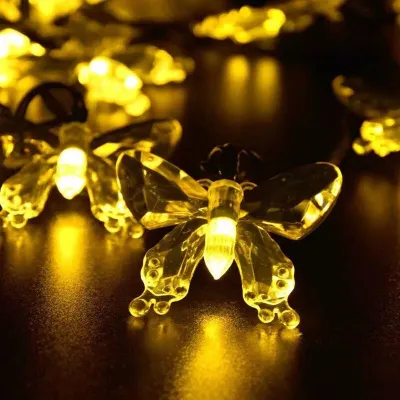
Prices are valid at publication and may change. Please refer to the product page for the latest price.
Additionally, pay close attention to the materials used for the decorative butterfly ornaments. While modern LED fairy lights emit very little heat compared to traditional incandescent bulbs, the butterflies themselves may be made of plastic, fabric, or paper. Assess how these materials respond to prolonged operation by checking the manufacturer’s instructions regarding heat emission. Always plan a safe clearance distance between the light string and highly flammable household items, such as sheer curtains, bed linens, or paper wall decorations, to maintain a hazard-free environment.
Selecting the Best Placement for Ambient Layering
Achieving a balanced, cozy glow requires strategic placement that avoids harsh, direct glare. One of the most effective areas to target is the headboard or the feature wall directly behind your bed. By draping the butterfly fairy lights along the top of your headboard or cascading them down the wall, you create a soft, diffused background glow. This serves as an excellent visual focal point in the room, offering a gentle wash of light that is perfect for reading, journaling, or winding down before sleep without straining your eyes.

Another excellent option is to integrate the lights with your window treatments. Hanging the strands along curtain rods or wrapping them gently around window frames allows the fabric of your curtains to act as a natural diffuser. Sheer or light-colored curtains work exceptionally well here, expanding the light halo and scattering a dreamy, soft illumination throughout the space. This setup mimics the gentle filtering of natural twilight, making the entire room feel more expansive and tranquil.
If you prefer a more subtle effect, consider running the lights along ceiling edges or positioning them in shadowed corners. Placing the strands high up where the wall meets the ceiling helps fill in dark, neglected areas of the room, elevating the overall ambient brightness. Keeping the light source above or outside your direct line of sight when lying in bed prevents the individual LED bulbs from shining directly into your eyes, ensuring the illumination remains soothing rather than distracting.
Step-by-Step Installation and Styling Techniques
To secure your butterfly fairy lights without damaging your bedroom walls, select the right mounting accessories. In humid tropical climates, standard tape can quickly lose its grip, causing the lights to fall. Instead, opt for damage-free adhesive hooks, specialized wire clips, or high-quality mounting putty designed for interior walls. Clean the wall surface with a dry cloth before application to remove dust and moisture, then apply the hooks according to the package instructions, allowing the adhesive to cure fully before hanging the weight of the light string.
Once your support hooks are in place, carefully drape the string, paying attention to the orientation of the butterfly ornaments. Gently adjust the spacing and angle of each butterfly so they sit flat against the wall or project outward at slightly different angles. This variation allows the light to cast intricate, natural-looking shadows on your walls and ceiling, adding visual texture to the room. Avoid pulling the wire taut; instead, let it hang with a natural, relaxed drape to reduce physical tension on the electrical connections.
To make the installation look integrated rather than temporary, blend the fairy lights with your existing bedroom decor. You can weave the strands through the leaves of artificial potted plants, drape them over floating shelves, or thread them around framed photos on a gallery wall. This technique adds depth and dimension to your decor, making the lights feel like a permanent, intentional design choice rather than an afterthought.
Adjusting Brightness and Modes for a Relaxing Vibe
The way you control your lighting settings plays a significant role in setting the right mood for relaxation. Most modern butterfly fairy lights come with built- in controllers that offer various lighting modes, such as steady on, slow fade, or rapid flashing. For a bedroom environment, it is best to avoid fast-blinking patterns, which can stimulate brain activity and cause visual fatigue. Instead, select a steady-on setting or a very slow, gentle breathing mode that mimics natural, calm movement.
Color temperature is another crucial factor to consider when setting up your ambient lighting. Prioritize warm white tones, typically ranging from 2700K to 3000K, as these tones emit a golden, candle-like glow that signals to your body that it is time to rest. If your lights feature adjustable color settings, avoid cool blue or bright white modes in the evening, as these wavelengths can interfere with your natural sleep cycle. Check your product’s manual to see if it supports dimming, which allows you to lower the brightness level as bedtime approaches.
To maximize convenience and energy efficiency, consider automating your lighting schedule. Connecting your fairy lights to a simple mechanical timer or a smart plug allows you to set specific operating hours. For example, you can program the lights to turn on automatically at sunset and switch off after you fall asleep. This automation ensures you do not leave the lights running unnecessarily throughout the night, conserving electricity and extending the lifespan of the LED bulbs.
Routine Maintenance and Safety Boundaries
Maintaining your butterfly fairy lights ensures they remain safe and beautiful for years to come. Establish a habit of inspecting the entire length of the wire regularly, looking for signs of wear such as fraying insulation, exposed copper, or loose connections near the plug. If you notice any damage, or if the adapter or wire feels unusually hot to the touch during use, immediately stop using the lights and replace the set. Never attempt to patch damaged fairy light wires with electrical tape, as this does not guarantee long-term safety.
When cleaning your lights, always disconnect them from the power source first to eliminate any risk of electrical shock. Use a clean, dry microfiber cloth or a soft static duster to gently wipe away dust from the LED bulbs and the butterfly ornaments. Avoid using wet cloths, liquid sprays, or chemical cleaners, as moisture can seep into the delicate electrical components or cause the decorative materials to degrade. If your bedroom experiences high humidity, keeping the dust off the lights also prevents moisture from clinging to the strands.
For battery-operated models, pay close attention to battery maintenance to prevent damage to the control box. Remove the batteries if you plan to leave the lights unused for an extended period, as old batteries can leak corrosive acid that ruins the contacts. If you are using a plug-in model, inspect the power adapter periodically to ensure it is plugged firmly into the outlet and is not blocked by heavy furniture, which can restrict airflow and cause the adapter to overheat.
Frequently Asked Questions (FAQ)
Can I leave butterfly fairy lights on all night?
While high-quality LED fairy lights generate minimal heat, it is generally not recommended to leave them running unattended all night. Always refer to the manufacturer’s guidelines regarding maximum continuous run times. To ensure absolute safety and prolong the lifespan of the product, use a timer or smart plug to automatically turn the lights off after you go to sleep. This practice minimizes any potential electrical risks and reduces unnecessary energy consumption.
How do I hide the battery pack or power cord?
Concealing the power source is essential for maintaining a clean, uncluttered bedroom aesthetic. For battery-operated lights, you can tuck the battery box behind a headboard, place it inside a decorative basket on your nightstand, or secure it to the back of a piece of furniture using hook-and-loop tape. For plug-in models, run the power cord vertically down the corner of a wall or behind a curtain panel, securing it with clear cable clips to keep it flat and virtually invisible.
Will the adhesive hooks damage my painted walls?
Adhesive hooks are designed to be removable, but improper removal or high room humidity can sometimes cause paint to peel. To prevent damage, choose high-quality, moisture-resistant adhesive strips designed specifically for painted drywall. When it is time to remove the hooks, never pull them straight outward. Instead, slowly stretch the adhesive strip downward parallel to the wall, which releases the bond cleanly without lifting the paint or leaving sticky residue behind.

Community discussion
Share your experience or ask a question. Comments are reviewed before publication.