
Arranging fairy lights in a small condo bedroom is one of the most effective ways to introduce a warm, relaxing atmosphere without sacrificing valuable floor space. In a compact living environment, traditional floor lamps and bulky table lamps can easily crowd bedside tables and walkways. Lightweight and flexible, fairy lights allow you to utilize vertical surfaces and existing architectural features to create a soft, diffused glow that makes the entire room feel more inviting.
To achieve a balanced look that avoids visual clutter, the key lies in strategic placement and clean cable management. By focusing on key focal points—such as the headboard, window frames, or floating shelving—you can elevate your bedroom design while maintaining a tidy, modern aesthetic. Using damage-free mounting methods also ensures that your condo walls remain pristine, protecting your security deposit or paint finish.
Planning Your Layout and Gathering Supplies
Before hanging a single strand of lights, take a moment to assess your bedroom’s layout and dimensions. In a typical Philippine condo, studio or one-bedroom layouts often mean the sleeping area is visible from the main living space. Identifying a singular focal point, such as the wall behind your bed or a cozy reading corner, prevents the lights from scattering randomly and creating a chaotic visual effect. Limiting your installation to one or two key areas helps maintain a sophisticated, intentional design.
Products mentioned in this guide
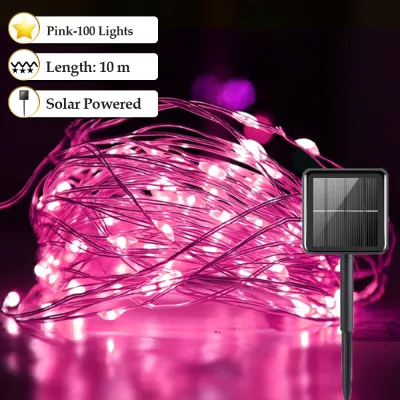
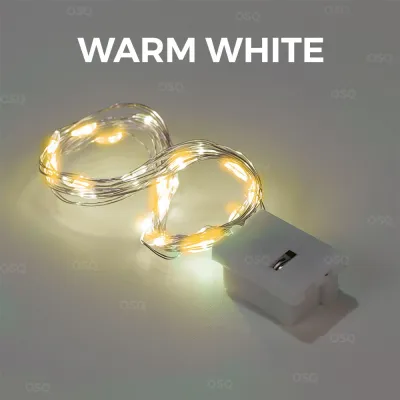
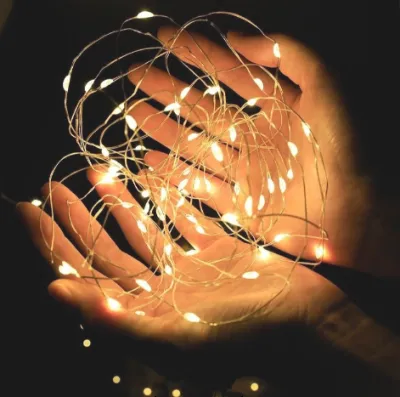
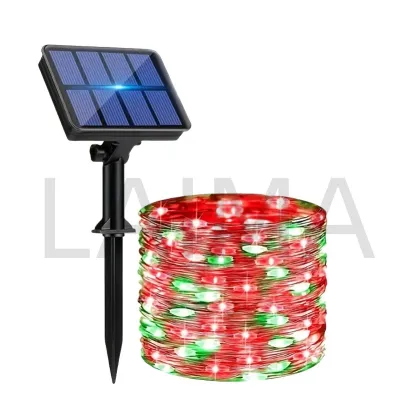
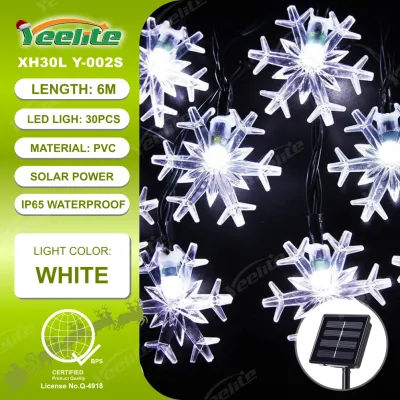
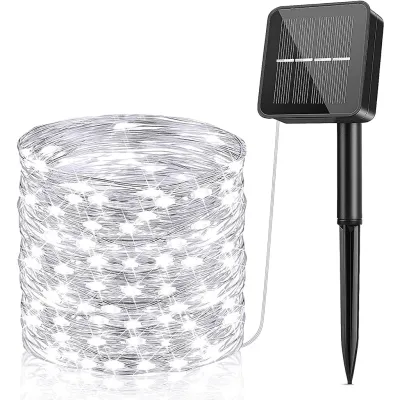
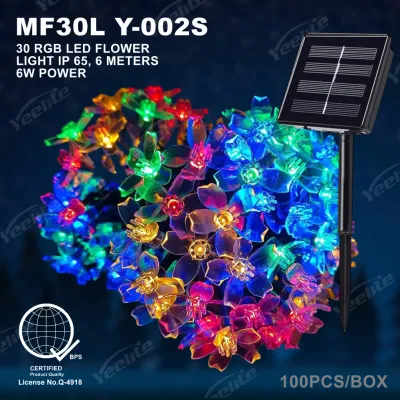
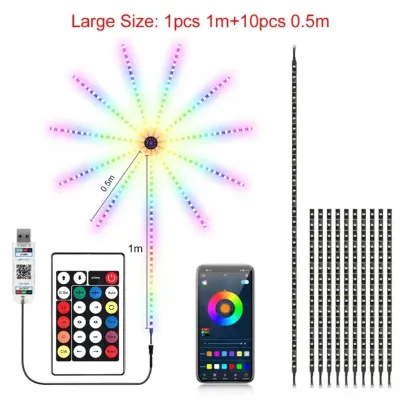
Prices are valid at publication and may change. Please refer to the product page for the latest price.
Next, map out your power sources to determine the best type of light set for your space. Walk around your room to locate available wall outlets, noting if they are positioned near your intended decoration zones. If a 220V wall outlet is close by, a plug-in set of lights will provide consistent, bright illumination. However, if outlets are scarce or located awkwardly behind heavy furniture, USB-powered or battery-operated fairy lights offer much greater placement flexibility. USB sets can run efficiently off wall adapters or portable power banks, while battery packs allow you to decorate completely off the grid.
Once you have finalized your layout and power strategy, gather all your installation tools to ensure a smooth process. Having everything ready beforehand prevents mid-project trips to the hardware store. For a clean and secure setup, prepare the following essential supplies:
- Measuring tape: Use this to measure the perimeter of your headboard, window, or wall space so you purchase the correct string length.
- Damage-free adhesive hooks and transparent clips: These are crucial for securing the wires to concrete or drywall without drilling.
- Reusable mounting putty: Ideal for temporary adjustments or securing lightweight micro-LED wires.
- Small plastic cable ties: Useful for bundling excess wire neatly out of sight.
- A sturdy step stool: Essential for safely reaching higher points along the walls or ceiling.
Top Placement Techniques for a Cozy Ambient Glow
Achieving a cozy bedroom atmosphere relies heavily on the principle of layered lighting. Fairy lights are not designed to serve as primary task lighting for reading or working; instead, they function as soft ambient accents. By combining them with your existing ceiling downlights or bedside lamps, you can control the intensity of the light in your room, softening harsh shadows and creating a peaceful evening environment.

In a compact condo bedroom, strategic lighting placement can also serve as a clever visual trick to make the space feel larger. Placing small, warm points of light along the perimeter of the room draws the eye outward and upward. This simple shift in perspective emphasizes the height and width of the walls, breaking up the boxy feel of a small concrete room and replacing it with a sense of depth and open air.
Draping Around the Bed and Headboard
Integrating lights directly into your sleeping area instantly establishes the bed as the cozy centerpiece of the room. If you have a slatted wooden or metal headboard, weave the wire strand gently through the slats in an alternating pattern. For solid wood or upholstered headboards, you can mount transparent adhesive clips along the top back edge, allowing the lights to drape in soft, shallow scallops across the front.
To keep your bedroom looking polished and uncluttered, pay close attention to how you manage the ends of the light strands. Pool any excess wire neatly behind the bed frame or mattress base, securing the bundle with plastic cable ties. If you are using a battery-operated set, mount the battery pack to the back of the headboard or bed frame with a removable adhesive strip so it remains easily accessible but completely hidden from view.
Safety must always come first when decorating near bedding materials. Never place fairy lights directly under heavy pillows, thick mattresses, or heavy blankets where heat can build up. Although modern LED fairy lights generate very little heat compared to older incandescent bulbs, compressing the wires under heavy weight can bend or damage the internal copper wiring, leading to a potential short circuit. Always ensure the lights are draped loosely and have plenty of open air for ventilation.
Framing Windows, Mirrors, and Shelves
Using reflective surfaces is a highly effective way to amplify light in a small space without adding extra fixtures. Outlining a large bedroom mirror with thin micro-LED fairy lights doubles the light output while creating a beautiful, diffused reflection. The glass softens the individual points of light, casting a gentle glow that brightens up dark corners of the room.
Framing your window frame or hanging lights along your curtain rod is another excellent technique. During rainy evenings, the tiny lights reflect off the dark window glass, creating a beautiful backdrop that makes the room feel incredibly snug. You can drape the lights vertically like a light curtain behind sheer fabric to create a soft, filtered glow.
Floating shelves also offer a wonderful opportunity for creative styling. Weave the thin wire of your fairy lights along the shelf surface, winding them gently around small indoor plants, books, or decorative frames. This highlights your personal decor items without casting the harsh, direct shadows that overhead lights often create. When arranging lights near glass or mirrors, leave a small gap of about one to two centimeters to prevent the bulbs from pressing directly against the cold surface, which makes cleaning much easier.
Creating a Subtle Ceiling or Canopy Effect
When floor and wall space are limited, utilizing your vertical space is the smartest way to decorate. A subtle ceiling canopy can turn your bed into a private, cozy retreat. Instead of creating a dense, heavy grid of lights that can make a low condo ceiling feel even lower, aim for a sparse, delicate arrangement that mimics a starry night.
To minimize the need for ceiling adhesives, look for existing architectural anchor points. You can use your curtain rod as a starting point, running the light strands from the rod back toward the wall behind your bed. Secure the other end of the strands to the wall with transparent adhesive clips, creating a gentle, sloping canopy that frames your sleeping area beautifully.
Keep the density of the lights low to maintain a relaxing, soft glow rather than a bright, overwhelming glare. A high concentration of lights directly overhead can cause uncomfortable eye strain when you are lying down in bed. Keep the spans slightly loose so the wires sag naturally, adding a soft, organic feel to the room’s geometry.
Securing Lights Without Damaging Condo Walls
For condo renters and owners alike, protecting wall finishes is a top priority. Many condo associations in the Philippines have strict guidelines regarding drilling, nailing, or making permanent alterations to concrete and drywall. Repairing chipped paint or damaged plaster can be expensive and time-consuming. Utilizing reversible, damage-free hanging methods is the best way to enjoy your decor without risking your security deposit.
Several excellent damage-free hanging options are widely available in local home improvement stores and online marketplaces. Consider the following choices based on your specific setup:
- Transparent adhesive clips: These are the gold standard for fairy lights. They are virtually invisible, holding the thin wire securely in place without drawing attention away from the lights.
- Reusable mounting putty: Excellent for lightweight micro-LED copper wires. It is highly flexible and can be molded around corners, though it may require occasional pressing in humid conditions.
- Tension rods: Perfect for window frames or recessed spaces. You can wrap the lights around the rod and wedge it securely between two walls, requiring zero adhesives or hardware.
To ensure your adhesive hooks stay secure, proper surface preparation is essential. Begin by wiping the wall area with a dry microfiber cloth to remove dust, oil, and moisture. Remove the adhesive backing, press the hook firmly against the wall for at least 30 seconds, and wait the manufacturer-recommended time—usually one hour—before hanging your lights. When it is time to remove the hook, pull the adhesive tab straight down slowly along the wall. Never pull the hook outward at a 90-degree angle, as this will tear the paint and drywall plaster.
Avoid using metal nails, staples, or heavy-duty double-sided foam tapes. Metal staples can easily pierce the delicate plastic coating of fairy light wires, exposing live electrical currents and creating a fire hazard. Heavy-duty foam tapes are incredibly difficult to remove and almost always lift the top coat of paint and plaster when pulled. Given the high humidity levels in the Philippines, it is highly recommended to test your chosen adhesive on a small, hidden area of the wall first—such as behind the bed or near the baseboard—to ensure it can withstand the moisture in the air without slipping.
Selecting the Right Specifications for Ambient Lighting
The technical specifications of your fairy lights directly dictate the quality of the ambient glow and the safety of your installation. For a cozy, relaxing bedroom environment, color temperature is the most critical factor. Opt for warm white lights, which typically range between 2700K and 3000K. Avoid cool white (5000K and above) or bright multicolor options, as these can feel clinical, harsh, or overly stimulating, disrupting your natural sleep cycle.
Consider the wire material and color to ensure the lights blend seamlessly into your decor when turned off. Copper and silver micro-LED wire lights (often called “starry lights”) are incredibly thin and flexible, making them easy to shape around furniture. Copper wires blend beautifully against warm wood tones, while clear or silver wires are virtually invisible against light-colored or white condo walls. Green wire sets are generally best reserved for dark shelving or outdoor holiday displays.
Always verify the power and safety specifications before purchasing. In the Philippines, standard residential wall outlets supply 220V at 60Hz. If you are buying plug-in fairy lights, ensure the adapter is rated for this voltage to prevent overheating or electrical failure. Look for basic electrical safety certifications, such as the Import Commodity Clearance (ICC) sticker or the Philippine Standard (PS) quality mark, to guarantee the product has undergone proper safety testing.
Safety Checks and Daily Maintenance
Maintaining your fairy lights is simple, but regular safety checks are essential for long-term peace of mind. Before hanging your lights, perform a thorough pre-use inspection. Lay the string out on the floor and plug it in to check for any dead bulbs, flickering, or frayed wires. Inspect the battery compartment of battery-operated sets for any signs of white corrosion or loose springs, and ensure the plug fits securely into your wall outlet or USB adapter without needing to be forced.
Establish safe operational habits to protect your home. Always turn off your fairy lights when leaving your condo or going to sleep, unless the set features an integrated, certified timer function. Leaving lights running unattended for long periods increases the risk of overheating and shortens the lifespan of the LEDs.
Routine maintenance keeps your lights looking bright and clean. Dust can accumulate quickly on the tiny bulbs and wires, reducing their brightness. Gently wipe down the lights with a completely dry microfiber cloth. Never use liquid spray cleaners, wet wipes, or damp cloths on electrical components, as moisture can penetrate the connection points and cause a short circuit or electrical shock.
Know when to stop using a light set. If you ever notice a burning plastic smell, if the lights begin to flicker unpredictably, or if the adapter or wire feels unusually hot to the touch, immediately unplug the set and discard it. Do not attempt to splice broken wires or patch them with electrical tape; replacing a cheap set of fairy lights is far safer and more cost-effective than risking an electrical fire.
Frequently Asked Questions (FAQ)
Can I leave fairy lights on all night?
While high-quality, certified low-voltage LED plug-in fairy lights are designed to run cool and are generally safe for extended use in well-ventilated areas, it is best practice to turn them off before sleeping. Battery-operated sets should definitely be switched off overnight, as continuous operation can cause battery leakage or rapid battery drain. To enjoy a worry-free ambient glow as you fall asleep, consider plugging your lights into a smart plug or choosing a set with a built-in timer that automatically shuts off after six hours.
How do I hide the battery pack or plug wire?
Keeping power sources out of sight is key to a polished, professional-looking setup. You can tuck bulky battery packs behind your headboard, place them inside a decorative woven basket on your bedside table, or use a small adhesive strip to mount the pack to the hidden back panel of your furniture. For long plug wires, route them along the top of your baseboards using transparent wire clips. Never seal battery packs or adapters inside airtight plastic containers or bury them under heavy bedding, as they require adequate ventilation to dissipate heat safely.

Community discussion
Share your experience or ask a question. Comments are reviewed before publication.