
Transforming your living room into a cozy, warm sanctuary with fairy string lights does not have to result in a chaotic web of tangled cords and messy tape. In compact spaces like modern condominiums, achieving a clean, ambient glow requires a deliberate approach that treats lighting as an architectural element rather than an afterthought. By identifying natural anchor points, selecting thin-profile wires that match your walls, and systematically concealing power sources, you can elevate your space with a soft, sophisticated radiance.
The secret to a clutter-free setup lies in restraint and structure. Instead of draping lights haphazardly across every surface, you want to highlight specific architectural features or furniture pieces to create depth. This intentional placement draws the eye to key focal points while keeping walkways clear and maintaining the clean lines of your living room.
Planning Your Ambient Lighting Layout
Before unboxing your Christmas lights, take a moment to study the natural architecture of your living room. Look for structural elements that can serve as organic anchor points, such as the frame of a large window, the top shelf of a wooden bookcase, or the sturdy branches of a potted indoor plant like a monstera or a parlor palm. Utilizing these existing features allows the lights to blend seamlessly into the room’s design rather than looking like an artificial addition.
Products mentioned in this guide
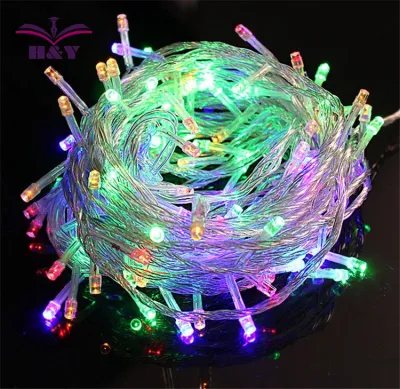
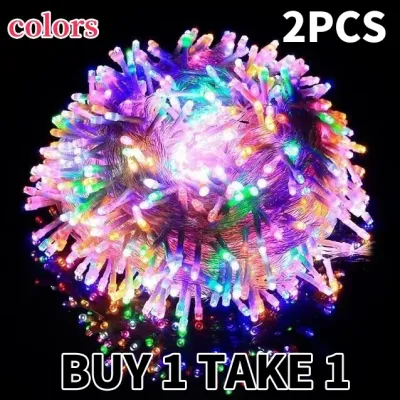
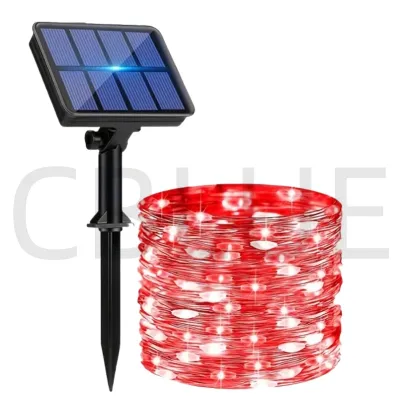
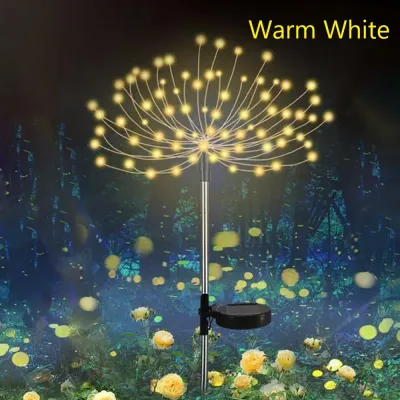
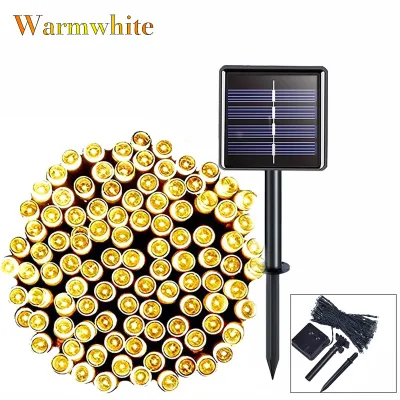
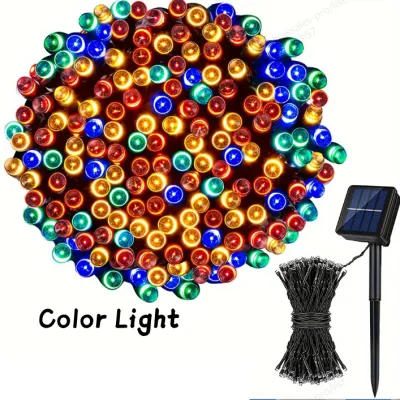
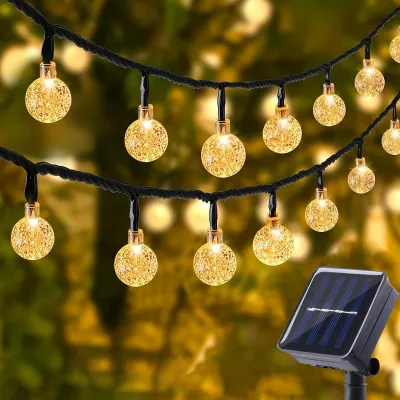
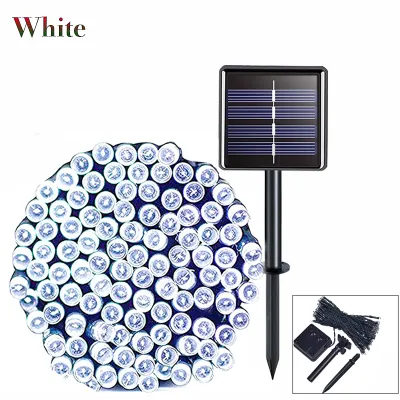
Prices are valid at publication and may change. Please refer to the product page for the latest price.
Once you have identified your potential anchor points, map out the physical route the wires will take. Use a piece of string or a flexible measuring tape to trace the path from your chosen display area down to the nearest electrical outlet. Measuring this distance beforehand ensures you purchase string lights with adequate lead wire—the unlit portion of the cord between the plug and the first bulb—so you do not end up with bright bulbs awkwardly dangling mid-air near the floor.
Locating your power sources early also helps you minimize the use of bulky extension cords, which are a primary source of visual clutter. If your nearest outlet is positioned far from your desired display area, plan a route that runs along the top of baseboards or behind large furniture pieces like sofas and media consoles. This proactive planning keeps the floor space clear, prevents tripping hazards, and ensures your ambient lighting looks professionally installed.
Choosing the Right Fairy String Lights for a Clean Look
Achieving a polished, clutter-free aesthetic depends heavily on selecting the right physical specifications for your string lights. The wire material is just as important as the bulbs themselves, as it remains visible during the day when the lights are turned off. For a minimalist look, copper or silver micro LED wire lights are excellent choices because the ultra-thin metallic threads virtually disappear against light-colored walls, glass surfaces, and modern shelving. If you are wrapping lights around dark wooden shelves or weaving them through indoor foliage, opt for green or black insulated wires that mimic the natural tones of the background.

Bulb size and density also play a critical role in establishing a soothing ambiance rather than a harsh, distracting glare. Micro LED bulbs, often called dewdrop lights, emit a soft, diffused glow that is perfect for close-up viewing in a cozy living room. Look for warm white bulbs to create a relaxing, inviting atmosphere. Avoid high-density commercial-grade strings with massive bulbs unless you have an exceptionally large, double-height ceiling, as these can easily overwhelm a standard condo living room.
Additionally, you must weigh the practical differences between plug-in and battery-operated options. Plug-in lights are ideal for primary ambient setups that you plan to run for several hours each evening, as they provide consistent brightness without the hassle of replacing batteries. However, for isolated areas like floating shelves, dining table centerpieces, or decorative glass jars, battery-operated fairy lights offer unmatched flexibility. They allow you to place a warm glow in corners completely cut off from wall outlets, provided you have a plan to hide the battery pack. Always verify that any plug-in model matches the standard 220-volt electrical system used in the Philippines and carries reliable safety certifications to ensure safe operation.
Step-by-Step Arrangement Techniques
Transitioning from the planning phase to the physical installation requires patience, a gentle hand, and a keen eye for visual balance. Because thin copper wires and delicate LED bulbs can easily tangle or snap under tension, handle the strands with care as you begin positioning them. The goal is to work slowly, stepping back frequently to evaluate how the light interacts with the surrounding furniture and decor.
Draping and Weaving Methods
To achieve a natural, effortless look, let the inherent weight of the wire guide how the lights drape over your furniture. When decorating sheer curtains or window frames, allow the string lights to cascade vertically in gentle, loose waves rather than pulling them taut. This vertical draping creates a soft waterfall effect that elongates the height of your room while maintaining a relaxed, airy feel. For tall indoor plants, loosely wrap the wire around the main stems or drape them over the outer leaves, ensuring the wire is slack enough to prevent damaging the plant.
When integrating lights into bookshelves or display cabinets, weave the strands behind and around your decorative items rather than wrapping them tightly around the shelves. Leave plenty of negative space—empty areas on the shelves—to prevent the display from looking overcrowded. By placing the lights slightly behind books, ceramic vases, or framed photos, you create a beautiful backlighting effect that highlights your curated items without exposing the raw bulbs directly to your eyes.
To secure the wires in place without damaging your walls or furniture, use small, damage-free adhesive hooks designed specifically for lightweight cables. These clear hooks can be mounted discreetly on the undersides of shelves, along the back edges of wooden frames, or directly onto painted drywall. They hold the wire firmly in place, allowing you to create clean angles and precise lines without the need for nails, tacks, or messy adhesive tape that can peel away paint.
Concealing Wires and Power Sources
The difference between a messy DIY project and a high-end ambient lighting design lies in how well you conceal the supporting hardware. For plug-in setups, route the main power cord along the top edge of your baseboards, securing it with clear cable clips or paintable cord covers that match your wall color. If the cord must travel vertically to reach an outlet, run it directly behind the legs of tables, the sides of bookshelves, or behind the fabric folds of your curtains to keep it completely out of sight.
Battery boxes can be particularly challenging to hide, but they also present an opportunity for creative styling. Tuck the plastic battery packs inside decorative woven baskets, hollowed-out display books, or behind ceramic plant pots on your shelves. If you are placing lights inside a glass dome or lantern, wrap the battery box in a small piece of neutral-colored fabric or place it underneath a decorative base so it remains hidden while keeping the power switch easily accessible.
Finally, take the time to secure any loose, excess wire ends to maintain a tidy silhouette. Use small twist ties, hook-and-loop fasteners, or clear zip ties to bundle excess cord length neatly behind your furniture. Keeping these cables taut and organized not only prevents them from drooping into view but also protects them from getting caught on vacuum cleaners, pet paws, or stray feet.
Safety and Electrical Checks for Condo Living
Operating electrical decorations in compact condo spaces requires strict adherence to safety standards to prevent fire hazards and electrical overloads. Before plugging in your lights, verify that the voltage rating matches your home’s electrical supply, and inspect the entire length of the wire for any signs of damage, such as exposed copper, frayed insulation, or cracked bulb casings. If you are using power strips or multi-outlet adapters to run multiple decorative items, calculate the total wattage to ensure you do not exceed the maximum load capacity of the strip.
Keep your string lights positioned a safe distance away from highly flammable materials. Avoid draping hot bulbs directly against dry paper decorations, synthetic fabrics, or delicate dried flower arrangements. While modern LED fairy lights generate very little heat compared to older incandescent bulbs, maintaining a small physical clearance between the light source and combustible materials is a fundamental safety practice.
Establish clear stop conditions for your lighting setup: if you notice a plug feeling unusually hot to the touch, see flickering lights, or smell a faint burning odor, immediately isolate the power and unplug the strand. Additionally, avoid running string lights near damp areas, such as open windows where tropical rain might blow in, or directly beneath air conditioning units prone to condensation. For any complex installations that require structural wiring modifications, wall drilling near hidden conduits, or dedicated outdoor connections, always consult a qualified professional electrician rather than attempting a risky DIY workaround.
Adjusting and Maintaining Your Ambient Setup
Once your lights are securely in place, turn them on and step back to the far corner of the living room to evaluate the overall effect. Look for any dark spots that feel neglected, as well as overly bright clusters where the wire may have bunched up. Gently adjust the spacing of the bulbs to distribute the glow evenly across your focal points, ensuring the light feels balanced from multiple viewing angles.
To keep your ambient setup looking fresh and bright, incorporate light maintenance into your regular cleaning routine. Over time, dust can accumulate on the tiny LED bulbs and thin wires, which can dim their output and create a minor fire hazard in dry conditions. Gently wipe down the unplugged wires and bulbs with a dry microfiber cloth once a month to remove dust and pet dander.
When the holiday season ends or when you decide to change your decor layout, take the time to dismantle the setup carefully. Avoid pulling or yanking the wires off their hooks, as this can snap the delicate internal copper filaments. Store your lights properly in a dry, cool place away from direct sunlight and high humidity to prevent the wire insulation from becoming brittle, ensuring they remain in perfect working condition for years to come.
Frequently Asked Questions (FAQ)
Can I leave fairy string lights on all night?
While modern LED fairy lights are highly energy-efficient and run relatively cool, it is generally not recommended to leave them operating unattended all night. Always check the manufacturer’s guidelines to verify if your specific model is rated for continuous, long-term use. To enjoy a worry-free ambient glow, connect your lights to a mechanical timer or a smart plug. This allows you to schedule the lights to turn off automatically after you go to bed, conserving electricity and reducing unnecessary wear on the LEDs.
How do I prevent the wire from tangling when storing them?
Preventing tangles starts with a systematic packing method rather than stuffing the lights loosely into a box. Before storing, wrap the string lights neatly around a sturdy piece of cardboard, a clean plastic tube, or a dedicated storage reel. Start from the end opposite the plug, keeping light tension on the wire as you wind it to prevent overlapping loops. Once fully wrapped, secure both ends of the strand with twist ties or rubber bands to keep the coil tight and organized for your next seasonal setup.

Community discussion
Share your experience or ask a question. Comments are reviewed before publication.