
Quick Answer: Core Layout Strategy for Small Balconies
To arrange Kksky solar lights on a small condo balcony for a cozy ambient look, you must layer your lighting across three vertical zones: the railing (mid-level), plant corners or walls (vertical/high-level), and the floor or tabletop (low-level). This multi-level approach creates visual depth and a warm, inviting atmosphere without cluttering your limited floor space.
Because these fixtures rely entirely on solar power, your layout must prioritize placing the solar panels where they can capture direct sunlight during the day—typically along the outer railing—while positioning the actual light emitters where they cast a soft, glare-free glow over your seating area.
Assessing Your Balcony Space and Sunlight Conditions
Before purchasing or mounting any fixtures, measure the physical dimensions of your balcony. Note the usable floor area, the height and material of the railings (such as concrete, metal bars, or glass panels), and the overhead clearance. This prevents buying oversized fixtures that crowd your seating or block pathways.
Products mentioned in this guide
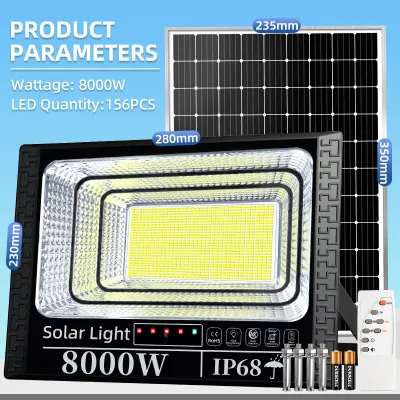
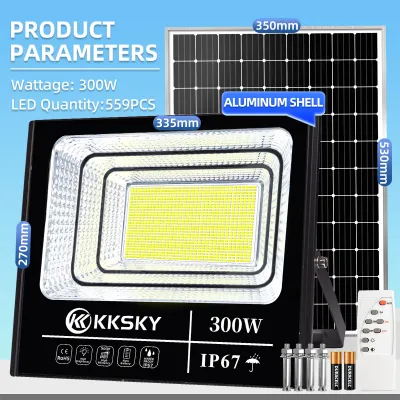
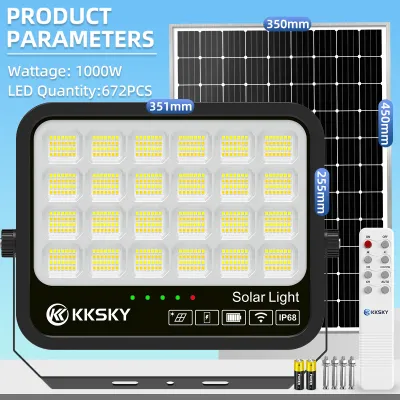
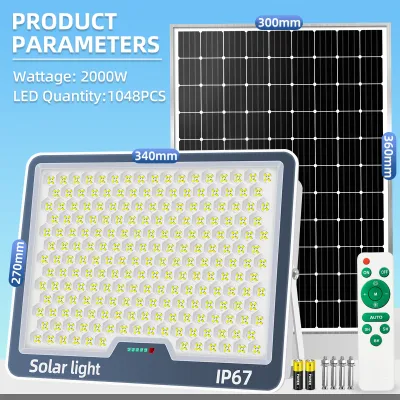
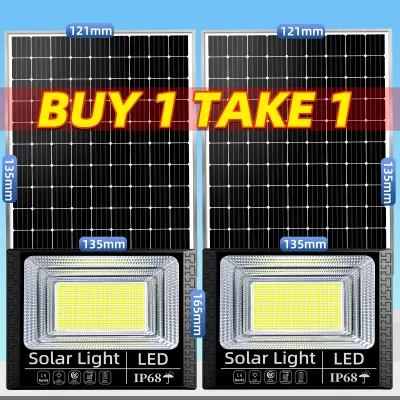
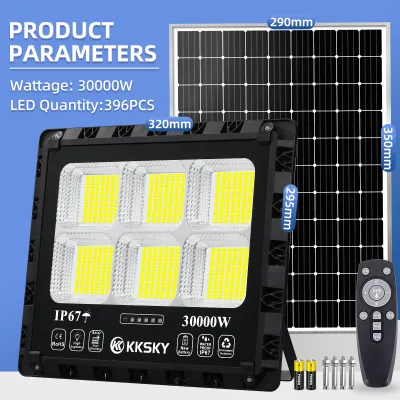
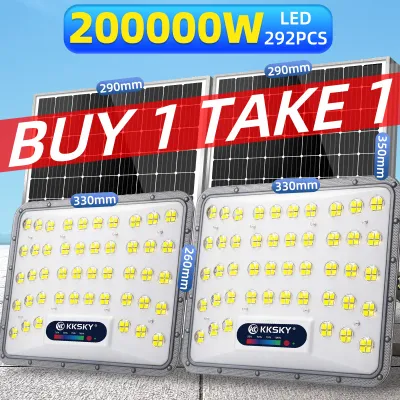
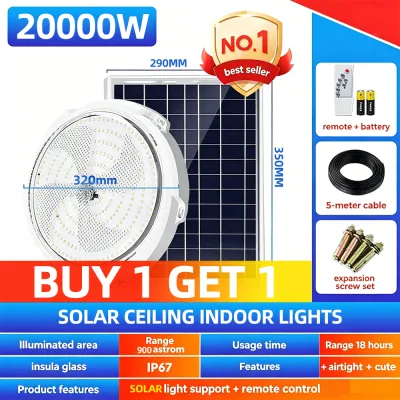
Prices are valid at publication and may change. Please refer to the product page for the latest price.

Next, track the daily sunlight patterns on your balcony. In the Philippines, tropical weather brings intense sun, but high-rise buildings and deep balcony overhangs can cast significant shadows. Observe how many hours of direct, unobstructed sunlight hit specific spots on your balcony. Solar panels generally require several hours of direct exposure to charge fully. If your balcony is deeply recessed or north-facing, you will need to position the solar panels on the outermost edge of the railing or use models with detachable panels connected by a wire to the light fixture.
Finally, consult your condominium corporation’s house rules or property management guidelines. Many high-rise developments have strict regulations regarding exterior modifications. Check if you are allowed to drill into exterior walls, hang items over the edge of the railing, or install fixtures that are visible from the street. Using non-invasive mounting methods is often the safest way to remain compliant while still achieving your desired look.
Layout Strategies for a Cozy Ambient Look
Creating a cozy atmosphere in a compact space relies on soft, indirect illumination rather than a single bright overhead light. While warm color temperatures are often preferred for creating a cozy, relaxing atmosphere, the ideal spatial effect depends on your personal style and how you use the space. By distributing your Kksky solar lights strategically, you can make a small balcony feel like an intimate outdoor lounge.
Railing and Perimeter Lighting
The balcony railing is the most valuable real estate for solar charging and defining your space. Wrapping solar string lights along the top rail or clipping compact solar step lights to the balusters outlines the perimeter beautifully. This technique draws the eye outward, making the balcony feel larger at night. Ensure the lights face inward or downward to avoid casting glare into your eyes or disturbing neighbors in adjacent units.
Vertical and Hanging Elements
To draw the eye upward and maximize vertical space, utilize wall-mounted solar lanterns or hanging fixtures. If drilling is prohibited, you can hang lightweight solar lanterns from a freestanding metal trellis or an outdoor tension rod wedged between the floor and ceiling. This creates a cozy canopy effect, mimicking the warm ambiance of an indoor living room.
Plant and Corner Accents
Potted plants are excellent design partners for solar lighting. Placing small solar spotlights or stake lights at the base of leafy tropical plants, such as palms or snake plants, casts dramatic shadows against the balcony walls. This uplighting technique adds texture, depth, and a natural, organic feel to the corners of your balcony, which might otherwise look dark and neglected.
Floor and Tabletop Layers
Complete the cozy look by adding low-level lighting near your seating area. A compact solar table lantern or a low-glare solar floor lamp provides functional illumination for drinks or books. Placing these lights at or below eye level keeps the atmosphere intimate and relaxing, perfect for unwinding after a long day.
Installation and Safety Checks for Condo Balconies
Safety is paramount when installing any fixture on a high-rise balcony. Because condo balconies are exposed to wind, rain, and high humidity, your installation must be secure and weather-resistant.
Before finalizing your setup, verify the product specifications on your Kksky packaging, including the voltage, base or interface type, wattage limits, physical dimensions, dimming methods, and electrical certifications to ensure they match your balcony’s installation environment. If your layout involves fixed wiring, working at significant heights, or managing suspended loads, always prioritize safety by isolating the power source, following the manufacturer’s installation instructions, and consulting a qualified professional.
When mounting your solar lights, choose non-destructive hardware that does not compromise the building’s structure or waterproofing. Heavy-duty, outdoor-rated zip ties are ideal for securing string lights or small panels to metal railings. For glass railings or smooth walls, high-strength suction cups or weather-resistant adhesive hooks can work, provided you clean the surface thoroughly before application. Avoid drilling into concrete walls or balcony ceilings, as this can damage waterproofing membranes and violate condo policies.
High-rise balconies often experience strong wind gusts, especially during the monsoon season in the Philippines. Secure all hanging elements, lanterns, and solar panels firmly to prevent them from becoming airborne hazards. Use double-secured ties or weighted bases for any freestanding fixtures.
Additionally, verify the Ingress Protection (IP) rating on your Kksky product packaging. Outdoor solar lights should have an appropriate IP rating (such as IP44, IP65, or higher) to ensure they can withstand splashing water, heavy rain, and high humidity. If you are installing lights in highly exposed areas, a higher IP rating is essential for long-term safety and performance.
Maintaining Solar Lights for Consistent Performance
Tropical climates bring unique maintenance challenges, including heavy dust, pollen, and intense rainstorms. To keep your solar lights operating at peak efficiency, establish a simple cleaning and maintenance routine.
Regularly wipe the solar panels with a soft, damp microfiber cloth to remove dust, dirt, and water spots. A dirty solar panel blocks sunlight, significantly reducing the battery’s ability to charge and shortening the light’s runtime at night. Avoid using abrasive cleaners or rough scrubbing pads, which can scratch the panel surface and permanently degrade its performance.
Periodically inspect the light housings for any signs of moisture buildup or condensation inside the lens. If you notice water accumulation, check the rubber seals and gaskets to ensure they are properly seated. If a light begins to dim or flicker unexpectedly, it may indicate that the rechargeable battery inside is reaching the end of its lifespan or that the seals have failed.
During periods of extreme weather, such as typhoons or prolonged monsoon rains with little to no sunlight, consider temporarily storing your solar lights indoors. Follow the manufacturer’s guidelines for battery care and seasonal storage to prolong the lifespan of your fixtures.
Frequently Asked Questions (FAQ)
Can solar lights charge on a shaded or north-facing balcony?
Solar lights require direct sunlight to charge efficiently. On a shaded or north-facing balcony, standard integrated solar lights may not receive enough energy to stay lit for long. To resolve this, look for solar light models that feature a detachable solar panel. This allows you to mount the panel on the sunniest spot of your outer railing or wall while running a thin wire to the light fixture positioned in the shaded seating area.
How do I prevent solar lights from blowing off a high-rise balcony?
To secure solar lights against strong high-rise winds, avoid loose hanging methods. Use heavy-duty, UV-resistant zip ties to anchor string lights and solar panels directly to the railing bars. For tabletop lanterns, choose heavier designs or secure them to surfaces using outdoor-rated hook-and-loop fasteners. During severe weather warnings or typhoons, always bring loose outdoor decor and lightweight solar fixtures indoors to prevent safety hazards.

Community discussion
Share your experience or ask a question. Comments are reviewed before publication.