
Transforming a condominium balcony into a relaxing outdoor retreat relies heavily on how you manage your lighting. While traditional wired installations often require complex electrical work or landlord approval, solar garden lights offer a versatile, energy-efficient alternative. Achieving a cozy, inviting atmosphere on a balcony requires a thoughtful approach to placement, ensuring that your fixtures provide both functional visibility and a soft, glare-free ambiance. By understanding how to layer different light sources and adapt them to your specific balcony layout, you can maximize both the visual appeal and the practical coverage of your outdoor space.
Assess Your Balcony Layout and Sunlight Exposure
To design an effective lighting plan, begin by measuring the physical dimensions of your balcony and identifying its structural characteristics. Note whether you are working with a narrow rectangular strip, an L-shaped corner, or a minimal railing-only setup, as each shape dictates where light should be concentrated. Take note of any permanent fixtures, such as air conditioning condenser units, drainage pipes, or heavy structural pillars, which can block light or limit your mounting options.
Sunlight exposure is the most critical factor for any solar-powered setup, especially in high-rise urban environments. Spend a day tracking how sunlight moves across your balcony, noting which areas receive direct sun and which remain shaded by overhead concrete slabs or neighboring buildings. Because solar panels require direct sunlight to charge their internal batteries efficiently, identifying these high-exposure zones will determine where your panels must be positioned.
Products mentioned in this guide
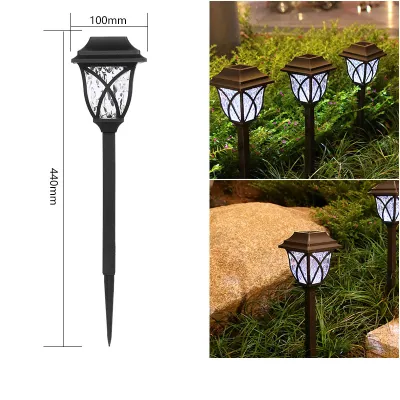
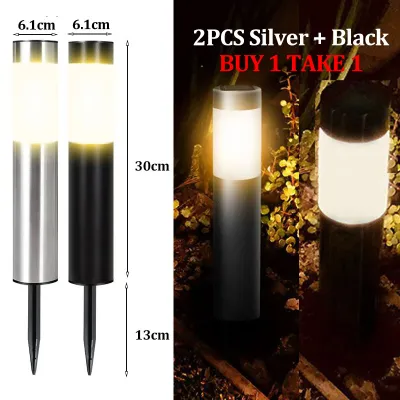
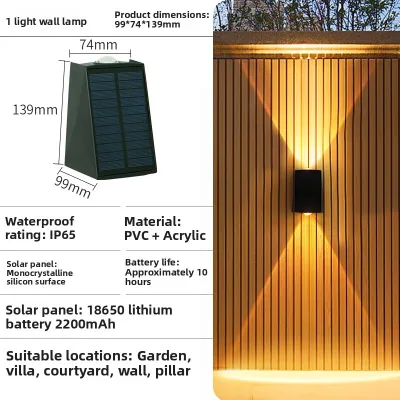
Prices are valid at publication and may change. Please refer to the product page for the latest price.
Finally, define how you intend to use the balcony during the evening hours to establish the right balance of light. If you plan to use the space for reading or dining, you will need focused, functional task lighting in specific zones. If the balcony serves primarily as a peaceful visual extension of your indoor living room, your focus should shift toward soft, decorative ambient lighting that highlights plants and architectural features without causing glare on your glass doors.
Select Solar Lights Suitable for Condo Balconies
Choosing the right solar garden lights involves matching the fixture type to your balcony’s physical constraints and your personal aesthetic preferences. Solar string lights are highly versatile, allowing you to drape soft illumination along railings, walls, or overhead beams to create a warm, continuous glow. Railing-mounted fixtures and step lights project light downward, which helps illuminate walkways safely without shining directly into your eyes. For vertical surfaces, solar wall sconces offer a structured, modern look, while freestanding solar floor lamps can be moved around easily to provide light exactly where it is needed.

Before purchasing any fixtures, carefully verify the product specifications on the packaging or manufacturer’s website to ensure they can withstand outdoor conditions. Look for an Ingress Protection (IP) rating of IP44 or higher, which indicates the light is protected against splashing water and dust—a necessity for tropical climates prone to sudden downpours and high humidity. Additionally, check the battery specifications, such as the capacity in milliampere-hours (mAh), and confirm whether the light features an automatic dusk-to-dawn sensor to simplify daily operation. If you choose hybrid models that support USB charging, verify the voltage, interface compatibility, and electrical certification labels before plugging them in.
Since many condominium associations have strict rules against drilling into exterior walls or common-area railings, prioritize renter-friendly, damage-free installation methods. Look for lightweight fixtures that can be secured using outdoor-rated adhesive hooks, heavy-duty zip ties, or specialized tension clamps. Choosing lights with separate, detachable solar panels can also be highly beneficial, as it allows you to mount the light fixture in a shaded area while placing the panel in a sunny spot.
Step-by-Step Placement for Layered Ambient Lighting
Creating a professionally designed look on your balcony requires building layers of light that work together to eliminate harsh shadows and add visual depth. Start by establishing your base ambient layer, which provides a gentle, overall glow across the entire space. The most effective way to achieve this is by wrapping solar string lights around your balcony railing or hanging them along the ceiling perimeter. This outer ring of light defines the boundaries of your balcony, making the outdoor space feel like a natural extension of your indoor living area.
Next, introduce the task layer to provide focused illumination where specific activities take place. Position a higher-lumen solar wall sconce or a freestanding solar floor lamp next to your seating area, bistro table, or reading chair. This layer should be bright enough to let you read a book or enjoy a meal comfortably, but it should be positioned or shielded so that the bulb does not shine directly into your eyes when you are seated.
Finally, add the accent layer to create visual interest, texture, and a sense of drama. Use small solar spotlights or stake lights placed inside your potted plants, such as palms, ferns, or snake plants, directing the light upward through the leaves. This technique, known as uplighting, casts beautiful, organic shadows onto your balcony walls and ceiling, adding a lush, tropical feel to the space while highlighting your favorite decorative elements.
Strategies for Narrow and Rectangular Balconies
Narrow, elongated balconies can easily feel cramped or cluttered if light fixtures are placed carelessly on the floor. To maximize the perception of space, focus on utilizing your vertical surfaces and overhead areas to draw the eye upward. Hanging string lights in a canopy pattern overhead or mounting slim solar sconces on the wall keeps the floor completely clear, making the balcony feel wider and more open.
Avoid placing multiple freestanding lamps or large stake lights on the ground, as these create physical obstacles and visual clutter in a tight walkway. Instead, rely on sleek, low-profile railing lights that clip directly onto the outer balustrade and project light inward. This keeps the center of the balcony clear for movement while ensuring the entire floor area remains safely illuminated.
To prevent the far ends of a long balcony from disappearing into darkness, use a continuous, linear lighting arrangement. Running a single, unbroken strand of solar string lights along the entire length of the railing helps tie the space together. This linear path of light guides the eye from one end to the other, eliminating dark, disconnected zones and making the entire balcony feel cohesive and spacious.
Strategies for L-Shaped and Corner Balconies
L-shaped and corner balconies present unique lighting challenges, as the bend in the layout can easily create deep, dark shadows that make the space feel disjointed. To counter this, place a distinct visual focal point or a slightly brighter accent light directly at the inner corner of the bend. A decorative solar lantern placed on a corner shelf or an uplight highlighting a large corner plant will draw the eye around the turn, making the transition feel seamless.
You can also use variations in light color temperature or fixture styles to subtly define different functional zones within the L-shape. For instance, you might use warm, dim string lights to create a cozy lounge atmosphere on one side of the bend, while using a clearer, more focused solar wall light on the other side for a utility or dining zone. This clear distinction helps organize the balcony without the need for physical dividers.
When positioning solar panels on an L-shaped balcony, be mindful of how the building’s walls cast shadows at different times of the day. One side of the balcony may receive ample sunlight while the other remains completely shaded. Use solar lights with long connecting cables, allowing you to install the light fixtures in the shaded corner while routing the solar panels to the sunniest edge of the railing.
Installation Safety and Weatherproofing Checks
Safety should always be your top priority when installing any fixtures on a high-rise balcony, where strong winds and heavy rains are common. Before mounting any overhead or railing-mounted solar lights, inspect their weight and secure them with durable, weather-resistant fasteners. Avoid using flimsy ties or standard indoor adhesives, which can degrade rapidly under intense tropical heat and humidity, posing a serious falling hazard to the areas below. If you must work at height to secure overhead fixtures, always use a stable ladder, ensure the area below is clear, and consult a qualified professional if you are uncomfortable performing the installation yourself.
If your solar lighting setup involves separate panels and fixtures connected by wires, take the time to route and secure the cables properly. Use outdoor-rated cable clips or zip ties to fasten the wires tightly along the baseboards, wall corners, or railing frames. Ensure that no cables run across high-traffic walkways where they could cause tripping, and verify that they are not pinched or damaged by sliding glass doors or windows.
Always consult the manufacturer’s manual for specific guidelines regarding water resistance, weight limits, and wind tolerance. During extreme weather events, such as typhoons or severe tropical storms, make it a habit to temporarily take down lightweight solar fixtures, lanterns, and loose panels. Storing these items safely indoors prevents them from being damaged by high winds or becoming dangerous projectiles.
Routine Maintenance and Performance Troubleshooting
To keep your solar balcony lights operating at peak efficiency, establish a simple, regular maintenance routine. Dust, pollen, and bird droppings can quickly accumulate on the surface of solar panels, blocking sunlight and significantly reducing their ability to charge. Wipe the panels clean once a week using a soft, damp microfiber cloth, avoiding abrasive scrubbers or harsh chemical cleaners that could scratch the protective cover.
If you notice that your solar lights are becoming dim or turning off much earlier than usual, the internal rechargeable batteries may be reaching the end of their lifespan. Check the manufacturer’s instructions to see if the batteries are user-replaceable, and always isolate the power source before opening the battery compartment. Always use the exact battery type, voltage, and capacity recommended by the manufacturer to ensure safe operation and prevent damage to the fixture.
When troubleshooting performance issues, also look for any environmental changes that might be casting new shadows over your solar panels. A fast-growing potted plant, a newly installed outdoor shelf, or even the changing angle of the sun during different seasons can block light that your panels previously received. Periodically adjusting the angle or position of your solar panels ensures they continue to receive the maximum amount of direct sunlight throughout the year.
Frequently Asked Questions (FAQ)
Can solar garden lights charge on a shaded or covered balcony?
Standard solar lights with integrated panels require direct sunlight to achieve a full charge and operate at maximum brightness. However, if your balcony is fully covered or heavily shaded, you can use split-design solar lights, which feature a separate solar panel connected to the light fixture by a long wire. This allows you to mount the light fixture deep under the balcony roof while placing the solar panel on the outermost edge of the railing where it can catch the sun. Additionally, some modern solar models offer USB-assisted charging ports, allowing you to manually charge the batteries indoors during long stretches of rainy or overcast weather.
How do I secure solar lights to a glass or metal railing without drilling?
You can easily secure solar lights without drilling by using non-destructive, weather-resistant mounting accessories. For metal railings, specialized metal clamps or heavy-duty, UV-resistant zip ties provide a strong, secure hold that can withstand outdoor conditions. For glass railings, high-quality suction cups with integrated hooks or outdoor-rated double-sided mounting tape designed for glass surfaces work exceptionally well. Always inspect these non-drilling mounts periodically, especially after periods of intense heat, heavy rain, or strong winds, to ensure the adhesive or ties have not degraded and remain secure.

Community discussion
Share your experience or ask a question. Comments are reviewed before publication.