
Transforming a small condo balcony into a cozy evening retreat relies on strategic light placement, soft color temperatures, and secure, non-destructive installation. Because high-rise balconies are subject to unique environmental factors like strong winds, limited direct sunlight, and strict building regulations, standard garden lighting layouts must be adapted. By layering your light sources vertically and choosing fixtures that charge efficiently in shaded spaces, you can create a warm, inviting outdoor sanctuary perfect for unwinding after a long day.
Assess Your Balcony Space and Lighting Needs
Before purchasing any solar fixtures, take a detailed look at the physical dimensions and structural layout of your balcony. Measure the total usable floor space, the length and height of the railings, and the clearance of any overhead concrete slabs or ceilings. These measurements prevent you from buying oversized lanterns that clutter your limited floor area or string lights that are too long to wrap neatly.
Next, observe the existing light levels on your balcony during the late evening. Many urban condominiums in the Philippines are exposed to significant ambient light from nearby streetlamps, neighboring towers, or common corridor lighting. Identifying these external light sources helps you plan a layout that complements, rather than fights, the existing environment, allowing you to avoid over-illumination and harsh glare.
Products mentioned in this guide
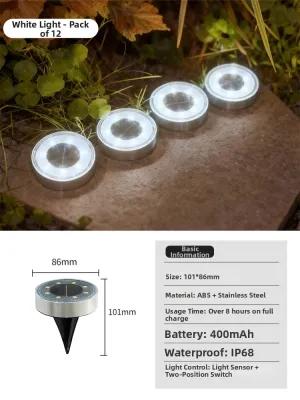
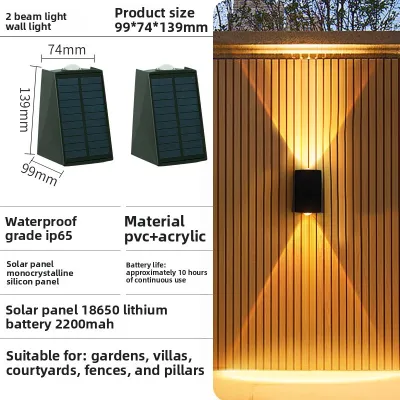
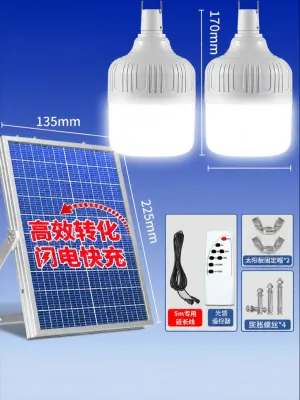
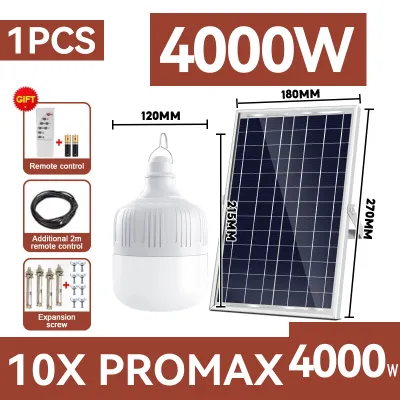
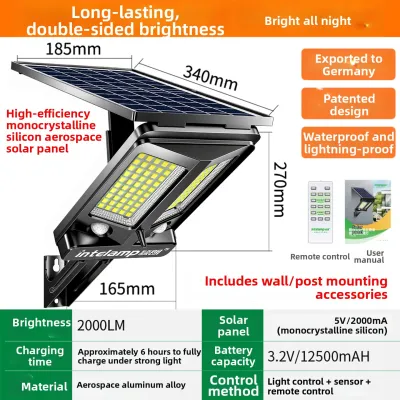
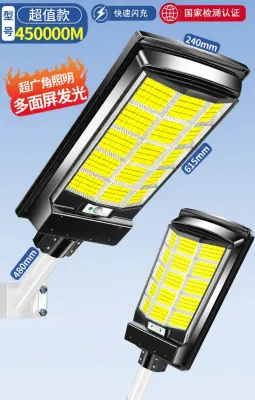
Prices are valid at publication and may change. Please refer to the product page for the latest price.
It is equally important to review your condominium corporation’s house rules regarding exterior modifications. Most property administrations strictly prohibit drilling into structural concrete walls, painting exterior surfaces, or hanging heavy objects over the edge of the railing. Understanding these boundaries early ensures you select temporary, non-destructive mounting methods that keep your security deposit safe and comply with community guidelines.
Select Suitable Solar Lights for Balcony Environments
Transitioning solar lights from a wide-open garden to a compact balcony requires careful attention to product specifications. When browsing online marketplaces or local home improvement stores, prioritize warm white color temperatures, typically labeled around 2700K to 3000K on the product packaging. Warm tones mimic the soft glow of candlelight, which promotes relaxation, whereas cool white or daylight tones can feel clinical and harsh in a confined outdoor space.

Because space is at a premium, look for compact, versatile fixtures rather than bulky ground stakes. Solar string lights, flexible copper wire lights, small hanging lanterns, and compact stake lights designed to fit directly into potted plants are excellent choices. These options allow you to introduce light without sacrificing valuable floor space where your seating or small coffee table should go.
Before finalizing your purchase, verify the technical specifications of each fixture, including the voltage, battery capacity, dimensions, and electrical certification labels. Ensure the product is rated for outdoor use, specifically looking for an ingress protection (IP) rating that indicates resistance to dust and water. Investing in high-quality, certified solar fixtures can save you from spending thousands of pesos (₱) on replacement lights or dealing with electrical hazards.
The most critical technical factor for balcony solar lights is the charging mechanism. Unlike open gardens that receive sun from all angles, a condo balcony is often shaded by an overhead ceiling slab or adjacent buildings. Check the product specifications to ensure the solar panel is adjustable or detachable, allowing you to position the panel where it can catch direct sunlight while keeping the light fixture itself in your preferred seating area.
Step-by-Step Layout Techniques for Ambient Lighting
Creating a cozy atmosphere is not just about adding light; it is about where you direct it. A successful balcony layout uses balanced positioning to make the space feel larger, warmer, and more structured. By focusing on vertical distribution and focal points, you can turn a flat, uninspiring concrete corner into a dynamic outdoor room.
Layering Light at Different Heights
To make a small balcony feel more spacious and visually interesting, distribute your light sources across three distinct vertical levels. Start at the mid-level by wrapping solar string lights along the top of your railing or draping them in elegant swags. This outlines the perimeter of your outdoor space, drawing the eye outward and creating a clear boundary that defines your private retreat.
For the lower level, place small solar lanterns or warm-glowing decorative jars on your outdoor table, plant stands, or directly on the floor corners. This low-level accent lighting provides a soft, ground-level glow that makes the seating area feel grounded and intimate. It also ensures you can navigate the balcony safely without needing bright overhead utility lights.
If your condominium guidelines permit hanging items from the ceiling or overhead beams, consider adding a lightweight solar pendant light as your high-level source. Ensure any suspended load is securely fastened using heavy-duty, weather-resistant hardware, and keep the fixture clear of primary walkways to prevent head bumps. If drilling is prohibited, a tall, slender shepherd’s hook secured to a heavy planter can serve as an excellent alternative high-level anchor.
Highlighting Focal Points and Creating Zones
Instead of scattering lights randomly, use your fixtures to highlight specific features of your balcony, such as potted palms, pocket gardens, or cozy seating corners. Position small solar spotlights or uplights inside your largest planters, directing the beam upward through the leaves. This technique casts dramatic, soft shadows against the balcony wall, adding depth and a touch of natural drama to the evening scene.
Define your relaxation zone by clustering your softest light sources around your primary seating, such as a comfortable bistro chair or a floor cushion. This concentration of warm light naturally draws the eye and creates a cozy destination within the small space. Keep the light levels in this zone soft and indirect to encourage relaxation and conversation.
When positioning your lights, always be mindful of glare and light pollution. Avoid pointing spotlights directly at your seating area or toward neighboring balconies, as this can cause discomfort and disturb your neighbors. Instead, angle your fixtures downward or inward toward walls and foliage to keep the overall ambiance soft, diffused, and respectful of the shared vertical living environment.
Installation and Safety Checks for Condo Balconies
Safety is paramount when installing any fixture on a high-rise balcony, where strong winds, heavy tropical rains, and high humidity are common. Since drilling into exterior walls is usually forbidden, rely on non-destructive mounting solutions. Heavy-duty, outdoor-rated zip ties, tension rods, and weather-resistant adhesive hooks are excellent tools for securing string lights and small lanterns to metal or concrete railings.
Before mounting any fixture, verify the weight limits of your adhesive hooks and ensure the mounting surface is clean, dry, and free of dust. In the tropical climate of the Philippines, high humidity and intense heat can weaken standard adhesives over time. Always choose hooks specifically rated for outdoor use, and test them with a small load before hanging your complete lighting setup.
Given the seasonal threat of typhoons and sudden high winds, every hanging element must be firmly anchored. Avoid loose, dangling wires or unsecured lanterns that could swing violently, break, or fall to the streets below. During severe weather warnings, make it a habit to temporarily take down lightweight lanterns and loose string lights to prevent damage or safety hazards.
Finally, keep all solar panels, battery boxes, and light fixtures clear of walkways and sliding door tracks. Tripping hazards are magnified in small spaces, so tuck wires neatly behind planters or secure them along the base of the railing using cable clips. Ensure that any low-voltage wiring is rated for outdoor wet environments to prevent short circuits during heavy downpours.
Maintenance and Troubleshooting for Consistent Glow
To keep your balcony lights glowing brightly night after night, establish a simple routine maintenance schedule. Dust, pollen, and urban grime from nearby traffic can quickly accumulate on solar panels, blocking sunlight and reducing charging efficiency. Wipe the panels clean once a week with a soft, damp microfiber cloth, avoiding abrasive cleaners that could scratch the protective surface.
The rainy season brings prolonged moisture, which can challenge even outdoor-rated fixtures. Periodically inspect the battery compartments of your solar lights for signs of water ingress, rust, or corrosion. If you notice any moisture, dry the compartment thoroughly and replace any corroded rechargeable batteries with compatible, high-quality replacements of the same voltage and capacity.
As the seasons shift, the angle of the sun changes, and surrounding building shadows or growing balcony plants may block your solar panels. Adjust the angle and position of your panels every few months to ensure they continue to receive maximum direct sunlight. Keeping the panels clear of growing foliage ensures your lights collect enough energy during the day to power your cozy evening retreat all night long.
Frequently Asked Questions (FAQ)
Can solar lights work on a heavily shaded balcony?
Solar panels require direct sunlight to charge their internal batteries efficiently, so heavy shade from overhead concrete slabs or neighboring buildings will significantly reduce their runtime and brightness. If your balcony is heavily shaded, look for solar lights that feature a detachable solar panel connected by a long wire. This design allows you to mount the panel on the sunniest edge of your railing while keeping the actual light fixtures deep within your shaded seating area. Alternatively, if your balcony receives no direct sunlight at all, consider using USB-rechargeable LED lights or battery-operated outdoor lanterns as a reliable alternative to achieve the same cozy aesthetic.
How do I secure solar string lights without damaging the railing?
To secure solar string lights without causing permanent damage or scratching the finish of your condo railing, use outdoor-rated plastic cable ties (zip ties) or silicone mounting clips. These materials provide a firm grip without scratching paint or causing rust, and they can be easily snipped away if you decide to change your layout or move out. Avoid using bare metal wires or abrasive twist ties, which can wear down protective coatings on metal railings and lead to corrosion over time. Always check the weight capacity of any adhesive hooks you use, and ensure the surface is thoroughly cleaned with rubbing alcohol before application to guarantee a strong, damage-free bond.

Community discussion
Share your experience or ask a question. Comments are reviewed before publication.