
Arranging solar vine lights in your bedroom or living room requires a thoughtful balance between aesthetic styling and the practical physics of solar power. To achieve the best ambient lighting effect, you must position the decorative vine section where it enhances your room’s focal points—such as draped over a headboard, wrapped around a bookshelf, or framing a window—while routing the connected solar panel to a spot that receives consistent, direct sunlight. By carefully planning the path of the wire, using damage-free mounting hardware, and layering the soft glow of the vine lights with your existing lamps, you can transform a standard indoor space into a warm, inviting sanctuary.
In tropical urban spaces like high-rise condominiums or suburban homes in the Philippines, bringing natural elements indoors is a popular way to create a relaxing retreat from the bustling outside world. The delicate, leafy design of a solar vine light mimics natural foliage while providing a soft, low-intensity glow that is perfect for winding down after a long day. However, because these fixtures rely on solar energy rather than standard wall outlets, successful indoor placement depends on understanding their unique power requirements and installation steps.
Understand the Unique Setup of Indoor Solar Vine Lights
Unlike standard plug-in or battery-operated fairy lights, a solar vine light relies entirely on its photovoltaic panel to charge its internal battery. In a typical home, this means you must identify a window, glass door, or balcony that receives several hours of unobstructed sunlight daily. Before committing to a layout, observe how sunlight moves through your space during the day, noting any shadows cast by neighboring buildings, roof overhangs, or indoor curtains that might block the panel.
Products mentioned in this guide
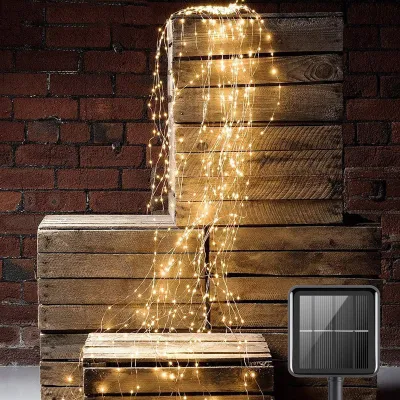
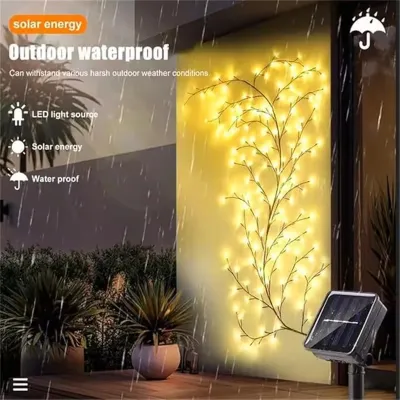
![[TOP SALES]96LED/72LED Tree Branch Lamp 8 Modes USB/Solar Powered DIY Bendable Branch Lights Willow Vine Branch Light For Home Lighting](https://img.lazcdn.com/g/ff/kf/Se0ca47501f2c4a478c80c16435696b96D.jpg_400x400q80.jpg_.webp)
Prices are valid at publication and may change. Please refer to the product page for the latest price.
Next, check the manufacturer’s specified wire length. The lead wire—the unlit portion of the cable that connects the solar panel to the start of the decorative vine—must be long enough to span the distance between your chosen sunny window and the area you wish to illuminate. If the wire is too short, you may find yourself forced to place the lights in an awkward position or compromise on the panel’s sun exposure. Always measure this distance beforehand and compare it with the product specifications on the packaging.
Additionally, verify if your specific product manual indicates dual-charging options. Some modern solar vine lights feature a secondary USB charging port, which is incredibly useful during the rainy season or in rooms with limited direct sunlight. If your room does not receive adequate sun, checking for this feature before purchase ensures your lights remain functional year-round without relying solely on solar energy. Finally, verify the product’s operating voltage, electrical certification, and wattage limits to ensure compatibility with your home’s setup before installation.
Plan Your Layout and Gather Safe Installation Tools
A successful installation begins with a clear map of the light path and the right tools to secure it. Start by measuring the exact route the vine lights and the lead wire will take. Use a flexible measuring tape or a piece of string to trace the path from the window sill or balcony frame, along the walls or baseboards, and up to the final decorative destination. This step prevents unexpected tension on the wires, which can cause internal damage or pull the solar panel out of its designated position.

When it comes to securing the lights, prioritize damage-free mounting tools that protect both your walls and the delicate wiring of the solar vine light. Removable adhesive hooks, transparent cable clips, and reusable zip ties are excellent choices, especially for renters or those wishing to preserve smooth plaster and paint. Avoid using metal staples, nails, or tacks, as these can easily pierce the protective plastic insulation of the wire, leading to short circuits, electrical hazards, or complete product failure.
Safety must also guide your layout planning. Identify and avoid potential hazards such as indoor heat sources, sharp furniture edges, and high-traffic pathways. In tropical climates, placing wires near hot appliances, air conditioning compressors, or areas prone to high humidity can accelerate the wear of the plastic casing. Ensure the wires do not drape across walkways where they could become tripping hazards or get snagged by pets, as sudden tension can tear the connections.
Step-by-Step Installation for Living Rooms and Bedrooms
To begin the physical installation, start with the power source: the solar panel. Position and secure the panel in an unshaded window or balcony area where it can maximize daily sun exposure. Depending on the product design, you may mount the panel using suction cups on the window glass, clip it to a curtain rod, or place it on a sunny windowsill. Ensure the panel is angled directly toward the sky according to the manufacturer’s instructions, and verify that it is securely anchored so it will not fall or shift when windows are opened or closed.
Once the panel is stable, route the connection wire discreetly toward your target lighting area. Run the lead wire along natural architectural lines, such as the edges of window frames, baseboards, or ceiling moldings. Use transparent adhesive clips spaced at regular intervals to keep the wire taut but not overly stretched. Keeping the wire flush against these surfaces not only hides it from view but also prevents it from hanging loose where it could be accidentally pulled or damaged.
With the lead wire safely routed, you can begin draping and securing the decorative vine lights around your chosen feature. Whether you are wrapping them around a wooden headboard, weaving them through a metal bed frame, or draping them over living room shelving, work slowly and gently. Avoid pinching the wire in tight corners or stretching it to reach a distant point. If you are wrapping the lights around a curtain rod, ensure the movement of the curtains will not pull or snag the vine, maintaining a safe clearance from any moving parts. If your installation requires working at heights to mount the panel on an exterior window frame, or if you are routing wires near damp areas, always prioritize safety, follow the manufacturer’s installation instructions, isolate the power source before handling any connections, and consult a qualified professional for any complex mounting or wiring needs.
Styling Techniques for the Best Ambient Effect
Creating a cozy atmosphere with solar vine lights is an art of balance and contrast. Because these lights typically emit a soft, low-intensity glow, they work best when layered with your existing room lighting rather than acting as the sole light source. To avoid harsh contrasts, combine the vine lights with warm-toned bedside lamps, shaded floor lights, or dimmable overhead fixtures. This layering technique softens the shadows in the room and allows you to adjust the overall brightness to suit different moods or times of night.
For a striking visual impact, use the vine lights to create localized focal points that highlight the natural or architectural beauty of your space. Wrapping the glowing vines around indoor plants, such as a potted monstera or a tall parlor palm, creates a beautiful play of light and shadow that brings the outdoors inside. In the bedroom, framing a reading nook or weaving the vines through a headboard establishes a warm, intimate zone that signals it is time to wind down and relax.
Keep in mind that decorative style, perceived color temperature, and spatial effects are highly subjective preferences rather than universal performance facts. What feels cozy and warm in a small bedroom might feel dim or insufficient in a larger living room, so adjust your setup based on your personal comfort and space constraints. Solar vine lights come in various color temperatures, from warm amber to cool white, and their brightness is naturally limited by the solar charge. Adjust your expectations based on your room’s size and wall colors; lighter walls will reflect more of the soft glow, while darker surfaces will absorb the light, creating a more subtle, moody effect.
Maintenance, Safety, and Troubleshooting
To ensure your solar vine lights remain a safe and beautiful feature of your home, establish a simple routine for maintenance and safety checks. Periodically clean the surface of the solar panel with a soft, dry microfiber cloth to remove dust, pollen, or condensation. In humid tropical environments, a thin layer of grime can quickly accumulate on window glass and solar panels, significantly reducing charging efficiency and resulting in shorter illumination times at night.
Regularly inspect the entire length of the wiring for any signs of wear, fraying, or damage caused by mounting hardware or household activity. Check the connection points where the wire enters the solar panel and the light string to ensure they remain tight and dry. If you notice any exposed copper, cracked plastic insulation, or loose connections, discontinue use immediately to prevent electrical hazards.
If you experience issues such as flickering, rapid battery drain, or overheating, stop using the lights and consult the manufacturer’s troubleshooting guide or a qualified professional. Never attempt to modify the internal battery, bypass the solar controller, or splice the wires unless explicitly instructed by the product manual. Prioritizing safety ensures that your ambient lighting setup remains a source of comfort rather than a hazard.
Frequently Asked Questions (FAQ)
Can I use solar vine lights if my bedroom has no direct sunlight?
Solar panels require direct sunlight to charge their internal batteries effectively, so placing the panel in a dark or windowless room will prevent the lights from working. If your bedroom lacks direct sun, check your product manual to see if it supports alternative charging methods, such as a USB port or a detachable panel that you can charge outdoors or in a sunnier room during the day. Alternatively, you can use compatible extension cables to route the wire to a nearby window that receives adequate sunlight.
How do I hide the wire connecting the lights to the solar panel?
To keep your space looking neat, you can conceal the connecting wire by routing it behind furniture, along the back of curtains, or inside paintable cord covers that match your wall color. Always secure the wire flat against surfaces using non-damaging adhesive clips rather than letting it hang loose. Avoid running wires under rugs, carpets, or heavy furniture, as foot traffic and constant pressure can crush the wire, damaging the internal conductors and creating a fire hazard.
Are solar vine lights safe to leave on all night?
Most solar vine lights are designed with built-in light sensors that automatically turn the lights on at dusk and off at dawn, or when the stored battery power runs out. While they are generally safe for overnight use due to their low voltage, you should always consult your product manual for specific battery life limits, automatic shut-off features, and safety guidelines. If you plan to leave them on, ensure the solar panel and battery housing are placed in a well-ventilated area away from flammable materials.

Community discussion
Share your experience or ask a question. Comments are reviewed before publication.