
Creating a Filipino-style Christmas tree using native materials and traditional crafts is a beautiful way to celebrate the holiday season while honoring local heritage. By utilizing sustainable resources like bamboo, rattan, abaca, and capiz shells, you can build a unique centerpiece that reflects the warm, festive spirit of the tropical “Ber months.” This approach showcases local craftsmanship and offers a highly customizable, eco-friendly alternative to mass-produced synthetic trees.
To achieve this look, you will construct a lightweight yet sturdy structural frame from natural wood or bamboo, prepare the raw materials to withstand tropical humidity, and craft handmade ornaments that capture the essence of a traditional Filipino home. Whether you live in a spacious house or a compact urban condominium, adapting these techniques allows you to bring a touch of rustic elegance and nostalgic warmth into your living space.
Planning Your Native Filipino Christmas Tree
Before gathering your materials, plan the physical dimensions and structural design of your native Christmas tree. The size of your indoor space will dictate whether a full-sized, free-standing structure or a compact tabletop version is most appropriate. Bamboo poles and rattan vines are excellent choices for the primary frame because they offer a balance of flexibility and strength, while driftwood provides a rustic, organic silhouette. Consider the ceiling height and floor area of your room, leaving at least thirty centimeters of clearance at the top for a traditional star topper or parol.
Products mentioned in this guide
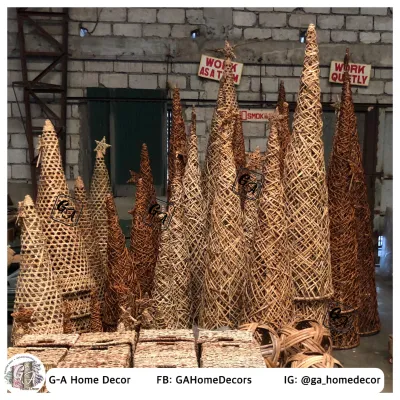
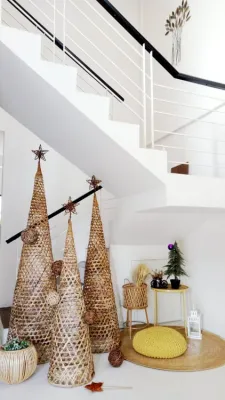
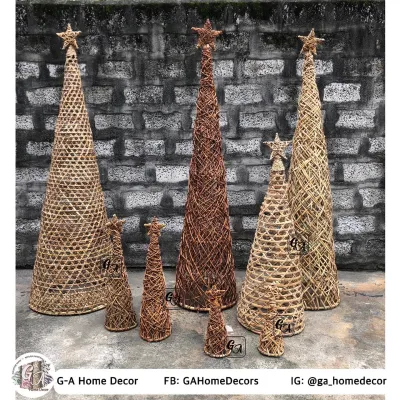
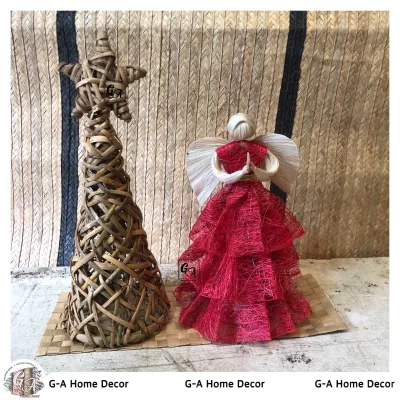
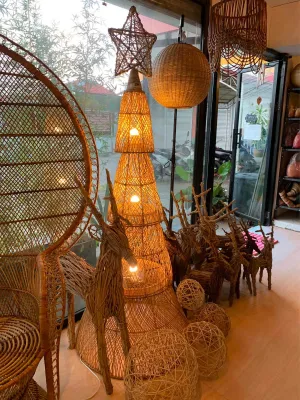
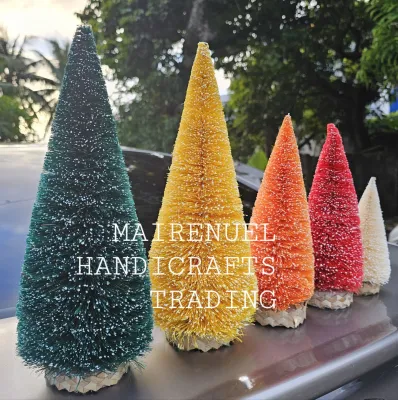
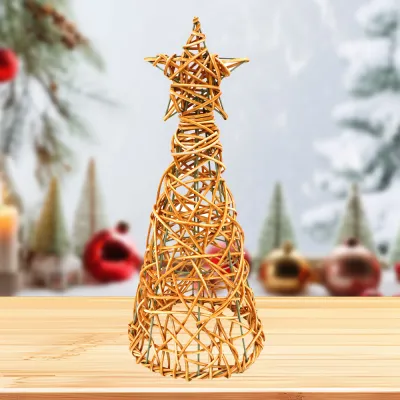
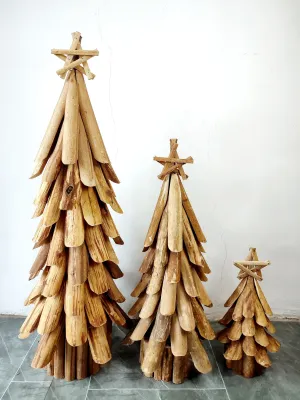
Prices are valid at publication and may change. Please refer to the product page for the latest price.
A stable foundation is critical to prevent the completed tree from tipping over once decorated. Because native materials like bamboo are naturally lightweight, the base must be sufficiently weighted to offset the height and any asymmetrical distribution of ornaments. You can use a heavy clay pot, a wooden crate filled with stones, or a concrete-filled bucket disguised with woven abaca burlap. Testing the stability of your base before building upward ensures that the finished structure remains secure, especially in households with active pets.
To assemble the tree frame efficiently, prepare a dedicated workspace and gather the necessary tools. You will need a fine-tooth hand saw or pruning shears for cutting the bamboo or rattan to size, a drill with small bits to prevent splitting, and high-quality wood adhesive. For securing the joints, heavy-duty binding wire and natural abaca twine are indispensable. Always prioritize safety by wearing protective work gloves to avoid splinters and safety glasses when cutting or drilling natural fibers.
Sourcing and Preparing Native Materials
Sourcing authentic materials is an engaging part of the crafting process, allowing you to explore local markets, craft cooperatives, and natural surroundings. Capiz shells, harvested from marine mollusks, are prized for their translucent, pearlescent quality that beautifully diffuses light. Dried palm leaves, particularly buri or anahaw, offer excellent structural rigidity for weaving, while abaca fiber provides exceptional tensile strength for bindings and decorative garlands. Seashells, dried pinecones, and local seed pods can also be collected to add diverse textures to your design.

Because the tropical climate in the Philippines is characterized by high humidity, raw natural materials must be thoroughly cleaned and conditioned before assembly. Untreated bamboo and palm leaves can harbor moisture, mold spores, or wood-boring insects that may damage the tree or your home. Wash all collected shells and bamboo poles with a mild soap solution, then allow them to dry completely under direct sunlight for several days. Applying a thin coat of clear, non-toxic wood preservative or varnish can help seal the materials, preventing moisture absorption and ensuring the tree lasts for many holiday seasons.
Before you begin shaping your materials, assess their flexibility and moisture content. Freshly cut bamboo is highly pliable but will shrink and potentially split as it dries, whereas older, dry bamboo is rigid and prone to cracking if bent too sharply. If you are working with dried palm leaves or abaca, lightly misting them with water can temporarily restore flexibility, making them easier to weave or knot without snapping. Understanding these material properties allows you to work with the natural grain rather than against it, reducing waste and structural failures.
Step-by-Step Guide to Building the Tree Frame
To begin construction, select a thick, straight bamboo pole or sturdy wooden dowel to serve as the central trunk of your tree. Cut this central pole to your desired height, ensuring the bottom end fits snugly into your prepared, weighted base. Next, plan the branching tiers by cutting thinner bamboo strips or rattan pieces into graduating lengths, which will form the conical shape of the tree. Symmetrical spacing between the tiers is crucial; spacing them approximately twenty to thirty centimeters apart provides ample room for hanging ornaments while maintaining a balanced silhouette.
Securing the joints of your frame requires a combination of mechanical fastening and traditional binding techniques. Forcing nails or screws directly into dry bamboo often causes the material to split along the grain, compromising its strength. Instead, pre-drill small pilot holes through the intersecting points of the central pole and the horizontal branches. Insert a thin wooden peg or a small screw through the hole, then tightly wrap the joint with abaca twine or rattan strips soaked in wood glue. This dual-reinforcement method creates a highly durable connection that can support the weight of your decorations.
Once all the horizontal tiers are securely attached to the central trunk, insert the entire assembly into your weighted base. Use wedges, gravel, or quick-setting plaster to lock the trunk firmly in place, verifying that the tree stands perfectly vertical. Gently shake the frame to test its balance and structural integrity; any wobbling or sagging indicates that a joint needs reinforcement or the base requires additional weight. Completing these structural checks now prevents frustrating alignment issues later when you begin decorating.
Crafting and Attaching Traditional Ornaments
With the frame securely assembled, you can begin crafting traditional ornaments that reflect classic Filipino holiday themes. Woven buri palm stars, miniature parols (star lanterns) made from bamboo splints and colorful crepe paper, and delicate capiz shell pendants are excellent choices. You can also string dried local flowers, such as everlasting blooms, or polished wooden beads onto abaca thread to create rustic garlands. Engaging family members in crafting these ornaments adds a personal, collaborative touch to your holiday preparations.
When decorating the tree, distribute the ornaments systematically to maintain physical and visual balance. Hang heavier items, such as large capiz shells or dense wooden carvings, closer to the central trunk or directly on the stronger, lower joints of the bamboo branches. Reserve the lighter, delicate ornaments, like woven palm stars and dried leaf accents, for the outer tips of the branches. This distribution strategy prevents the lightweight bamboo tiers from sagging under uneven loads and preserves the clean, conical shape of your tree.
Integrating lighting requires careful planning to highlight the natural textures of your materials safely. Select low-heat LED fairy lights, which are highly energy-efficient and minimize heat output near dry, flammable natural fibers. Before installation, verify that the light strings carry valid electrical safety certifications, such as the Philippine Standard (PS) mark or the Import Commodity Clearance (ICC) sticker, and check that the voltage matches your home’s electrical outlets (typically 220V). Weave the light wires carefully along the bamboo frame, hiding them behind abaca garlands, and always isolate the power supply by unplugging the lights before adjusting their position.
Safety, Maintenance, and Display Tips
Operating a Christmas tree made from dry, natural materials requires strict adherence to fire safety protocols. Because dry bamboo, palm leaves, and abaca are highly flammable, never place your tree near open flames, such as candles, or close to heat-generating household appliances. Always unplug the LED lights when leaving the house or going to sleep, and avoid overloading electrical outlets with multiple extension cords. Keeping a fire extinguisher nearby and ensuring your smoke detectors are functional are standard, responsible safety practices for any holiday display.
Throughout the display period, perform routine visual inspections to ensure the tree remains safe and structurally sound. Check the joints periodically for any signs of loosening, especially if the indoor humidity levels fluctuate significantly, which can cause natural fibers to expand or contract. Look closely for any signs of pest activity, such as fine wood dust beneath the bamboo frame, which may indicate the presence of wood-boring insects. Addressing these minor issues early prevents structural failure and protects your other household furniture.
When the holiday season concludes, proper disassembly and storage will preserve your handmade tree for future years. Carefully remove the lights and ornaments, wrapping delicate capiz shells in soft paper or bubble wrap to prevent chipping. Untie or unscrew the branching tiers if your frame design allows for flat storage, or cover the fully assembled frame with a breathable cotton sheet to protect it from dust. Store all components in a cool, dry area of your home, elevated off the floor, to prevent moisture accumulation, mold growth, and pest infestations during the humid off-season months.
Frequently Asked Questions (FAQ)
Can I use a real pine tree and just decorate it with native materials?
Yes, you can certainly decorate a real pine tree or a standard artificial tree with native Filipino ornaments if you prefer not to build a frame from scratch. However, a custom-built bamboo or rattan frame offers a distinct, airy aesthetic that highlights the structural beauty of traditional crafts. If you choose to use a real pine tree, ensure the branches are strong enough to support heavier items like capiz shells, and use soft abaca ties instead of wire to avoid damaging the living pine needles.
How do I prevent bamboo or rattan frames from splitting during assembly?
Splitting is a common issue when working with dry, fibrous materials like bamboo and rattan. To prevent this, always pre-drill pilot holes that are slightly smaller than your screws or pegs before joining pieces together. Avoid using heavy hammers or driving nails directly into the wood, as the impact easily splits the grain. Additionally, soaking rattan strips in warm water for about thirty minutes before bending or binding makes them highly pliable and significantly reduces the risk of cracking.
Are capiz shells too heavy for a lightweight bamboo tree frame?
Capiz shells can be surprisingly heavy when grouped together in large quantities or complex designs. To prevent your lightweight bamboo frame from sagging or tipping, hang larger capiz ornaments close to the central pole where the structural support is greatest. For the delicate outer tips of the branches, substitute heavy shells with lightweight alternatives such as woven buri palm stars, dried leaves, or thin abaca tassels, which provide a similar festive texture without adding excessive weight.

Community discussion
Share your experience or ask a question. Comments are reviewed before publication.