
To determine the right length and bulb density of fairy lights for your condo bedroom, you must measure the linear distance of your target installation zone, apply a multiplier based on your styling preference, and verify the bulb spacing on the product label. In a typical compact condo bedroom, a string length of 5 to 15 meters is usually sufficient for accent areas, while a bulb spacing of 5 to 10 centimeters provides a cozy, dense glow without overwhelming the space. Balancing these dimensions ensures your ambient lighting fits beautifully without leaving messy, excess wires or sparse, empty gaps.
Condo bedrooms in urban areas often feature compact layouts where space optimization is key. Introducing soft, warm lighting can transform a small room into a relaxing sanctuary after a long day. However, buying string lights without a clear plan often leads to cluttered cords or disappointing, dim corners. By taking a few systematic measurements and understanding how bulb density affects the overall atmosphere, you can select the ideal setup for your specific layout.
Measure Your Condo Bedroom Installation Zones
Before purchasing your christmas light fairy lights, you need to identify exactly where they will hang. Common installation zones in condo bedrooms include the headboard framing, curtain rods draping over windows, ceiling perimeters, and decorative wall grids. Each zone requires a different approach to measurement and presents unique physical characteristics.
Products mentioned in this guide
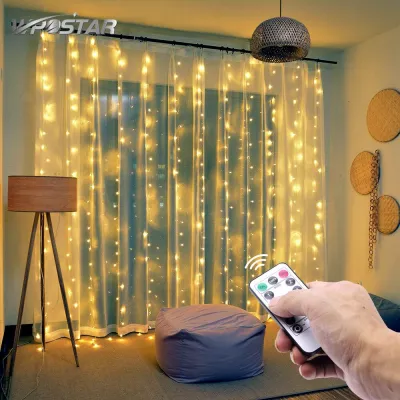
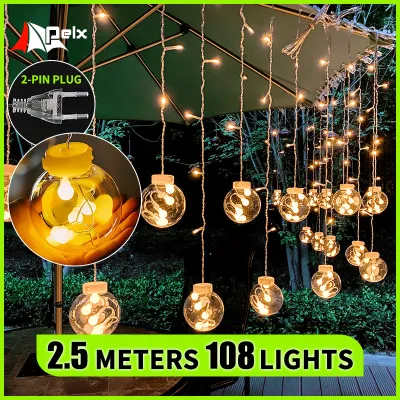
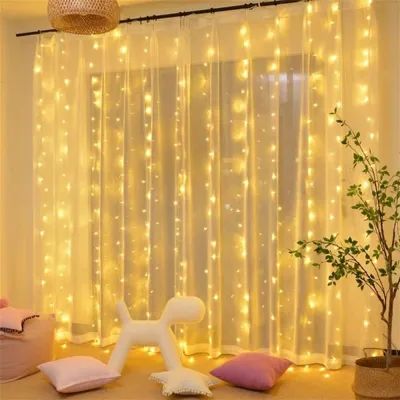
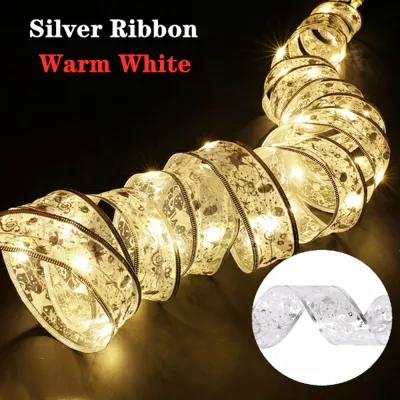
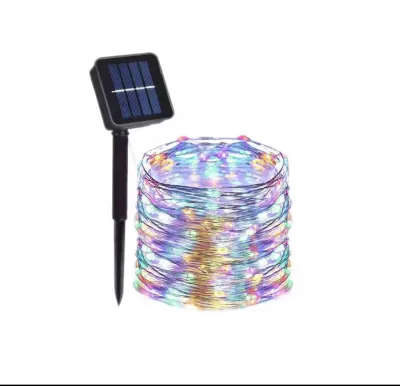
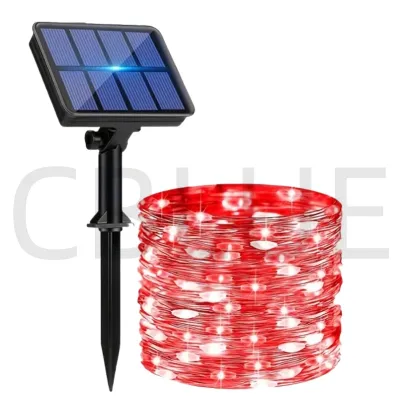
Prices are valid at publication and may change. Please refer to the product page for the latest price.
To start, use a standard metal tape measure to find the linear distance of your chosen zone. If you plan to outline a rectangular headboard, measure the top edge and both vertical sides. For curtain draping, measure the horizontal length of the curtain rod and the vertical drop to the floor or windowsill. If you are outlining the ceiling perimeter, measure along the cornices where the wall meets the ceiling.
Condo living spaces often feature structural elements that can obstruct your lighting path. Take note of split-type air conditioning units, built-in wardrobes, window frames, and structural columns. You must plan your light path around these obstacles to avoid blocking air vents or preventing wardrobe doors from opening fully.
Finally, locate the nearest available electrical outlet. Measure the exact distance from your planned starting point to this outlet. This step is crucial because it determines how much unlit lead wire you need. If the outlet is far, you must account for this gap to avoid having active, glowing bulbs dangling awkwardly down the wall toward the floor.
Calculate the Required Fairy Light Length
Once you have the base linear measurements, you cannot simply buy a strand of that exact length. Different styling methods require specific multipliers to account for the way the wires drape, wrap, or curve.

For a clean, straight-line installation along a shelf or ceiling edge, a simple 1.0 multiplier is sufficient, though adding a five percent margin for minor adjustments is highly recommended. If you prefer a gentle swag drape along a wall or curtain rod, multiply your linear measurement by 1.2 to 1.3 to allow the wire to dip gracefully. For wrapping around a bedpost, vertical column, or headboard frame, you will need a much larger multiplier. A tight wrap typically requires 2.0 to 3.0 times the height of the object, depending on how closely spaced you want the coils to be.
To calculate the total length needed, use this basic framework: multiply your linear distance by your style multiplier, then add the necessary length for drops, waves, and corner turns. For example, if you are outlining a 2-meter headboard with a gentle drape, your calculation would be 2 meters multiplied by 1.2, which equals 2.4 meters. Add another 0.2 meters for corner transitions, resulting in a required lit length of 2.6 meters.
Always check the manufacturer’s specifications for the length of the lead wire, which is the unlit portion of the cord between the plug and the first bulb. If the lit section of your strand is 5 meters but the lead wire is only 1 meter, and your outlet is 2 meters away, you will face installation difficulties. Additionally, if you are planning a large-scale installation, check the product specifications to see how many individual strands can be safely connected end-to-end to avoid overloading the circuit.
Choose the Ideal Bulb Density and Spacing
Bulb density refers to the number of light-emitting diodes (LEDs) per meter of wire, which directly influences the visual weight, wire visibility, and overall brightness of your christmas light fairy lights. Selecting the right density prevents your compact condo bedroom from feeling either under-lit or excessively bright.
For focused accent areas where you want a rich, glowing backdrop—such as behind a headboard or woven into a sheer curtain—look for high-density strands. These typically feature bulb spacing of 5 centimeters or less. High-density lights create a continuous, solid line of light that draws the eye and provides excellent accent illumination.
For broader, more subtle ambient outlines, such as along ceiling edges or wrapped around large furniture, lower-density strands are more appropriate. These strands usually have bulb spacing of 10 to 15 centimeters. The wider spacing keeps the light soft and unobtrusive, ensuring the ceiling line does not become a distracting glare in a small room.
In a compact condo space, excessive brightness can quickly cause eye strain. Balancing the spacing helps maintain a cozy, balanced aesthetic. Before making a purchase, always check the product packaging or online specifications for the total bulb count relative to the total lit length. A 10-meter strand with 100 bulbs has a spacing of 10 centimeters, whereas a 10-meter strand with 200 bulbs has a tighter 5-centimeter spacing, offering double the brightness and visual impact.
Verify Power, Safety, and Installation Limits
Operating electrical decor in a condo requires careful attention to safety standards and building regulations. First, verify that the fairy lights are compatible with the standard 220-volt, 60-hertz electrical system used in the Philippines. Ensure the plug type matches your wall outlets, which are typically flat two-pin Type A or grounded Type B configurations.
Next, consider the physical installation limits. High humidity levels in tropical climates can affect how adhesives perform on painted concrete walls. Avoid using heavy-duty, permanent tapes that can tear delicate paint or wallpaper when removed. Instead, opt for damage-free adhesive utility hooks designed for humid environments, and ensure the wall surface is clean and dry before application.
Heat dissipation is another critical safety factor. While modern LED fairy lights generate significantly less heat than older incandescent bulbs, they should still be kept away from heavy, flammable fabrics and enclosed, unventilated spaces. Ensure the lights are not tightly pinched behind heavy furniture where heat can accumulate.
Always establish a clear safety stop condition. If your planned lighting design requires altering fixed electrical wiring, daisy-chaining more strands than the manufacturer’s rated limit, or overloading a single wall outlet, stop immediately. In these situations, simplify your design or consult a qualified professional electrician to ensure your setup complies with local electrical codes.
Common Sizing and Planning Mistakes to Avoid
One of the most frequent errors is forgetting to measure the lead wire. If you fail to check this specification, you may find that the active, glowing bulbs start right at the power outlet near the floor, rather than at the beginning of your decorative zone on the wall.
Another common mistake is assuming that all light strands of the same length offer the same visual effect. Two different 10-meter strands can look completely different if one contains 50 bulbs and the other contains 200 bulbs. Always verify the bulb count to ensure the density matches your design goals.
Lastly, avoid buying a single, excessively long strand for a complex layout. Managing a single 30-meter wire around multiple tight corners and furniture pieces can be incredibly frustrating and increases the risk of tangling or damaging the internal copper wiring. Using multiple shorter, connectable strands makes installation, power routing, and future troubleshooting much easier.
Frequently Asked Questions (FAQ)
Can I connect multiple fairy light strands together?
Connectability depends entirely on the manufacturer’s specifications and the power rating of the integrated plug or transformer. Always check the product label or instruction manual for the maximum number of connectable sets allowed. Never attempt to daisy-chain non-connectable strands or exceed the maximum rated wattage, as this can damage the lights and pose an electrical hazard.
Do battery-operated fairy lights require different sizing calculations?
Battery-operated fairy lights offer excellent placement flexibility because you do not need to measure the distance to a wall outlet. However, you must consider that longer strands and higher bulb densities will drain batteries much faster. When planning your installation, ensure the battery compartment can be easily concealed while remaining accessible for regular battery replacements.

Community discussion
Share your experience or ask a question. Comments are reviewed before publication.