
Choosing the right projector night light involves balancing visual appeal with sleep-friendly features and spatial practicality. In a typical bedroom, especially within the compact layouts of modern urban condominiums, the right ambient lighting can transform a plain sleeping area into a soothing sanctuary. To make an informed decision, you must evaluate how different light styles, control mechanisms, and physical setups interact with your sleeping environment and daily routine.
Quick Guide: Must-Have Features for a Bedroom Projector Night Light
When shopping for a projector night light, focusing on a few critical specifications will help you find a model that enhances your space without disrupting your rest. Prioritize these essential features to ensure your device is both functional and safe for nightly use:
- Projection Style: Decide between the focused, warm, single-direction glow of a sunset lamp or the wide-angle, multi-color coverage of a galaxy or star projector.
- Stepless Dimming: Look for models that allow fine brightness adjustments down to very low levels, which is crucial for maintaining proper sleep hygiene.
- Sleep Timers: An automatic shutoff timer (typically 1 to 2 hours) ensures the light does not run all night, preserving the device and supporting deep sleep in complete darkness.
- Adjustable Throw Distance: Ensure the lens system can project a clear, sharp image within the specific physical boundaries of your bedroom.
Your primary goal is to find a balance between aesthetic appeal and sleep safety. While a vibrant, moving light show is engaging during evening relaxation, your night light must also be capable of transitioning into a dim, static, and non-disruptive glow when it is time to sleep. In smaller bedrooms or studio apartments, where the bed is often close to the light source, these subtle control features become even more critical to prevent eye strain and sleep disruption.
Products mentioned in this guide
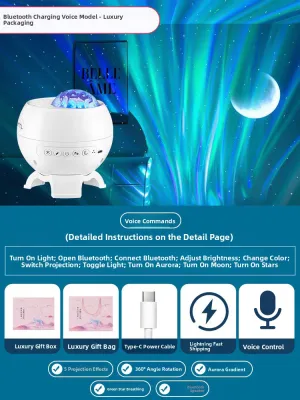
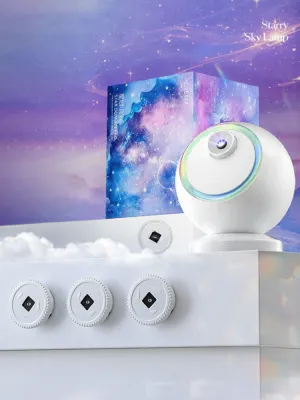
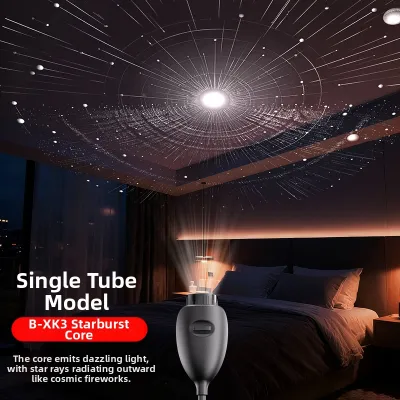
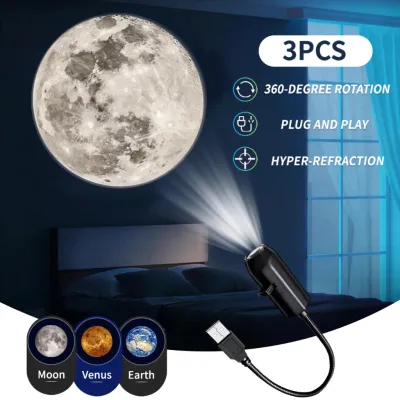
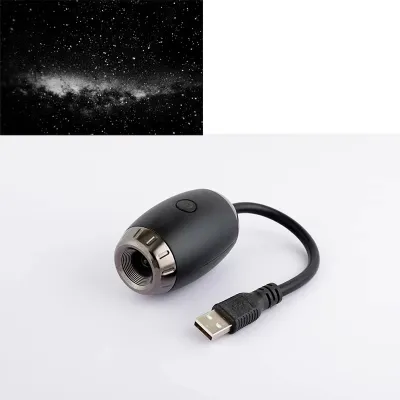
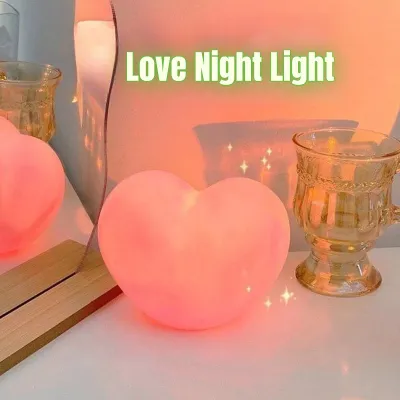
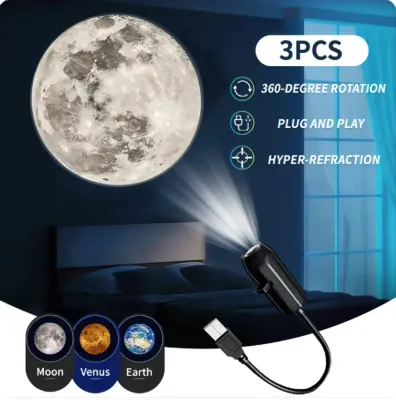
Prices are valid at publication and may change. Please refer to the product page for the latest price.
Core Specifications to Evaluate Before You Buy
To select a high-performing projector night light, you need to look past generic marketing descriptions and examine the technical specifications. The internal components, lens design, and control interfaces directly determine how the light behaves in your room and how easy it is to operate on a daily basis.

Projection Styles and Light Effects
Projector night lights generally fall into three optical categories: sunset lamps, galaxy or star projectors, and wave or aurora projectors. Sunset lamps use a thick, high-refraction glass lens to project a concentrated, circular halo of light that mimics natural golden-hour gradients. These are highly directional and work best when aimed at a specific wall or corner to create a warm, localized accent.
In contrast, galaxy and star projectors utilize wide-angle diffractive lenses or holographic laser modules to scatter patterns of stars, nebulas, and dust clouds across the entire ceiling and walls. Wave and aurora projectors use a rotating, textured ripple lens to create moving, fluid-like patterns that simulate underwater currents or the northern lights. When evaluating these styles, consider the optical lens material; high-quality glass lenses offer superior edge sharpness and color blending, whereas cheap plastic lenses are prone to warping under heat and can produce fuzzy, distorted projections.
Brightness Control, Color Palettes, and Dimming
Exposure to bright light—especially blue wavelengths—before bed can suppress melatonin production and disrupt your circadian rhythm. Therefore, precise control over brightness and color temperature is a vital feature for any bedroom light. Look for a projector that features stepless dimming rather than preset stepped intervals (such as 25%, 50%, and 100%), as stepless control allows you to lower the illumination to a faint, single-digit percentage that will not disturb your eyes in a dark room.
Color customization is another important factor to consider. While multi-color RGB options offer versatility for different moods, ensure the device includes dedicated warm-white, amber, or deep red color modes, which are the least disruptive to sleep. Additionally, verify if the projector has an integrated memory function. A memory function ensures that when you turn the device on in the middle of the night, it defaults to your last used low-brightness setting rather than flashing at full intensity and shocking your eyes.
Power Options, Noise Levels, and Sleep Timers
How a projector is powered and how quietly it operates will significantly impact your nightly experience. Power configurations generally consist of USB-powered designs or direct AC plug-in models:
- USB-Powered Models: These offer excellent placement flexibility because they can run off standard wall adapters, computer ports, or portable power banks. In areas prone to seasonal grid fluctuations or power interruptions, a USB-powered projector running on a power bank can serve as an excellent, low-draw emergency light source.
- Direct AC Plug-In Models: These eliminate cable clutter by plugging directly into wall outlets, though they restrict your placement to the immediate vicinity of your electrical sockets.
Because these devices are meant to help you fall asleep, mechanical noise is a critical consideration. Many dynamic projectors use internal motors to rotate lenses or cooling fans to manage heat. Check user feedback and product specifications to ensure the motor operates at a whisper-quiet level (ideally below 20 decibels). A noisy, grinding motor or a buzzing fan can easily ruin the relaxing atmosphere of your bedroom. Lastly, ensure the device features a reliable auto-shutoff timer. Setting a 1-hour or 2-hour timer allows you to drift off to sleep under the lights while ensuring the device powers down afterward to save energy and protect the light source from premature wear.
Optimizing Projection for Condo Spaces and Bedroom Layouts
In urban condominiums and compact apartments, spatial constraints require careful placement to get the best visual performance from your projector night light. Standard bedroom layouts often leave limited space between furniture, meaning you must plan your setup to accommodate throw distances, avoid glare, and keep cables organized.
Throw Distance and Ceiling Height The distance between the projector lens and the target wall or ceiling determines the size and clarity of the projected image. If a projector is placed too close to a surface, the image will be small and overly bright; if placed too far, the light will disperse, causing the pattern to lose definition and become faint. For smaller rooms with low ceilings, look for a projector with a short-throw lens or an adjustable focus ring. This allows you to achieve a wide, immersive projection even when the device is positioned on a bedside table just a meter away from the wall or ceiling.
Glare and Light Spill Unintended glare can quickly ruin a relaxing bedroom environment. When positioning your projector, ensure the lens is angled away from your direct line of sight when you are lying in bed. If the light source shines directly into your eyes, it can cause immediate discomfort and eye strain. Additionally, observe how the light interacts with other surfaces in your room. Avoid pointing the projector at glossy wardrobe doors, glass photo frames, or mirrors, as these surfaces will reflect harsh, concentrated hotspots of light around the room, disrupting the soft, ambient effect you want to achieve.
Cable Management and Footprint A cluttered bedside table or a tangle of loose cords can be a safety hazard, especially when navigating a dark bedroom at night. Choose a projector with a compact, stable base that fits securely on your nightstand, shelf, or desk without the risk of tipping over. Route all power cables neatly along the back of your furniture, securing them with cable clips or ties. Keeping cords flat and out of walkways prevents accidental tripping, which could pull the projector off its surface, potentially shattering the lens or damaging the internal electronics.
Recommended Light Effects for Different Bedroom Moods
Different projection styles excel at creating specific atmospheres. Understanding how these visual effects influence your mood and spatial perception will help you match the right projector type to your personal relaxation preferences.
Sunset Lamps for Warm, Cozy Ambiance
Sunset lamps are designed to project rich, warm gradients of orange, red, and yellow, mimicking the soothing colors of a natural sunset. This style of lighting is highly effective for winding down at the end of a long day, as the warm color temperatures signal to your brain that it is time to relax. Many users find sunset lamps to be the perfect backdrop for reading, practicing meditation, or performing light stretching exercises before bed.
However, sunset lamps do have specific limitations you should keep in mind before purchasing:
- Limited Color Variety: Most models are dedicated to warm tones and do not offer the wide, multi-color palettes found in galaxy projectors.
- Surface Requirements: Because they project a highly focused halo, they require a relatively flat, light-colored, and untextured wall to display clean, sharp gradients. Dark paint, heavy textures, or cluttered wall decor will absorb the light and distort the circular effect.
Galaxy and Star Projectors for Deep Relaxation
Galaxy and star projectors are ideal if you want an immersive, room-filling experience. By casting thousands of drifting stars and slowly swirling nebulas across your entire ceiling, these devices draw your gaze upward, helping to quiet a busy mind and ease you into a state of deep relaxation. The slow, rhythmic movement of the celestial patterns can act as a visual anchor, making them highly popular for both adults and children who struggle to fall asleep in complete silence or stillness.
To get the most out of a galaxy projector, your bedroom needs to be almost completely dark, as ambient light from windows or streetlights will quickly wash out the delicate star patterns. Additionally, be cautious of models that feature sharp, high-intensity green or blue laser stars. Ensure the device allows you to turn the laser element off independently, or adjust its brightness, to prevent eye strain if you happen to look toward the projector.
Dynamic Mood Lamps for Versatile Vibes
If you prefer a bedroom setup that can transition from a calm sleeping space to an active, social area, dynamic mood lamps with moving wave or aurora effects are an excellent choice. These projectors often feature customizable color transitions, allowing you to cycle through deep ocean blues, forest greens, and vibrant purples. They are highly suited for setting a modern, lounge-like vibe while listening to music, journaling, or relaxing on the weekend.
While these dynamic transitions are visually engaging, you should exercise caution when using them close to bedtime. Fast-moving, high-contrast light patterns can stimulate brain activity and interfere with your body’s natural transition into sleep. When preparing to sleep, always switch the projector to a static, single-color mode and reduce the rotation speed of the internal motor to its lowest setting, or turn the motion off entirely.
Safety, Setup, and Maintenance Guidelines
To ensure your projector night light operates safely and lasts for years, you must follow basic electrical safety, proper installation steps, and regular maintenance routines. Because these devices combine optical lenses, electric motors, and LED light sources, they require careful handling.
Electrical and Heat Safety Before plugging in your projector, always verify its voltage compatibility with your local electrical supply. In the Philippines, the standard utility voltage is 220V at 60Hz. If you are using a USB-powered projector, ensure the wall adapter you connect it to is rated for 220V input and provides the correct output amperage (typically 1A or 2A) specified by the manufacturer. Look for recognized electrical safety certifications, such as the Philippine Standard (PS) mark, Import Commodity Clearance (ICC) stickers, or international certifications like CE and RoHS on imported units.
Proper ventilation is critical for preventing heat buildup. LEDs and internal motors generate heat during extended operation. To ensure safe heat dissipation, follow these precautions:
- Keep Vents Clear: Never cover the projector's ventilation slots with decorative cloths, stickers, or templates.
- Avoid Soft Surfaces: Do not place the operating projector directly on soft, insulating surfaces like beds, pillows, mattresses, or thick carpets, which can trap heat and cause the internal components to overheat.
- Provide Space: Position the device on a flat, hard surface with at least a few inches of open air space around all sides.
Lens Care and Dust Prevention Dust and fingerprints on the projector lens will degrade the clarity of your projection, causing the light to look blurry, dim, or smudged. To maintain a crisp image, clean the lens periodically. Always unplug the device and allow it to cool down completely before cleaning. Use a dry, clean, lint-free microfiber cloth to gently wipe away dust. Avoid using harsh household chemical cleaners, window sprays, or wet wipes, as moisture and abrasive chemicals can strip away specialized anti-reflective coatings on glass lenses or permanently cloud acrylic lenses.
When to Stop Using the Device Monitor your projector night light for any signs of electrical or mechanical wear. If you observe any of the following warning signs, immediately unplug the device from the wall outlet and stop using it:
- Persistent flickering of the light source that cannot be resolved by checking the cable connection.
- Unusual, excessive heat radiating from the base of the projector or the power adapter.
- A loud, grinding, or squeaking noise coming from the internal rotation motor.
- A burning plastic or electrical smell coming from the device.
In any of these situations, do not attempt to open the housing or repair the internal wiring yourself unless you are a qualified professional. Check the product’s warranty guidelines or contact the manufacturer for repair or replacement options.
Frequently Asked Questions (FAQ)
Can I leave a projector night light on all night?
While most modern LED-based projector night lights are designed to handle several hours of continuous use, it is generally not recommended to leave them running all night. Continuous operation accelerates the wear on the internal LEDs and rotation motors, shortening the overall lifespan of the device. Furthermore, sleep experts recommend sleeping in a completely dark room to support deep, uninterrupted sleep cycles. Utilizing the projector’s built-in 1-hour or 2-hour sleep timer is the best way to enjoy a relaxing environment as you fall asleep while ensuring a dark, healthy sleeping environment for the rest of the night.
Do projector night lights consume a lot of electricity?
No, projector night lights are highly energy-efficient. Most models utilize low-wattage LED light sources that typically draw between 5 to 10 watts of power. To put this in perspective, running a 5-watt projector for 8 hours a night consumes only 0.04 kilowatt-hours (kWh) of electricity per day. At typical electricity rates in the Philippines, this translates to an extremely negligible cost of just a few centavos per night, making its impact on your monthly household electricity bill virtually unnoticeable compared to larger appliances like air conditioners or refrigerators.
How far should I place the projector from the wall or ceiling?
For most standard bedroom projectors, the optimal placement distance is between 1.5 to 3 meters from the target wall or ceiling. Placing the device within this range allows the lens to project a wide, immersive image that covers a large portion of the room without losing brightness or sharpness. If you place the projector too close (less than 1 meter), the image will be small, highly concentrated, and potentially too bright for comfortable sleeping. If placed too far (beyond 4 meters), the light will scatter excessively, resulting in a faint, blurry projection that lacks detail.

Community discussion
Share your experience or ask a question. Comments are reviewed before publication.