
Finding the right clip-on reading lamp for your bedside involves balancing physical compatibility, visual comfort, and electrical safety. A suitable bedside lamp must securely grip your headboard or nightstand, direct light precisely onto your pages without disturbing others, and offer adjustable settings that ease your eyes into sleep. In tropical climates like the Philippines, where evening humidity can affect materials and ambient temperatures remain warm, selecting a lamp with efficient heat dissipation and durable, corrosion-resistant components is equally essential. By focusing on adjustable brightness, warm color temperatures, robust clamping mechanisms, and reliable power options, you can create a comfortable late-night reading sanctuary.
Assess Your Bedside Setup and Reading Needs
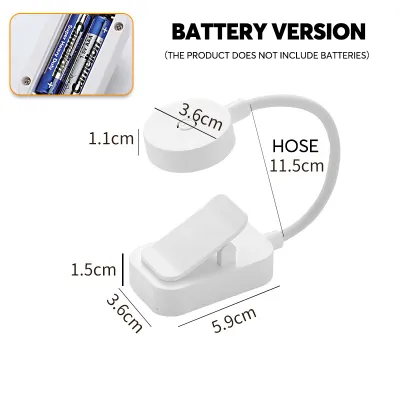
Before purchasing a clip-on lamp, take a close look at the physical layout of your sleeping area. The thickness and material of your headboard, bed frame, or adjacent shelving will dictate the maximum jaw opening your lamp’s clip must have. Use a ruler or measuring tape to find the exact thickness of the mounting surface, as many standard clips only open up to 1.5 or 2 inches, which may not accommodate thick wooden headboards or padded fabric frames.
Your primary reading position also determines how long and flexible the lamp’s neck needs to be. If you prefer sitting upright against a pile of pillows, you will need a longer gooseneck or an adjustable articulated arm to position the light source directly over your shoulder or book. Conversely, if you read lying on your side, a shorter, more compact neck might suffice to keep the light close to your pages.
Products mentioned in this guide
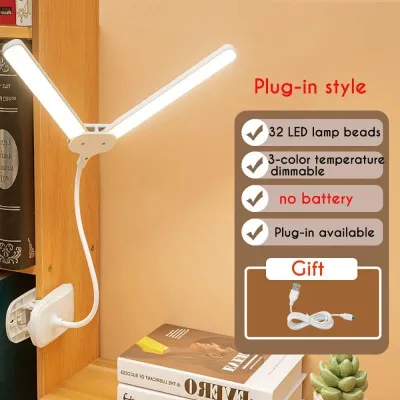
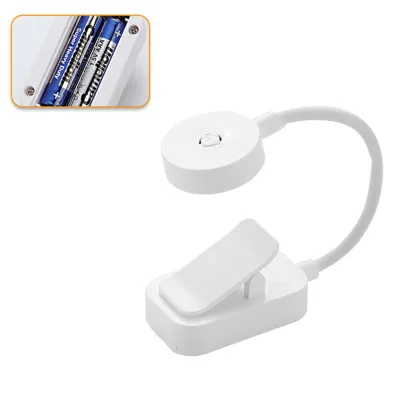
![[Ready Stock+COD] Portable Clip Desk Lamp Eyes Protection Clamp Clip Light Bendable USB Reading Lamp Desk Bedroom](https://img.lazcdn.com/g/p/fe3ecec97a78b930c65c5dda67f67fbd.png_400x400q80.png_.webp)
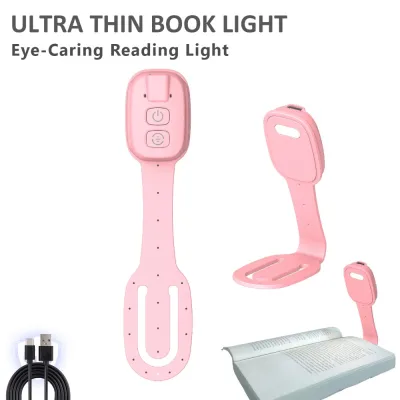
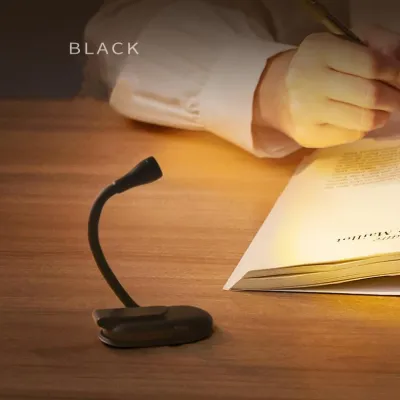
Prices are valid at publication and may change. Please refer to the product page for the latest price.
Finally, map out the distance from your intended mounting spot to the nearest electrical outlet. If you plan to use a corded model, ensure the cable can reach the wall socket without stretching tightly across walkways or behind heavy furniture, which can create tripping hazards or damage the cord over time. For rooms with limited wall outlets, this assessment will help you decide whether a rechargeable cordless model is a more practical choice for your layout.
Evaluate Lighting Features for Eye Comfort
The quality of light emitted by your bedside lamp directly impacts your eye comfort and your body’s natural sleep cycle. Look for lamps that offer multiple brightness levels or continuous step-less dimming. Late at night, your eyes require far less light to read comfortably than they do during the early evening, and being able to lower the intensity prevents glare and reduces eye strain.

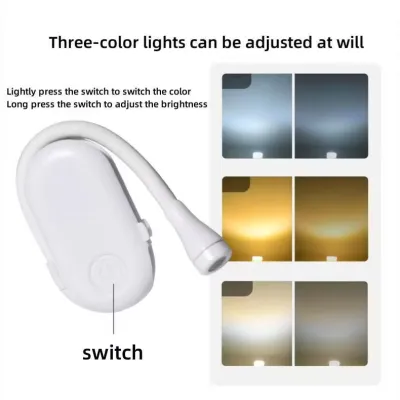
Color temperature is another critical factor for nighttime reading. Light is measured in Kelvins (K), with lower numbers representing warmer, amber tones and higher numbers representing cooler, bluish tones. For bedside use, prioritize lamps that offer warm light settings, typically between 2700K and 3000K, as these tones are gentler on the eyes and do not interfere with melatonin production in the way cool daylight settings (5000K and above) can. Many modern LED clip-on lamps feature adjustable color modes, allowing you to switch from a neutral white for daytime tasks to a soft warm glow for your bedtime routine.
Additionally, pay attention to the design of the lamp shade and diffuser. A well-designed lamp should direct light downward in a controlled beam rather than scattering it across the entire room. A deep shade or an integrated frosted diffuser helps prevent direct glare from reaching your eyes and minimizes light spill, ensuring your reading session does not wake a sleeping partner sharing the bed.
Check Clip Mechanisms and Mounting Stability
A clip-on lamp is only as good as its grip, making the clamping mechanism a vital feature to inspect. Spring-loaded clips are highly popular for their ease of use, allowing you to quickly move the lamp from a headboard to a desk or shelf. However, ensure the spring tension is strong enough to support the weight of the lamp head when the neck is fully extended, as weak springs can cause the lamp to droop, slide, or fall.
For thicker or heavier setups, a screw-tightened C-clamp style mechanism offers superior stability. While these take slightly longer to install and adjust, they provide a highly secure hold that will not slip over time. Regardless of the clip type, look for models that feature thick rubber, silicone, or foam padding on the inside of the jaws. This padding serves a dual purpose: it increases friction for a tighter grip and protects delicate wood finishes, paint, metal, or upholstered headboards from scratches and indentations.
The physical balance of the lamp is also worth evaluating. A heavy lamp head paired with a weak, highly flexible neck can cause the fixture to sag under its own weight. Check that the gooseneck or jointed arm feels stiff enough to hold its shape in various positions, ensuring the light remains exactly where you need it throughout your reading session.
Compare Power Sources and Cable Management
Choosing between a plug-in lamp and a rechargeable battery-powered model depends on how you value continuous power versus portability. Plug-in models, which typically connect via a standard AC adapter or a USB cable, offer the reliability of uninterrupted power. You never have to worry about the light dimming or shutting off mid-chapter, making them excellent for dedicated readers who keep their lamp in a fixed position.
Rechargeable battery-powered lamps offer unmatched portability, allowing you to clip the light onto a book, a headboard, or even take it with you to another room during power outages. If you choose a cordless option, verify the battery capacity, usually measured in milliampere-hours (mAh), and check the manufacturer’s estimated runtime on both the highest and lowest brightness settings. Keep in mind that high-humidity environments can gradually affect battery efficiency over time, so opting for a high-quality lithium-ion battery is advisable.
Cable management is another important consideration for maintaining a clean and safe bedside environment. If you opt for a corded model, look for designs that include integrated cable clips or routing channels along the neck or base. Properly securing the power cord prevents it from dangling loosely, reducing the risk of accidental snags when you reach for a glass of water or adjust your pillows in the dark.
Verify Safety and Installation Boundaries
Electrical safety should always be a primary concern when introducing any light fixture to your sleeping area. Always verify the manufacturer’s specified voltage and wattage limits before plugging in your lamp, especially if you are using a USB wall adapter that did not come with the product. Ensure the lamp carries recognized electrical safety certifications relevant to your region to guarantee it has undergone rigorous testing for fire and shock hazards.
Because bedside lamps are frequently positioned near pillows, blankets, and curtains, heat management is crucial. LED lamps are highly recommended for bedside use because they generate significantly less heat than traditional incandescent or halogen bulbs. Even with LEDs, ensure the lamp head has adequate ventilation space and is kept away from highly flammable materials to prevent heat buildup.
If your ideal bedside setup requires installing new wall outlets, running fixed wiring behind the headboard, or mounting heavy permanent fixtures, do not attempt to handle these tasks yourself. Always isolate the power at the main breaker and consult a qualified professional electrician to ensure all wiring complies with local electrical codes and safety standards.
Frequently Asked Questions (FAQ)
Can I use a clip-on lamp on a glass headboard?
Yes, but you must exercise extreme caution to prevent cracking or scratching the glass. Choose a lightweight lamp with a screw-tightened clamp rather than a high-tension spring clip, as spring clips can snap shut with sudden force and shatter fragile surfaces. Ensure the clamp jaws are lined with thick, soft silicone or rubber padding to distribute pressure evenly. Avoid over-tightening the clamp, and regularly check that the padding remains intact and has not shifted, exposing bare metal or plastic to the glass.
Is a warm or cool light better for reading in bed?
Warm light is significantly better for late-night reading in bed. Cool light, which contains high levels of blue light, stimulates the brain and suppresses the production of melatonin, a hormone necessary for sleep. Warm light (around 2700K to 3000K) mimics the soft glow of sunset, helping your mind and body wind down for sleep while still providing sufficient contrast for comfortable reading. Save cool, bright light settings for daytime study or focused work tasks.
How do I clean the clip and joints of the lamp?
To clean your clip-on lamp safely, always unplug it from the wall or turn off the battery power first. Use a dry, soft microfiber cloth to gently wipe away dust from the lamp head, flexible neck, and clamping mechanism. Avoid using liquid cleaners, wet wipes, or harsh chemical sprays near the electrical joints, switch, or battery compartment, as moisture can seep inside and cause short circuits or corrosion. If the silicone padding on the clip becomes dusty and loses its grip, wipe only the padding with a slightly damp cloth, allowing it to dry completely before reattaching the lamp.

Community discussion
Share your experience or ask a question. Comments are reviewed before publication.