
Choosing the right double headed led wall lamp for your home requires balancing aesthetic appeal with practical functionality. Whether you are illuminating a high-traffic corridor or setting up a comfortable bedside reading nook, the dual-directional light output of these fixtures offers unique lighting layers. The ideal selection depends on matching the lamp’s beam spread, color temperature, and physical dimensions to the specific spatial constraints of your room while verifying critical electrical specifications.
By understanding how these fixtures direct light and verifying their compatibility with your home’s existing electrical infrastructure, you can enhance both the safety of transitional spaces and the comfort of your private sanctuary. This guide breaks down the essential factors to evaluate, from beam angles to installation requirements, helping you make an informed decision.
Quick Guide: Matching Double-Headed Lamps to Your Space
Selecting the perfect fixture involves analyzing the physical environment and the primary activities in each room. Corridors and bedsides serve entirely different purposes, meaning a lamp that excels in one area may perform poorly in the other.
Products mentioned in this guide
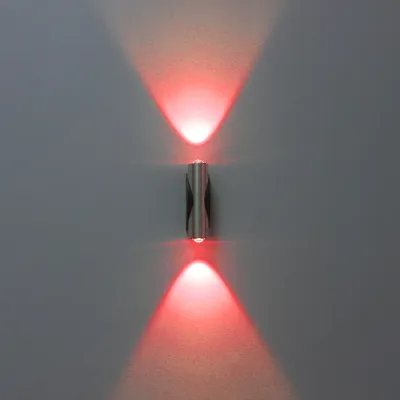
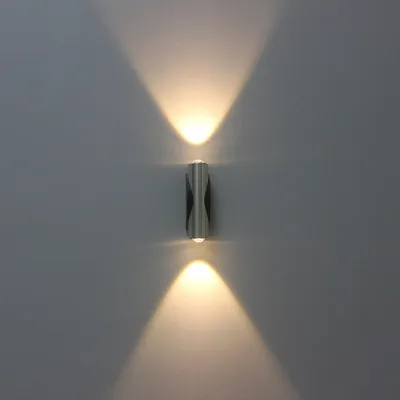
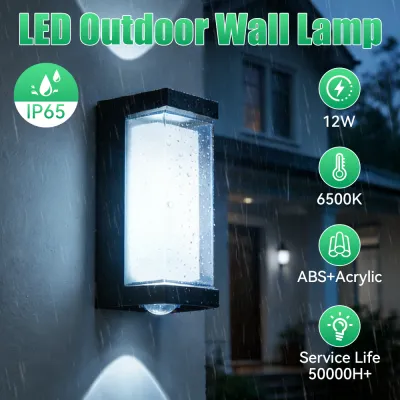
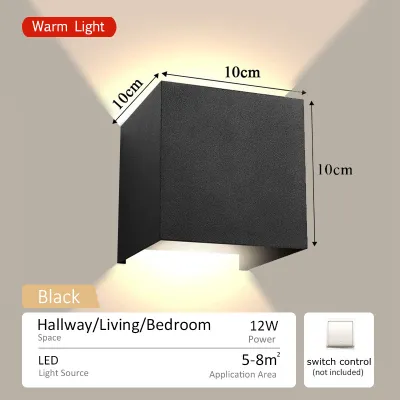
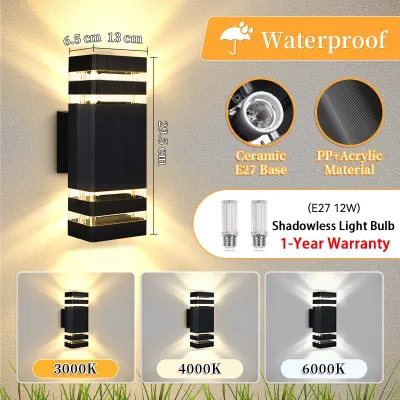
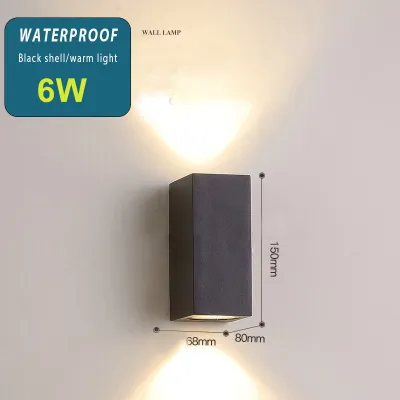
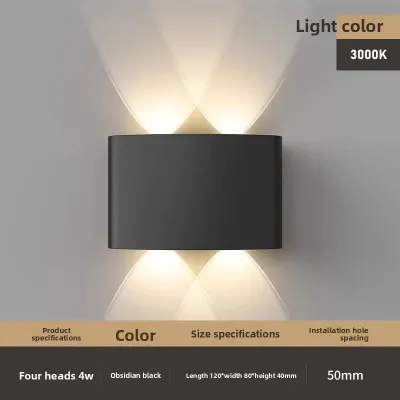
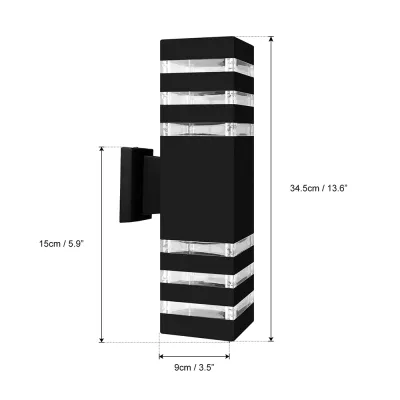
Prices are valid at publication and may change. Please refer to the product page for the latest price.
For corridors, prioritize safety and general visibility. Look for fixtures with wide beam angles that distribute light broadly across the floor and walls, along with frosted or acrylic lenses that reduce harsh glare. The housing should be durable and low-profile to withstand occasional bumps in high-traffic zones.
For bedside installations, focus on visual comfort and task-specific adjustability. Choose fixtures with flexible or swiveling heads, warm color temperatures that promote relaxation, and built-in dimming capabilities. These features allow you to transition easily from evening reading to a restful sleep environment.
Regardless of where you plan to install the fixture, always perform a universal preliminary check. Verify that the lamp’s input voltage matches the standard 220V at 60Hz electrical grid in the Philippines. Additionally, measure the dimensions of your existing wall junction box to ensure a seamless fit before finalizing your purchase.
The Dual-Head Advantage: Layered Lighting in One Fixture
A double headed led wall lamp offers a distinct advantage over single-source fixtures by providing layered lighting from a single electrical connection. In interior design, layered lighting combines ambient, task, and accent illumination to create depth and eliminate dark corners. A dual-headed fixture achieves this by casting light in two opposite directions—typically upward and downward—simultaneously.

The upward light bounces off the ceiling to create soft, indirect ambient lighting that makes a room feel larger and more open. At the same time, the downward light acts as direct task or accent illumination, highlighting architectural features, artwork, or providing direct light for walking paths and reading. This dual functionality is achieved without the need to install multiple junction boxes or run complex wiring for separate fixtures.
This consolidated design is particularly beneficial for compact spaces. In narrow hallways or small bedrooms, floor space is at a premium. Wall-mounted dual-headed sconces eliminate the need for bulky floor lamps or bedside table lamps, freeing up floor and tabletop space while maintaining a clean, minimalist aesthetic. The symmetrical light patterns also add a balanced, modern visual appeal that enhances the architectural lines of your home.
Corridor Lighting: Navigating Narrow Spaces Safely
Hallways and corridors are transitional zones that require consistent, glare-free illumination to ensure safe foot traffic. Because these spaces are often narrow and lack natural light, fixture selection must focus on maximizing visibility without creating visual discomfort.
Beam Angle and Glare Control
When choosing a fixture for a corridor, opt for models that offer wide beam angles, typically 120 degrees or broader. This wide spread ensures that light reaches both the floor and the walls, minimizing shadows and dark spots. To prevent eye strain in these enclosed areas, select fixtures equipped with frosted, textured, or opal acrylic diffusers. These materials soften the output of the intense LED chips, distributing light evenly and eliminating harsh, direct glare.
Placement, Spacing, and Proportions
Proper placement is critical to achieving balanced illumination throughout the length of a corridor. As a general guideline, mount wall sconces at a height of 1.5 to 1.8 meters (approximately 60 to 72 inches) above the finished floor. This height keeps the light source above the average eye level, preventing direct line-of-sight glare.
When installing multiple fixtures, calculate the spacing based on the corridor’s total length. Spacing fixtures approximately 1.8 to 2.4 meters apart generally provides continuous, overlapping light paths. In narrow corridors, choose slim-profile or flush-mount designs that protrude no more than 10 centimeters (4 inches) from the wall. This prevents the fixtures from obstructing the walking path or being accidentally knocked by passing residents or moving furniture.
Switching and Smart Integration
For high-traffic transitional areas, consider pairing your double-headed wall lamps with motion sensors or smart switches. This setup is highly practical when navigating hallways at night or carrying items with full hands. Motion-activated lighting ensures the path is illuminated instantly upon entry and automatically switches off after a set period, saving energy and extending the lifespan of the LED driver.
Bedside Lighting: Balancing Reading Tasks and Sleep Hygiene
Bedside lighting must serve two contrasting purposes: providing enough focused light for reading while maintaining a soft, low-intensity environment that prepares the body for sleep. Achieving this balance requires fixtures designed with adjustability and precise light control.
Adjustability and Directional Control
To accommodate both reading and general room illumination, look for double-headed fixtures that feature independent articulation. Models with swiveling heads, flexible goosenecks, or adjustable rotatable joints allow you to direct one beam precisely onto your book or tablet while angling the other toward the wall or ceiling for gentle ambient light. This prevents the light from shining directly into your eyes or scattering across the entire bed.
Color Temperature and Melatonin Support
Light color temperature significantly impacts sleep quality. Avoid cool white or daylight fixtures (5000K to 6500K) for bedside use, as blue-rich light can suppress melatonin production and disrupt your circadian rhythm. Instead, select warm white LEDs, ideally in the range of 2700K to 3000K. This warm, amber-toned light mimics the natural sunset, promoting relaxation. Incorporating dimmable LED drivers allows you to lower the light levels as bedtime approaches, further supporting healthy sleep hygiene.
Switch Accessibility and Light Bleed
Convenience is key when transitioning from reading to sleeping. Choose fixtures that feature built-in, independent switches on the lamp base itself, or install them with easily reachable bedside wall switches. This eliminates the need to stand up or stretch uncomfortably to turn off the lights. Additionally, select fixtures with deep-set light sources or integrated metal shields (such as barn-door or cylinder styles) to control light bleed. This ensures that your reading light remains focused on your side of the bed, allowing your partner to sleep undisturbed.
Essential Specifications to Verify Before Purchase
Before purchasing any lighting fixture, verifying technical specifications is essential to ensure electrical safety, compatibility, and long-term durability. This is especially true for LED technology, which relies on sensitive electronic components.
- Voltage and Frequency Compatibility: In the Philippines, the standard residential electrical supply is 220V at 60Hz. Many imported LED fixtures are designed for 110V grids or 50Hz frequencies. Operating a 50Hz driver on a 60Hz system can cause persistent flickering, humming, and premature driver failure. Always verify the manufacturer's specification label for explicit 220V/60Hz compatibility.
- IP Ratings and Environmental Conditions: The International Protection (IP) rating indicates a fixture's resistance to dust and moisture. For standard indoor bedrooms, a basic IP20 rating is sufficient. However, if your corridor is semi-outdoor, opens to a courtyard, or if your bedroom is heavily air-conditioned and prone to condensation, choose a fixture with an IP44 rating or higher to protect the internal circuitry from moisture ingress.
- Integrated LEDs versus Replaceable Bulbs: Decide between integrated LED modules and fixtures with replaceable bulb bases (such as G9 or GU10). Integrated LEDs offer sleek, ultra-slim designs and excellent heat dissipation, but if the LED chip or driver fails, the entire fixture must usually be replaced. Replaceable LED bulbs allow for quick, low-cost maintenance, though the fixture designs may be slightly bulkier.
- Material Quality and Thermal Management: High temperatures degrade LED chips rapidly, reducing their brightness and lifespan. Look for fixtures constructed from die-cast aluminum, brass, or high-grade polycarbonate with built-in heat sinks. Avoid cheap, thin plastic housings that trap heat and can warp or discolor over time under tropical climate conditions.
- Electrical Certification: Ensure the product carries recognized safety certifications, such as the Philippine Standard (PS) mark, the Import Commodity Clearance (ICC) sticker, or international equivalents like CE, RoHS, or UL. These certifications verify that the fixture has undergone rigorous testing for electrical safety and fire resistance.
Installation Boundaries and Electrical Safety
Installing a wall-mounted light fixture involves working with live electrical wiring and structural elements. Understanding the limits of DIY installation and knowing when to call a professional is vital for personal safety and home integrity.
Wiring Requirements and Structural Prep
Installing a new wall sconce requires an existing electrical junction box behind the wall. If you are retrofitting a lamp onto a solid concrete or masonry wall—which is common in Philippine residential construction—creating a path for the wiring involves chipping or chasing the concrete. This process requires specialized tools, structural awareness to avoid damaging embedded utility pipes, and subsequent plastering and painting.
Professional Boundaries and Power Isolation
Before undertaking any electrical work, always turn off the power at the main circuit breaker in your home’s service panel. Use a non-contact voltage tester to verify that the wires are completely dead before touching them. If your installation requires running new electrical lines, chipping concrete walls, upgrading older wiring systems, or integrating smart dimming switches, hire a licensed electrician. Professional installation ensures compliance with the Philippine Electrical Code and prevents fire hazards or electrical shocks.
Weight, Anchoring, and Wall Materials
Double-headed wall lamps, particularly those made of solid metal or glass, can be heavy. You must match the mounting hardware to your specific wall material. For solid concrete or brick walls, use masonry drill bits and heavy-duty plastic wall plugs or metal expansion anchors. For hollow drywall or plywood partitions, utilize toggle bolts or hollow-wall anchors to prevent the fixture from pulling loose and falling.
Frequently Asked Questions (FAQ)
Can I use an indoor double-headed LED wall lamp outdoors?
No, indoor-rated fixtures should not be used in outdoor environments. Indoor lamps typically have an IP20 rating, which does not provide protection against windblown dust, high humidity, or driving rain. Exposing an indoor fixture to outdoor elements can lead to short circuits, corrosion of metal parts, and electrical hazards. For outdoor corridors, balconies, or exterior walls, always select fixtures explicitly rated IP65 or higher, constructed from UV-resistant and rust-proof materials.
Do double-headed wall lamps consume a lot of electricity?
No, double-headed wall lamps are highly energy-efficient because they utilize LED technology. Even though the fixture contains two separate light sources, their combined power consumption is minimal. For example, a typical double-headed fixture might use two 5-watt LED sources, resulting in a total consumption of only 10 watts. This is significantly lower than a single traditional 60-watt incandescent bulb while providing comparable or superior light output.
How do I safely clean and maintain LED wall sconces?
To clean your wall sconce safely, first turn off the light switch and allow the fixture to cool completely to avoid thermal shock to the glass or LED cover. Wipe the exterior surfaces gently using a dry or slightly damp microfiber cloth to remove dust and fingerprints. Never spray water or liquid cleaners directly onto the fixture, and avoid using harsh chemical solvents, abrasive pads, or acidic cleaners, as these can strip protective paint finishes, scratch acrylic diffusers, or seep into the electrical housing. Always refer to the manufacturer’s care instructions for specific material guidelines.

Community discussion
Share your experience or ask a question. Comments are reviewed before publication.