
To find a green library lamp that supports long study sessions at home, you must balance its classic aesthetic with modern ergonomic and lighting requirements. While the traditional banker’s lamp is highly prized for its vintage charm and focused downward light, not all models are built to handle the physical demands of extended work-from-home or study routines. Selecting the right lamp involves evaluating bulb compatibility, heat dissipation in tropical climates, and adjustability to prevent eye strain. By focusing on these functional specifications, you can enjoy the nostalgic emerald glow of a classic fixture while maintaining a comfortable, productive workspace.
Essential Lighting Specs for Long Study Sessions
When preparing your desk for hours of reading or computer work, the technical specifications of your light source are far more critical than the lamp’s outer appearance. The first step is verifying the socket type and voltage compatibility of the fixture. In the Philippines, standard residential electrical systems operate at 220V to 240V, and most desk lamps utilize an E27 screw-type socket. Before purchasing any bulb, check the maximum wattage limit printed on the lamp’s socket label; exceeding this limit can damage the fixture’s wiring or cause the shade to overheat.
Color temperature is another vital factor that directly influences visual comfort and focus during late-night sessions. While some users prefer a warm white light (around 2700K to 3000K) for a cozy, traditional library atmosphere, others find a neutral white light (around 4000K) more effective for reading printed text and reducing eye fatigue. Because color temperature preference is highly subjective, look for a lamp that allows you to swap bulbs easily, or consider a smart LED bulb that lets you adjust the color temperature via an app to match your changing tasks throughout the day.
Products mentioned in this guide
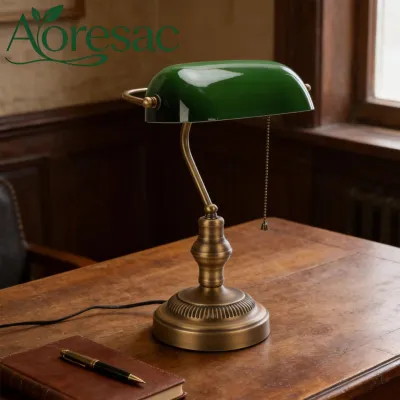
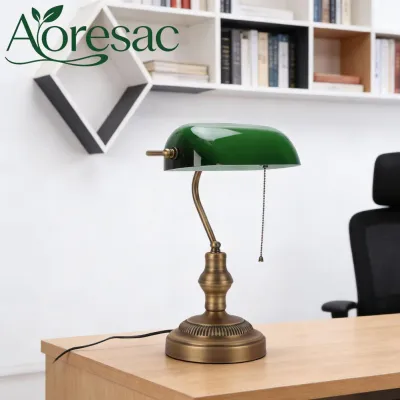
Prices are valid at publication and may change. Please refer to the product page for the latest price.
Achieving the correct brightness level requires understanding the difference between decorative ambient light and functional task lighting. A traditional green glass shade is designed to diffuse a soft, low-intensity green light outward while reflecting a bright, concentrated beam downward onto your desk. To ensure you have adequate illumination for writing or reading, select a bulb that delivers between 450 and 800 lumens. If your study sessions involve transitioning between screen-based work and physical paperwork, a dimmable setup is highly beneficial. Verify whether the lamp features a built-in dimmer switch, and ensure that any replacement LED bulb you purchase is explicitly certified as dimmable to prevent annoying flickering or buzzing.
Ergonomics and Desk Integration
A desk lamp must integrate seamlessly into your physical workspace to be truly effective during long study sessions. Start by assessing the base footprint and weight of the lamp. Traditional library lamps often feature heavy, rectangular bases made of cast iron or solid brass to keep the fixture stable. A weighted base is essential because it prevents the lamp from tipping over when you adjust the shade or accidentally bump your desk. Ensure the base dimensions do not consume too much valuable surface area, leaving enough room for your laptop, notebooks, and other study essentials.

The height of the shade and its adjustability are critical for directing light exactly where you need it. A well-designed green library lamp should allow you to pivot the shade upward or downward to control the angle of the light beam. Ideally, the bottom edge of the shade should sit below your eye level when you are seated, preventing the bare bulb from shining directly into your eyes and causing glare. If the lamp is too short, you may find yourself slouching to avoid the light source, which can lead to neck and shoulder discomfort over time.
Practical desk integration also requires checking the physical connections of the lamp. Measure the distance from your desk to the nearest wall outlet to ensure the power cord is long enough to reach without stretching or creating a tripping hazard. Relying on temporary extension cords can be unsafe, especially in high-traffic areas or humid environments. Additionally, verify the plug type; most standard outlets in the Philippines accept flat two-pin plugs (Type A or Type B). Finally, consider the convenience of the switch placement. A classic pull chain offers a satisfying tactile experience, but an inline cord switch or a base-mounted rotary switch might be easier to reach depending on where the lamp is positioned on your desk.
Material Quality and Build Considerations
The materials used to construct a green library lamp directly affect its durability, safety, and performance. Traditional banker’s lamps feature a cased glass shade, which is crafted by fusing an outer layer of green glass with an inner layer of white glass. This dual-layer design is highly effective because the white interior acts as a natural reflector, maximizing the light cast onto your desk, while the green exterior softens the ambient light in the room. However, glass shades are fragile and can retain significant heat, making them warm to the touch during extended use. If durability is your primary concern, some modern variations use painted metal or acrylic shades, though these materials do not diffuse light in the same way as classic glass.
The construction of the base and stand is equally important for long-term reliability. Look for fixtures made from sturdy metals such as solid brass, steel, or heavy cast iron rather than lightweight plastics or thin resin. A metal stand not only provides the necessary weight for stability but also resists wear and tear from daily adjustments. When evaluating a lamp, check for electrical safety certification labels on the cord, plug, and socket to ensure the components have been tested to meet national or international safety standards.
Heat management is a crucial safety consideration, particularly in tropical climates where ambient temperatures and humidity are already high. Traditional incandescent bulbs generate a substantial amount of heat, which can build up rapidly inside an enclosed glass or metal shade. Over time, excessive heat can degrade the socket wiring or cause the glass shade to crack. To mitigate this risk, choose a lamp design that incorporates ventilation slots at the top of the shade, or opt for energy-efficient LED bulbs that emit minimal heat, keeping the fixture safe to touch even after hours of continuous operation.
Building Your Shortlist: Verification Steps Before Buying
Before purchasing a green library lamp from an online marketplace or a local lighting store, it is essential to perform a few verification steps to ensure you receive a high-quality product. Start by cross-referencing the online product description with the manufacturer’s official specifications. Sellers sometimes use generic templates that list incorrect socket sizes or wattage limits. Confirming that the lamp uses a standard E27 socket and can safely handle the wattage of your preferred bulb will save you from compatibility issues later.
Because glass shades are highly fragile, pay close attention to the seller’s return policies and warranty terms. Verify that the warranty explicitly covers transit damage, such as glass breakage or bent metal parts, and check the process for claiming a replacement. A reputable seller should package the lamp securely in molded foam to protect the delicate glass shade during delivery.
Customer reviews can provide valuable insights into the real-world performance of the lamp. Search the reviews for recurring mentions of quality issues, such as a loose pivot joint that fails to hold the shade in place, a flimsy pull chain that feels like it might snap, or electrical issues like flickering. Pay attention to how other buyers describe the glare; if multiple reviews mention that the bulb is highly visible and causes eye strain, you may need to plan for a specific bulb shape or reposition the lamp on your desk.
Finally, keep in mind that the actual color and finish of the green shade can vary significantly from the product photos. Studio lighting and screen calibration can make a shade appear vibrant emerald, while in reality, it might be a much darker forest green. Look for customer-uploaded photos in the review section to get a more accurate representation of how the lamp looks under normal household lighting conditions.
Safe Setup and Routine Maintenance
Proper installation and regular maintenance are key to ensuring your green library lamp operates safely and lasts for years. Before performing any maintenance, such as changing the bulb or cleaning the fixture, always isolate the power by unplugging the lamp from the wall outlet. This simple step eliminates the risk of electrical shock. When replacing a bulb, always match the new bulb’s wattage to the manufacturer’s limit printed on the socket. Even when using low-wattage LED bulbs, ensure the physical size of the bulb does not touch the inner surface of the glass shade, as direct contact can create hot spots.
Cleaning your lamp regularly helps maintain its appearance and ensures optimal light output. To clean a glass shade, use a dry or slightly damp microfiber cloth to gently wipe away dust. Avoid using harsh chemical cleaners, ammonia-based glass sprays, or abrasive scrubbing pads, as these can damage the delicate finish of the glass or strip the protective lacquer from brass and metal bases. For metal components, a simple wipe with a dry cloth is usually sufficient to prevent tarnish and maintain the polished look.
It is important to recognize when a lighting fixture requires professional attention rather than a simple home fix. If you observe a frayed or cracked power cord, a loose socket that wobbles when you insert a bulb, a persistent burning smell, or flickering that continues even after you have installed a brand-new bulb, stop using the lamp immediately. Do not attempt to splice electrical cords or repair internal wiring yourself. Instead, consult a qualified electrician or contact the manufacturer to address these safety hazards.
Frequently Asked Questions (FAQ)
Can I use LED bulbs in a vintage-style green glass lamp?
Yes, you can use LED bulbs in a vintage-style green glass lamp, provided the bulb’s base matches the lamp’s socket (typically E27) and its physical dimensions fit comfortably inside the narrow shade. Using an LED bulb is highly recommended because it generates significantly less heat than a traditional incandescent bulb, protecting the delicate glass shade from heat stress. If your lamp has a built-in dimmer switch, make sure to select an LED bulb that is explicitly labeled as dimmable to avoid flickering.
How do I reduce glare from a green glass shade on my desk?
To minimize glare during long study sessions, position the lamp slightly to the side of your desk—ideally opposite your dominant hand to reduce shadows—rather than directly in front of you. Adjust the pivoting shade downward so that the bare bulb is completely hidden from your direct line of sight when you are seated. Additionally, choose a frosted or matte-finish LED bulb instead of a clear filament bulb, as frosted glass diffuses the light more evenly and reduces harsh reflections on your desk surface or computer screen.
Are pull-chain switches reliable for daily WFH use?
Pull-chain switches are a classic feature of library lamps and can be highly reliable for daily use if they are constructed with quality materials. When evaluating a lamp, look for a model that features a thick metal chain and a sturdy, reinforced guide eyelet where the chain enters the base or socket. To extend the lifespan of the switch, always pull the chain straight down with a gentle, steady motion rather than pulling it at a sharp angle, which can cause the chain to rub against the metal housing and wear out prematurely.

Community discussion
Share your experience or ask a question. Comments are reviewed before publication.