
To create a relaxing ambiance in a bedroom, a highly effective hanging lamp shade style is one that diffuses light softly while eliminating direct bulb glare. A drum or dome shade made from woven natural fibers, textured fabrics, or frosted glass works exceptionally well because it transforms harsh, direct light into a warm, gentle glow. By choosing a shade that directs light downward or filters it evenly through semi-opaque materials, you can establish a serene sanctuary perfect for winding down at the end of a long day.
Understanding Bedroom Lighting Needs for Relaxation
The bedroom serves as a personal retreat where the body and mind transition from the high-energy demands of the day to a state of deep rest. Achieving this transition requires lighting that mimics the natural progression of sunset, signaling to your brain that it is time to sleep. Bright, unfiltered overhead lights can disrupt your circadian rhythm, making it difficult to relax. Instead, bedroom lighting should focus on low-glare, warm illumination that softens the room’s edges and creates a cozy, inviting atmosphere.
To achieve this level of control, incorporating a dimmable lighting setup is highly beneficial. Dimmers allow you to adjust the brightness levels gradually as bedtime approaches, helping you transition smoothly from evening activities like reading to complete rest. While bedside lamps provide localized, low-level light, a hanging ceiling fixture serves a different purpose by distributing a soft, ambient glow across the entire room. Balancing these light sources ensures that your bedroom remains functional without sacrificing the soothing atmosphere necessary for quality sleep.
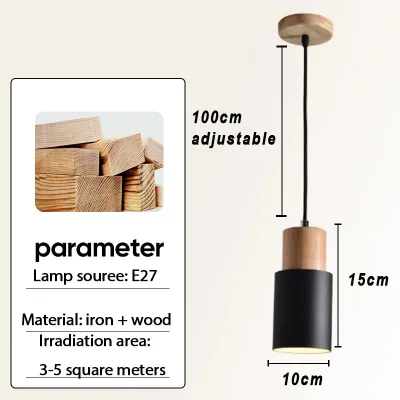
Products mentioned in this guide
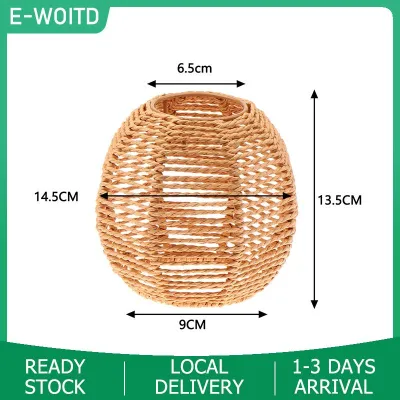
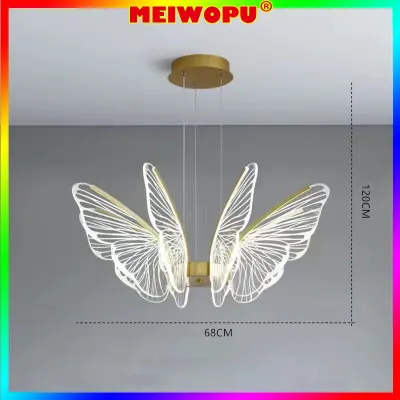
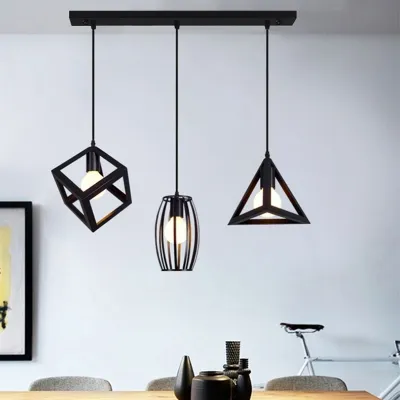
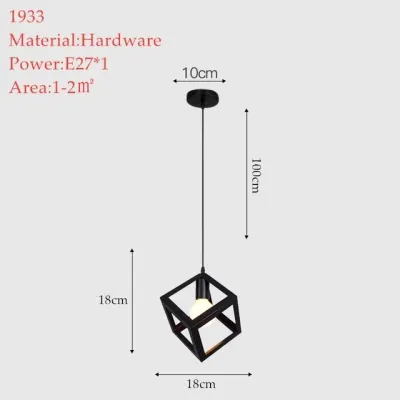
![[Spot +24hours delivery]Modern Chandelier Ceiling Hanging Light Lampshade Inspired On Lotus Flower Design Pendant Lamp For Holiday Living Room Bedroom Study And Dinning Room Light Decoration 36cm Diameter](https://img.lazcdn.com/g/p/7cc0b9f837867ea7eebd5598e0b61772.jpg_400x400q80.jpg_.webp)
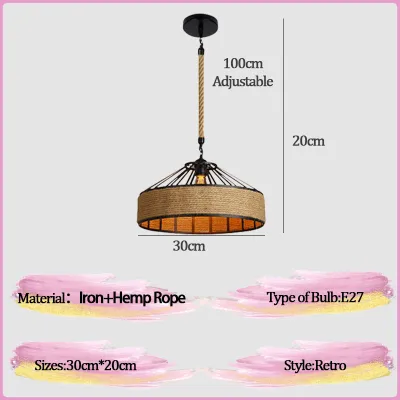
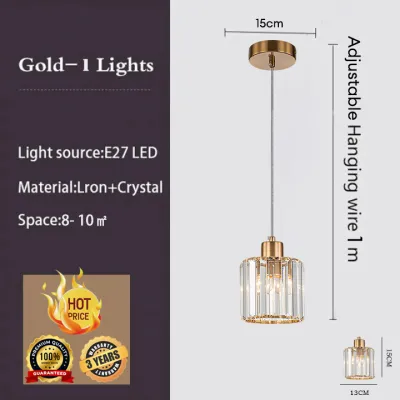
Prices are valid at publication and may change. Please refer to the product page for the latest price.
Evaluating Lamp Shade Materials for a Cozy Atmosphere
The material of your hanging lamp shade plays a decisive role in how light is dispersed throughout your bedroom. Fabric shades, such as linen or cotton, and textured paper options are excellent choices for creating a soft, even diffusion. These materials gently filter the light, scattering it in multiple directions to eliminate harsh shadows and bright spots. In tropical climates where humidity can be high, choosing breathable, mold-resistant fabrics or treated paper ensures the shade remains durable and clean over time.

Frosted, opal, or tinted glass shades offer another sophisticated option for reducing bulb visibility. Unlike clear glass, which exposes the bare bulb and causes uncomfortable glare, frosted glass scatters the light waves, producing a smooth, velvety glow. Tinted glass in amber or warm smoke tones can further enhance the cozy feel by naturally lowering the perceived color temperature of the light. When selecting glass, it is important to consider the weight of the fixture and ensure your ceiling structure can safely support it.
Safety must always be a priority when evaluating shade materials, especially regarding heat resistance. You should always check the manufacturer’s safety labels and instructions to ensure the shade material is rated for the specific bulb type and wattage you plan to use. Enclosed shades or those made from highly combustible materials like paper require extra caution and are best paired with low-heat LED bulbs. Verifying these specifications prevents overheating and ensures your cozy setup remains safe.
Matching Shade Shape and Size to Your Bedroom Layout
The shape and physical dimensions of a hanging lamp shade dictate how light is directed and distributed across your bedroom floor plan. Drum and wide-bottom dome shapes are ideal for general ambient lighting because they allow light to escape from both the top and bottom while softly filtering it through the sides. This dual-direction light path bounces soft illumination off the ceiling and spreads a wide, gentle pool of light downward, making the entire room feel balanced and spacious.
If your hanging light is positioned over a specific area, such as a reading chair or a vanity, a narrower or more directional shade style may be more appropriate. Cone or bell-shaped shades concentrate the light downward, providing functional illumination for specific tasks without flooding the rest of the sleeping area with bright light. This targeted approach allows one person to read or work comfortably while keeping the rest of the room relatively dark and peaceful for a sleeping partner.
Before finalizing your choice, carefully measure your ceiling height and the clearance around your bed. In rooms with ceiling fans, which are common in warm tropical climates, you must ensure the hanging shade is positioned well away from the fan blades to prevent dangerous wobbling or shadow flickering. The fixture should hang high enough to avoid obstructing your sightlines or physical movement when sitting up, getting out of bed, or walking through the room.
Choosing Colors and Opacity for Sleep-Friendly Lighting
The color and opacity of a lamp shade directly influence the quality of light and the overall aesthetic of your bedroom. Selecting warm, neutral exterior colors like cream, beige, soft gray, or muted terracotta helps the fixture blend seamlessly with relaxing bedroom decor. These tones do not distort the light’s color, ensuring that the room feels natural and calming. Bright or highly saturated shade colors can cast unusual hues across the room, which may feel distracting or unsettling when you are trying to rest.
To gain precise control over light direction, consider shades with dark-colored or hard-backed linings. A solid or dark lining prevents light from escaping through the sides of the shade, directing the entire output upward and downward instead. This design is highly effective at preventing distracting glare on the ceiling directly above your bed, keeping the immediate sleeping area dim and comfortable.
Conversely, you should avoid highly reflective or metallic interior linings, such as bright gold or silver foil, if you are sensitive to eye strain. While these linings can look stylish, they often intensify the bulb’s reflection, creating sharp, bright hot spots that can be uncomfortable to look at before sleeping. A matte, neutral interior lining provides a much softer, more uniform reflection that supports a peaceful bedtime routine.
Ensuring Electrical Compatibility and Safe Installation
Before installing any new hanging lamp shade, you must verify that it is fully compatible with your existing electrical fixture and meets local safety standards. Start by checking the fixture’s maximum wattage rating, which is typically printed on a label near the bulb socket. Exceeding this limit can cause heat to build up rapidly inside the shade, damaging the material or creating a fire hazard. Using energy-efficient LED bulbs is a practical way to keep heat output low while achieving the desired brightness.
Next, ensure the shade’s fitter type matches your current pendant holder, lamp harp, or socket assembly. Common fitter types include spider, UNO, and slip-UNO designs, and using an incompatible fitter can result in a loose, tilted, or unstable shade. If you are replacing a shade on a suspended pendant light, verify that the cord and mounting hardware are rated to support the weight of the new shade, particularly if you are switching to a heavier glass or ceramic style.
For any installation involving fixed wiring, working at heights, or mounting heavy suspended loads, safety is paramount. Always isolate the power at the main circuit breaker before touching any electrical components. If you are modifying a hardwired ceiling pendant, installing a new ceiling box, or unsure about the structural support in your ceiling, consult a qualified professional electrician to complete the installation safely and in compliance with local electrical codes.
Frequently Asked Questions (FAQ)
Can I use a smart bulb with any hanging lamp shade?
Yes, you can use a smart bulb with most hanging lamp shades, provided you verify a few technical details first. Check the smart bulb’s physical dimensions and heat output to ensure it fits comfortably within the shade without touching the material. Because smart bulbs contain internal wireless receivers, avoid thick metal or heavily shielded shades that might block Wi-Fi or Bluetooth signals. Additionally, ensure your smart bulb is compatible with your existing wall switches, as using a standard smart bulb on a traditional wired dimmer switch can cause flickering or damage the bulb’s electronics.
How low should a hanging lamp shade be positioned over a bed?
When hanging a lamp shade directly over a bed or bedside table, aim for a height that provides comfortable clearance and prevents direct glare. If the fixture hangs over the center of the bed, it should be positioned high enough to clear your head easily when sitting up or changing sheets. For bedside pendant lights, the bottom of the shade should generally align with your chin or shoulder level when sitting in bed, which is typically around 50 to 75 centimeters above the nightstand. Secure the canopy and cord firmly to the ceiling to prevent any accidental swinging or pulling.

Community discussion
Share your experience or ask a question. Comments are reviewed before publication.