
To find the right light stand for your study table, you need to focus on adjustable brightness, customizable color temperature, physical flexibility, and proper eye protection. A good study lamp does more than just illuminate your books; it reduces eye strain during long nights, prevents glare on your screens, and adapts to your specific study environment. Whether you are preparing for major exams or working on detailed design projects, selecting a lamp with the right technical specifications ensures a comfortable and productive workspace.
In tropical climates like the Philippines, where evening study sessions often require closed windows and air conditioning or open windows with fans, the heat emitted by your desk setup also matters. Choosing modern, efficient lighting helps keep your study nook comfortable. By understanding key specifications such as lumens, Kelvin ratings, and physical adjustability, you can make an informed decision that protects your vision and enhances your concentration.
Brightness and Lumens: Finding the Right Intensity
When searching for a light stand for your study table, look closely at the lumen rating rather than the wattage. Historically, we associated higher wattage with brighter light, but modern energy-efficient lamps produce more light using far less power. Lumens measure the actual amount of visible light emitted by a source, making it a key specification to check when evaluating brightness.
Products mentioned in this guide

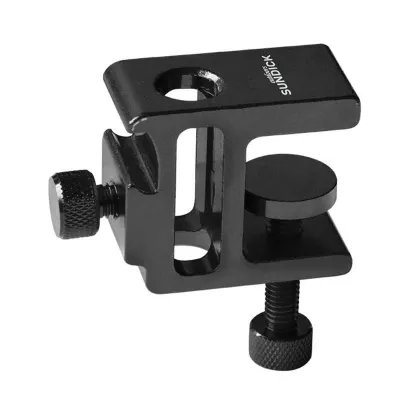
Prices are valid at publication and may change. Please refer to the product page for the latest price.
For a dedicated study space, a lamp that offers adjustable brightness is beneficial. Look for models featuring stepless dimming or multiple brightness presets in their product specifications. Stepless dimming allows you to slide your finger along a touch control to fine-tune the light level, while presets let you toggle between low, medium, and high settings. This flexibility is useful because your lighting needs change depending on the time of day and the task at hand.
Your personal comfort level should dictate how you adjust the brightness during prolonged study sessions. If you are reading glossy textbooks or working on a highly reflective tablet screen, excessive brightness can cause harsh glare that leads to headaches and eye fatigue. A dimmable lamp allows you to lower the intensity to a level that illuminates your work clearly without bouncing blinding light back into your eyes.
Color Temperature: Setting the Tone for Focus
Color temperature plays a significant role in how alert or relaxed you feel while studying. This specification is measured in Kelvins (K) and is typically listed on the product packaging or manual. Lower Kelvin ratings, such as 2,700K to 3,000K, produce a warm, yellowish light similar to sunset. Higher ratings, ranging from 5,000K to 6,500K, deliver a cool, bluish-white light that mimics bright daylight.

For active reading, writing, and tasks requiring high concentration, neutral to cool white light (around 4,000K to 5,000K) is generally recommended. This range helps maintain alertness and makes text on paper appear crisp and clear. Cool light suppresses the production of melatonin, the hormone that makes you sleepy, helping you stay focused during demanding study sessions.
However, studying late at night requires a different approach to protect your sleep cycle. Choosing a light stand for your study table with adjustable color temperature allows you to transition from a cool, focusing light during the day to a warm, gentle light in the evening. This warm light reduces blue light exposure before bed, helping your mind wind down naturally while still providing sufficient illumination to finish your evening tasks.
Adjustability and Ergonomics: Reducing Eye Strain
A well-designed study lamp must be physically adaptable to your desk layout. When evaluating different models, assess the range of motion of the lamp arm, neck, and swivel head. A flexible gooseneck or a multi-jointed metal arm allows you to direct the light precisely where you need it, whether you are sketching on a large drafting sheet or typing on a laptop.
As you adjust the lamp, stability becomes a primary concern. Ensure the base of the lamp is sufficiently weighted or wide enough to prevent tipping when the arm is fully extended over your study table. A flimsy or lightweight base can easily topple over when you try to angle the light, potentially damaging your desk accessories or the lamp itself. If your desk space is limited, you might also consider clamp-on models that secure directly to the edge of the table.
The design of the lampshade or light head is equally important for eye comfort. Verify that the shade adequately shields the light source from your direct line of sight when you are seated. If the bare bulb or LED panel is exposed to your eyes, it creates a harsh glare that causes immediate discomfort. The shade should direct the light downward onto your workspace, keeping your eyes in a comfortable, shaded zone.
Power, Connectivity, and Safety Checks
Before finalizing your purchase, it is essential to perform basic safety and compatibility checks. Always read the product label or user manual to verify the voltage compatibility. In the Philippines, the standard electrical system operates at 220V at 60Hz. Connecting a lamp designed solely for 110V without a proper transformer can damage the device or pose a fire hazard, so look for dual-voltage or native 220V specifications.
Modern study lamps often include convenient extra features, such as integrated USB charging ports or wireless charging pads built into the base. Evaluate these features based on your specific device charging needs. If your study table has limited wall outlets, a lamp that can charge your smartphone or tablet directly from its base can help declutter your workspace and keep your essential devices powered up.
Finally, measure the distance from your study table to the nearest wall outlet before buying. Many desk lamps come with relatively short power cords, which might limit where you can place the lamp on your desk. Ensuring the cord is long enough—or planning to use a safe, heavy-duty extension cord—prevents unnecessary strain on the cable and keeps your study area organized and safe.
Frequently Asked Questions (FAQ)
Is a LED desk lamp better for studying than traditional bulbs?
LED desk lamps offer several practical advantages over traditional incandescent or halogen bulbs for study environments. They are energy-efficient, consuming less electricity while producing the same level of brightness, and they have a long lifespan, meaning you rarely need to worry about replacements. Additionally, LEDs emit minimal heat, which is a practical benefit in warm tropical climates where a hot halogen bulb close to your face can make studying uncomfortable. When shopping, check the product specifications for flicker-free technology or low-blue-light certifications to ensure enhanced eye comfort during long hours of use.
How high should I position my study lamp above the desk?
As a general rule, your study lamp should be positioned so that the light source is slightly above your eye level when you are seated. This height ensures that the light spreads evenly across your workspace without the bulb shining directly into your eyes. You should also adjust the angle and position of the lamp to avoid casting shadows. If you are right-handed, place the lamp on the left side of your desk so your hand does not cast a shadow over your writing; if you are left-handed, place it on the right side.

Community discussion
Share your experience or ask a question. Comments are reviewed before publication.