
Setting up a dedicated reading sanctuary in a shared living room requires a careful balance of focused utility and ambient comfort. To achieve this, a high-quality living room floor lamp must offer key features: physical adjustability, customizable brightness, variable color temperature, and a stable structural design. Rather than relying on a static, single-purpose fixture, the ideal reading lamp adapts to different times of day, varying tasks, and individual visual needs, ensuring you can read for hours without experiencing eye strain or disrupting others in the room.
Assessing the Living Room Reading Environment
In a shared living space, lighting requirements are rarely uniform. While family members may want dim, relaxed lighting for watching television or socializing, a reader requires concentrated, high-contrast light to clearly distinguish text. This divergence creates a unique challenge: your reading light must remain confined to your personal nook without spilling harsh glare across the entire room.
Additionally, living rooms are prone to environmental light interferences, such as reflections from large windows, overhead ceiling fixtures, or television screens. A dedicated reading fixture must resolve these conflicts by providing localized illumination. By balancing personal visual comfort with the overall mood and aesthetic of the shared household, you can create an inviting corner that coexists peacefully with the rest of the room’s activities.
Products mentioned in this guide
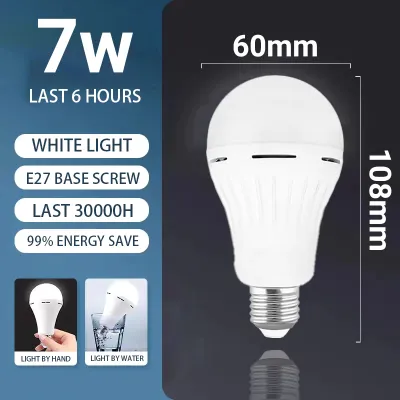
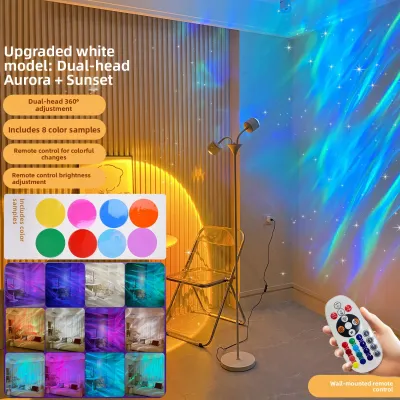
Prices are valid at publication and may change. Please refer to the product page for the latest price.
Selecting a Living Room Floor Lamp with the Right Light Specifications
Brightness and Dimming Control
When evaluating modern fixtures, it is vital to distinguish between wattage and lumens. Wattage measures electrical energy consumption, whereas lumens indicate the actual volume of light emitted. For comfortable reading, relying purely on high-wattage bulbs is inefficient and can lead to excessive heat generation. Instead, look for a lamp that delivers between 450 and 800 lumens of light output, which provides sufficient clarity for standard text without overwhelming the eyes.

Individual light sensitivity varies significantly with age; older readers generally require higher lumen outputs to achieve the same level of visual clarity as younger readers. To accommodate these changing needs and different times of day, prioritize lamps equipped with built-in dimmers or step-less dimming switches. A step-less dimmer allows you to transition smoothly from a bright, focused daytime reading setup to a softer, relaxed evening glow, preventing sudden shifts in contrast that tire the eyes.
Color Temperature and Light Quality
Light color, measured on the Kelvin (K) scale, plays a profound role in cognitive focus and physical relaxation. For casual reading or winding down before sleep, warmer tones ranging from 2700K to 3000K mimic traditional incandescent bulbs, creating a cozy, low-stress environment that does not disrupt your natural sleep cycle. Conversely, if you are analyzing complex texts, studying, or engaging in detailed craftwork, cooler or neutral white light between 3500K and 4000K enhances contrast and mental alertness.
Beyond color temperature, pay close attention to the Color Rendering Index (CRI) of the light source. A high CRI rating of 90 or above ensures that colors are represented accurately, reducing the subtle visual distortion that causes eye fatigue during prolonged reading sessions. Opting for a lamp with adjustable color temperature features offers the ultimate versatility, allowing you to switch modes depending on whether you are reading a novel or reviewing documents.
Adjustability and Glare Prevention
Physical adjustability is the cornerstone of ergonomic reading light. Without the ability to redirect the beam, you are forced to adjust your posture, which can lead to neck and back discomfort over time. When shopping, compare different adjustment mechanisms to find one that suits your seating arrangement. Flexible goosenecks offer seamless, multi-directional bending, making them excellent for precise, close-up adjustments.
Articulated or swing arms provide a broader reach, allowing you to pull the light source directly over your shoulder and push it away when not in use. Telescopic poles allow you to adjust the overall height of the fixture, while swivel heads let you tilt the shade to block direct glare. Preventing direct glare is critical for eye comfort; ensure the lamp features an opaque or deeply angled shade that conceals the bare bulb from your direct line of sight.
Ideally, the light should be positioned slightly behind or beside your shoulder, directing the beam onto the page from above. This positioning avoids casting shadows from your head, hands, or reading device. Before purchasing, verify the range of motion of the adjustable joints to ensure they can easily reach your preferred seating height and angle.
Stability, Safety, and Aesthetic Integration
Because floor lamps are freestanding fixtures, physical stability is a paramount safety consideration. A top-heavy lamp poses a significant tipping hazard, particularly in busy households with active children, pets, or high foot traffic. Look for models featuring a heavy, wide, and low-profile base—often constructed from cast iron, dense marble, or weighted steel—which lowers the center of gravity and keeps the fixture anchored.
Safety also extends to the electrical configuration. Before finalizing a purchase, verify that the lamp’s cord length is sufficient to reach your wall outlet without being stretched taut across high-traffic walkways, creating a tripping hazard. Always check the manufacturer’s specifications to ensure compatibility with local electrical standards, which in the Philippines is 220V at 60Hz. Look for recognized safety certifications, such as the Import Commodity Clearance (ICC) sticker or the Philippine Standard (PS) safety mark, to verify that the electrical components have undergone rigorous quality testing.
Additionally, consider the tropical environment; in areas with high relative humidity, metal finishes should be powder-coated, painted, or made of high-quality brass to prevent rust and corrosion over time. Finally, select a finish and design style—whether minimalist matte black, classic mid-century brass, or warm natural wood—that harmonizes with your existing living room furniture to maintain a cohesive interior aesthetic.
Dual-Purpose Designs for Shared Spaces
In compact living rooms or open-plan homes, space is at a premium, making multi-functional furniture highly desirable. Dual-purpose floor lamps, such as torchiere designs with an attached secondary reading arm, offer an elegant solution. The main upward-facing torchiere bounces light off the ceiling to provide soft, glare-free ambient illumination for the entire room, while the lower, adjustable arm delivers direct, focused task light specifically for your reading chair.
Another modern approach is integrating smart lighting systems. By installing a smart bulb or choosing a fixture with built-in smart controls, you can adjust brightness, change color temperatures, or switch between pre-set “reading” and “movie” modes via a smartphone application, remote control, or voice assistant. This allows you to transition your living room from an active family space to a quiet reading nook without standing up.
While these dual-purpose designs reduce visual clutter by combining two fixtures into one, they do come with trade-offs. They are often physically bulkier than single-purpose task lamps and may require more floor space near your seating area. Additionally, multi-light fixtures may have lower maximum wattage limits per socket (such as standard E27 or GU10 bases), so always verify the individual socket limits and dimming compatibility before purchasing.
Practical Placement Tips for Your Reading Nook
Achieving optimal comfort requires precise placement of your floor lamp relative to your reading chair. As a general rule, the bottom of the lamp shade should align approximately with your eye level when you are seated in your favorite chair. This height, typically ranging between 100 and 120 centimeters from the floor, ensures that the light source is close enough to illuminate your book clearly while remaining shielded by the shade to prevent direct glare.
To avoid extreme visual fatigue, practice light layering rather than reading in a completely dark room with a single bright light source. Reading under a harsh spotlight in an otherwise dark room forces your pupils to dilate and contract repeatedly as your eyes drift across the boundaries of light and shadow. Pairing your task lamp with a soft, low-level ambient light source elsewhere in the room mitigates this contrast, creating a much gentler environment for your eyes.
Finally, prioritize ongoing maintenance to protect your investment. Before performing any adjustments, bulb replacements, or cleaning, isolate the power by unplugging the fixture from the wall. Periodically check the physical condition of the lamp, ensuring that the joints are tight, the cord is free of fraying, and the bulb is securely fitted in its socket. In humid environments, gently wipe the bulb and shade with a dry microfiber cloth to prevent dust buildup, which can significantly reduce light output and trap unwanted moisture.

Community discussion
Share your experience or ask a question. Comments are reviewed before publication.